Ten Extraordinary Encounters: Inside an Expedition Guide Season Across the Arctic and North Atlantic

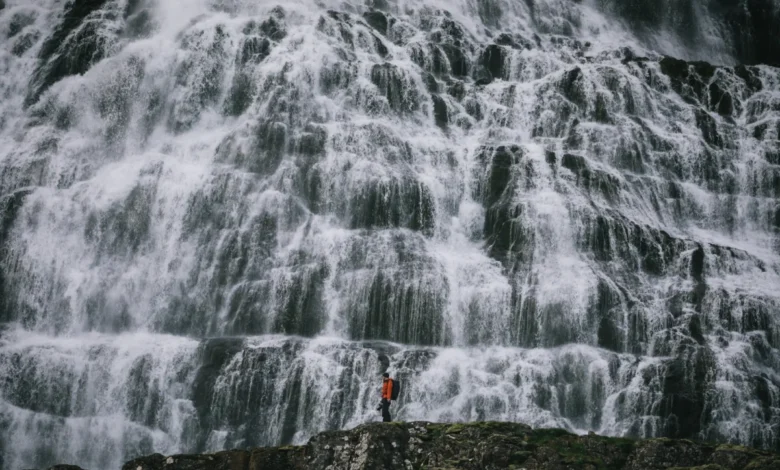
The transition from a solitary travel blogger to a professional onboard expedition guide marks a significant operational shift in polar tourism, as demonstrated during a recent three-month deployment aboard the ice-strengthened vessel Ocean Endeavour. Operating in partnership with Adventure Canada during the 2023 Arctic and North Atlantic season, media professionals and expedition teams are increasingly integrating into maritime operations to document remote ecosystems undergoing rapid environmental changes. This deployment encompassed a diverse geographic itinerary, stretching from the northern Scottish Isles across the North Atlantic to the Faroe Islands, Iceland, southeastern Greenland, the Northwest Passage, Baffin Bay, and the Torngat Mountains of Labrador.
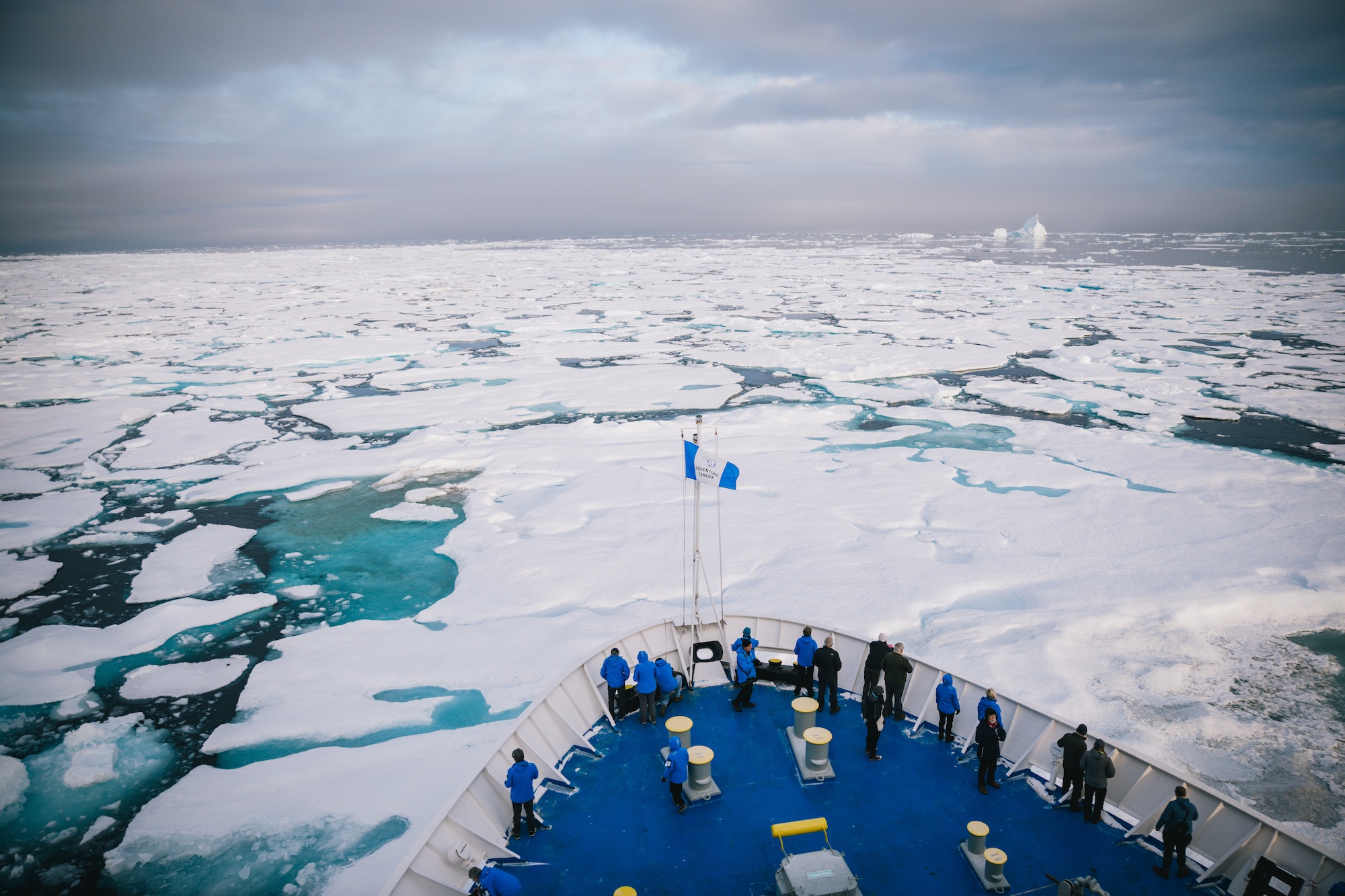
Operational Background and Chronology of the 2023 Season
The 2023 expedition season commenced in the late spring, initiating a rigorous maritime schedule designed to access remote coastal communities and wildlife habitats inaccessible by conventional commercial transport. The initial phase of the voyage focused on the Scottish Isles, including the remote island of Foula in the Shetland archipelago, located approximately 200 kilometers north of the Scottish mainland. This phase was followed by transits across the North Atlantic to the Faroe Islands and subsequent multi-week explorations of Iceland and Greenland.
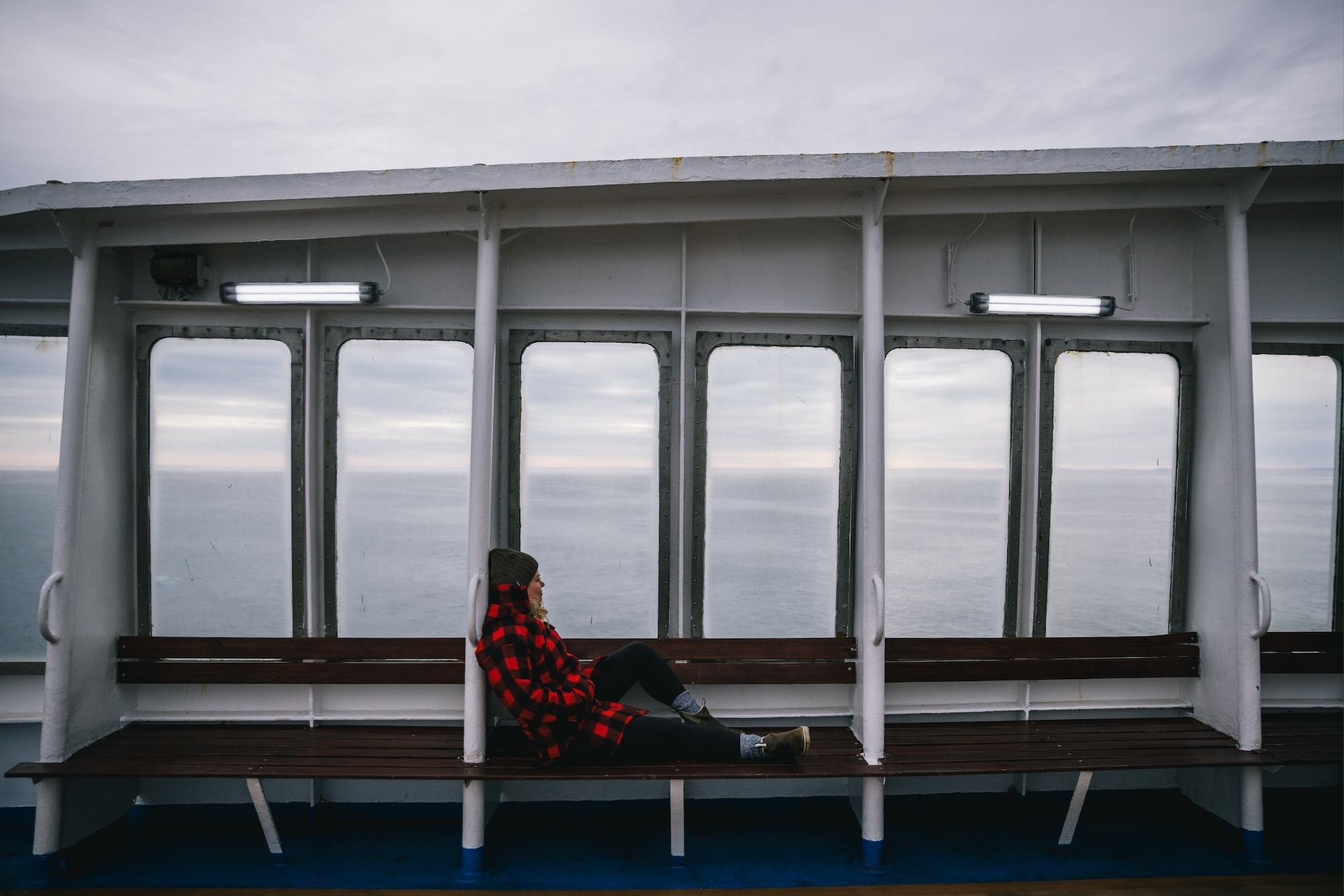
By mid-July, maritime operations shifted deeper into the High Arctic, navigating through shifting sea ice in Baffin Bay and entering the narrow channels of the Northwest Passage by September. The final leg of the voyage concentrated on the Torngat Mountains National Park in northern Labrador, concluding a continuous three-month operational window at sea. Throughout this timeline, expedition vessels functioned as mobile research platforms, temporary communities, and educational centers, accommodating passengers, scientists, cultural historians, and specialized media personnel.
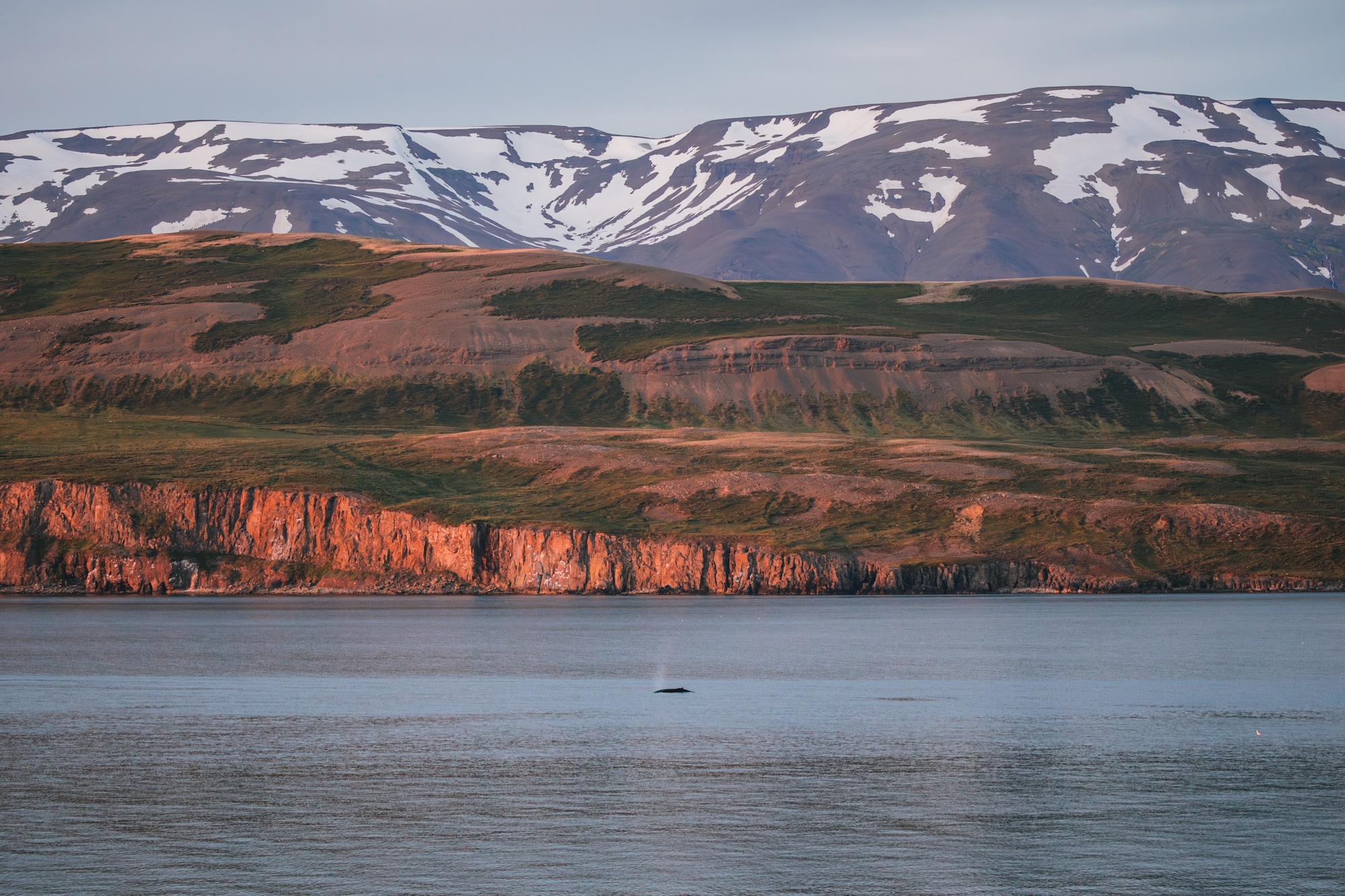
Wildlife Dynamics and High-Latitude Ecosystem Observations
Among the most notable ecological observations documented during the 2023 expedition was the high concentration of apex predators and marine mammals interacting within constrained geographical features. In September, while navigating the Northwest Passage, the expedition vessel anchored near Coningham Bay on Somerset Island. Coningham Bay features a wide, shallow basin connected to the sea by a narrow inlet, creating specific tidal conditions where beluga whales (Delphinapterus leucas) frequently enter to exfoliate their skin against the pebble substrate.
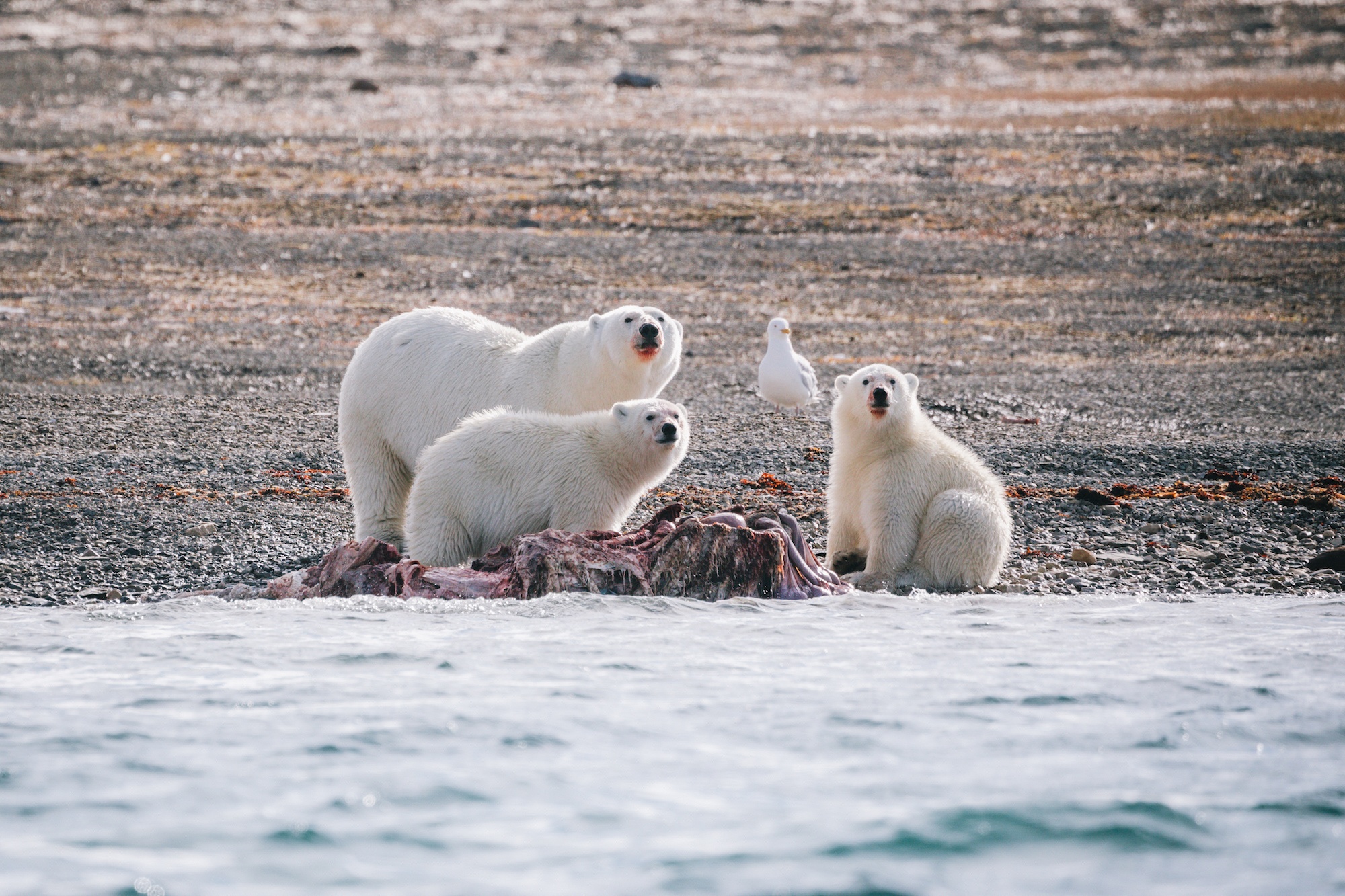
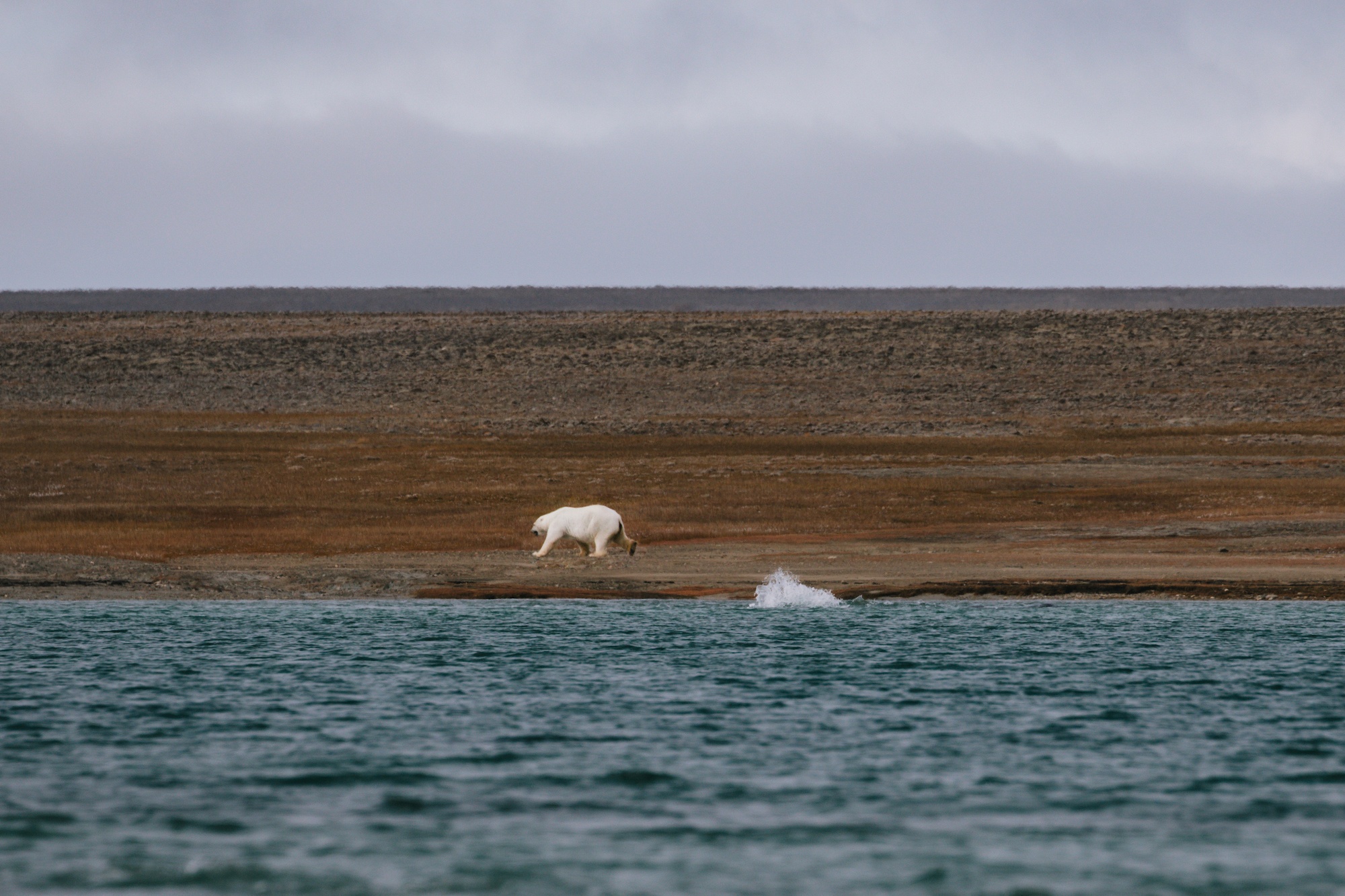
At low tide, the shallow entrance restricts marine mammal movement, creating a natural feeding ground for polar bears (Ursus maritimus). Observers onboard recorded more than a dozen polar bears, including maternal females and cubs, actively feeding on marine mammal remains within the bay. Such observations provide critical insights into seasonal foraging behaviors of polar bears in regions where sea ice dynamics are shifting due to climatic trends. Concurrently, populations of narwhals (Monodon monoceros) and belugas were documented utilizing the adjacent coastal waters, underscoring the ecological sensitivity of these Arctic archipelagos.
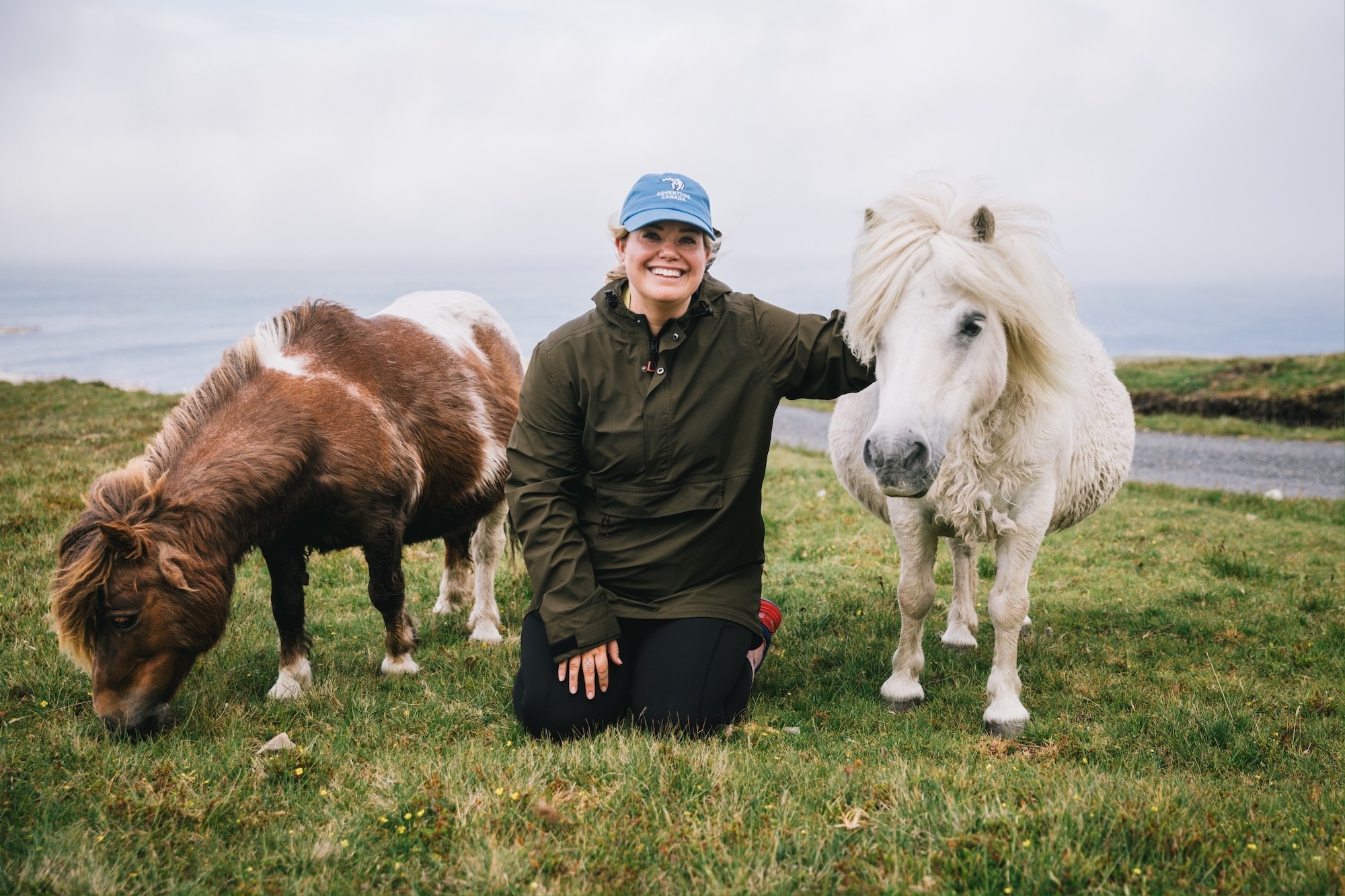
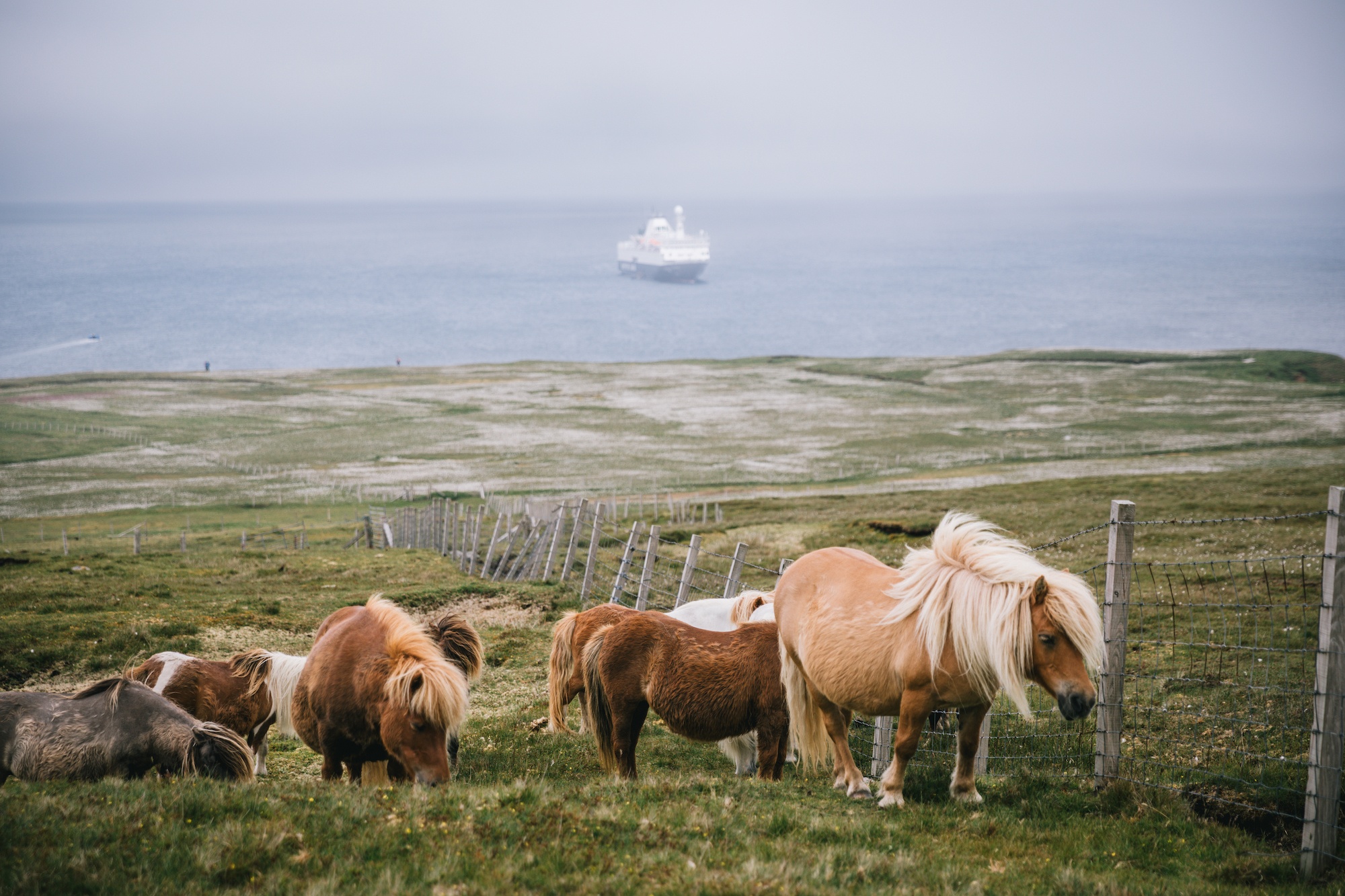
In addition to megafauna, the expedition documented substantial populations of seabirds across the North Atlantic. In the Faroe Islands and coastal Iceland, colonies of Atlantic puffins (Fratercula arctica) were observed nesting along vertical basalt cliffs. Ornithological studies note that these colonies rely heavily on stable pelagic fish stocks, which are increasingly vulnerable to marine heatwaves and shifting ocean temperatures. On Foula, interactions with semi-feral Shetland ponies provided documentation of isolated island adaptations where livestock management has remained largely unchanged for centuries.
Cultural Integration and Indigenous Heritage Education
Modern polar expedition cruising places significant emphasis on cultural education, shifting away from historical models of outsider observation toward collaborative engagement with Indigenous communities. Adventure Canada integrates local Inuk guides and cultural educators into every voyage operating within Inuit Nunangat—the Inuit homeland comprising regions of northern Canada, Greenland, and Alaska.
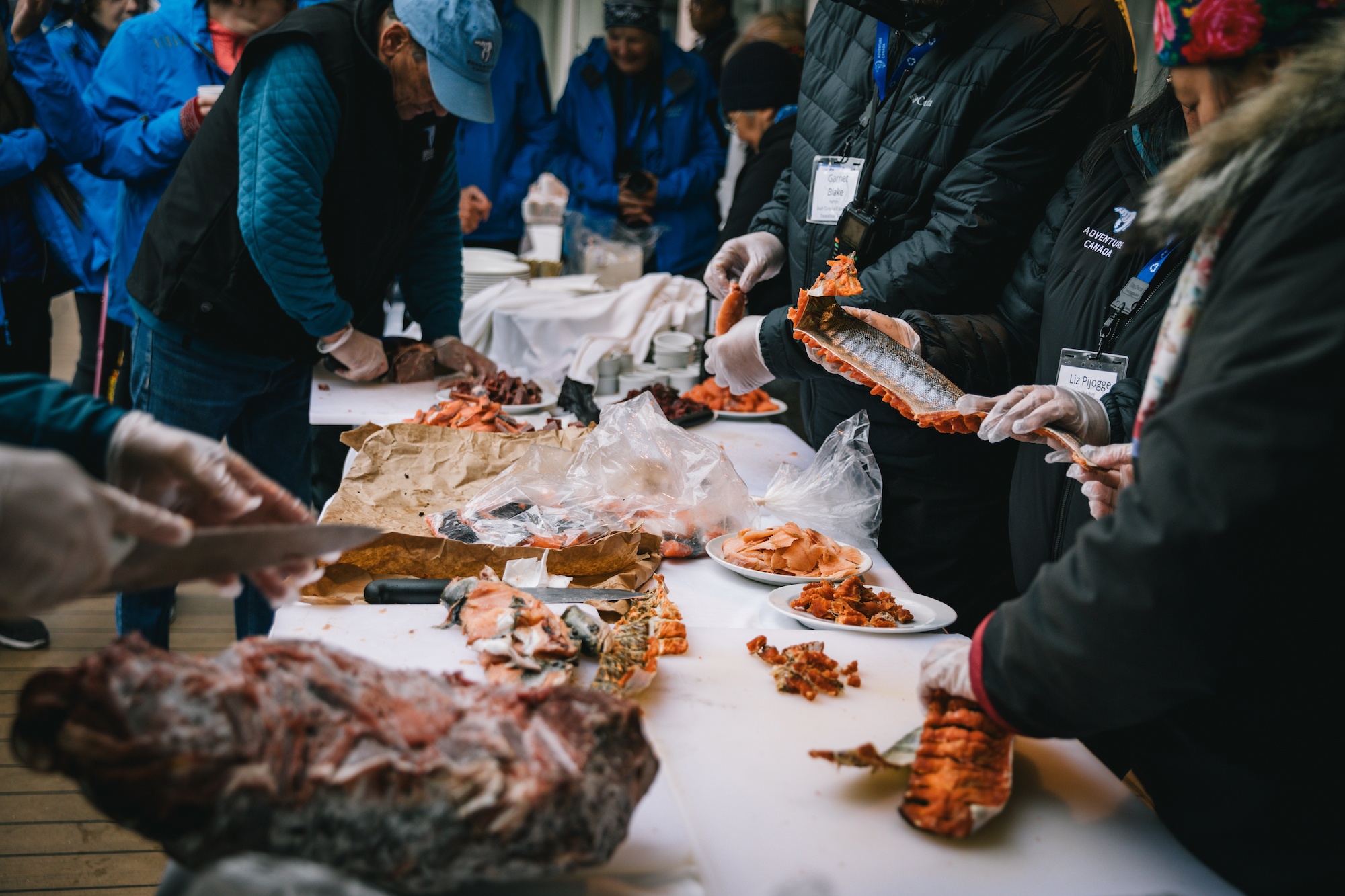
During the 2023 itinerary, passengers and crew visited both inhabited and historically significant abandoned settlements, including sites associated with the federal relocation programs of the mid-20th century. Historical briefings and firsthand accounts from Inuk expedition leaders provided detailed documentation of the socio-economic impacts of forced relocations, residential school systems, and the ongoing efforts toward cultural revitalization and self-determination among Inuit communities. Industry analysts note that incorporating Indigenous leadership in polar tourism establishes a necessary framework for ethical travel, ensuring that local populations retain agency over the narrative and economic benefits associated with regional development.
Environmental Indicators: Wildfire Smoke and Atmospheric Anomalies
The 2023 Arctic season was significantly impacted by external environmental phenomena originating far to the south. Canada experienced its most severe wildfire season on record, with approximately 20 million hectares of boreal forest and tundra consumed by prolonged blazes. Atmospheric circulation patterns transported dense smoke plumes northward across the Davis Strait and into southeastern Greenland.
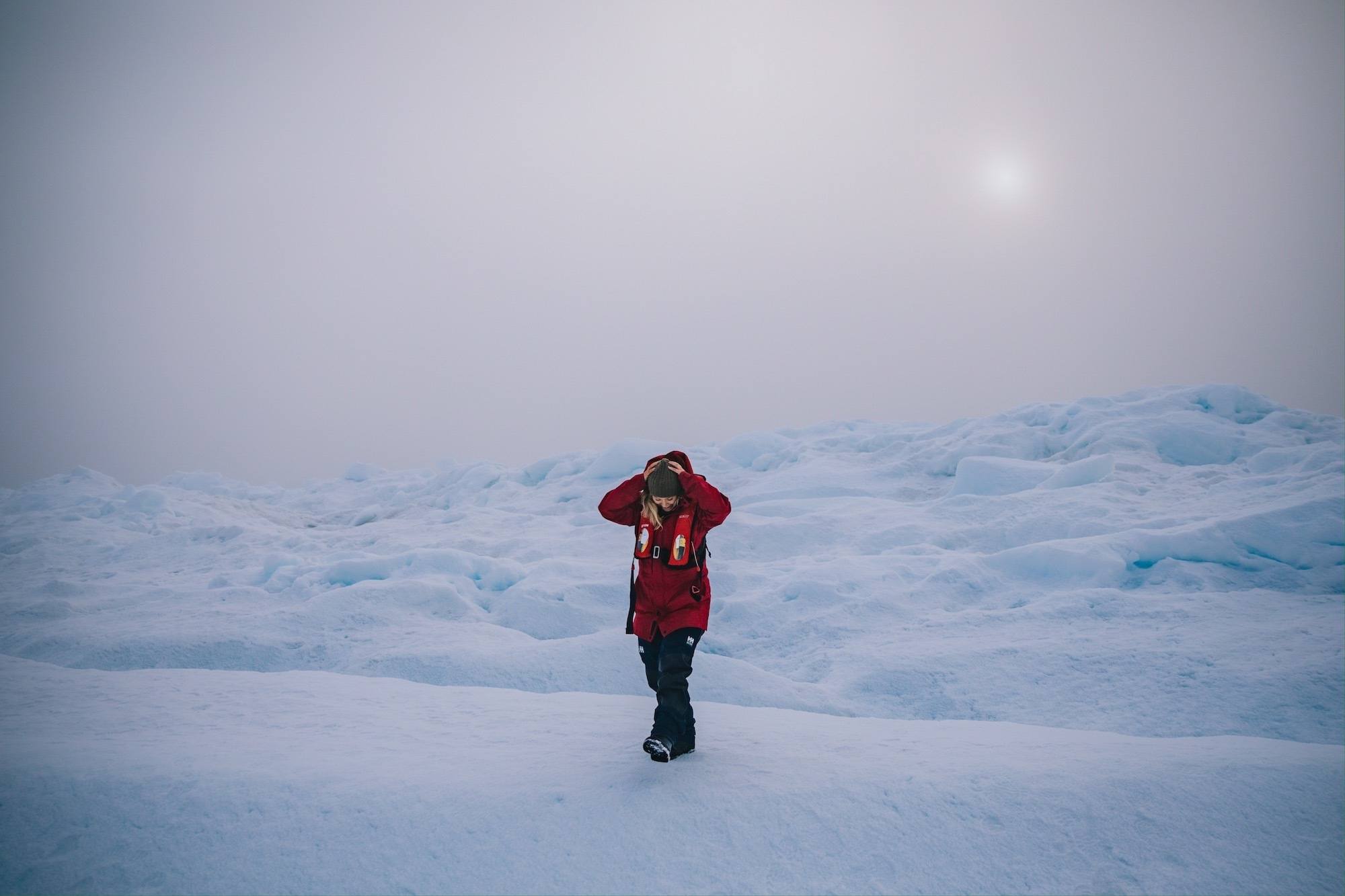
While the particulate concentration remained moderate upon reaching the eastern coast of Greenland, the atmospheric haze significantly altered optical conditions during solar transits. Crew members and passengers documented unusually prolonged, crimson-tinted sunrises and sunsets throughout July and August. Scientific analyses indicate that widespread boreal wildfire smoke introduces black carbon and particulate aerosols into the polar atmosphere, which can accelerate localized snow and ice melt upon deposition while simultaneously altering radiation budgets.
Sea Ice Mechanics and Navigation in the High North
Navigating high-latitude waters requires specialized vessel engineering and adherence to rigorous ice-class standards. The Ocean Endeavour operates with structural reinforcements designed to navigate through varying concentrations of sea ice, ranging from open pack ice to consolidated old ice.
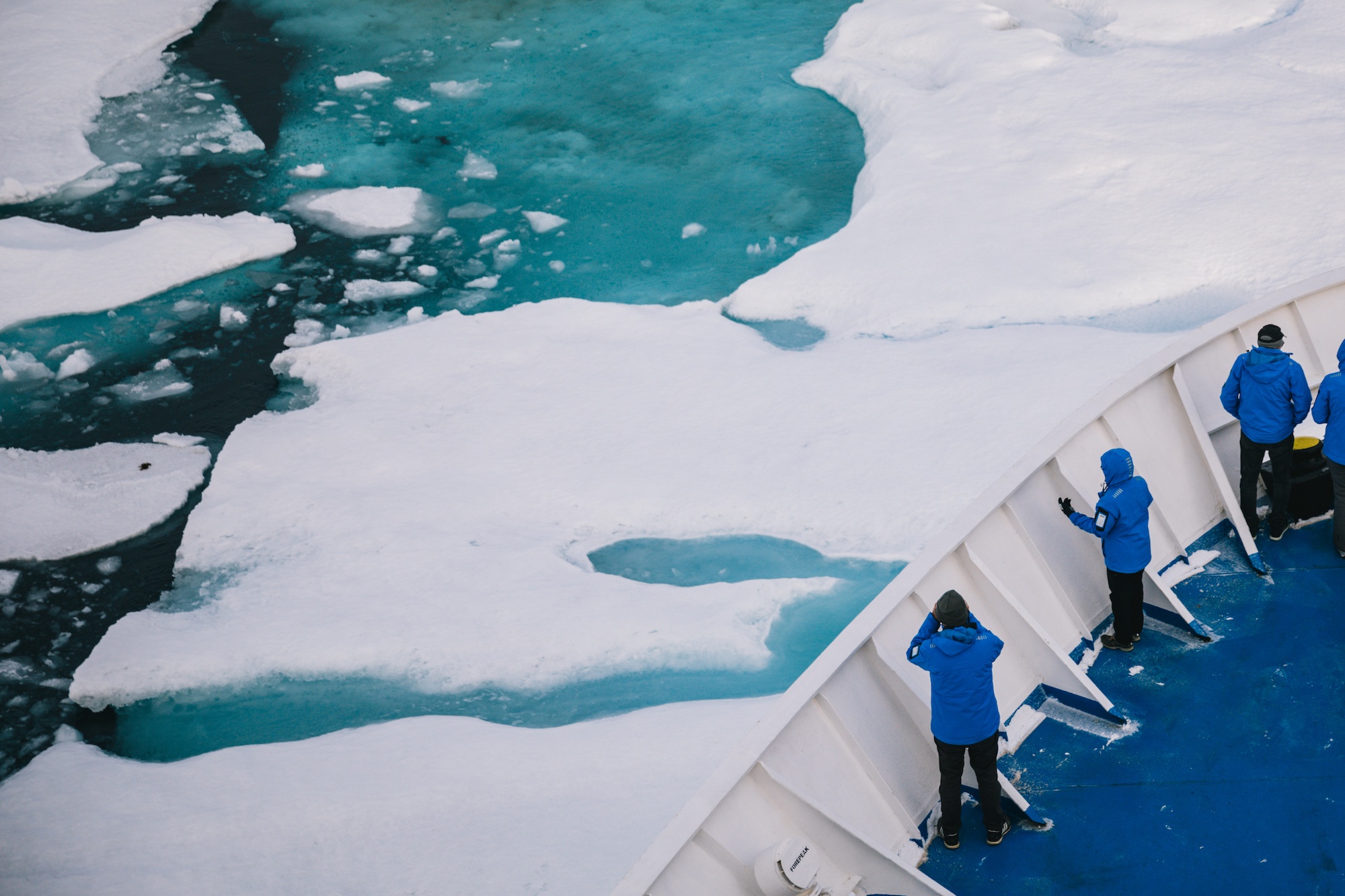
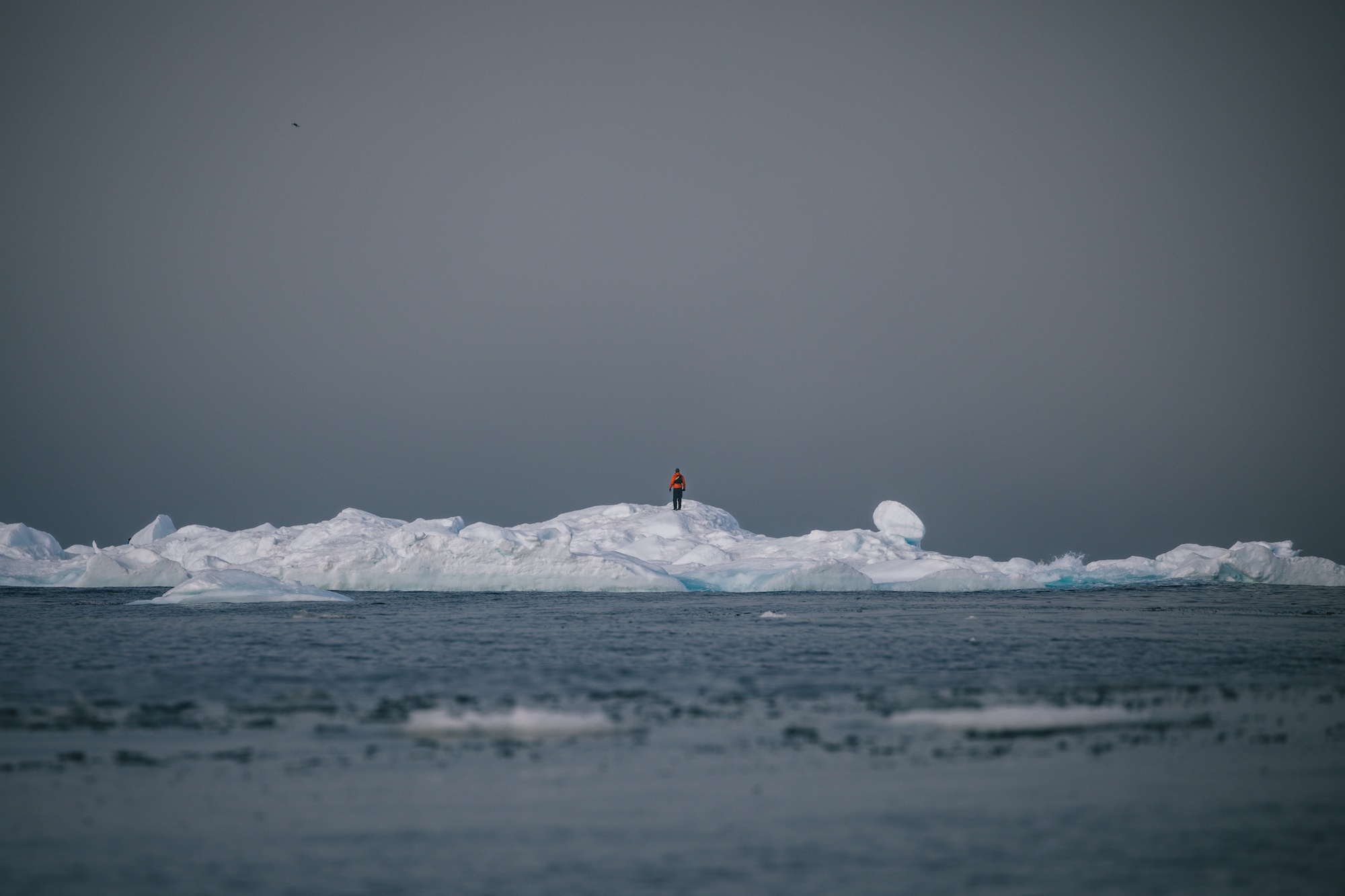
A distinct milestone achieved during the 2023 deployment was a controlled zodiac transfer onto multi-year sea ice within Baffin Bay. Historically, maritime safety protocols restrict personnel from disembarking onto floating ice platforms unless core samples and structural integrity assessments confirm the ice is sufficiently thick and stable. Navigating these frozen expanses allows expedition teams to observe ice typography, pressure ridges, and micro-ecosystems inhabiting brine channels within the ice matrix.
Socio-Cultural Collaborations and Special Guests
The integration of prominent cultural figures into expedition itineraries serves to enhance public discourse regarding conservation, literature, and northern identities. During the "In the Wake of the Vikings" voyage from Iceland to Greenland, Canadian author and conservationist Margaret Attwood participated as a guest lecturer. Attwood, a long-standing advocate for avian conservation and northern ecosystems, has utilized her experiences in the Northwest Passage to inform literary works, including the short story "Stone Mattress." The presence of such cultural figures fosters interdisciplinary engagement among passengers, bridging the gap between scientific research, historical context, and creative interpretation of the polar environment.
Implications for the Future of Polar Exploration
The operational successes and logistical challenges of the 2023 Arctic expedition underscore the evolving role of marine tourism in remote regions. As global interest in polar travel increases, the commercial sector faces heightened scrutiny regarding environmental stewardship, carbon footprints, and ecological disturbance. The implementation of strict wildlife viewing protocols, mandatory collaboration with Indigenous communities, and the utilization of low-emission operational practices are increasingly viewed as essential prerequisites for sustainable maritime tourism.
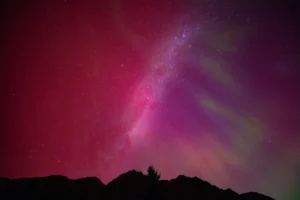
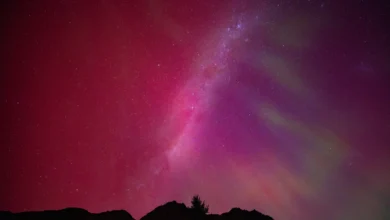
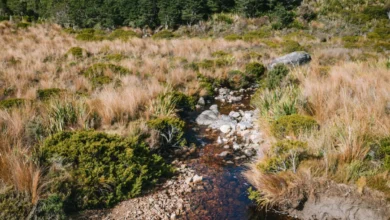
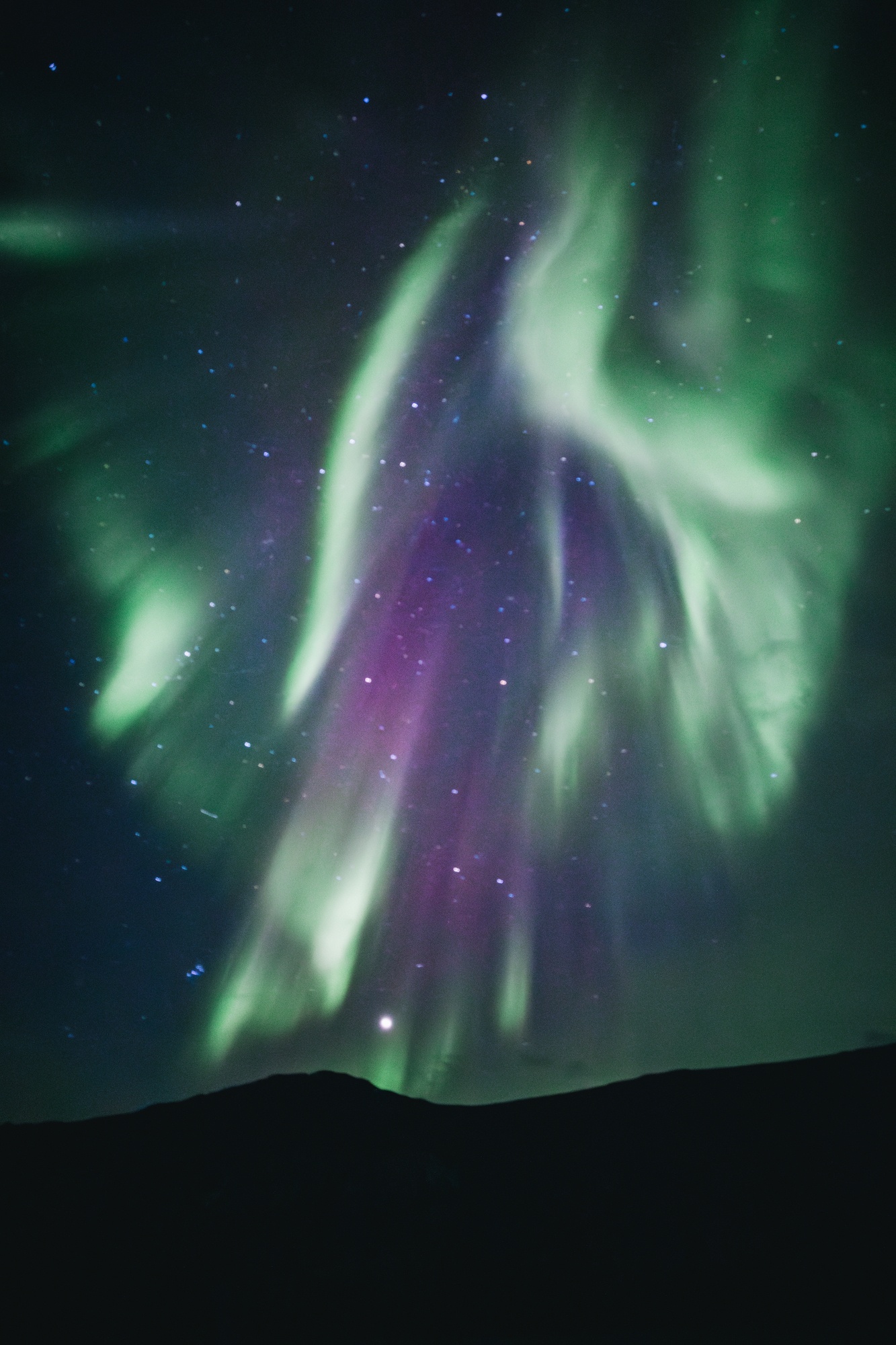
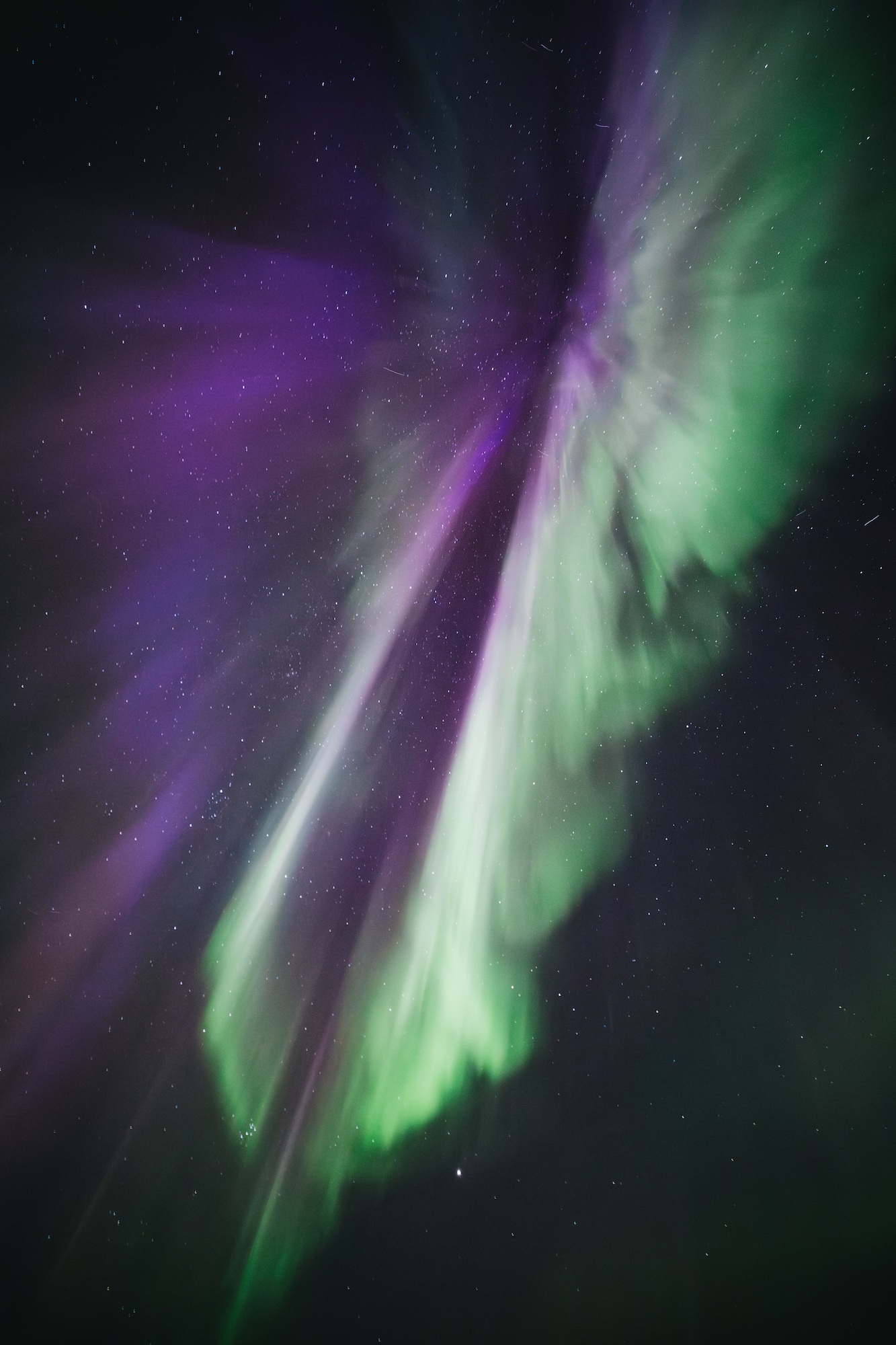
Furthermore, the data and visual media gathered by expedition personnel contribute to broader scientific archives monitoring environmental degradation, cryospheric changes, and wildlife distribution shifts. Documenting phenomena such as northern lights displays in western Greenland, shifting tundra flora during the early autumn transition, and the topographic grandeur of the Torngat Mountains provides both educational value and empirical records for ongoing polar research initiatives.