The Best Baby Sun Hats for Travel: A Comprehensive Guide to Infant Sun Safety and Protection

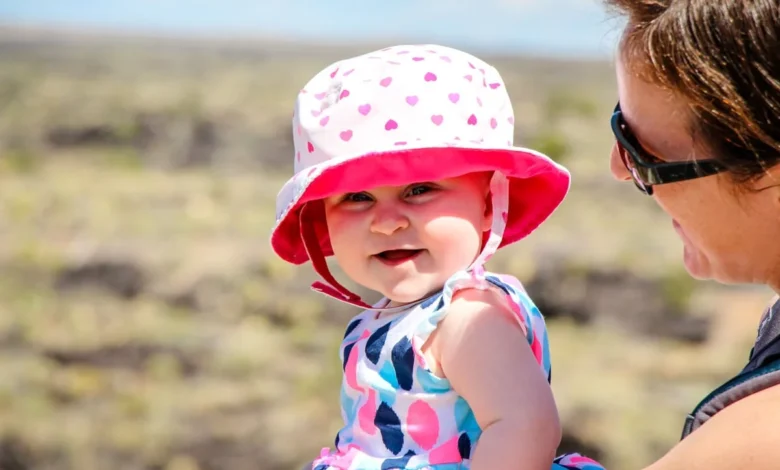
Protecting an infant’s delicate skin from ultraviolet (UV) radiation is a primary concern for parents navigating travel, outdoor recreation, and daily outings. Because infants under six months of age have underdeveloped melanin production and skin that is significantly thinner than that of adults, medical professionals and regulatory bodies, including the Food and Drug Administration (FDA) and the American Academy of Pediatrics (AAP), advise against the use of chemical sunscreens for this age group. Instead, the focus for sun safety in infancy remains on physical barriers, specifically shade and protective clothing, with the baby sun hat emerging as the most critical accessory in a parent’s safety arsenal.

The Clinical Basis for Physical Sun Protection
The physiological sensitivity of infant skin to solar radiation is well-documented by dermatology organizations. SkinCancer.org emphasizes that ultraviolet A (UVA) and ultraviolet B (UVB) rays can cause irreparable damage to an infant’s DNA, leading to increased risks of skin malignancy later in life. Unlike adults, whose skin has a higher density of pigment-producing cells, infants are highly susceptible to both sunburn and long-term cellular damage.
The FDA’s current guidelines for infant care are explicit: minimize direct exposure during peak sunlight hours, generally between 10:00 a.m. and 4:00 p.m., and utilize mechanical barriers when shade is unavailable. While strollers, beach tents, and baby-wearing carriers provide bulk protection, they do not offer 360-degree coverage for a mobile or curious infant. A properly designed sun hat serves as a vital secondary defense, shielding the face, ears, and neck—areas that are frequently exposed despite the use of canopy-style shading.
Essential Criteria for Selecting an Infant Sun Hat
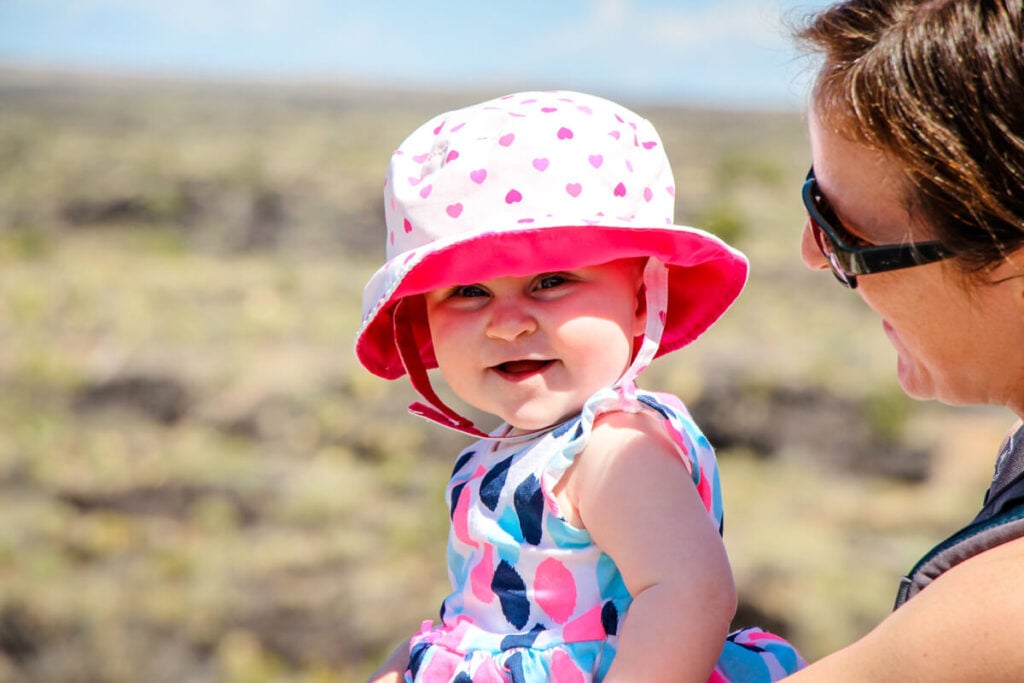
When evaluating the efficacy of a baby sun hat, parents should look beyond aesthetic appeal. A functional, safety-oriented hat must meet specific design standards to be effective in varied environments, from high-altitude hiking to coastal beach days.
- Brim Width and Geometry: The American Academy of Pediatrics suggests an all-around brim of at least three inches. This width provides consistent shade for the face and ears. When shopping, parents often find that product descriptions lack these specific measurements; however, a simple calculation of the hat’s total diameter minus the head opening, divided by two, provides a reliable estimate of the effective brim width.
- Neck Flaps and Coverage: For maximum protection, a rear neck flap is highly recommended. This fabric extension provides essential coverage for the nape of the neck, which is often neglected by standard baseball-style caps.
- Ultraviolet Protection Factor (UPF): A hat should ideally carry a UPF 50+ rating. This designation indicates that the fabric blocks approximately 98% of the sun’s harmful radiation. While any fabric provides some protection, high-performance, tightly woven, or specially treated fabrics are superior in high-UV environments.
- Securing Mechanisms and Safety: Adjustable chin straps are necessary to ensure the hat remains in place during windy conditions or when an infant is active. However, safety standards dictate that these straps should include a "breakaway" or "no-choke" fastener. This feature is critical, as it allows the strap to release if it becomes caught on an object, mitigating the risk of injury.
- Thermoregulation: Infants are unable to regulate their body temperature as efficiently as adults. Consequently, hats should be constructed from breathable, moisture-wicking materials. Mesh venting is a highly desirable feature that allows heat to escape from the crown of the head, reducing the risk of overheating.
- Maintenance and Portability: Travel-ready gear must be durable and easy to maintain. Machine-washable fabrics are preferred, as outdoor activities often lead to sweat, dirt, and exposure to salt or chlorinated water. Furthermore, the design should allow for flat packing or rolling, ensuring it does not take up excessive space in a diaper bag or carry-on.
Market Leaders and Comparative Analysis
The current marketplace for infant sun protection has evolved to include several specialized designs that balance safety with the practicalities of travel.

The Jan & Jul Gro-With-Me Adventure Hat is frequently cited for its longevity. Its adjustable head and chin toggles allow the hat to grow with the child, serving as a multi-year investment. The wide-brim design combined with UPF 50+ fabric makes it a versatile choice for diverse climates.
For families focused on aquatic activities, the SwimZip Wide Brim Sun Hat provides an alternative optimized for water. The materials are specifically chosen for their quick-dry properties, preventing the discomfort associated with a water-logged, heavy hat. The addition of vents also aids in cooling, which is essential for children playing in high-temperature pool environments.
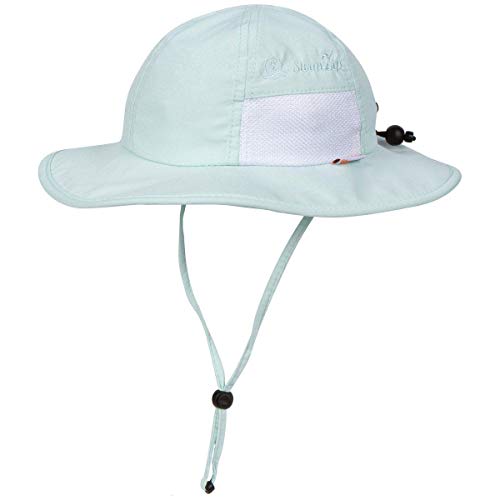
The green sprouts Flap Sun Protection Hat remains a industry standard for neck coverage. By prioritizing a long, protective flap at the back, it offers superior protection for the neck and shoulders. The lightweight, moisture-wicking liner is particularly effective for infants who are prone to sweating during stroller naps.
For infants in the 0–12 month range, the Sunday Afternoons Infant SunSprout Hat is designed with the unique needs of non-walking infants in mind. Its lack of a back brim makes it compatible with stroller headrests, while the wide front brim and long neck cape ensure the face and neck remain shaded. Its focus on lightweight, Bluesign-certified fabrics makes it a preferred choice for environmentally conscious, travel-focused parents.

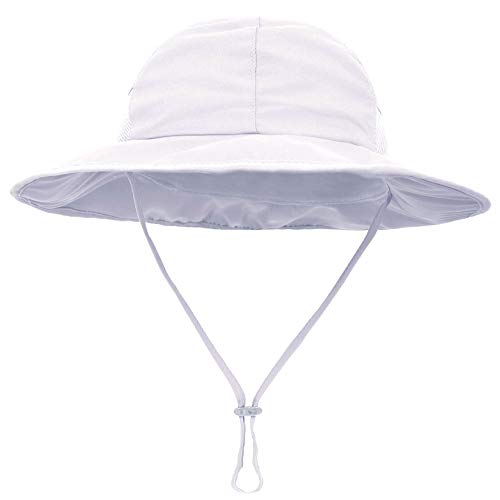
Finally, the SimpliKids Wide Brim Baby Sun Hat offers a balance of affordability and performance. With essential features such as UPF 50+ fabric and adjustable straps, it provides a reliable option for families seeking high-quality protection without the premium price point of specialized outdoor brands.
Broader Implications of Sun Safety Education
The emphasis on sun hats for infants is part of a larger public health initiative to reduce the lifetime incidence of skin cancer. Research consistently shows that a significant portion of an individual’s lifetime UV exposure occurs during the first 18 years of life. By establishing sun-safe habits—such as the consistent use of hats and protective clothing—parents can significantly alter their child’s long-term health trajectory.

Furthermore, the integration of these accessories into travel routines reflects a broader trend toward "sun-safe tourism." As families increasingly prioritize outdoor, nature-based travel, the demand for high-performance gear that is both portable and functional has surged. Manufacturers have responded by creating more sophisticated, foldable, and durable products that cater to the logistical challenges of modern travel.
Expert Recommendations for Implementation
When integrating these tools into a family’s travel itinerary, experts recommend a multi-layered approach:
- Pre-Trip Sizing: Always measure the child’s head circumference before purchasing. Relying on age-based sizing can be misleading, as head growth rates vary significantly between infants.
- Routine Habit Formation: Treat the sun hat as an essential component of "getting dressed," similar to putting on shoes. If an infant is acclimated to the hat early, they are less likely to resist it during travel.
- Redundancy: When traveling, pack at least two sun hats. Given the high probability of items being misplaced during transit or lost at busy tourist sites, having a backup ensures that the child is never left without protection.
- Strategic Monitoring: Even with the best gear, parents must remain vigilant. A hat is not a substitute for active supervision. During peak UV hours, ensure the infant is not showing signs of heat distress, such as flushed skin, rapid breathing, or unusual lethargy.
Conclusion
The selection of a high-quality sun hat for an infant is a critical, evidence-based decision that directly impacts the child’s safety and well-being. By focusing on essential features like brim width, UV-blocking capabilities, breakaway safety straps, and breathability, parents can provide their children with the necessary protection against the elements. As the market continues to innovate, the availability of specialized, travel-friendly sun hats has made it easier than ever for families to explore the world safely, ensuring that early life experiences are marked by adventure rather than preventable sun exposure. Ultimately, the best sun hat is one that provides adequate, consistent coverage while remaining comfortable enough for the infant to wear, serving as a foundational element in a lifelong commitment to skin health.
Related posts: