For families planning a vacation, the quality of a resort’s aquatic amenities often dictates the overall success of the trip. A well-designed pool complex serves as the central hub for recreation, offering a respite from travel fatigue while providing a controlled environment for children to engage in physical activity. As the travel industry shifts toward more immersive, destination-style resort experiences, the standard for what constitutes a "kid-friendly" pool has evolved from basic rectangular basins to complex water parks featuring advanced engineering, such as lazy rivers, multi-level water slides, and interactive splash zones.
The Evolution of Resort Aquatic Design
The integration of water parks into the hospitality sector represents a strategic shift in resort management. Industry data suggests that properties featuring expansive water amenities see a measurable increase in guest retention and average length of stay. This trend is particularly evident in regions like Hawaii, Florida, and the American Southwest, where year-round climate conditions allow for sustained operation of outdoor water features. The engineering behind these pools is significant, often involving millions of gallons of water, advanced filtration systems, and sophisticated safety mechanisms such as water elevators and zero-entry accessibility, which cater to diverse age groups ranging from toddlers to teenagers.
Landmark Aquatic Resorts in the United States
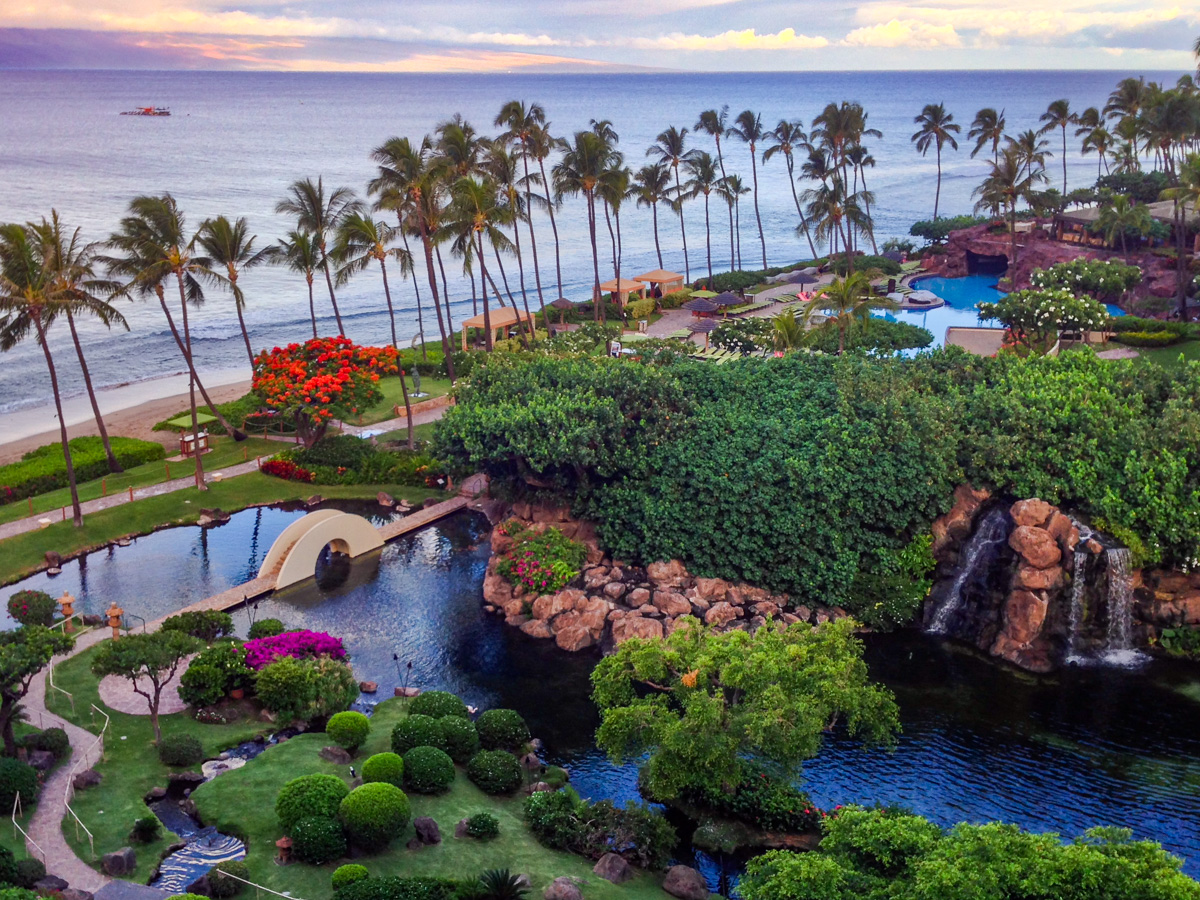
Grand Wailea, A Waldorf Astoria Resort (Maui, Hawaii)
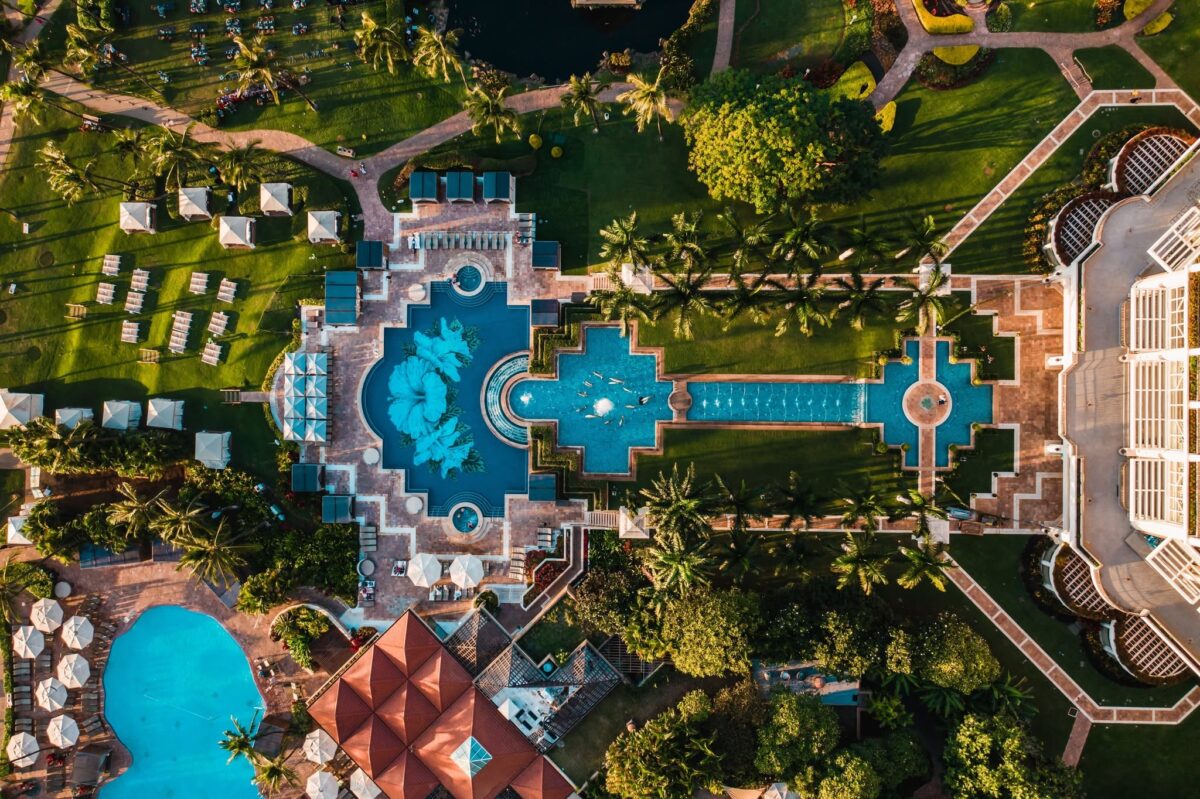
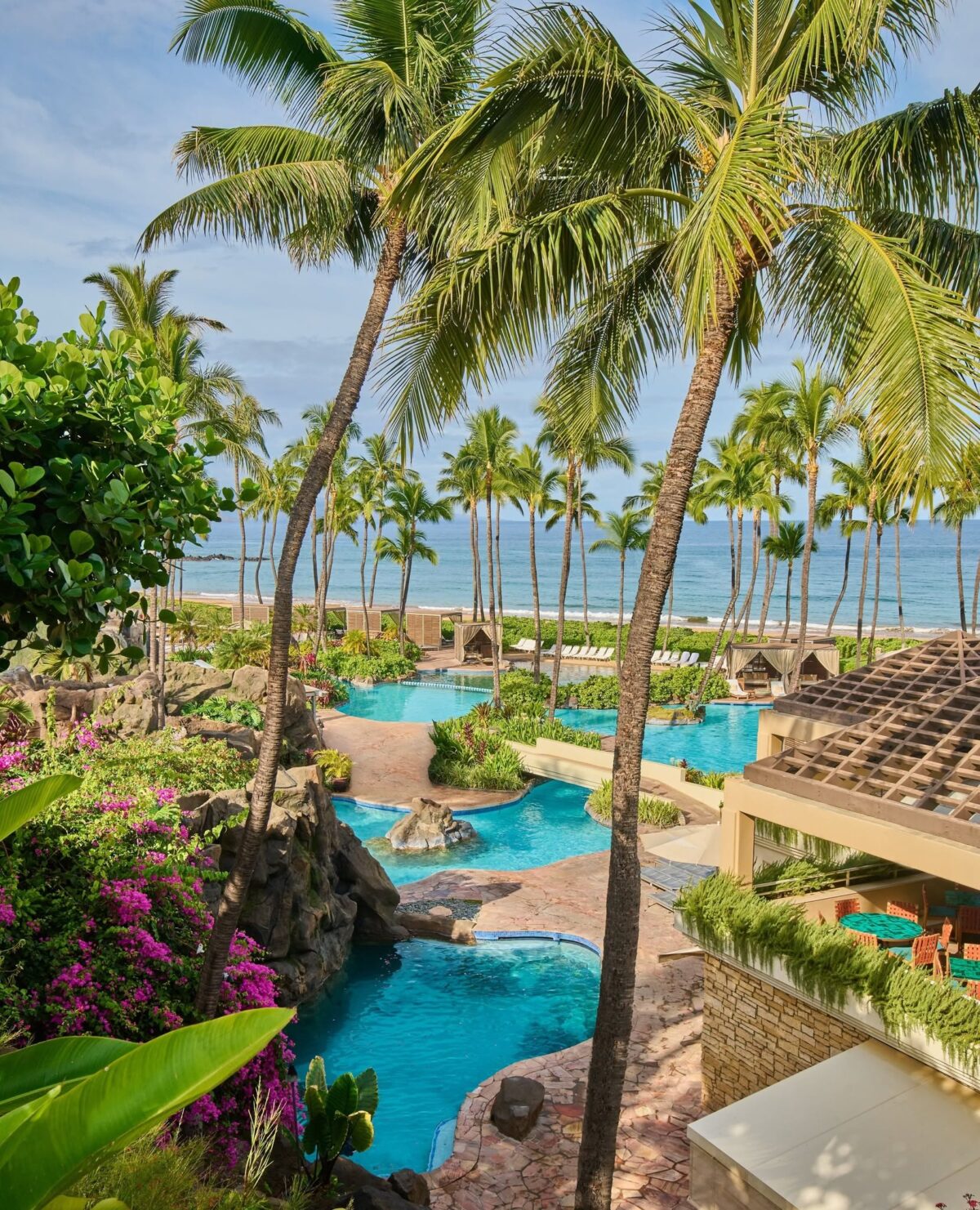
The Wailea Canyon Activity Pool stands as a benchmark in resort design, encompassing 770,000 gallons of water across a six-level, nine-pool complex. The facility is notable for being the first to implement a water elevator, a mechanical innovation that facilitates movement between pool elevations. The resort’s infrastructure includes seven waterslides, the most prominent being the Outdoor Lava Tube, which reaches speeds of 22 miles per hour. This level of investment highlights the importance of unique "signature features" in maintaining a luxury resort’s competitive edge in the Pacific market.
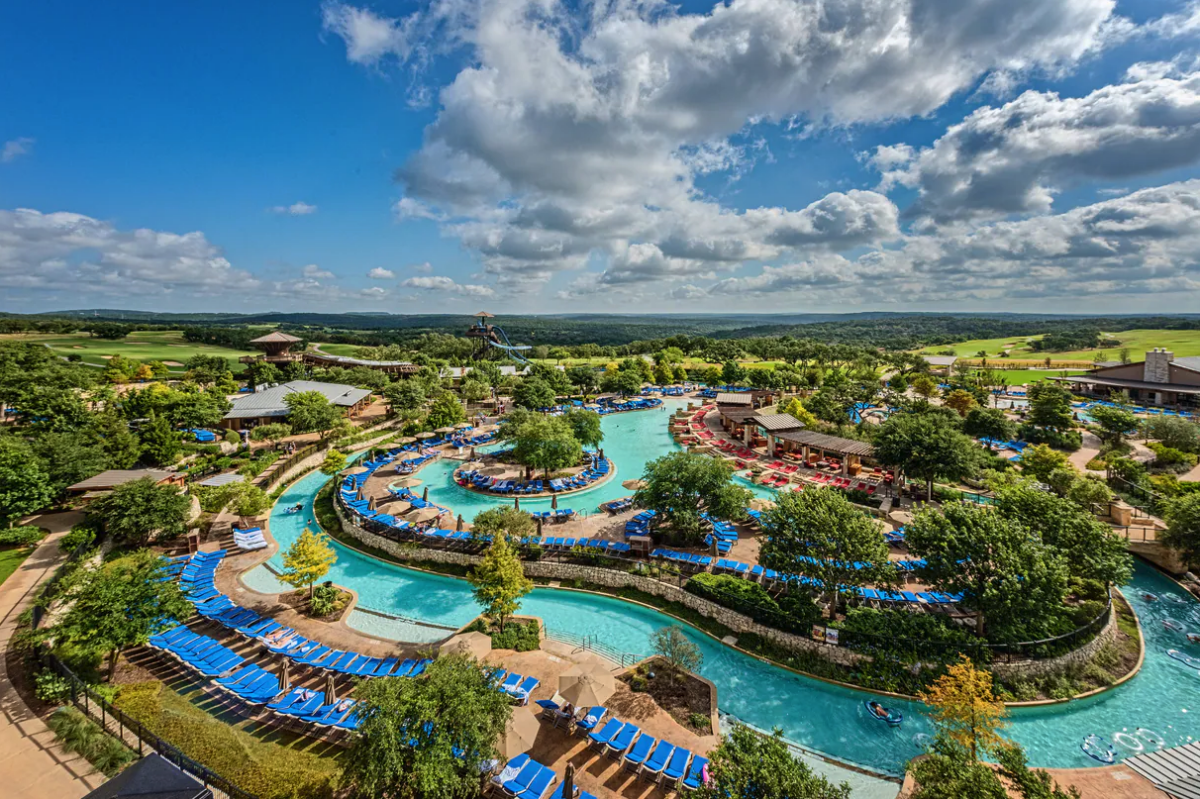
JW Marriott San Antonio Hill Country Resort & Spa (San Antonio, Texas)
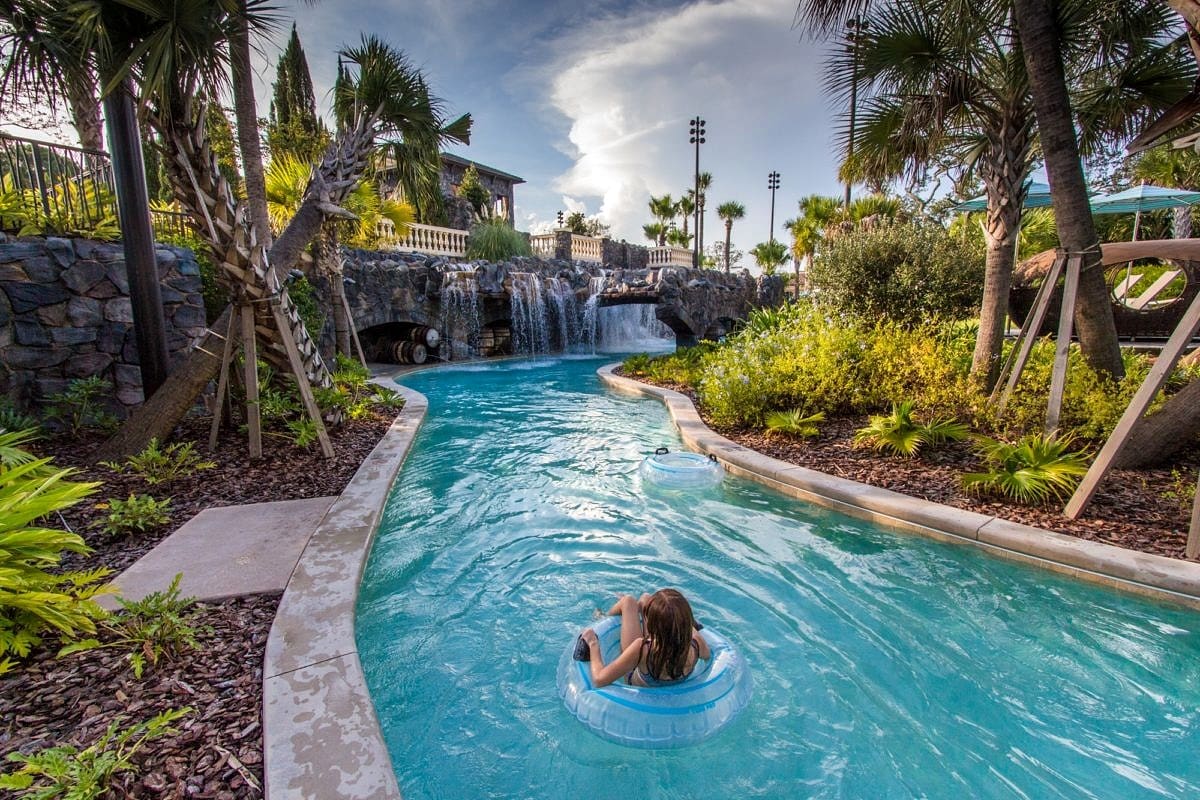
The River Bluff Water Experience demonstrates the integration of natural topography with modern recreational facilities. Spanning six acres, this complex features an 1,100-foot lazy river that utilizes natural stone masonry. The inclusion of interactive water cannons and multiple high-speed slides serves a dual purpose: providing entertainment while managing guest density across a large physical footprint.
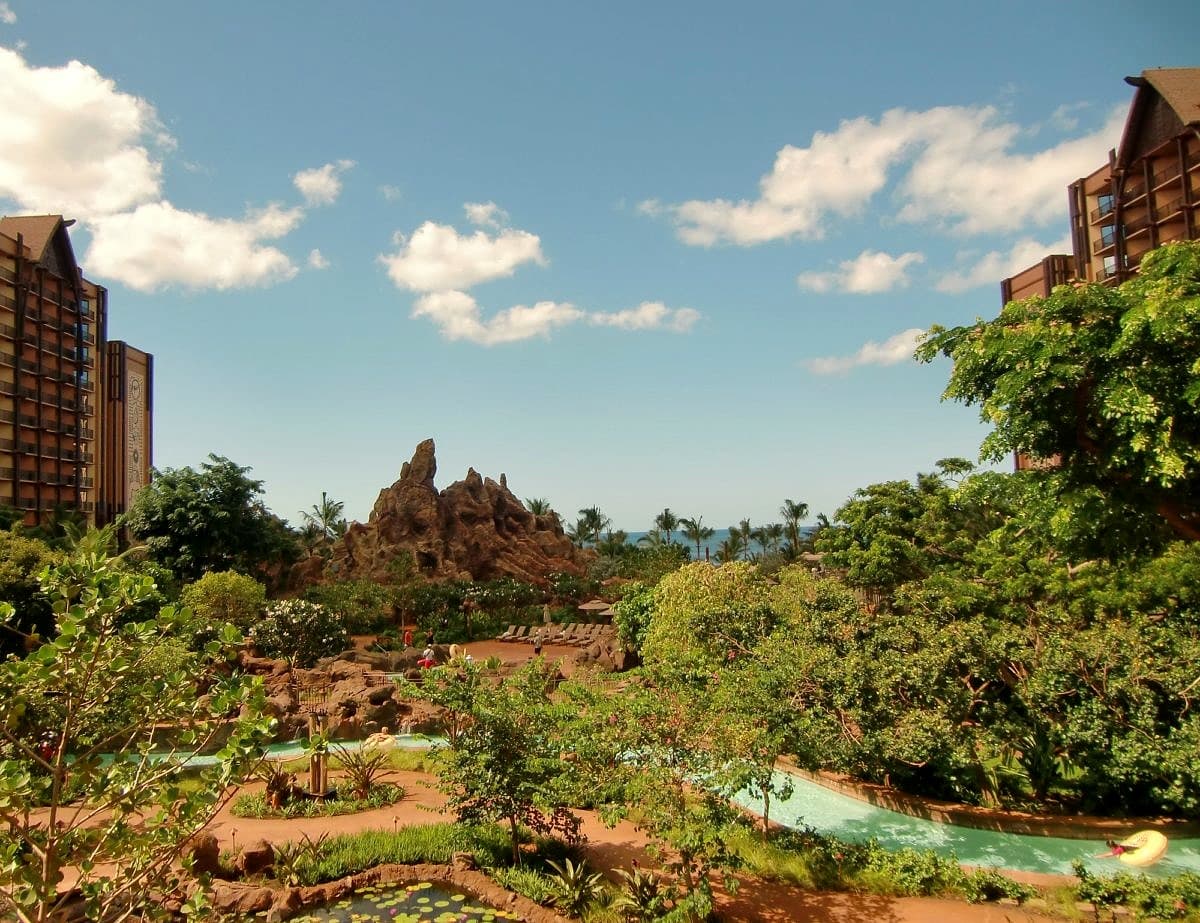
Aulani, A Disney Resort & Spa (Oahu, Hawaii)
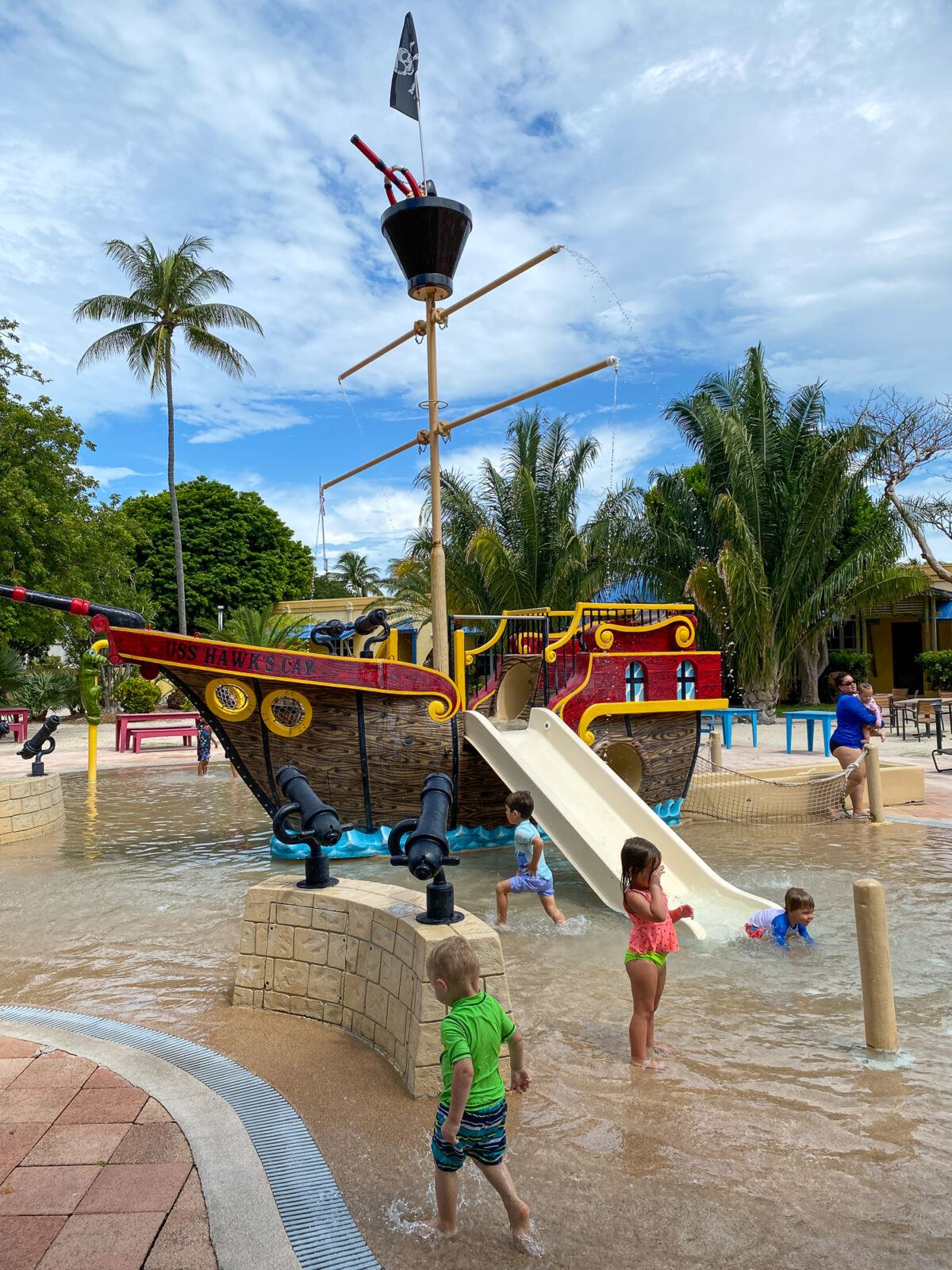
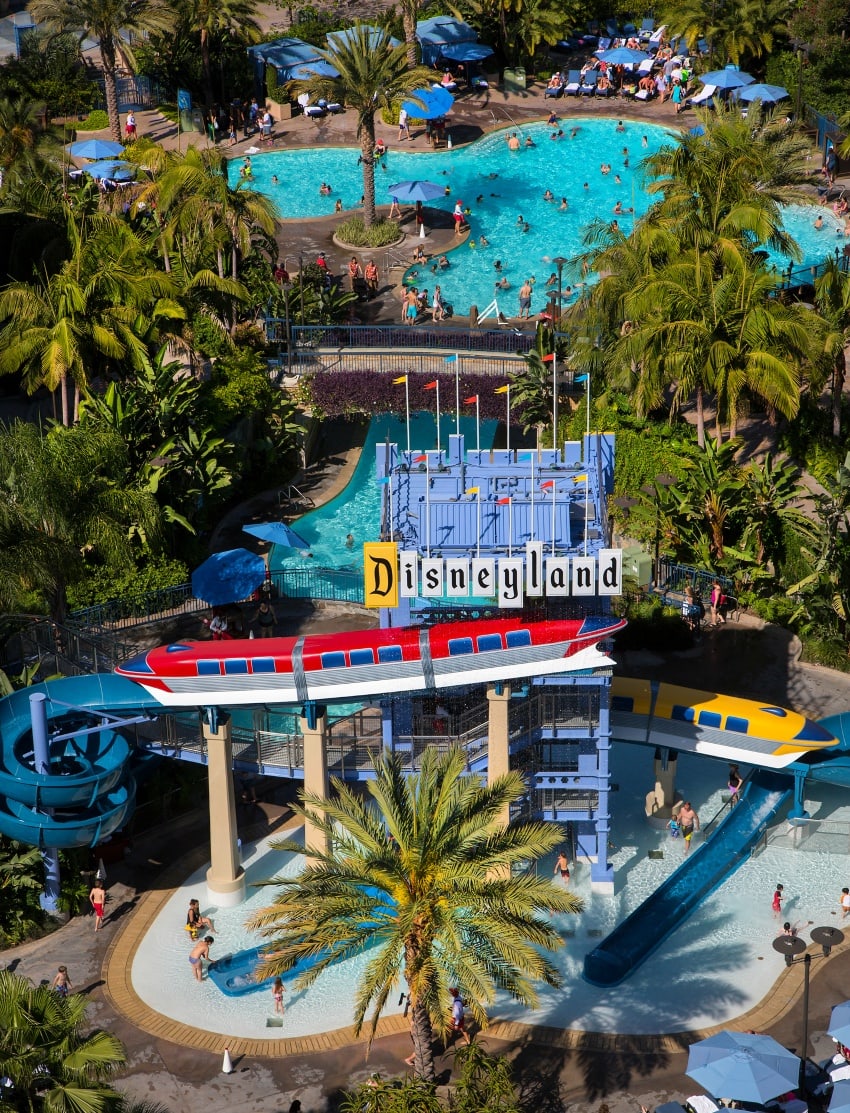
Developed by Disney, Aulani focuses on thematic immersion through the Waikolohe Valley. The resort employs a high-touch approach to water play, balancing high-energy features like the Waikolohe Stream with educational aspects, such as the Keiki Cove Splash Zone. The design philosophy here emphasizes safety through zero-entry accessibility, allowing younger children to acclimate to water in a controlled manner.
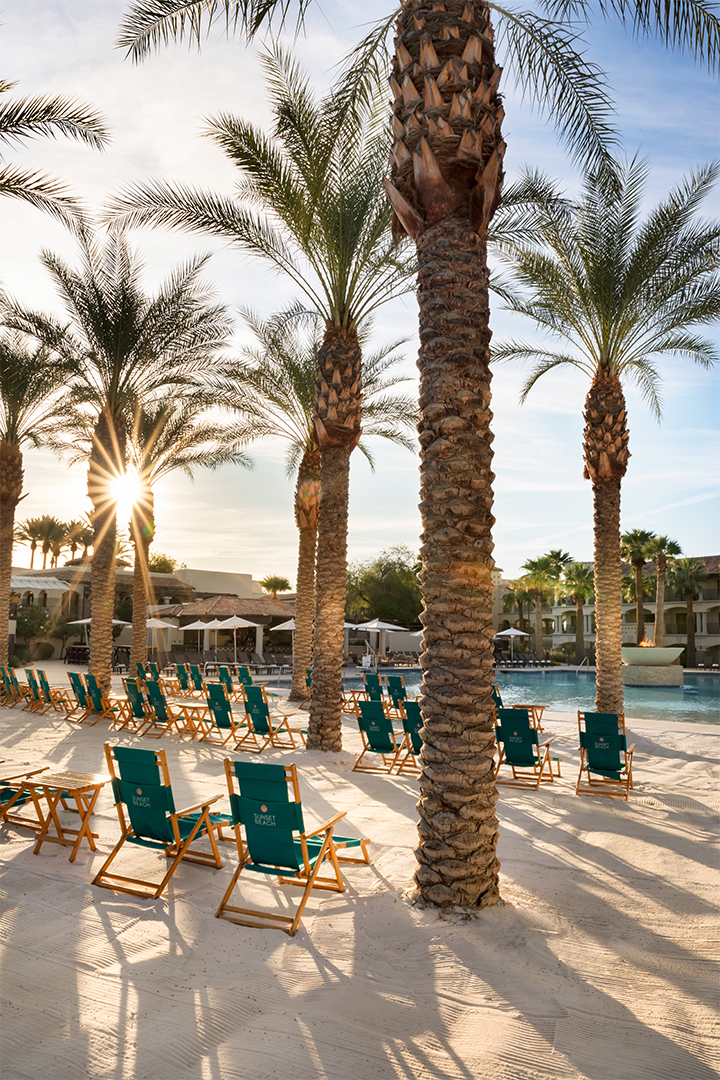
Fairmont Scottsdale Princess (Scottsdale, Arizona)
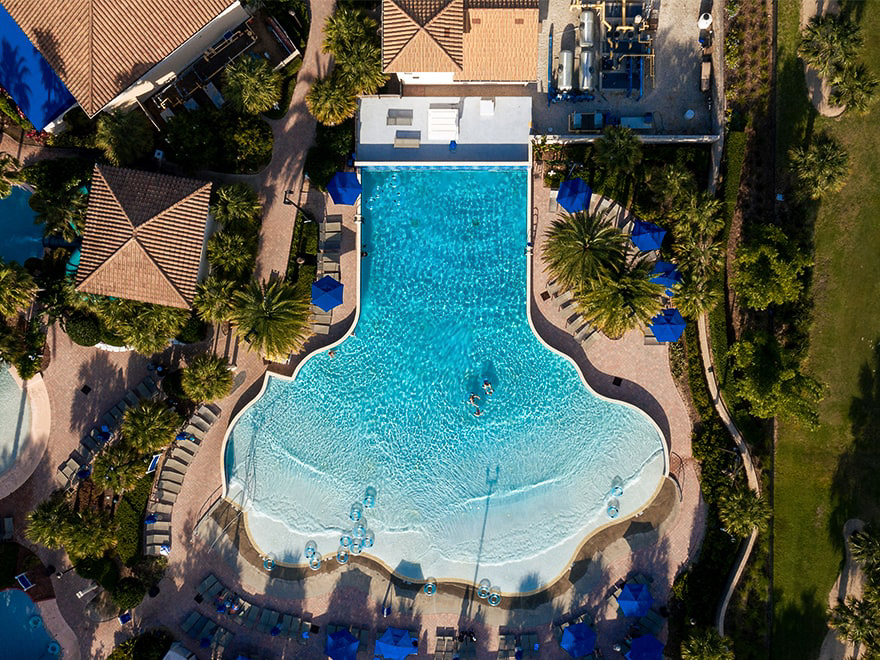
In the arid climate of the Sonoran Desert, the Fairmont Scottsdale Princess has invested in a "beach" concept, utilizing 9,000 square feet of sand to simulate a coastal environment. By maintaining heated pools year-round, the property mitigates the seasonal fluctuations inherent in the desert tourism market. The facility also utilizes the pool area for evening programming, such as dive-in movies, which serves as a model for maximizing property utilization after dark.
Strategic Infrastructure and Safety Standards
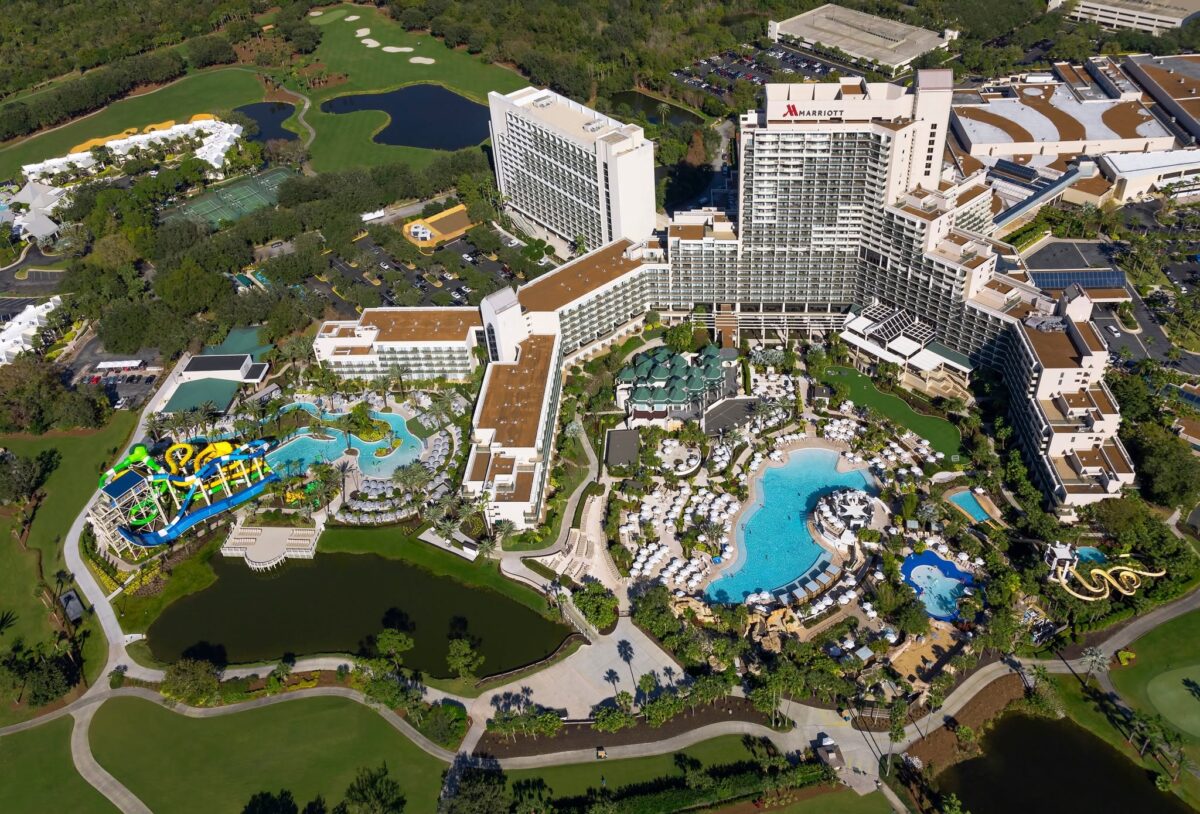
The management of these large-scale water complexes requires adherence to rigorous safety standards. For instance, the Orlando World Center Marriott, one of the largest Marriott properties globally, utilizes its River Falls Waterpark as a primary draw. The logistical challenge of maintaining seven slides and a 575-foot lazy river necessitates a high ratio of lifeguards and maintenance staff.
From an operational standpoint, the industry has seen a rise in "day pass" models. Resorts like the Hilton Waikoloa Village and others permit local residents and guests from nearby sister properties to access their pool complexes for a fee. This business model allows properties to monetize their aquatic assets during periods of lower occupancy while ensuring the infrastructure remains economically viable.
Regional Variations and Climatic Adaptations
The geographic diversity of these resorts necessitates different engineering approaches:
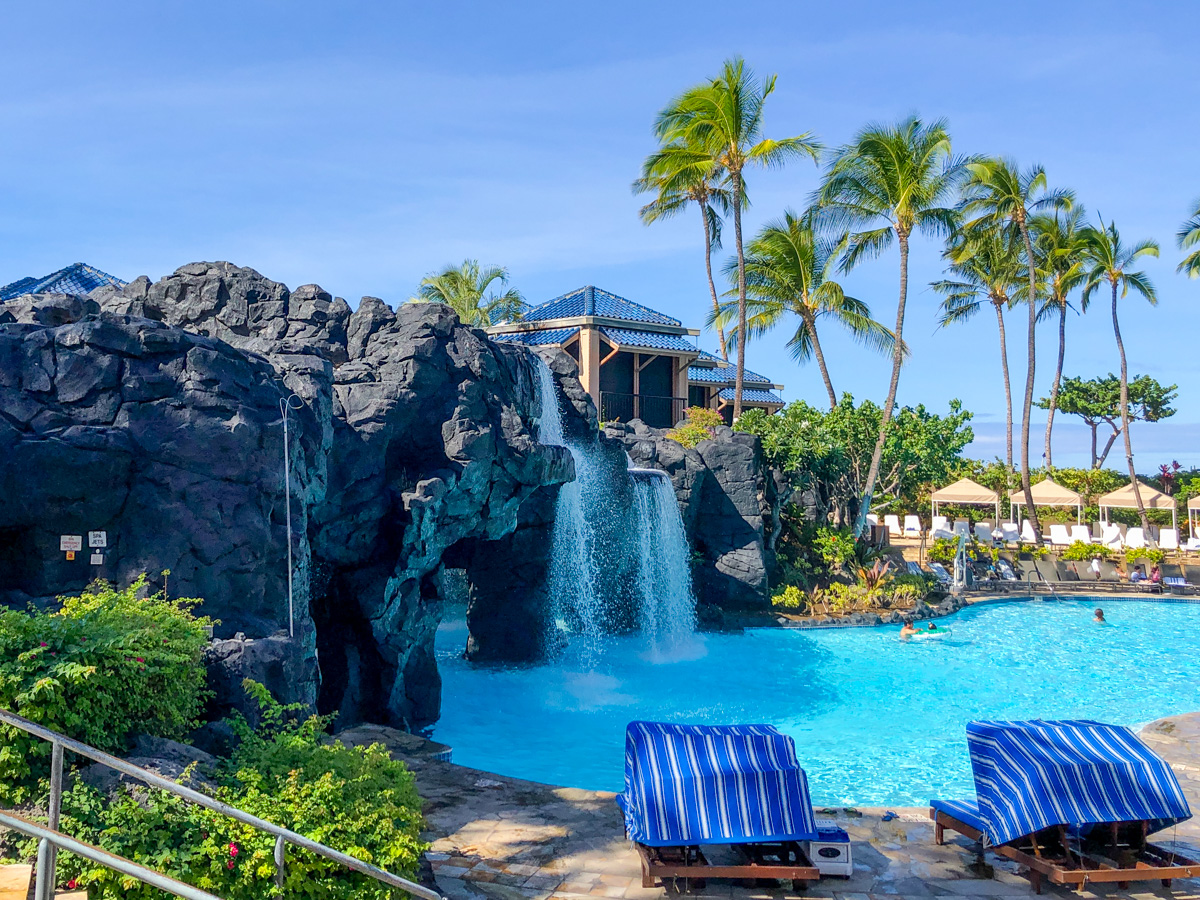
- Tropical Regions (Hawaii/Florida): Emphasis is placed on integrating natural landscapes, such as volcanic rock formations or man-made saltwater lagoons, to provide an authentic experience.
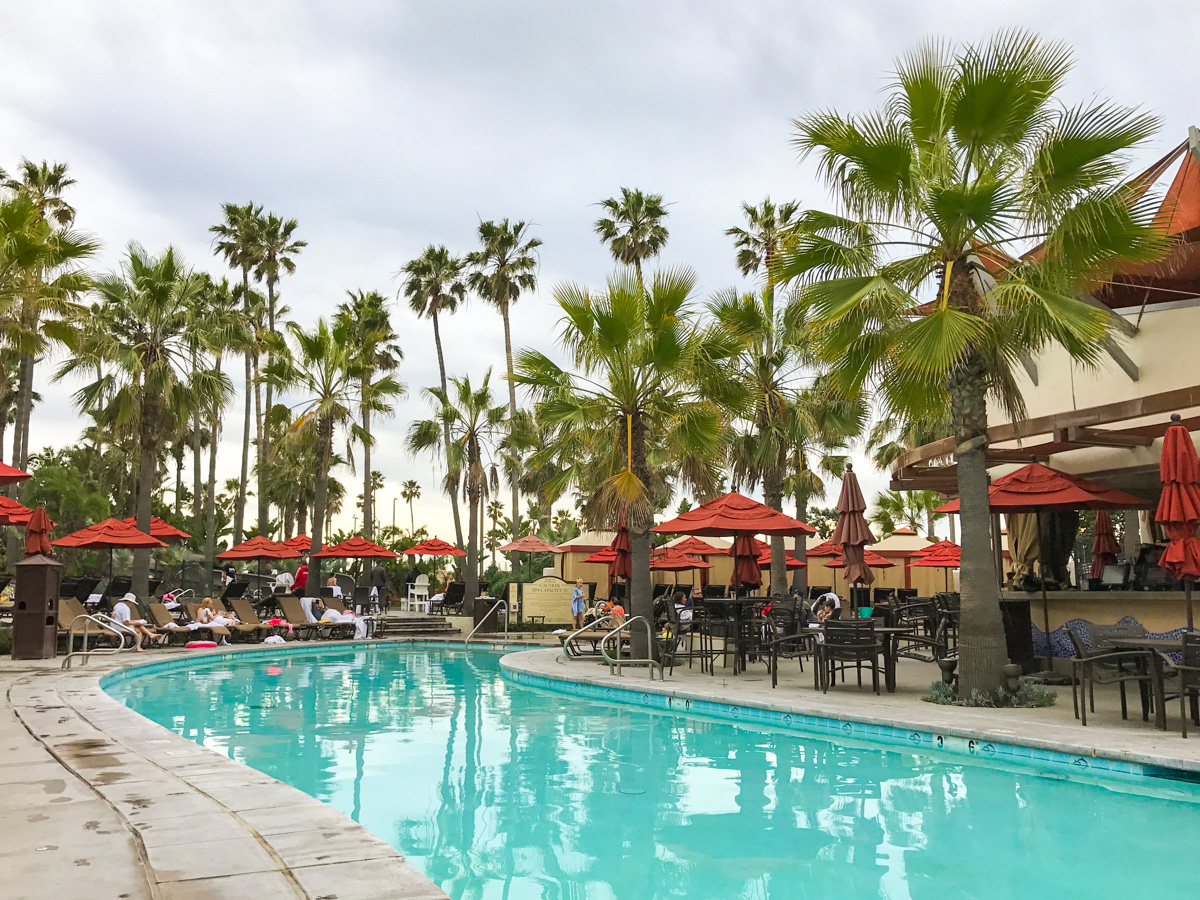
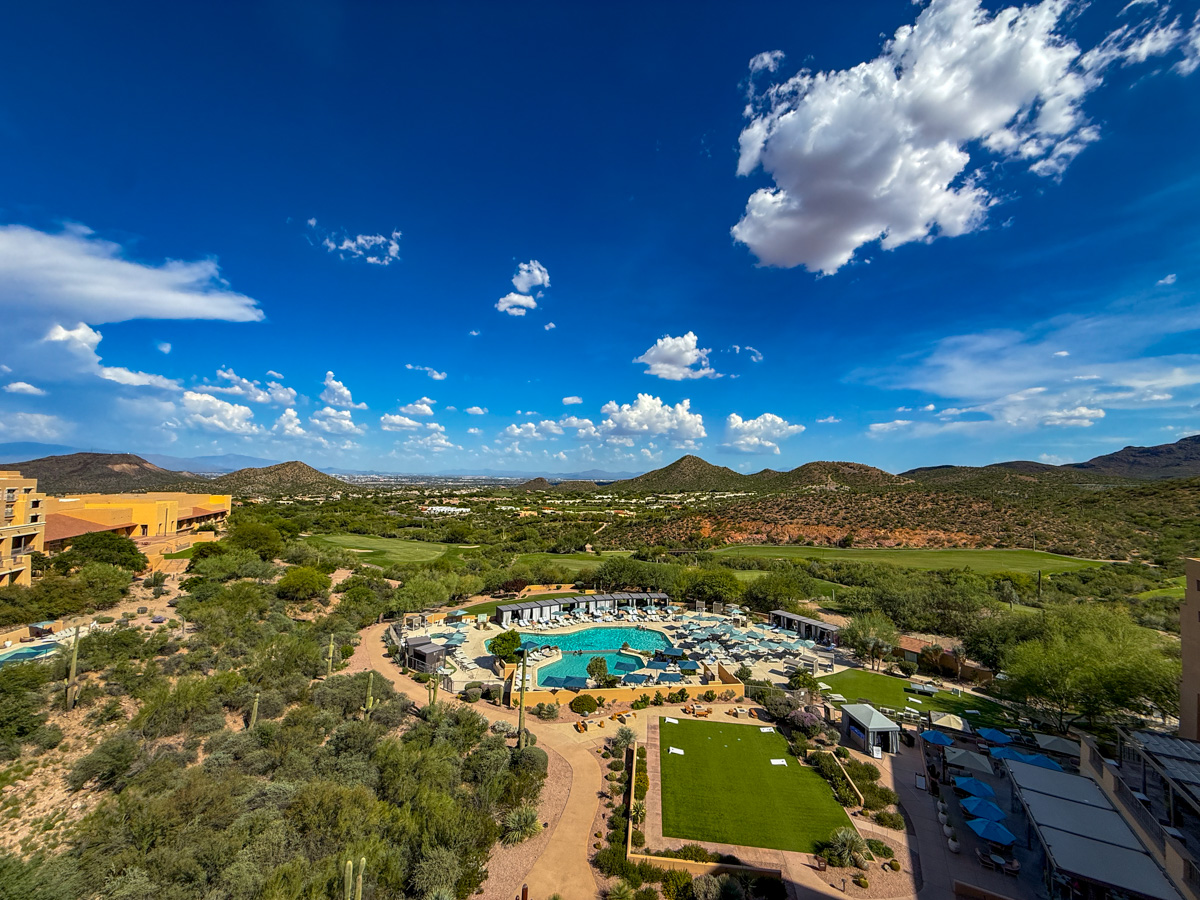
- Desert Regions (Arizona/California): The focus is on climate control—utilizing shade structures, misting systems, and robust heating systems to maintain comfort during extreme heat or cooler evenings.
- Mountain/Northern Regions (Idaho/New York/Wisconsin): Properties like The Kartrite Resort (New York) and Great Wolf Lodge (Wisconsin) utilize transparent roof structures. This allows for the "indoor water park" experience, which is essential for maintaining tourism revenue in regions with long, harsh winters.
The Role of Technology in Guest Experience
Modern resorts are increasingly leveraging technology to enhance the poolside experience. This includes digital reservation systems for cabanas, which provide a dedicated space for families and serve as a significant revenue stream for the resort. Furthermore, many of these resorts have implemented "dive-in" technology—integrating high-definition screens and advanced audio systems directly into the pool environment to facilitate movies and live performances.
Economic and Operational Implications
For the average family, the decision to book a resort with these amenities is often a calculation of value versus cost. While rooms at these high-tier resorts command a premium, the "all-in-one" nature of the property can reduce secondary travel expenses, such as the cost of visiting off-site theme parks or water parks.
The maintenance of these facilities is a critical operational expenditure. Water quality monitoring, pump station management, and deck surface safety are all subject to strict state and local health department regulations. Any failure in these areas poses significant reputational and legal risks to the hospitality provider. Consequently, the resorts that remain on the "best of" lists are those that consistently prioritize infrastructure investment alongside guest service.
Future Trends in Resort Aquatic Development
As the travel industry continues to recover and expand, the next generation of resort pools is expected to focus on sustainability. This includes the use of solar-powered heating, advanced water recycling systems to minimize waste, and sustainable landscaping that requires less water while maintaining the aesthetic appeal of a tropical or desert oasis.
Furthermore, there is a growing demand for "inclusive" design. Future developments are likely to see more features specifically designed for children with sensory processing disorders or mobility limitations, ensuring that the water play experience is accessible to all guests regardless of physical or cognitive ability.
Conclusion
The landscape of family-friendly resort pools in the United States has transitioned from a simple amenity to a core component of the vacation product. Whether it is the vast, multi-level complexes of Hawaii or the innovative indoor water parks of the Northeast, these properties provide a vital service to families. By combining sophisticated engineering, rigorous safety protocols, and a deep understanding of guest behavior, these resorts continue to set the standard for the modern American family vacation. As these properties evolve, they will likely remain a focal point for the hospitality industry, reflecting broader trends in guest expectations and the ongoing pursuit of providing a seamless, memorable, and safe recreational environment.