Strategic Financial Management for International Travel The Role of Fee-Free Debit Solutions and Global ATM Access

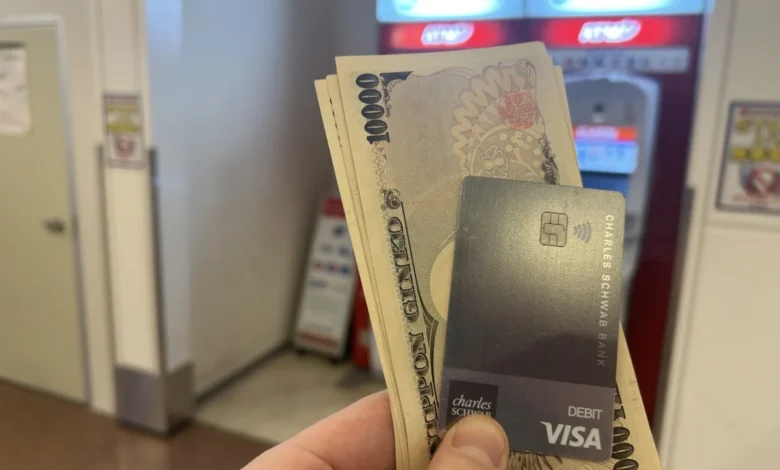
The landscape of international tourism has undergone a significant transformation over the last decade, shifting from a cash-heavy reliance on physical currency exchange bureaus to a digital-first approach. Despite this evolution, the financial burden of accessing one’s own funds while abroad remains a primary concern for the modern traveler. Traditional banking institutions frequently levy a series of charges, including out-of-network ATM fees, foreign transaction fees, and unfavorable currency conversion spreads. In response to these systemic costs, financial analysts and travel experts point to specialized products, such as the Schwab Bank Investor Checking account and its associated Visa Platinum Debit Card, as essential tools for mitigating the overhead of global mobility.
The Economics of International Cash Access
For decades, the standard procedure for international travelers involved visiting a currency exchange kiosk, often located in high-traffic areas like international airports. However, data from consumer advocacy groups consistently shows that these kiosks provide some of the least favorable exchange rates available to the public. These entities typically operate on a "spread" model, where the rate offered to the consumer is significantly lower than the mid-market or "interbank" rate—the price at which banks trade currency among themselves. In many instances, the hidden cost of these transactions can range from 5% to 15% of the total value being exchanged.
The alternative—withdrawing cash from a local ATM—has long been considered the more efficient route, as it typically utilizes the real-time exchange rates provided by major payment networks like Visa or Mastercard. However, this method introduces its own set of "junk fees." Most domestic banks charge a flat fee for using an ATM outside of their proprietary network, often ranging from $2.00 to $5.00 per transaction, plus a percentage-based foreign transaction fee, usually around 3%. Furthermore, the operator of the foreign ATM often adds a surcharge of their own. For a traveler making multiple small withdrawals to avoid carrying large sums of cash, these fees can cumulatively represent a substantial portion of their travel budget.
Technical Specifications of the Schwab Bank Investor Checking Account
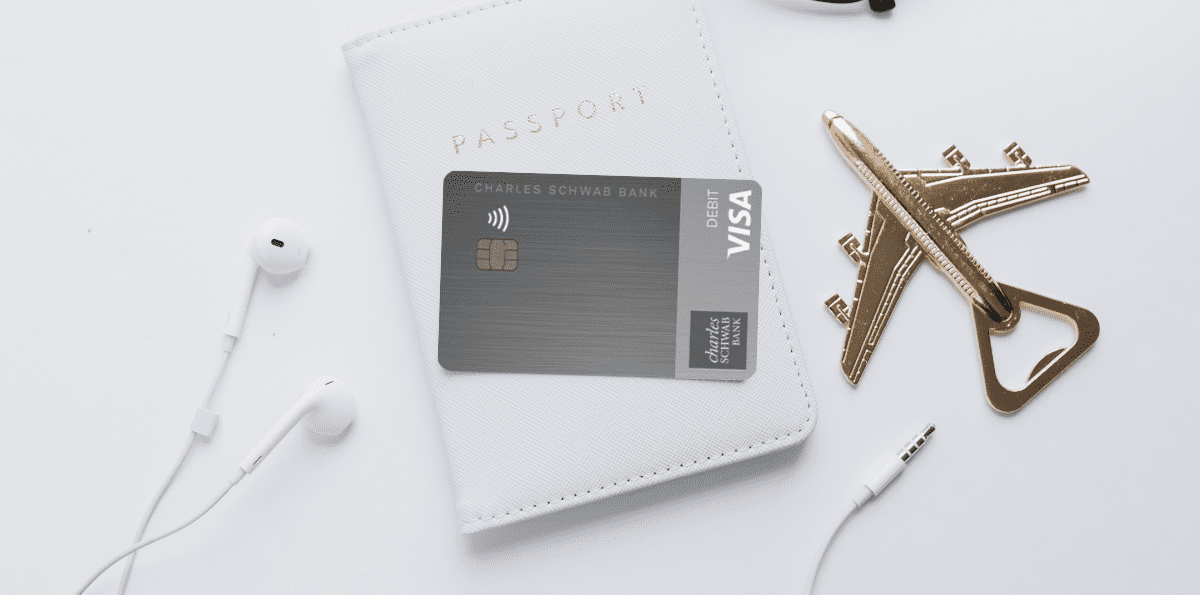
The Schwab Bank Visa Platinum Debit Card has emerged as a disruptive force in this sector due to its unique fee-reimbursement structure. Unlike standard checking accounts, the Schwab Bank Investor Checking account offers unlimited reimbursement for ATM fees incurred anywhere in the world. This mechanism functions by tracking all surcharges applied by third-party ATM operators throughout a calendar month and issuing a lump-sum credit to the account holder at the end of each statement cycle.
The account is technically structured as a "High Yield Investor Checking" account, which requires the simultaneous opening of a Schwab One brokerage account. This dual-account architecture is a strategic move by Charles Schwab to integrate banking and investment services. However, from a consumer perspective, there are no requirements to fund or actively trade within the brokerage account to maintain the benefits of the checking account. There are no monthly maintenance fees, no minimum balance requirements, and no foreign transaction fees on purchases made with the debit card.
Strategic Implementation and Account Setup Timeline
For travelers seeking to integrate this financial tool into their preparations, a specific timeline is recommended to ensure the account is fully functional before departure. Because Charles Schwab operates primarily as an online-only bank, the logistics of funding and card delivery require lead time.
- Application Phase (T-minus 21 Days): The digital application process involves a soft or hard credit inquiry, depending on current institutional policy and the specific features requested. During this phase, both the checking and brokerage accounts are established.
- Account Verification and Funding (T-minus 14 Days): Once the account is open, users must link an existing external bank account via Automated Clearing House (ACH) transfer. Initial transfers typically take three to five business days to clear as the bank verifies the link between institutions.
- Card Issuance and Activation (T-minus 7 Days): The physical Visa Platinum Debit Card is dispatched via mail. Upon receipt, the traveler must activate the card and set a Personal Identification Number (PIN).
- Operational Readiness: Experts recommend treating the Schwab account as a dedicated travel fund. By depositing a specific travel budget into the account before a trip, travelers can isolate their primary domestic funds from potential international fraud and more easily track their vacation spending.
Analysis of Dynamic Currency Conversion and Consumer Risk
One of the most critical aspects of using a debit card abroad is navigating "Dynamic Currency Conversion" (DCC). This is a service offered by many foreign ATMs and point-of-sale terminals that gives the consumer the option to see the transaction total in their home currency (e.g., U.S. Dollars) rather than the local currency.
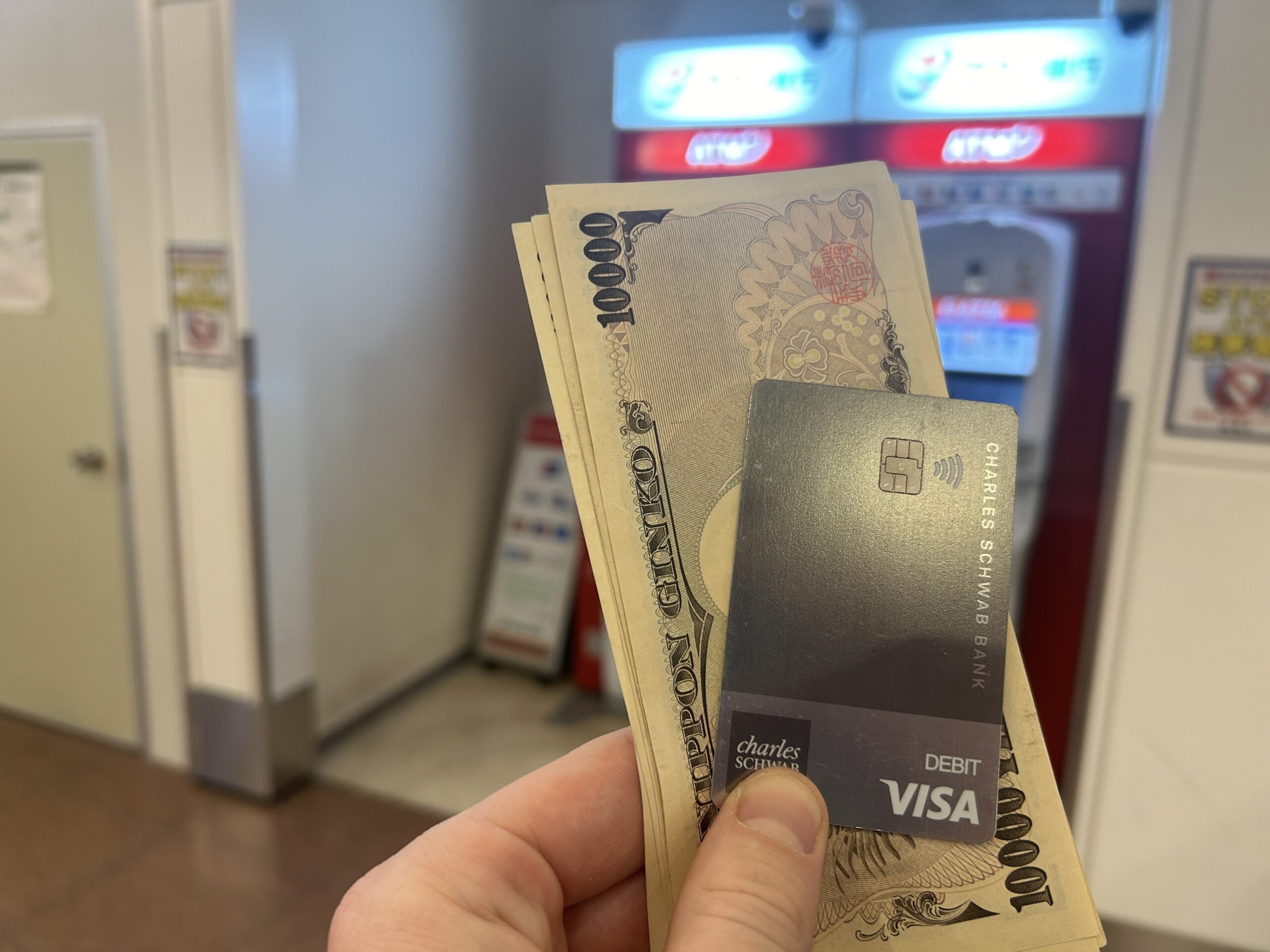
While this may appear to be a convenience, financial data indicates that DCC is almost always a disadvantageous choice for the consumer. When a traveler selects the "home currency" option, the foreign merchant or ATM operator—not the traveler’s bank—sets the exchange rate. This rate is typically far inferior to the rate provided by Visa or Schwab. By always choosing the "local currency" option, the traveler ensures that the conversion is handled by their own financial institution at the interbank rate, which, combined with Schwab’s fee reimbursement, results in the lowest possible cost for the transaction.
Integration with Credit-Based Travel Strategies
While the Schwab debit card is optimized for cash access, a comprehensive travel finance strategy requires a multi-layered approach. Financial advisors suggest that for direct purchases—such as hotel stays, restaurant bills, and transportation—a high-quality travel credit card remains the superior choice.
Credit cards offer a layer of legal protection under the Fair Credit Billing Act that debit cards do not. In the event of a fraudulent transaction or a merchant dispute, the consumer is not immediately out of pocket while the investigation proceeds. Furthermore, many premium travel credit cards offer secondary benefits such as primary rental car insurance, trip delay reimbursement, and lost luggage coverage. The ideal financial "wallet" for an international trip consists of a fee-free debit card for necessary cash withdrawals and a credit card with no foreign transaction fees for all other expenditures.
Market Context and Institutional Motivation
The decision by Charles Schwab to offer unlimited ATM fee reimbursements is a "loss leader" strategy designed to acquire high-net-worth or high-potential clients. By providing a service that is inherently costly to the bank (paying out fees charged by other institutions), Schwab builds brand loyalty and increases the likelihood that customers will eventually utilize their more profitable brokerage and wealth management services.

This model contrasts sharply with traditional retail banks, which rely heavily on fee income. For the consumer, this creates a window of opportunity to utilize institutional competition to their advantage. As the fintech sector continues to grow, with companies like Revolut, Wise, and Betterment offering similar international-friendly features, the pressure on traditional banks to eliminate foreign fees is expected to increase.
Broader Implications for Global Tourism
The reduction of financial friction in international travel has broader implications for global economies. When travelers can access cash at the mid-market rate without penalty, they are more likely to spend money in local, cash-only economies—such as street markets, small boutique shops, and rural areas—rather than sticking to large international chains that accept credit cards. This democratizes the economic impact of tourism, allowing funds to reach smaller vendors who may not have the infrastructure for digital payments.
Furthermore, the security benefits of this banking model cannot be overstated. By having the ability to withdraw small amounts of cash frequently without fee penalties, travelers are no longer incentivized to carry large envelopes of "emergency cash." This reduces the risk of significant financial loss due to theft or misplacement, making international travel safer and more accessible to a wider demographic.
Conclusion and Summary of Best Practices
The Schwab Bank Visa Platinum Debit Card represents a shift toward more consumer-aligned banking in the travel sector. By eliminating the primary costs associated with international cash access, it allows travelers to maintain the efficiency of the global ATM network without the traditional financial penalties. To maximize the utility of this tool, travelers should adhere to a strict protocol: always withdraw in local currency, maintain a separate travel-specific account to mitigate fraud risk, and pair the debit card with a robust, fee-free credit card for primary spending. As the world becomes increasingly interconnected, the ability to manage currency and liquidity across borders with minimal overhead will remain a hallmark of the savvy modern traveler.