The Global Shift Toward Ethical Tourism and the Growing Scrutiny of Animal Welfare in Egypt and Jordan

The landscape of global tourism is undergoing a profound transformation as travelers increasingly prioritize ethical considerations over traditional sightseeing experiences. For decades, activities such as elephant riding in Thailand, sea turtle handling in the Cayman Islands, and "walking with lions" in South Africa were marketed as essential, once-in-a-lifetime opportunities. However, a growing body of evidence regarding the systemic mistreatment of animals in these sectors has sparked a wave of consumer consciousness. This shift is now centering on the Middle East, specifically Egypt and Jordan, where the treatment of working animals at iconic UNESCO World Heritage sites has come under intense international scrutiny, leading some prospective visitors to cancel their travel plans entirely.
The tension between cultural heritage and animal welfare was recently exemplified by the case of a traveler named Michiko, whose experience highlights a burgeoning trend of "ethical boycotting." After years of planning a dream excursion to Egypt and Jordan to witness the remnants of ancient civilizations, Michiko’s research into the logistics of the trip revealed a distressing reality. Scouring traveler forums and recent investigative reports, she encountered a recurring narrative of abuse that overshadowed the historical allure of the Pyramids of Giza and the Rose City of Petra.
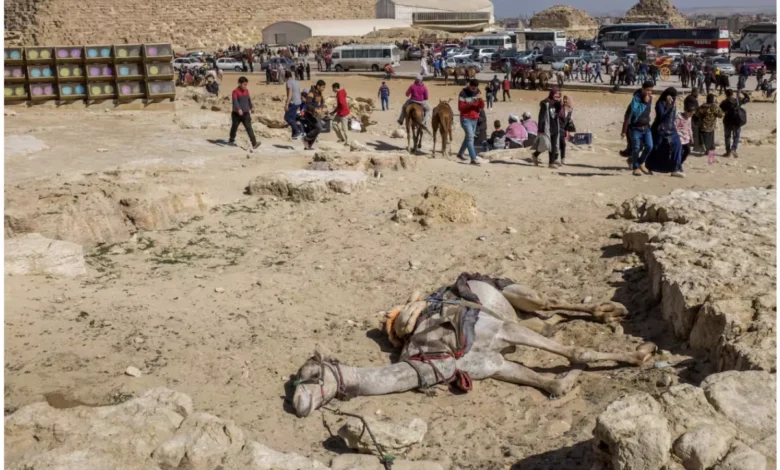
"I discovered countless accounts on traveler forums describing the exact same horror: the breathtaking monuments are overshadowed by the heartbreaking mistreatment of the animals forced to serve there," Michiko stated. Her research uncovered evidence of horses and camels with mutilated, bleeding noses, and animals so emaciated that their ribs were visible while working under the relentless desert sun. Most harrowing were reports of "animal graveyards" situated behind the Pyramids—desolate areas where loyal working animals, once exhausted or deemed no longer "useful" by their owners, are allegedly left to perish in the heat. Faced with this information, Michiko made the decision to cancel her trip, citing a refusal to financially contribute to an industry that "mutilates and discards animals."
The Socio-Economic Context of Working Animals in Tourism
The reliance on equines and camels for tourist transport in Egypt and Jordan is deeply rooted in local economies. In Giza alone, thousands of families depend on the income generated by carriage rides and camel treks. For many operators, these animals are their primary or only asset. Proponents of the industry often cite economic hardship as a primary driver for the lack of adequate care, arguing that poverty prevents owners from accessing veterinary services or high-quality feed.
However, animal welfare advocates argue that economic struggle does not justify systemic cruelty. The Society for the Protection of Animal Rights in Egypt (SPARE) and other international NGOs have pointed out that a healthy animal is a more productive and long-lasting asset. The normalization of abuse—often framed as "tradition"—is increasingly viewed by the international community as a failure of regulatory oversight rather than a necessary byproduct of poverty. As Michiko noted in her correspondence with the Egyptian Ministry of Tourism and Antiquities, "Cruelty is not a symptom of poverty, just as kindness is not a luxury reserved for the rich."
A Chronology of Investigation and Regulatory Response
The current outcry follows several years of escalating pressure from animal rights organizations and digital whistleblowers.
In 2019 and 2020, People for the Ethical Treatment of Animals (PETA) released undercover footage from the Giza Plateau and the Birqash Camel Market. The footage showed handlers violently beating camels with sticks and horses being forced to pull carriages while suffering from open wounds and exhaustion. This sparked a global outcry, leading to petitions that garnered millions of signatures.
By 2023, the Egyptian government began to signal a shift in policy, acknowledging that the negative publicity was beginning to impact the nation’s vital tourism sector, which contributes approximately 12% to the national GDP. Plans were announced to introduce electric carts and buses at the Giza Plateau to phase out animal transport in specific high-traffic areas.
In a significant legislative development, as of April 2026, Egypt’s Chamber of Tourism Establishments and Restaurants issued a formal directive banning the use of both domestic and wild animals in artistic and entertainment performances within hotel and tourism facilities. While this directive specifically targets "performances" rather than the transport sector, it represents a pivotal shift in the government’s official stance on animal exploitation for profit.
The UNESCO Paradox and International Standards
The situation in Egypt and Jordan raises a broader question regarding the responsibilities of UNESCO World Heritage sites. These locations are recognized for their "Outstanding Universal Value," a status that many argue should encompass ethical and humanitarian standards alongside historical preservation. Critics argue that the presence of animal abuse at these sites taints their global standing and calls for UNESCO to implement stricter welfare requirements for its recognized locations.

International standards for animal welfare, such as those established by the World Organisation for Animal Welfare (WOAH), emphasize the "Five Freedoms": freedom from hunger and thirst; freedom from discomfort; freedom from pain, injury, or disease; freedom to express normal behavior; and freedom from fear and distress. Reports from travelers on platforms like TripAdvisor and Reddit suggest that these standards are frequently ignored at major heritage sites in the Middle East. One reviewer noted seeing "horses collapsing on the incline leading to the Pyramids," while another described the "haunting screams of camels" being struck by handlers to force them to kneel for tourists.
Data and Economic Implications of Ethical Travel
The economic impact of the "ethical traveler" is no longer a niche concern. According to recent tourism industry data, approximately 60% of modern travelers consider sustainability and ethical practices when booking a trip. The rise of "conscious travel" has led to the success of organizations like Ethical Traveler, which releases an annual report on the World’s Ten Best Ethical Destinations. This report assesses nearly 150 nations based on environmental protection, social welfare, and human rights.
Countries that fail to address animal welfare concerns risk losing a significant portion of the high-spending European and North American markets. For Egypt, a country that has invested billions in new infrastructure, such as the Grand Egyptian Museum (GEM), the persistence of animal abuse at its most famous sites creates a damaging brand contradiction. The contrast between state-of-the-art museum facilities and the "animal graveyards" just miles away is a gap that modern marketing cannot easily bridge.
Stakeholder Perspectives and Potential Solutions
The path forward requires a multi-faceted approach involving government regulation, NGO support, and tourist behavior.
Governmental and Regulatory Action: The Egyptian Ministry of Tourism and the Egypt Tourism Promotion Authority are under pressure to not only issue directives but to enforce them through on-site inspections and the provision of subsidized veterinary care. Transitioning handlers from animal-based transport to eco-friendly electric vehicles is seen as the most viable long-term solution to preserve local livelihoods while ending animal suffering.
The Role of NGOs: Organizations like the Brooke Hospital for Animals have operated in Egypt for nearly a century, providing free veterinary care for working equines. Their work suggests that education and resource provision are more effective than simple condemnation. By improving the health of the animals, they improve the economic stability of the owners.
Traveler Responsibility: Experts suggest that tourists can drive change through their spending power. If tourists refuse to use animal transport, the demand will vanish. Awareness campaigns now encourage travelers to do thorough research before booking, avoiding experiences that involve direct contact with wild animals or the use of working animals in extreme conditions.
Broader Impact on Global Tourism Trends
The case of Michiko and the growing movement against animal exploitation in Egypt and Jordan serve as a microcosm of a larger global trend. From the banning of bullfighting in various regions to the closure of cetacean performances in theme parks, the tourism industry is being forced to evolve.
The long-term implication is a move toward "Regenerative Tourism," where the goal is not just to "do no harm" but to actively improve the destination. For Egypt and Jordan, this could mean transforming their heritage sites into models of ethical labor and animal welfare, ensuring that the ancient wonders of the world are matched by modern standards of compassion.
As the 2025-2026 travel seasons approach, the global community continues to watch these destinations closely. The decisions made by individual travelers today—where they go, what they support, and what they refuse to tolerate—are the primary catalysts for a more ethical and sustainable future for the world’s most iconic landmarks. By choosing destinations that protect their environment, people, and sentient beings, travelers are sending a clear message to governments: cultural heritage cannot be used as a shield for cruelty.
Related posts: