The Culinary Phenomenon of Les Grands Buffets: A Comprehensive Guide to France’s Most Celebrated All-You-Can-Eat Experience

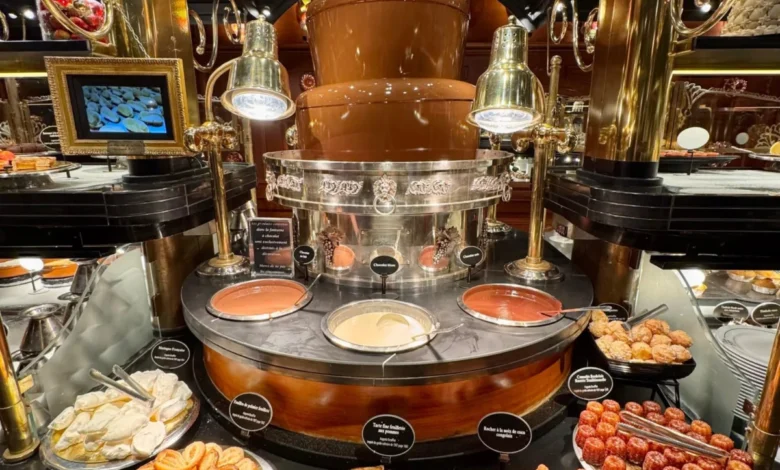
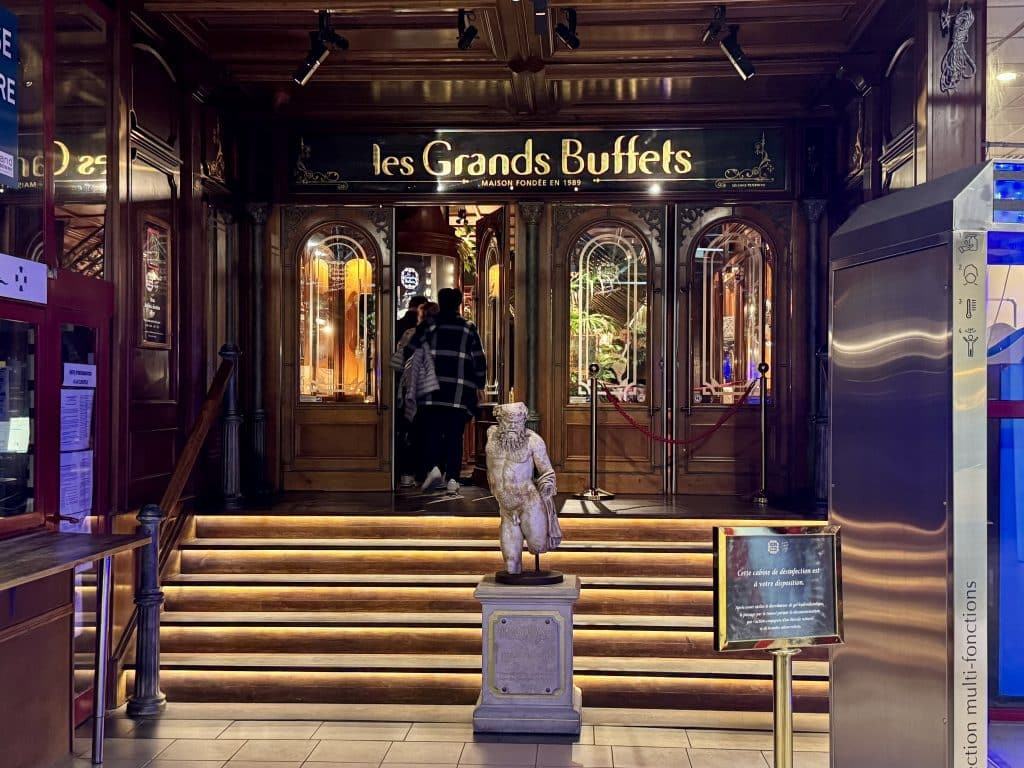
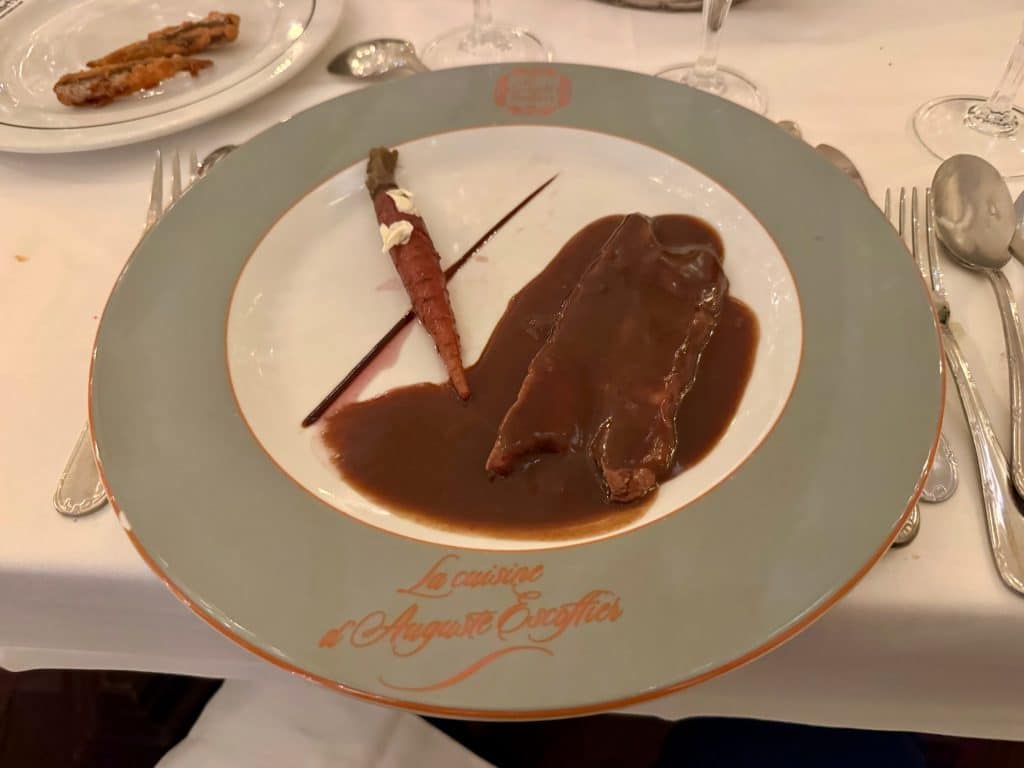
Situated in the historic city of Narbonne in Southern France, Les Grands Buffets has evolved from a local dining hall into a global gastronomic landmark. Since its inception in 1989, the establishment has challenged the conventional perception of all-you-can-eat dining by marrying high-volume service with the rigorous standards of classical French "haute cuisine." Founded by restaurateur Louis Privat and his wife, Jane Privat, the restaurant serves as a living tribute to the culinary traditions of Auguste Escoffier, the legendary chef who revolutionized French cooking at the turn of the 20th century. Today, the restaurant attracts approximately 400,000 diners annually, making it one of the most frequented and commercially successful dining establishments in the French Republic.
Historical Context and the Vision of Louis Privat
The origins of Les Grands Buffets are rooted in an unlikely setting: a municipal sports complex known as the Espace Liberté. Originally intended to serve as a standard cafeteria for the complex—which houses a swimming pool, ice rink, and bowling alley—Louis Privat envisioned a more ambitious project. Privat sought to preserve the "art of the table" and traditional French bistro dishes that he feared were disappearing from the modern culinary landscape.
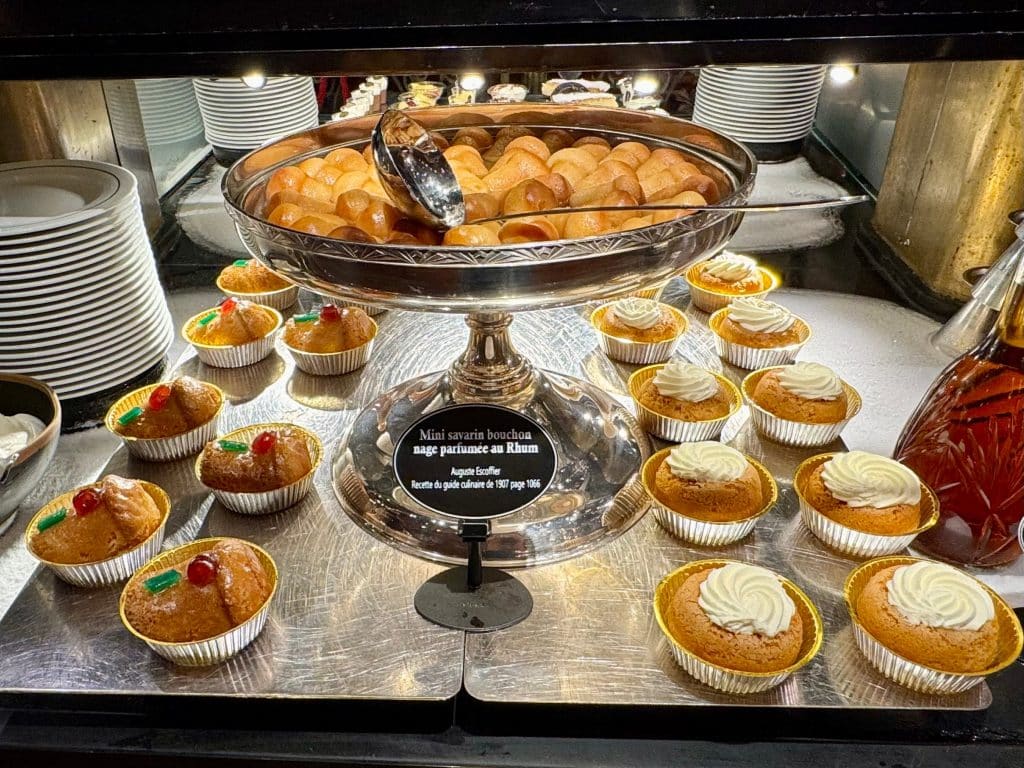
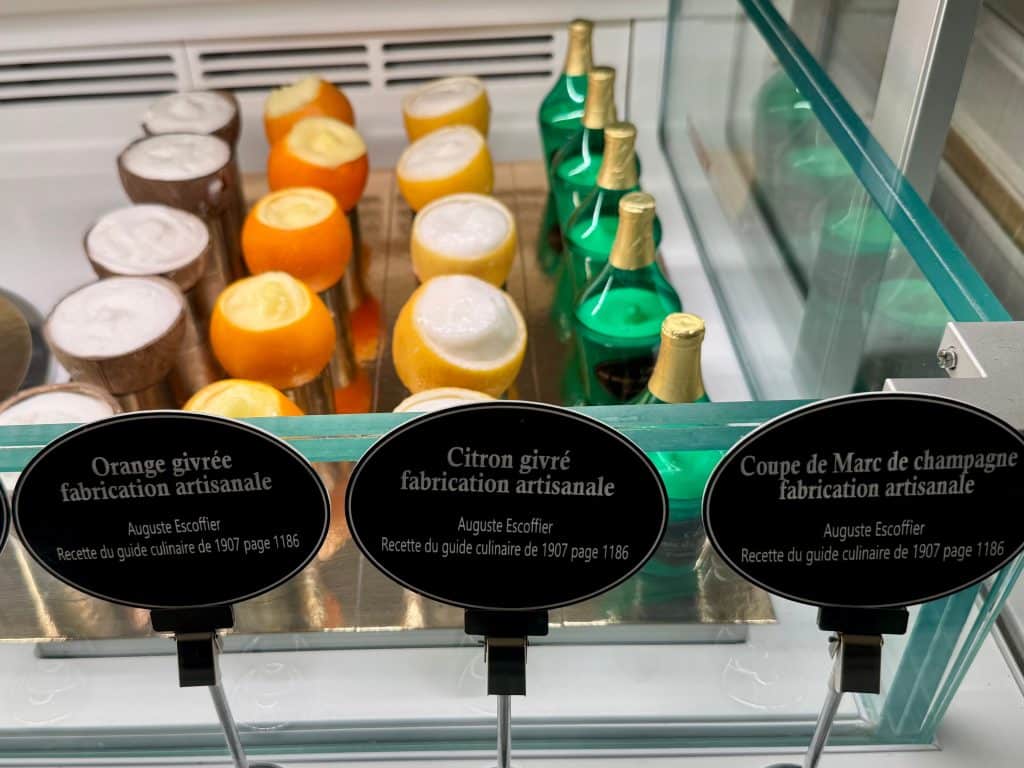
Drawing inspiration from Escoffier’s 1903 seminal work, Le Guide Culinaire, Privat designed a menu that focused on labor-intensive, classic recipes such as frog legs, tripe, snails, and various terrines. By utilizing a buffet format, Privat aimed to make luxury ingredients—typically reserved for elite Michelin-starred establishments—accessible to the general public at a transparent, flat-rate price. This democratic approach to fine dining has become the hallmark of the restaurant’s business model.
The Culinary Structure: A Breakdown of Service Stations
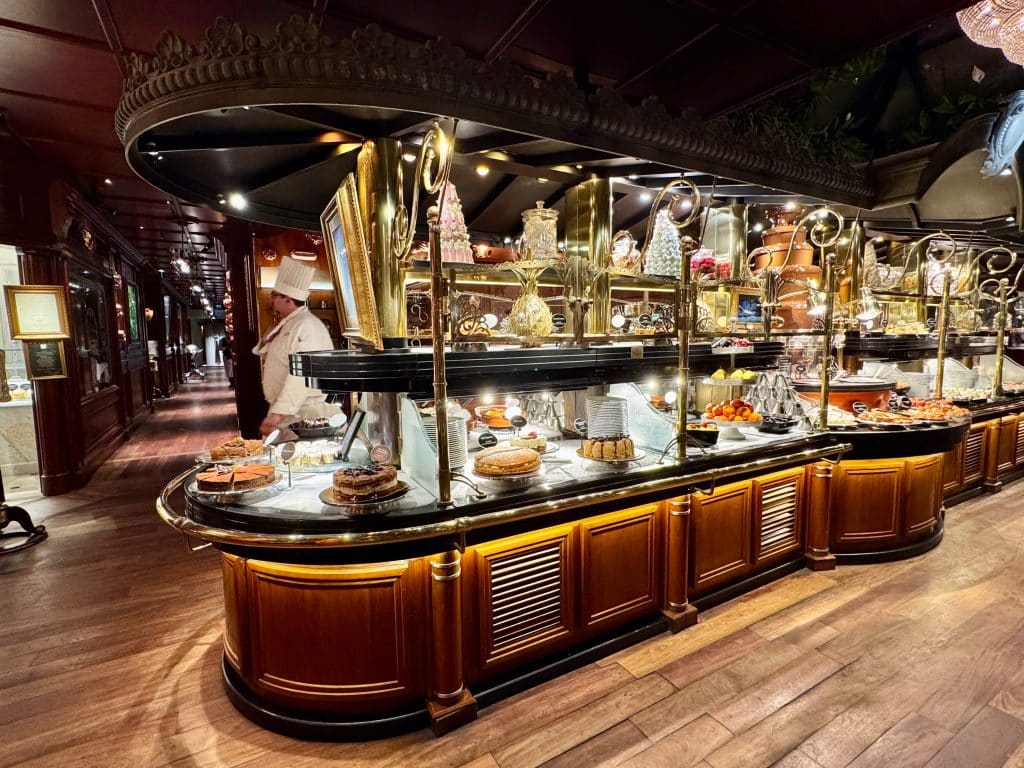
The restaurant’s layout is divided into several specialized "buffets," each dedicated to a specific category of French gastronomy. Unlike standard international buffets that offer a wide array of global cuisines, Les Grands Buffets remains strictly focused on the French repertoire.
The Seafood and Amuse-Bouche Sections
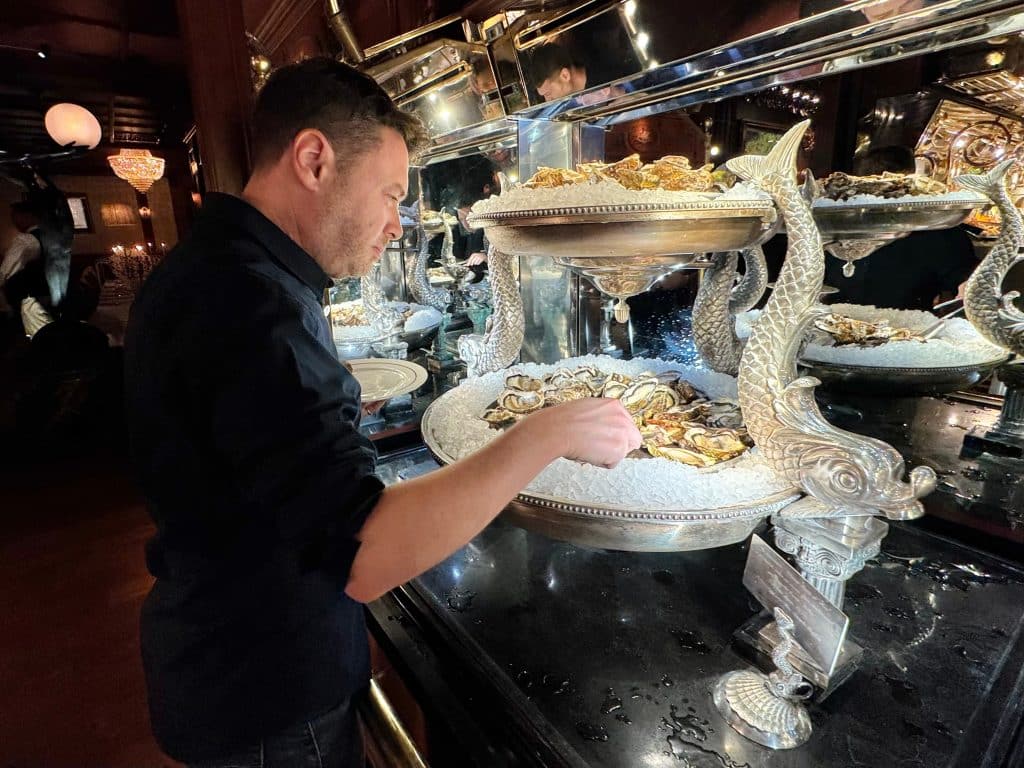
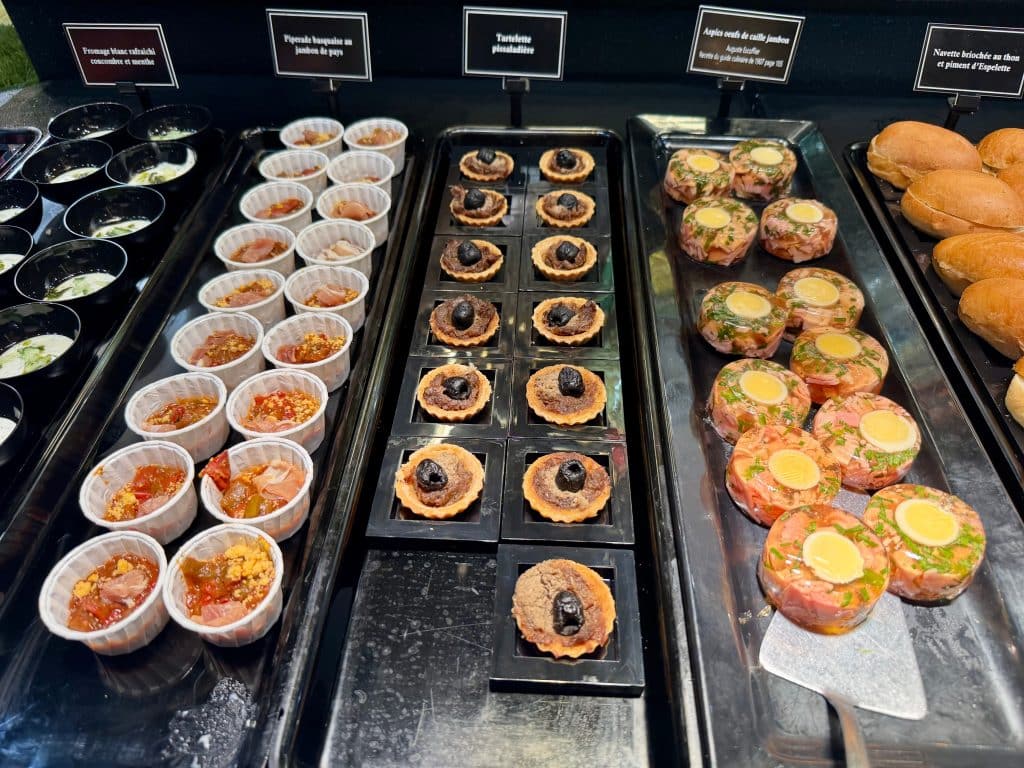
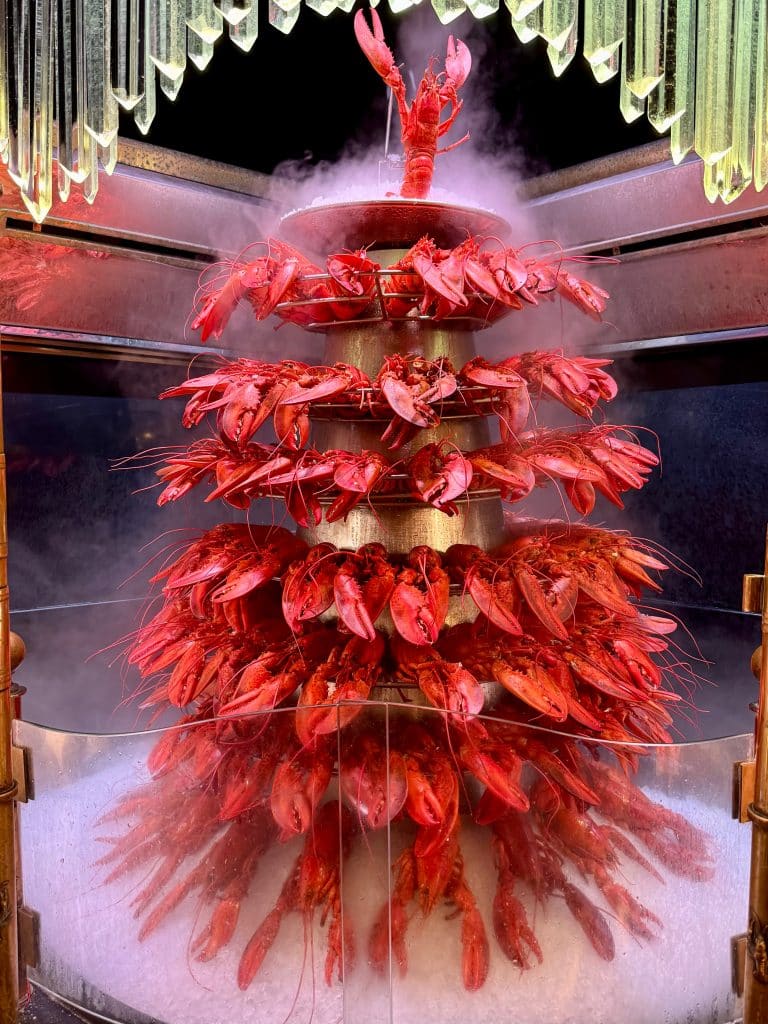
The centerpiece of the seafood station is a tiered "lobster tower," featuring both cold and warm Atlantic lobster. The selection extends to Étang de Thau oysters, snow crab legs, and an array of smoked fish including salmon, herring, and mackerel. Complementing the seafood are traditional amuse-bouches, such as deviled eggs garnished with black truffles and "aspic" (savory jelly) containing ham and eggs, reflecting the meticulous preparation styles of the early 1900s.
The Foie Gras and Charcuterie Collection
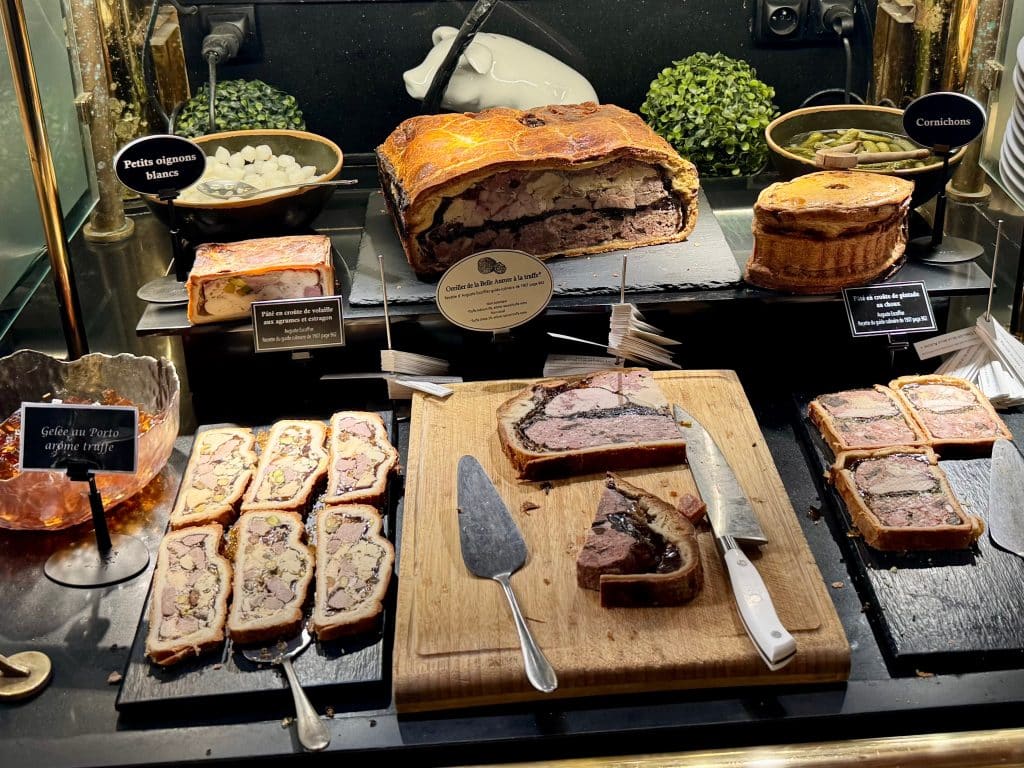
Given the high cost of foie gras in traditional retail and dining, the restaurant’s unlimited offering is a significant draw for patrons. The station features several variations, including foie gras prepared with Armagnac, truffle-infused varieties, and a widely acclaimed "foie brûlée," which combines the richness of the duck liver with a caramelized sugar crust. The charcuterie section is equally expansive, featuring ten types of saucisson, nine varieties of hand-carved hams, and specialized items like pig’s ear in jelly and various duck rillettes.
The Rotisserie and Hot Entrées
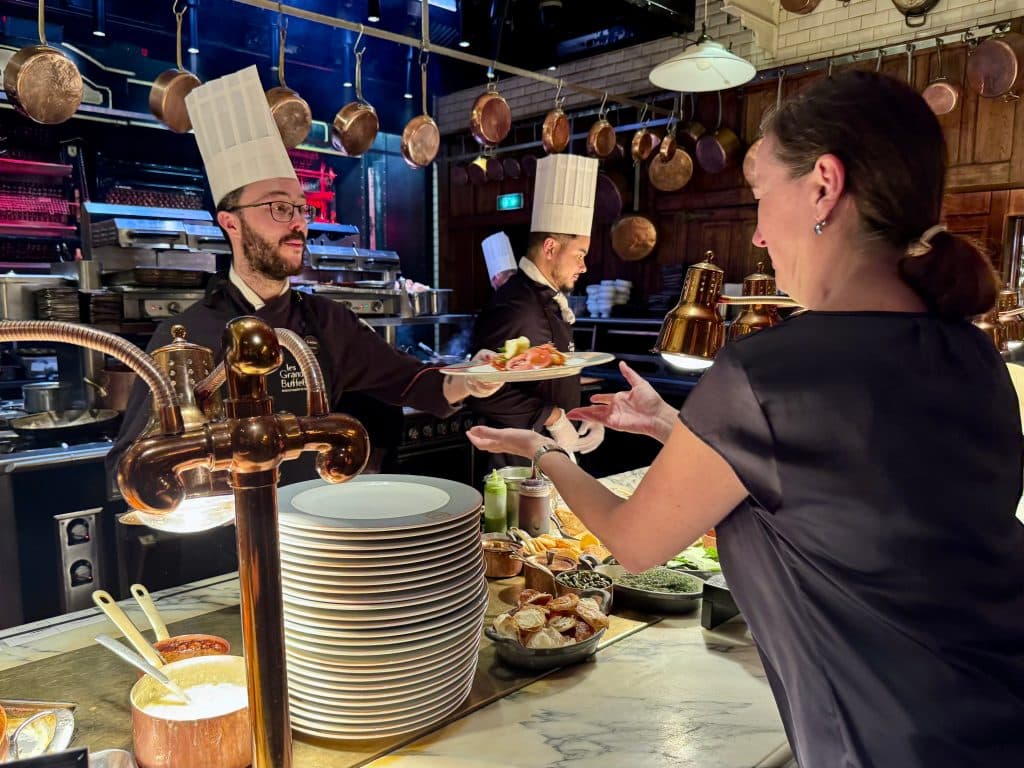
The "La Rôtisserie" section serves as the heart of the hot food service. Here, chefs prepare specialized dishes to order, including Coquilles St. Jacques (scallops in cream sauce), sweetbreads vol-au-vent, and hare à la Royale. The station also features a carving area for prime rib, suckling lamb, and suckling pig, ensuring that meats are served at the optimal temperature and texture.
The "Canard au Sang" and the Legacy of the Silver Press
One of the most distinctive features of Les Grands Buffets is its dedication to the ritual of "Canard au Sang," or pressed duck. This highly technical dish involves carving a whole-roasted duck and using a specialized silver press to extract juices from the carcass to create a rich, blood-based sauce.
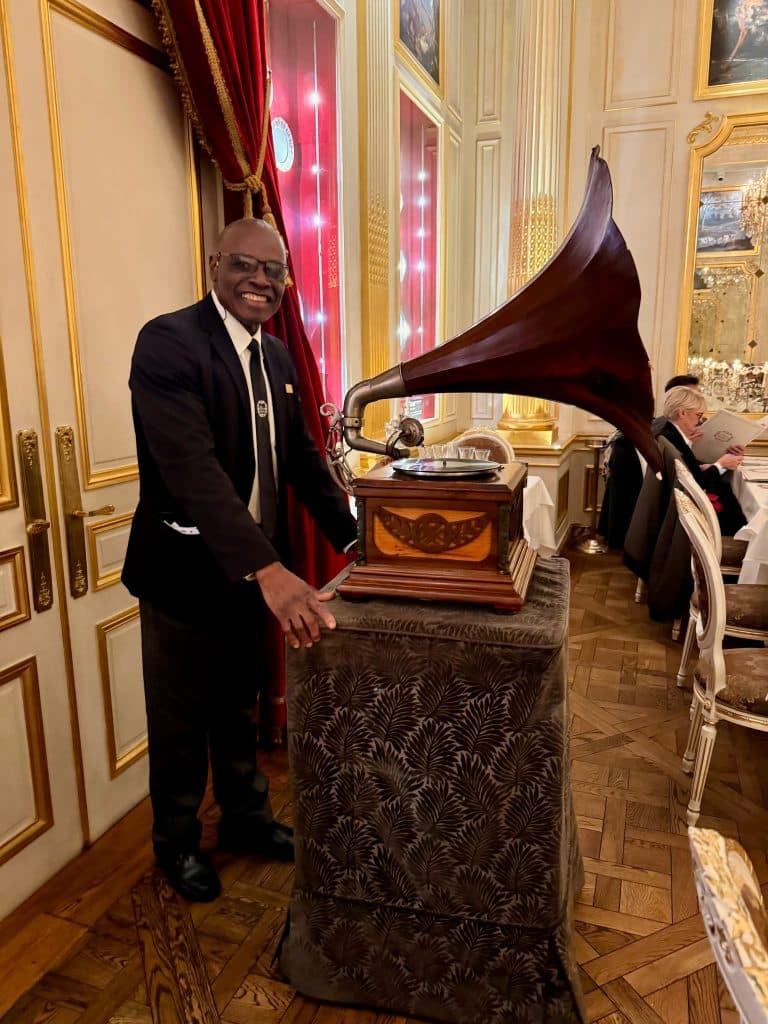
The silver duck press used at the restaurant carries significant historical weight; it was purchased at auction in 2016 for 40,000 EUR and was originally used at the world-renowned La Tour d’Argent in Paris. Les Grands Buffets is currently the only restaurant in France that performs this ceremony during every lunch and dinner service, often accompanied by the dramatic sounds of Wagner’s "Ride of the Valkyries," emphasizing the theatrical nature of traditional French service.
A Guinness World Record in Cheese Selection
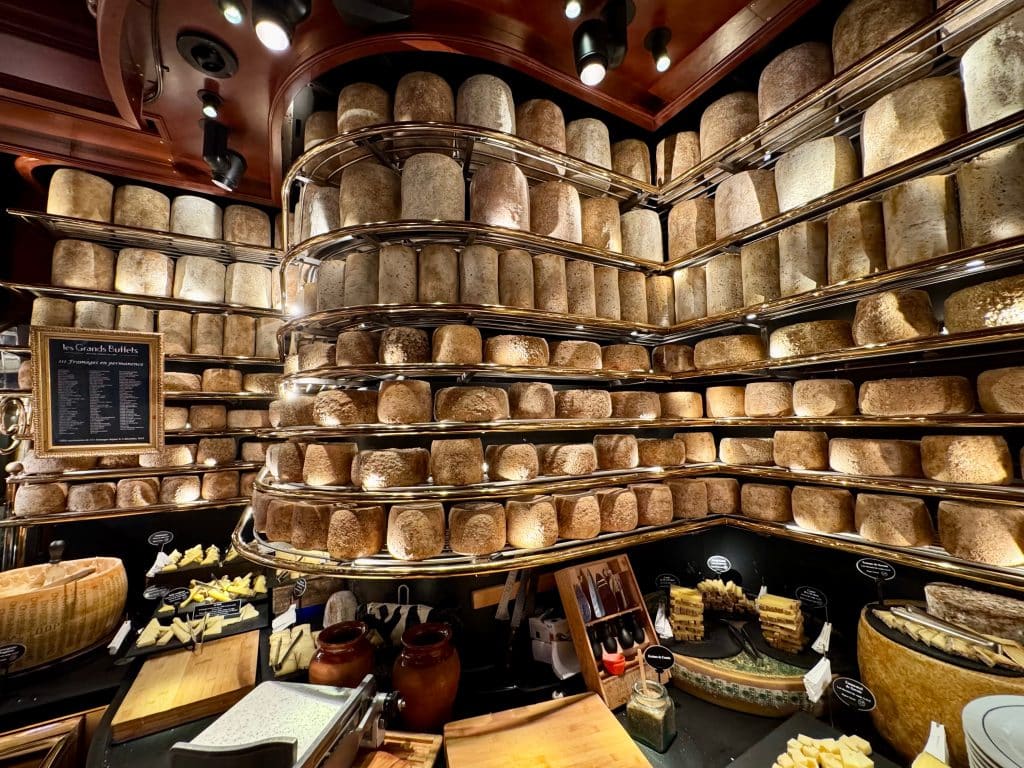
In 2021, Les Grands Buffets officially secured the Guinness World Record for the largest selection of cheeses in a restaurant. The display features 111 varieties of cheese, curated by expert cheesemongers. The selection spans the entirety of France’s regional specialties and includes international selections. Highlights of the collection include:
- Truffle-infused Brie: A local specialty known for its creamy texture and earthy aroma.
- Tête de Moine: A Swiss cheese served in delicate, shaved spirals.
- Roquefort and Bleu d’Auvergne: Representing the pungent blue cheese tradition.
- Hard Alpine Cheeses: Such as Comté and Beaufort, aged to various maturities.
The cheese station is designed to educate diners on the diversity of dairy fermentation, providing a comprehensive "Tour de France" of cheese on a single plate.
Economic Model and Pricing Strategy
As of early 2026, the flat-rate price for the buffet stands at 65.90 EUR per person. While the price has seen incremental annual increases to account for inflation and rising ingredient costs, industry analysts note that the value proposition remains high. A comparable multi-course meal featuring lobster, foie gras, and truffles at a traditional à la carte restaurant in Paris or Lyon would likely exceed 150 to 200 EUR.
The restaurant maintains profitability through several strategic avenues:
- Volume: With 400,000 guests per year and a 365-day operating schedule, the restaurant benefits from massive economies of scale in purchasing.
- Wine Sales: In a departure from typical restaurant markups, Les Grands Buffets sells wine at "producer prices"—the same price one would pay at the vineyard. This encourages high-volume wine consumption and allows diners to purchase bottles to take home, creating a secondary revenue stream.
- Efficiency: The buffet format reduces the need for a large waitstaff to take individual orders, allowing the labor budget to be redirected toward specialized kitchen staff and high-quality ingredients.
Logistics: The Challenge of Reservations
The popularity of Les Grands Buffets has created a significant logistical hurdle for potential diners. Reservations are notoriously difficult to secure, often requiring booking several months in advance. The restaurant utilizes a tiered reservation system where diners can choose between several distinct themed rooms:
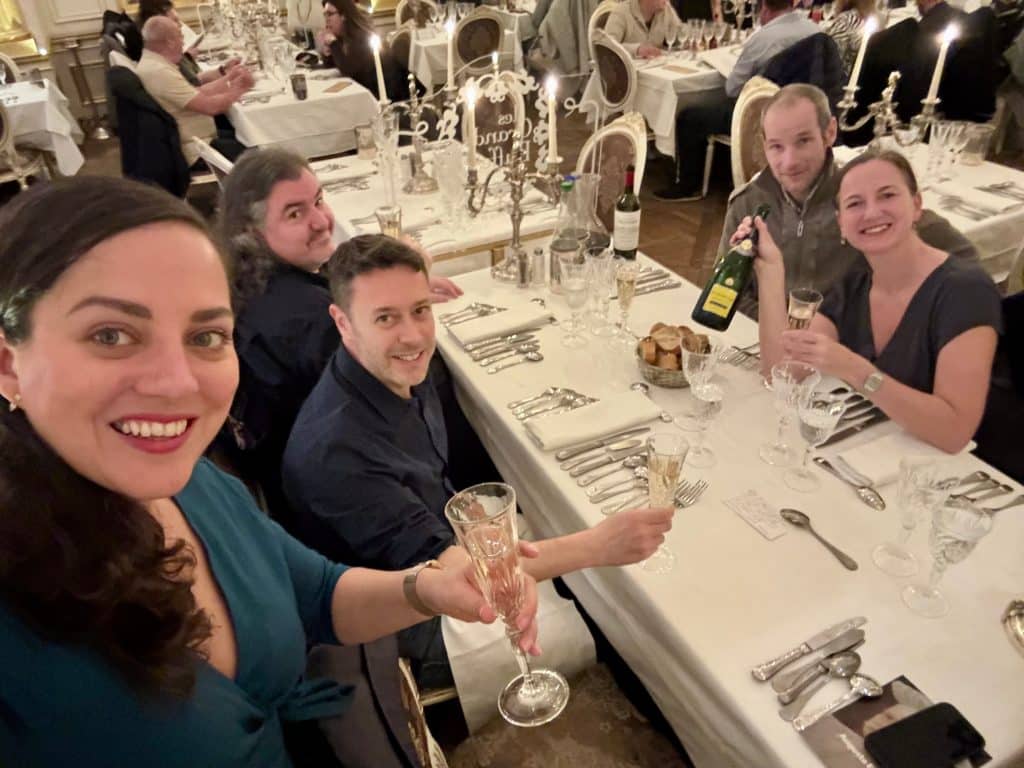
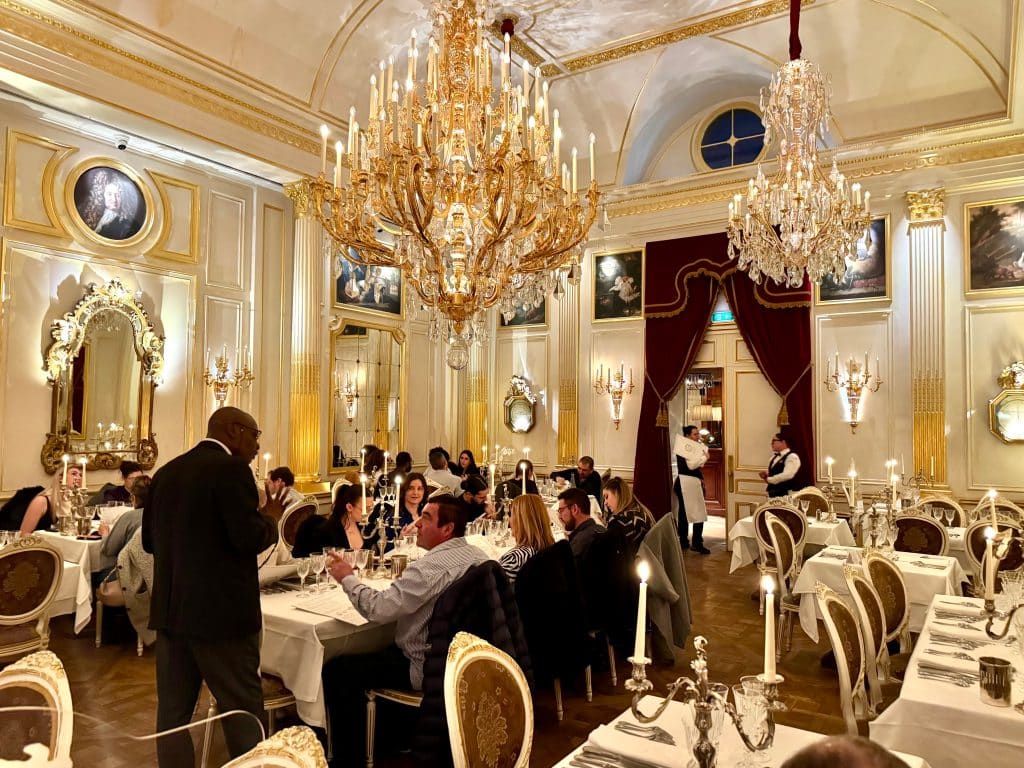
- The Salon Doré: A Baroque-style "Gold Room" featuring ornate trim and crystal chandeliers.
- The Max le Verrier and Ann Carrington Rooms: Traditional dining spaces with dark wood accents.
- The Garden Terrace: An outdoor space designed by Hervé di Rosa.
The reservation process is strictly managed through the restaurant’s website, with policies including a 50 EUR per-person fee for no-shows and a mandatory payment or deposit 30 days prior to the dining date.
Regional Impact and Tourism in Narbonne
The success of Les Grands Buffets has had a profound impact on the local economy of Narbonne. Once a secondary stop for travelers heading to more famous cities like Montpellier or Barcelona, Narbonne is now a primary destination for "culinary tourists." Local hotels, such as the Maison du Cloître and the Novotel Narbonne, report high occupancy rates driven specifically by visitors attending the buffet.
The restaurant’s location in the Espace Liberté also benefits municipal facilities. The influx of diners provides steady foot traffic to the surrounding bowling alley and pub, creating a synergistic relationship between private enterprise and public infrastructure.
Dress Code and Etiquette
To maintain the atmosphere of a high-end French dining room despite the buffet format, the management enforces a strict dress code. Prohibited attire includes sportswear, casual shorts, flip-flops, and hats. This policy ensures that the dining experience feels like a formal event, aligning with Privat’s goal of preserving the "ceremony" of French dining. Furthermore, the restaurant discourages young children by charging full adult prices and offering no specialized kids’ menus, signaling that the three-to-four-hour dining experience is intended for an adult audience.
Conclusion: The Future of Traditional Gastronomy
Les Grands Buffets stands as a unique outlier in the global restaurant industry. By successfully combining the quantity of a buffet with the quality of traditional French craftsmanship, it has created a sustainable model for preserving culinary heritage. For the city of Narbonne, the restaurant is more than a place to eat; it is a vital economic engine and a cultural ambassador. As the restaurant continues to break records and draw international crowds, it reinforces the idea that classical French cuisine, when made accessible, remains one of the world’s most enduring and beloved art forms.