Wat Phu Tok: Thailand’s Vertiginous Temple Offers an Unforgettable Ascent Through Faith and Nature

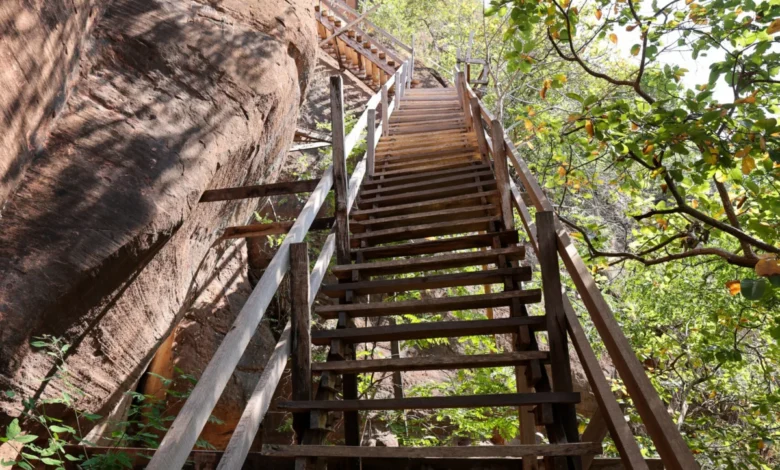
Nestled within the serene and often overlooked landscapes of Bueng Kan province in Thailand’s northeastern Isan region, Wat Phu Tok stands as a testament to spiritual devotion and remarkable human engineering. Known locally as the "lonely mountain," this unique temple complex, officially named Wat Jetiyakhiri, draws visitors with its dramatic setting and the exhilarating challenge of its multi-tiered ascent. While offering unparalleled natural beauty and a peaceful retreat, the temple is equally renowned for its daring wooden walkways and ladders that cling precariously to the sheer rock face, presenting an adventure that is both awe-inspiring and, for some, deeply unnerving. This exploration delves into the history, structure, and visitor experience of Wat Phu Tok, a destination that promises an unforgettable journey for those seeking an off-the-beaten-path attraction in Thailand.
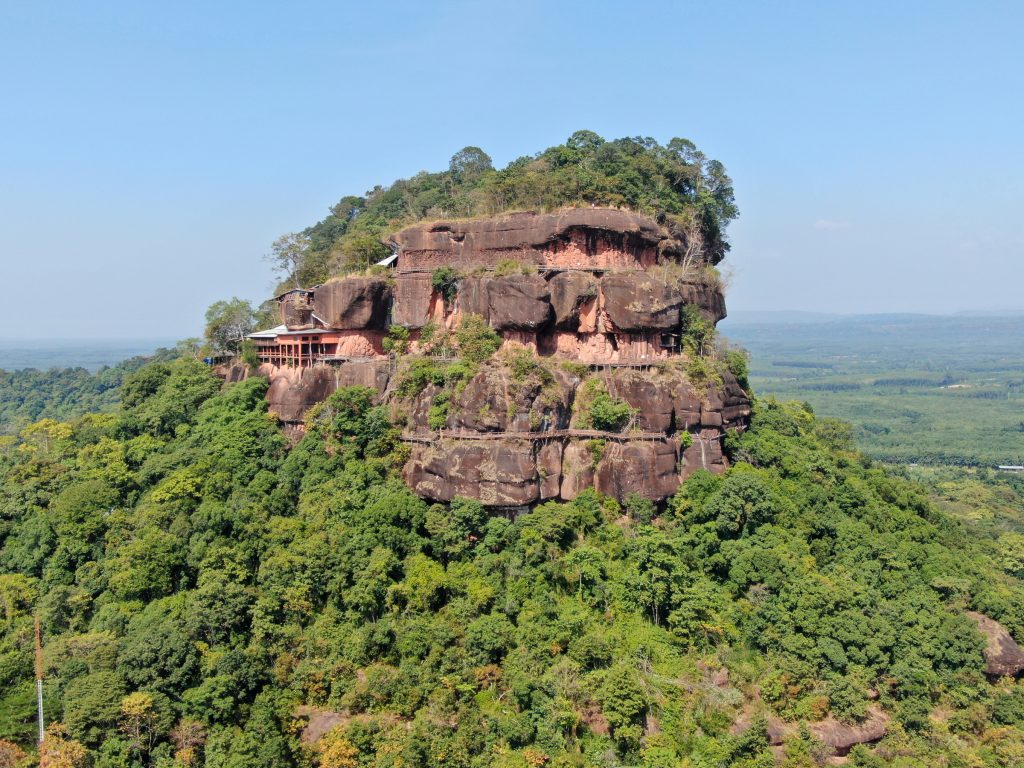
The temple’s genesis can be traced back to the vision of Monk Luang Pu Juan, who recognized the spiritual potential of the rugged, isolated Phu Tok mountain. Historically, the mountain’s remote and challenging terrain made it a habitat for wildlife, including venomous snakes, thus lending it an aura of danger. However, it was this very isolation and the inherent challenge that appealed to Luang Pu Juan as an ideal location for meditation and spiritual practice. He envisioned a place where devotees could ascend through different levels, mirroring the seven stages of Buddhist meditation, thereby achieving a deeper connection with their faith.
The construction of Wat Phu Tok began with the meticulous building of wooden staircases, ladders, and walkways that would navigate the mountain’s formidable topography. This ambitious project aimed to connect various shrines and meditation spots, transforming the natural rock formation into a spiritual sanctuary. Tragically, Monk Luang Pu Juan’s life was cut short in an airplane accident, but his legacy persevered as the temple was maintained and continued to evolve, ultimately reaching its current seven-level structure. Each level is designed to represent a significant aspect of Buddhist enlightenment, encouraging pilgrims to undertake a physical and spiritual journey upwards.

Navigating the Ascent: The Seven Levels of Wat Phu Tok
The journey to Wat Phu Tok typically begins with a scenic drive of approximately 30 minutes from Bueng Kan city. Upon arrival, visitors are greeted by a substantial temple complex at the base, complete with a serene lake and expansive park grounds, offering ample parking facilities. The entrance to the mountain trail is unmistakable, marked by a clear path leading towards the imposing red rock mountain.
The ascent commences with relatively easy wooden staircases, gradually increasing in steepness as one progresses. While the wooden planks are sometimes angled and may creak underfoot, the overall construction is widely regarded as secure and well-maintained, a testament to the enduring efforts of its caretakers. The initial levels offer glimpses of various shrines, but the primary objective for many is to press onward, driven by the anticipation of what lies higher up.

The Fifth Level: A Hub of Devotion
The fifth level marks a significant transition in the visitor experience. Here, the landscape opens up to reveal a greater concentration of temples, shrines, and halls. Much of the walking on this level is on solid ground rather than exposed cliffside pathways, providing a more grounded experience. It is believed that the largest ordination hall of Wat Phu Tok is situated on this level, serving as a central point for religious activities.

A particularly noteworthy feature of the fifth level, and indeed a highlight for many visitors, is a small rock temple accessible via an elevated rock walkway and a connecting wooden bridge. This detour, though slightly off the main circumference trail, offers a unique perspective and a sense of discovery. The intricate construction leading to this secluded shrine underscores the dedication and ingenuity involved in creating this spiritual haven.
The Sixth Level: The Pinnacle of Thrill and Spectacle

The phrase "the sixth level is the most spectacular… and most scary" echoes the sentiments of many who have undertaken the climb. Upon reaching this level, visitors are met with the temple’s most iconic feature: the extensive network of wooden plank walkways that are anchored directly into the sheer rock face. Approximately half of the circumference of the sixth level is comprised of these daring walkways, with the other half consisting of natural ground.
The experience of traversing these cliff-hanging structures is undeniably thrilling. While the walkways are engineered to feel stable and secure, their dramatic positioning suspended over steep drops can induce a sense of unease for those with a fear of heights. However, many visitors report feeling surprisingly comfortable due to the perceived sturdiness of the construction. The panoramic views from this level are breathtaking, offering expansive vistas of the Mekong River basin and the lush green expanse of Bueng Kan province. The breeze and the sheer visual spectacle make the sixth level a truly unforgettable part of the Wat Phu Tok pilgrimage.

The Seventh Level: The Summit’s Enigma
The final ascent leads to the seventh level, the summit of Phu Tok mountain. This level is historically associated with a higher degree of risk, with legends and warnings about venomous snakes inhabiting the area. Visitors are advised to proceed with caution. Unlike the lower levels, the seventh level offers no elaborate structures or walkways. Instead, it provides a more natural, exposed summit experience. For those who venture to the very top, particularly if they find the correct path, the reward is further spectacular views. However, many who have experienced Wat Phu Tok suggest that the sixth level, with its unique architectural marvels and dramatic setting, represents the true essence and primary draw of the temple.

Supporting Data and Implications
Wat Phu Tok’s unique design and challenging accessibility have positioned it as a significant, albeit niche, tourist attraction in Thailand. Bueng Kan province, being one of the less visited regions, benefits from such distinctive landmarks that draw both domestic and international visitors. The temple’s popularity can be indirectly gauged by the growing number of online travel blogs and vlogs dedicated to its exploration, indicating an increasing interest in adventure tourism within Thailand.
The temple’s construction, primarily utilizing natural materials like wood and rock, also speaks to a sustainable approach to development within a natural heritage site. The ongoing maintenance of these structures, especially the wooden walkways exposed to the elements, requires continuous effort and resources, highlighting the dedication of the local community and temple authorities.

The "lonely mountain" moniker is particularly apt, as the temple’s isolated location fosters a sense of tranquility and disconnect from the urban hustle. This solitude, combined with the physical exertion of the climb, creates a profound sense of accomplishment and spiritual reflection for visitors. The temple’s design, deliberately incorporating elements of challenge and even perceived danger, can be seen as a metaphor for overcoming obstacles in life and on the spiritual path, aligning with Buddhist teachings.
Broader Impact and Future Prospects
The continued appeal of Wat Phu Tok suggests a growing trend in Thailand’s tourism sector towards experiential and adventure-based travel. As travelers increasingly seek authentic and memorable experiences beyond conventional tourist routes, destinations like Wat Phu Tok are poised to gain further prominence. The potential for increased visitor numbers also brings with it the responsibility of sustainable tourism management to preserve the temple’s natural beauty and cultural integrity.

Efforts to promote responsible tourism, including visitor education on respecting the temple’s sanctity and adhering to safety guidelines, will be crucial. The narrative of Wat Phu Tok as a place where faith, nature, and daring architecture converge offers a compelling story that can attract a diverse range of visitors, from spiritual seekers to adventure enthusiasts.
In conclusion, Wat Phu Tok is more than just a temple; it is an architectural marvel, a spiritual journey, and an adventure etched into the heart of Thailand’s Isan region. Its seven levels, each with its own character and challenge, offer a unique perspective on Buddhist philosophy and the profound beauty of the natural world. For those willing to embrace the climb, the reward is an experience that is both exhilarating and deeply enriching, solidifying its status as one of Thailand’s most adventurous and unforgettable destinations.
Related posts: