The Rise of Cannabis Tourism: How Legalization is Transforming Global Travel and Local Economies

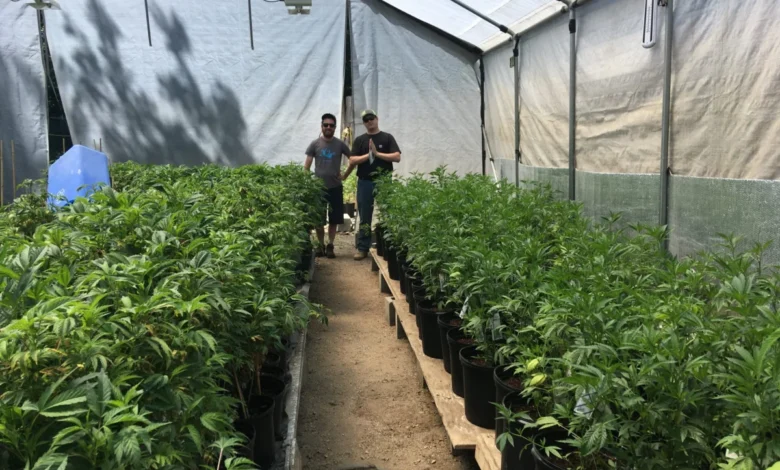
The landscape of modern tourism is undergoing a profound transformation, driven by shifting legal frameworks surrounding cannabis across North America and beyond. What was once an underground subculture operating in legal gray areas has rapidly evolved into a sophisticated, multi-billion-dollar niche market. From the sun-drenched valleys of Northern California to the progressive provinces of Canada, entrepreneurs, local economies, and adventurous travelers are embracing cannabis tourism. This emerging sector is not only redefining traditional vacation itineraries but also serving as a vital economic engine, generating substantial multiplier effects for regional hospitality, dining, and agricultural sectors.
The Evolution of a Grassroots Industry: Chronology and Legislative Milestones
The roots of contemporary cannabis tourism trace back over the last decade, catalyzed by monumental shifts in drug policy. The modern era of legal recreational cannabis effectively began in November 2012, when voters in Colorado and Washington approved ballot measures legalizing recreational use—a watershed moment that shattered long-held federal and state prohibitions.
Following these initial milestones, the legislative dominoes began to fall. By 2018, recreational cannabis was legal for adults in ten U.S. states and the District of Columbia. That same year marked a historic international turning point: in October 2018, Canada became only the second country in the world—following Uruguay—to legalize cannabis for recreational use nationwide. Simultaneously, the Supreme Court of Mexico took decisive steps toward opening the door to decriminalization and legal recreational frameworks.
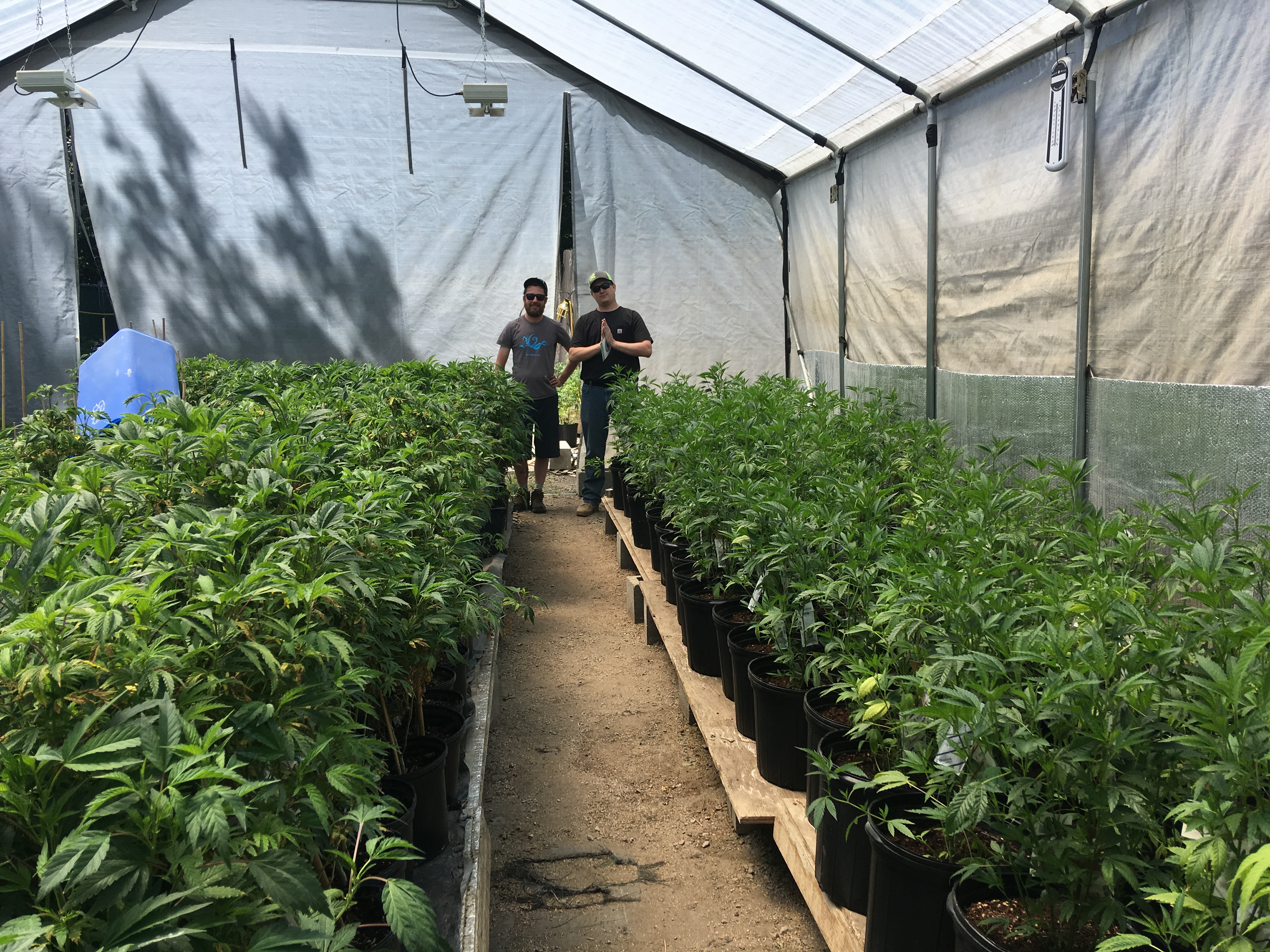
These legal victories provided the necessary security for entrepreneurs to transition cannabis experiences out of the shadows. In 2015, former whitewater river guide Matt Kurth launched Humboldt Cannabis Tours in Northern California, anticipating the massive cultural and legal shift toward normalization. Similarly, operators like Stacie Johnson founded Blazing Trails in Bend, Oregon, while Matt Cronin co-founded Canada High Tours to navigate the newly opened northern market. As the number of U.S. states with medical or recreational cannabis laws climbs toward a critical mass, the legal foundation for specialized travel has solidified.
Economic Impact and Market Projections
The financial implications of legalizing cannabis extend far beyond agricultural production and retail sales; they ripple powerfully through the broader travel and tourism ecosystem. According to data from the Marijuana Business Factbook and industry analyses, the economic impact of legal cannabis in the United States was projected to surge by an astonishing 223 percent between 2017 and 2022.
State-level data underscores this massive influx of visitors. In Colorado, where official state tourism marketing historically avoided promoting cannabis due to federal illegality, the impact has been undeniable. The Centennial State welcomed approximately 6.5 million cannabis tourists in 2016 alone, marking a more than 50 percent increase in cannabis-related tourism metrics since the state’s commercial market opened in 2014.
Operators emphasize that the financial benefits are shared widely across non-cannabis businesses. Kurth notes that for every dollar brought directly into Humboldt County through his tours, an estimated seven additional dollars flow into the local community, supporting hotels, restaurants, and retail establishments that have no direct connection to the plant. This multiplier effect has proven transformative for rural economies seeking alternatives to declining legacy industries such as commercial logging and fishing.
Navigating Regulatory Labyrinths and Overcoming Stigma
Despite soaring market demand, establishing and operating a cannabis tour company requires navigating a complex matrix of local, state, and federal regulations. Entrepreneurs frequently encounter institutional skepticism and bureaucratic hurdles rooted in decades of prohibition-era stigma.
Matt Kurth spent over two years attempting to secure a standard business license from a hesitant Humboldt County government, pitching his venture as "just like every other tour business." In Oregon, Stacie Johnson notes that the primary hurdle remains dismantling the lingering "reefer madness" stigma. Educating the public on consumer safety, plant biology, and local laws requires patience, academic backing, and transparent communication.
In Canada, operators face a patchwork of differing provincial and municipal laws. Matt Cronin and his team at Canada High Tours strategically target jurisdictions where outdoor cannabis consumption aligns seamlessly with existing regulations governing cigarette smoking, thereby avoiding the regulatory and logistical complications associated with private consumption lounges.
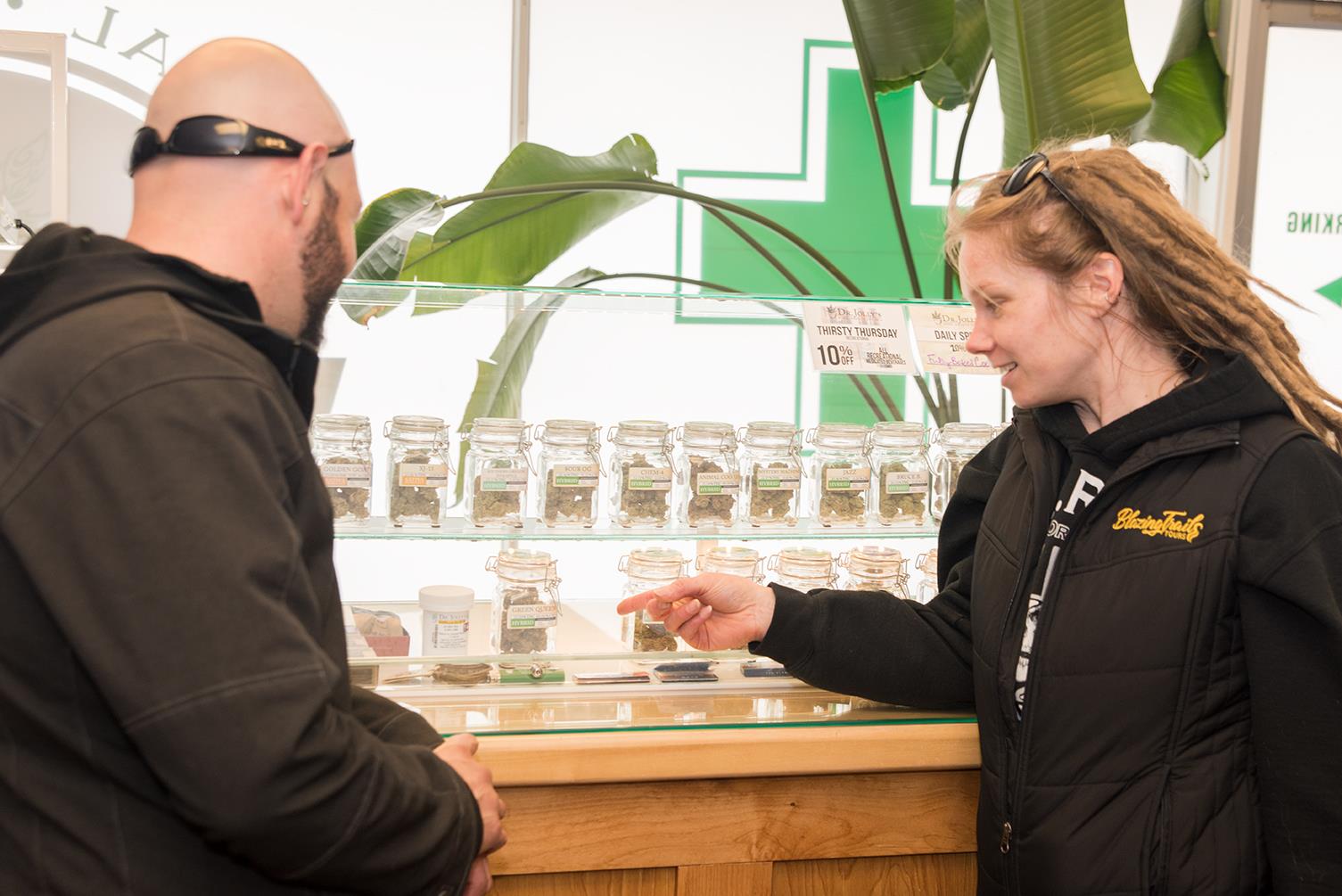
Furthermore, strict legal frameworks across North America prohibit tour companies from directly distributing cannabis to customers on vehicles or in public spaces. Consequently, businesses have pivoted toward experiential, educational, and cultural models. Rather than operating as mobile consumption parties, these companies focus on farm-to-table agricultural education, historical context, and guiding novices safely through licensed retail dispensaries.
Demographics and the Modern Cannabis Traveler
The stereotypical image of the young, disengaged stoner is vastly misaligned with the actual demographic utilizing cannabis tourism services. Tour operators report that their clientele is predominantly well-educated, financially stable, and mature, frequently spanning ages 30 to 75.
Gene Grozovsky of Los Angeles-based Green Tours—noted as the first cannabis tour business featured on TripAdvisor—observes that his guests include professionals such as doctors, lawyers, and retirees who are genuinely fascinated by the cultural, environmental, and industrial aspects of hemp and cannabis. Similarly, international travelers from the United Kingdom, Germany, Singapore, and across the United States regularly book excursions with Oregon’s Blazing Trails to explore the agricultural roots of the Pacific Northwest.
The hospitality sector has capitalized on this sophisticated consumer base. The Jupiter Hotel in Portland, Oregon, developed a highly successful "420 package" featuring a vape kit, grinder, and dispensary discount vouchers—effectively creating the hotel’s best-selling promotional package in its history. Community manager Katie Watkins highlights that the offering serves an important educational function for visitors arriving from jurisdictions where cannabis remains illegal.
Environmental Sustainability in Sungrown Agriculture
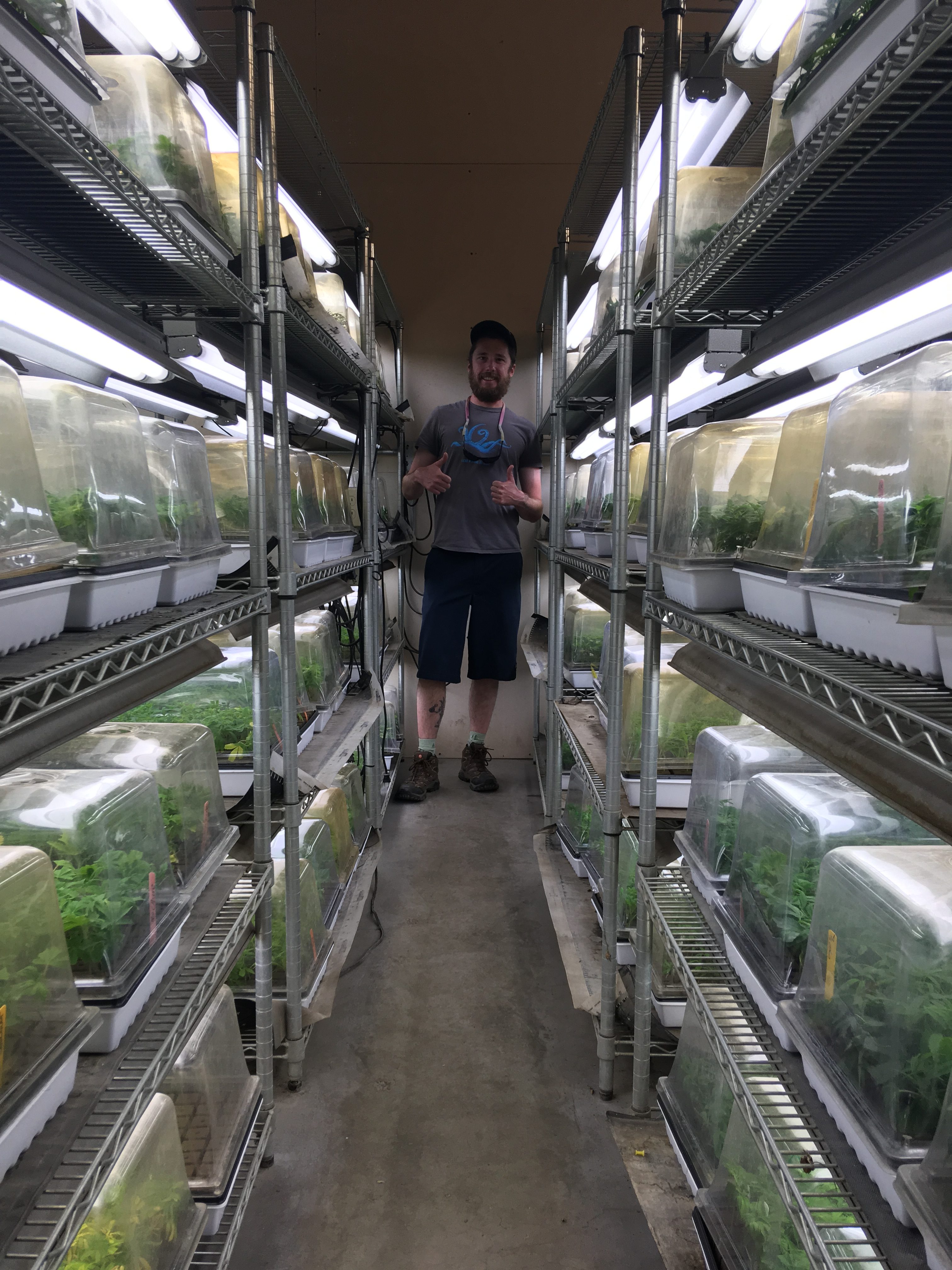
A central narrative within modern cannabis tourism is the promotion of sustainable agricultural practices. Traditional indoor cannabis cultivation is notoriously energy-intensive, requiring massive amounts of artificial lighting and climate control that can leave a heavy carbon footprint.
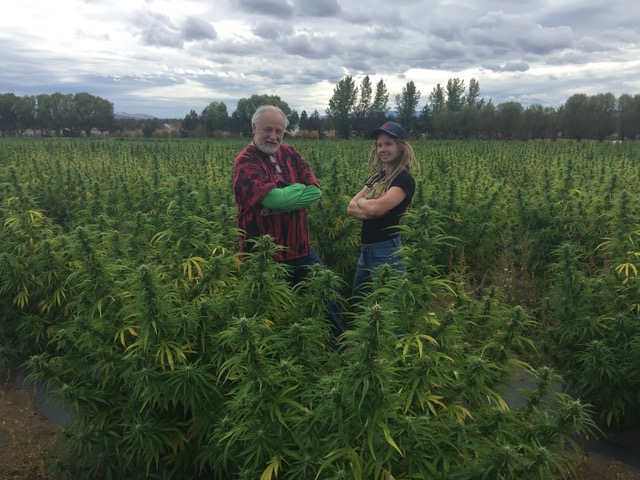
Pioneering tour operators are actively challenging this paradigm by taking visitors to environmentally sustainable, outdoor sungrown farms. Kurth highlights producers in Humboldt County who eschew heavy chemical inputs, excessive water consumption, and fossil-fuel-dependent indoor setups in favor of organic, sun-drenched farming methods. By showcasing these regenerative practices, tour companies position cannabis agriculture as a more ecologically harmonious alternative to heavy manufacturing or resource-extraction industries.
Future Outlook: Federal Reform and Industry Expansion
As state-level legalization continues to expand globally, industry stakeholders remain highly optimistic about the trajectory of cannabis tourism. Many insiders believe that federal legalization in the United States is no longer a matter of if, but when.
Drawing historical parallels, Grozovsky points to the repeal of alcohol prohibition in 1934, when the federal government was ultimately forced to act once 37 states had legalized alcohol. With a substantial majority of U.S. states now maintaining legal frameworks for either medicinal or recreational cannabis, industry analysts argue that federal lawmakers will soon be compelled to reconcile federal statute with state-level realities.
Destination Marketing Organizations (DMOs), which initially distanced themselves from the sector, are increasingly recognizing its economic viability. Partnerships between local tourism boards—such as Visit Bend in Oregon—and cannabis operators illustrate a growing institutional acceptance. As infrastructure matures, regulatory hurdles diminish, and public perception continues to evolve, cannabis tourism is well-positioned to remain a permanent, dynamic pillar of the modern global travel industry.