A Journey of Resilience and Adaptation: Jodi Ettenberg Updates Her Community on Life with Chronic Illness

The transition from a career defined by global travel and culinary exploration to one anchored in the navigation of chronic, debilitating health conditions is a profound shift that few public figures document with the transparency of Jodi Ettenberg. Known historically as the creator of Legal Nomads, Ettenberg has recently provided a comprehensive update on her life in Gatineau, Quebec, detailing her ongoing battle with a spinal cerebrospinal fluid (CSF) leak, her path toward semi-independent living, and the evolution of her digital presence. This update serves not only as a personal milestone but as a case study in the logistical and psychological realities of managing invisible disabilities.
The Chronology of a Health Crisis and Lifestyle Pivot
Ettenberg’s professional trajectory was long defined by her expertise in food culture and travel documentation. However, the onset of a spinal CSF leak—a condition where fluid surrounding the brain and spinal cord leaks through a hole in the dura mater, leading to debilitating headaches and neurological symptoms—fundamentally altered her operational capacity. Following an April hiatus from her primary blog, the last several months have been dedicated to stabilizing her living environment and recalibrating her professional output to accommodate a body governed by chronic pain.

Since May 2021, Ettenberg has resided in Gatineau, Quebec, a strategic move intended to place her in closer proximity to her family in Ottawa. This relocation represents a deliberate effort to achieve a measure of autonomy. The logistical challenges of the move were significant; the limitations imposed by her condition required a complete redesign of her living space. Basic household tasks—ranging from operating a refrigerator drawer to lifting standard kitchenware—presented significant risks to her health, necessitating modifications such as the installation of specialized storage solutions and lightweight equipment. Her brother and his partner provide essential weekly support, highlighting the necessity of a structured care network for those living with chronic, non-visible disabilities.
Understanding Spinal CSF Leaks and Immune Complications
The medical implications of Ettenberg’s situation extend beyond the primary diagnosis of a CSF leak. Recent consultations with specialists have enabled her to begin connecting the physical symptoms she experienced for years prior to her official diagnosis with her current condition. A significant focus of her recent research involves the role of mast cells, which serve as "sentinels" of the immune system.
Mast cell activation and dysfunction are increasingly recognized in chronic pain literature as contributors to systemic inflammation and neurological distress. By identifying these physiological threads, Ettenberg is moving toward a more nuanced understanding of her health history. Data from the Chronic Pain Research Alliance suggests that individuals with structural spinal issues often exhibit secondary immune responses that complicate recovery, a trend that aligns with the specialized medical trajectory Ettenberg is now navigating. Her ongoing documentation of this process serves as a resource for others experiencing similar, often misdiagnosed, chronic pain syndromes.

The Evolution of Digital Platforms and Professional Strategy
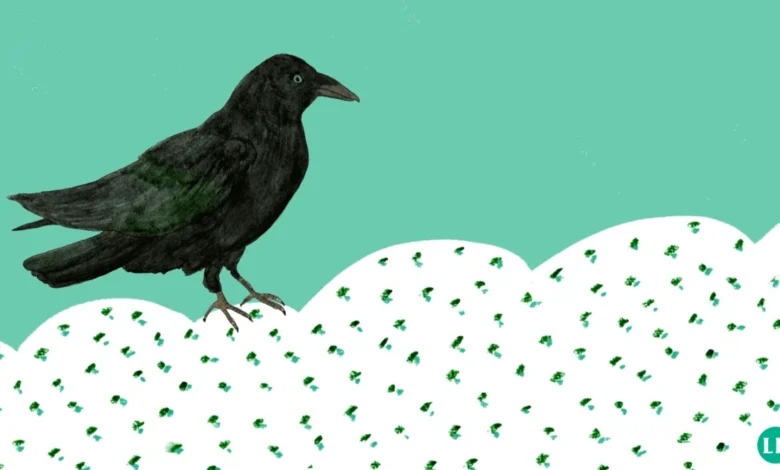
The restructuring of the Legal Nomads brand reflects a broader shift in Ettenberg’s priorities. The website has undergone a significant visual and thematic overhaul, replacing the previous focus on food and travel with a broader mandate: "Curious about everything." The introduction of "Arthur the Raven" as a brand mascot symbolizes this pivot toward intellectual curiosity, even within the confines of a restricted physical environment.
Central to this professional shift is the expansion of her Patreon community. Originally intended as a mechanism for financial support, the platform has evolved into a repository for chronic pain resources. This transformation is significant in the context of the creator economy, where creators are increasingly moving toward community-led support models. Ettenberg’s appointment as a Patreon ambassador—a distinction awarded to a small percentage of the platform’s 200,000 creators—validates her approach to building a niche, high-engagement community centered on shared experiences of adversity.
Furthermore, Ettenberg has streamlined her digital infrastructure, including the migration of her email distribution to ConvertKit following the deprecation of Google’s Feedburner. These technical adjustments, while minor to the casual observer, represent the meticulous labor required to maintain a digital legacy while managing severe physical limitations.

Broader Implications of Accessible Digital Storytelling
Ettenberg’s story offers a template for the intersection of disability advocacy and digital content creation. Her work addresses a critical gap in the mainstream discourse: the day-to-day management of chronic illness. By providing practical advice on accessible living—such as how to organize a kitchen for someone with limited physical bandwidth—she is filling a void for a demographic that is often overlooked in traditional lifestyle media.
The economic and psychological implications of her transition are also noteworthy. The shift from a travel-based income model to one based on direct audience support (Patreon and one-time contributions) demonstrates the viability of the "creator-as-expert" model. Ettenberg has moved away from the volatile nature of travel-based advertising, instead leveraging her lived experience to provide professional value to a loyal audience.
Expert Analysis: The Intersection of Autonomy and Chronic Pain
Medical sociologists note that the transition to "semi-independent" living is a critical psychological threshold for those with chronic illnesses. The ability to manage one’s own space, even with outside assistance, significantly impacts mental health and overall life satisfaction. Ettenberg’s emphasis on "feeling useful" aligns with findings in occupational therapy, which suggest that the retention of agency—however modified—is the primary predictor of long-term psychological resilience in patients with chronic pain.

As Ettenberg prepares to release more extensive writing on mental mindset and the strategies for navigating periods of extreme physical challenge, her platform continues to serve as an bridge between the medical community and the public. By translating complex, often isolating experiences into accessible, actionable content, she is redefining the role of the digital nomad: moving from the exploration of geography to the exploration of the human condition under duress.
The future of the Legal Nomads project appears to be one of sustainable, deliberate growth. While her physical mobility remains constrained by the reality of a persistent CSF leak, her influence in the chronic pain community is expanding. Through the combination of rigorous personal health documentation, professional strategic planning, and a commitment to community-based support, Ettenberg continues to demonstrate that a life defined by limitation can still be one of profound contribution and intellectual output. Her upcoming projects, including a dedicated piece on mental health, will likely further solidify her position as a leading voice for those navigating the complex intersection of digital innovation and chronic health management.