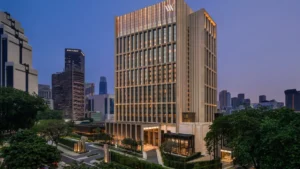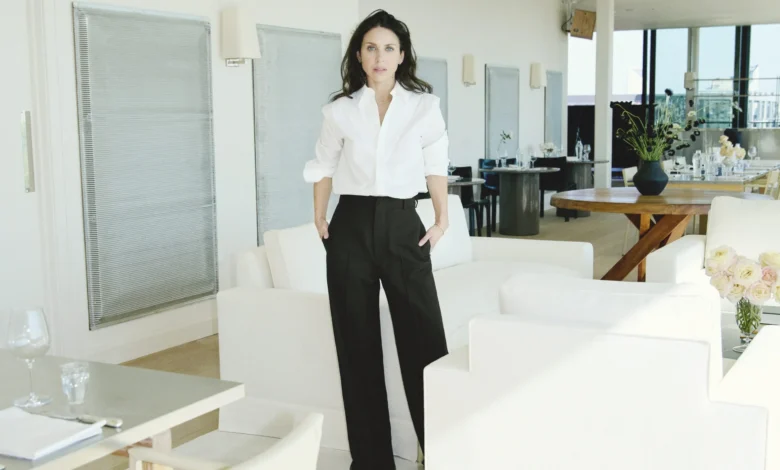
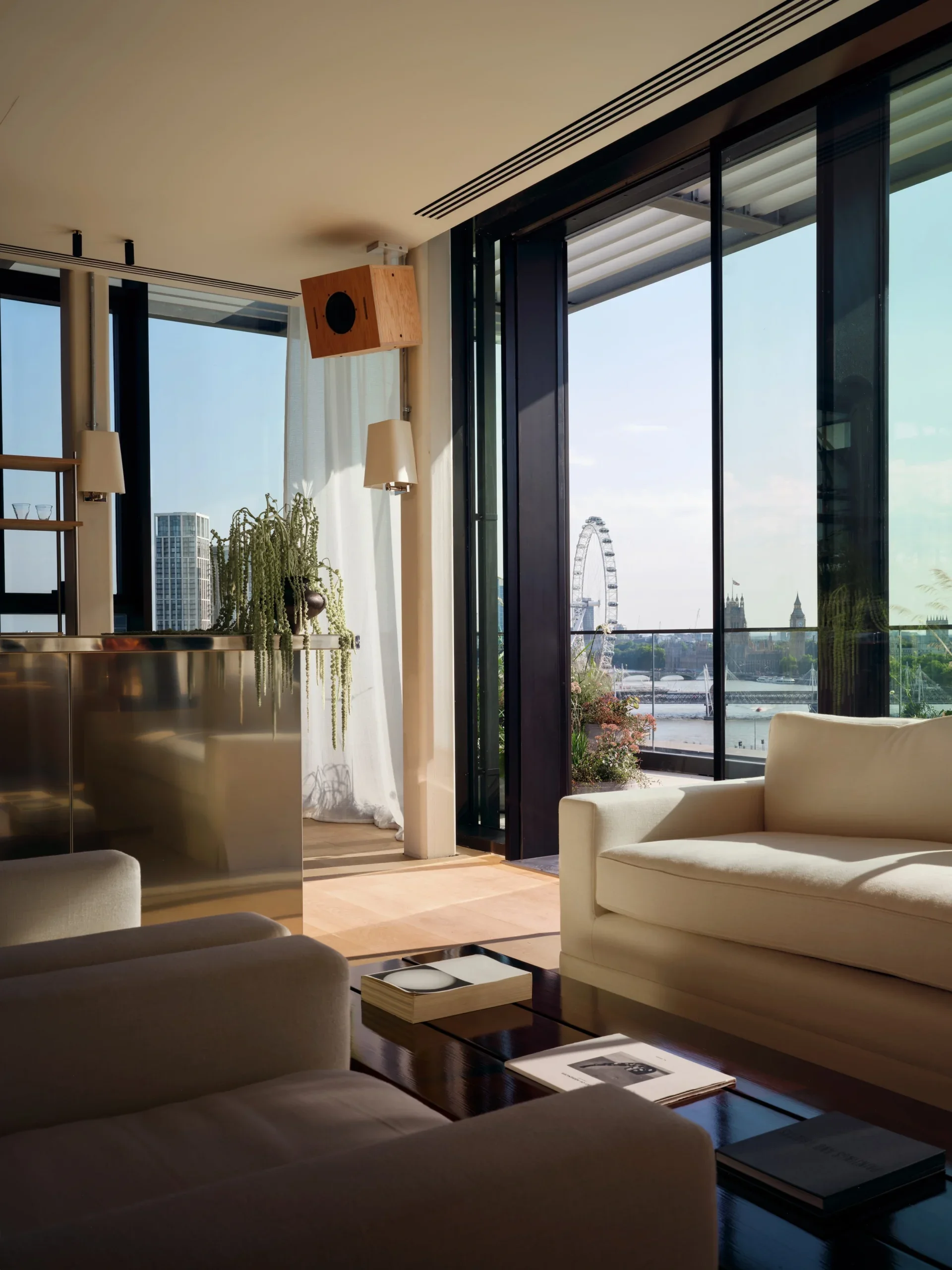
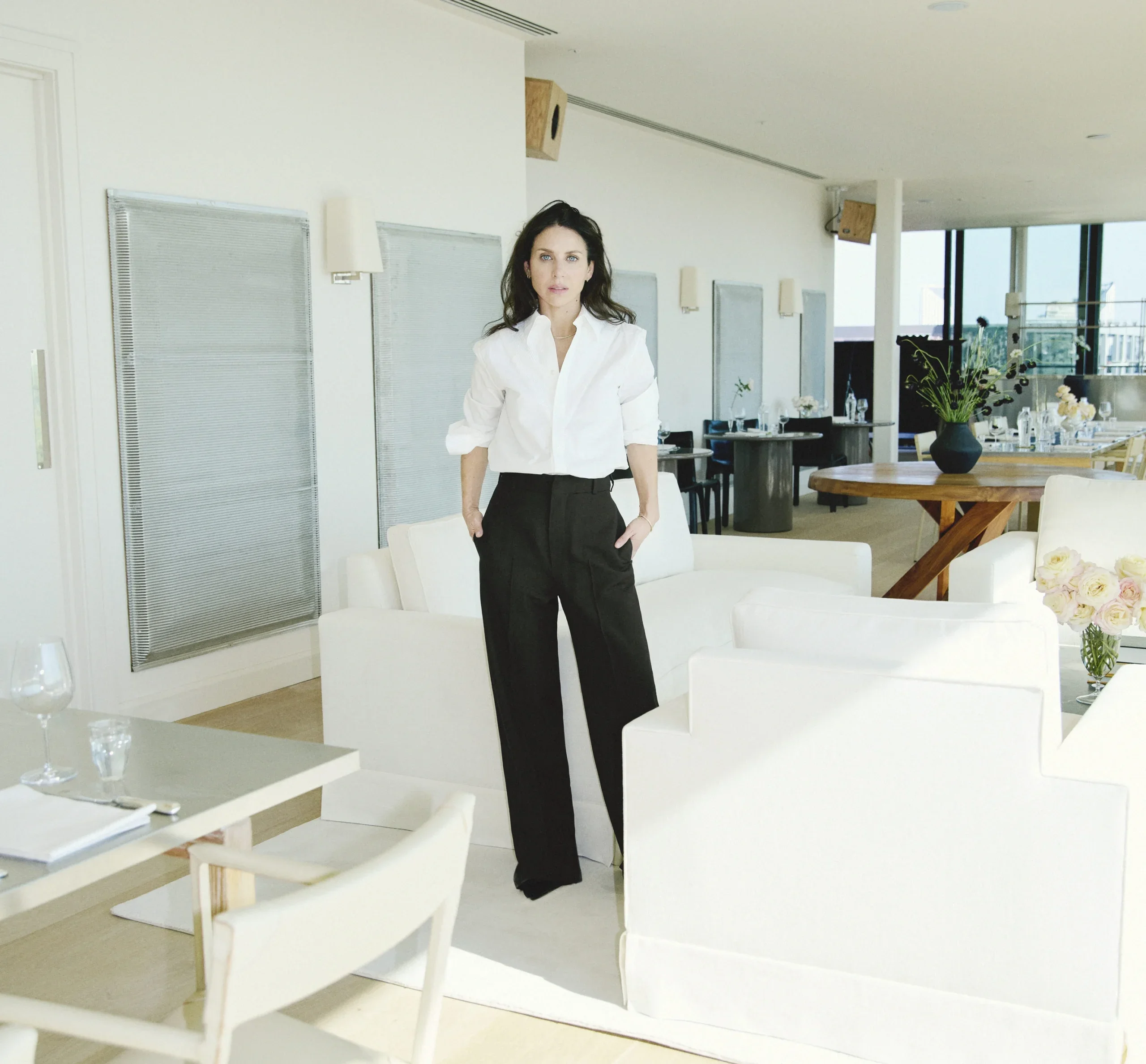
The opening of Lunette at the newly unveiled Hotel Clement marks a significant milestone in the London hospitality landscape, representing the highly anticipated return of chef Florence Knight to a permanent kitchen. Following her tenure at the critically acclaimed Sessions Arts Club—where her minimalist, ingredient-focused philosophy garnered a dedicated following and significant industry prestige—Knight’s latest venture has become the subject of intense focus. Situated at the apex of the Hotel Clement, a project spearheaded by hospitality veteran and former Soho House executive Nick Jones, the restaurant occupies a vantage point that offers both a panoramic view of the city’s skyline and an ambitious culinary vision.
The launch of Lunette is not merely a restaurant opening; it is the physical manifestation of a specific aesthetic and operational philosophy that prioritizes intentionality over scale. By integrating high-end design, bespoke service protocols, and a hyper-curated menu, the establishment attempts to bridge the gap between fine dining and a private, residential-style experience.
A Chronology of Artistic Curation and Design
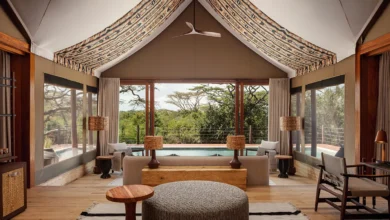
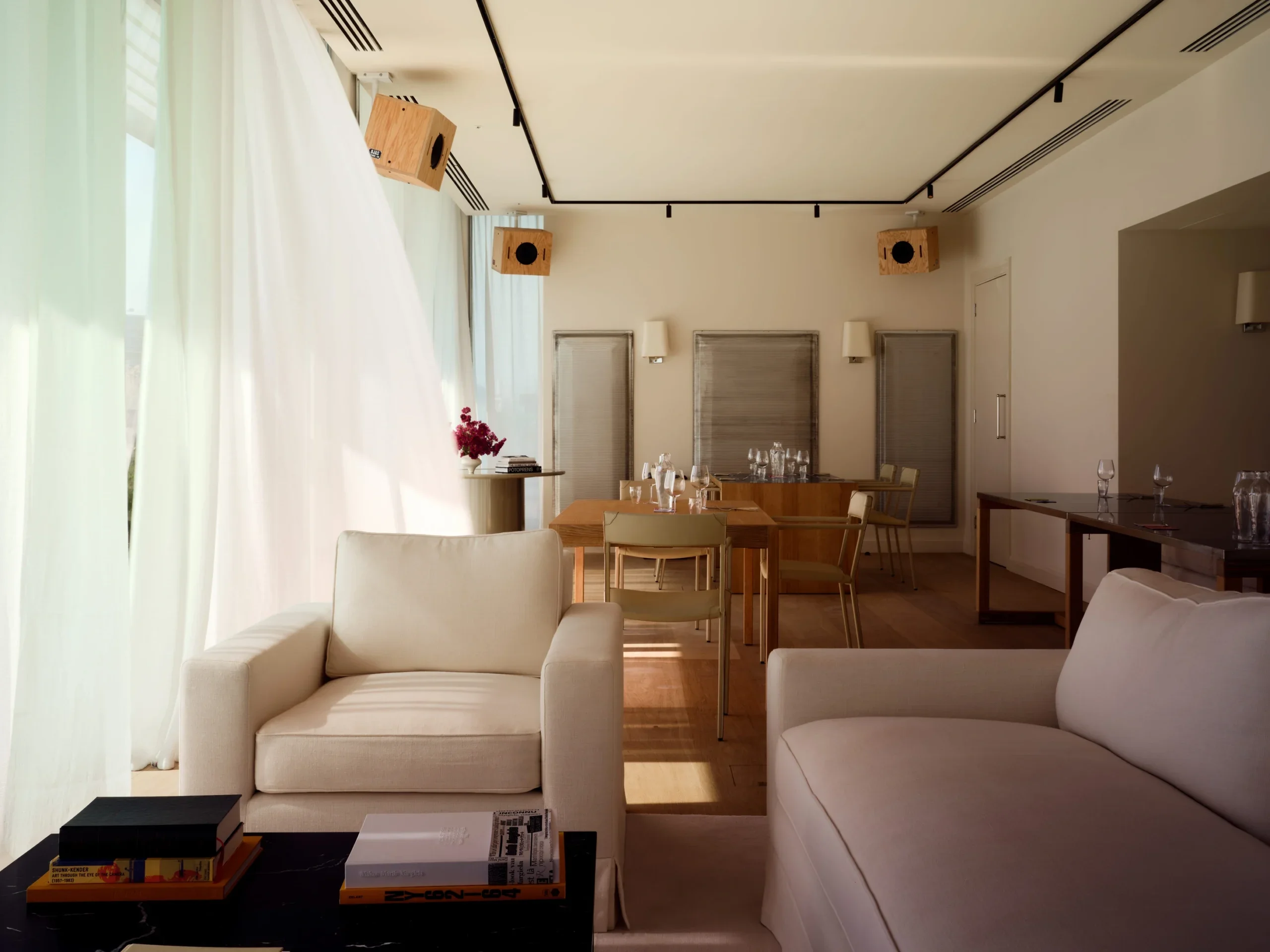
The development of Lunette can be traced back to the broader vision for Hotel Clement, which sought to redefine the modern luxury urban retreat. The restaurant’s physical environment was crafted to reject the traditional high-density layout of metropolitan fine dining. Instead, the floor plan emphasizes negative space, with dining tables spaced to allow for privacy and a sense of exclusivity. The interior design, influenced by Alex Eagle Studio, features curated art books, sofas, and an acoustic environment supported by a custom-engineered sound system.
The logistical timeline leading to the opening involved meticulous sourcing of materials from international artisans. The glassware, handblown in Denmark, complements the ceramics provided by Japanese artist Tetsuya Otani. These elements, combined with a uniform design that favors professional workwear aesthetics—accented by vibrant Onitsuka Tiger sneakers—create a cohesive, branded environment. This attention to detail extends to the beverage service, where house gin martinis are served in dual-vessel portions to maintain an optimal temperature, reflecting a commitment to technical precision.
Culinary Philosophy and Ingredient-Led Minimalism
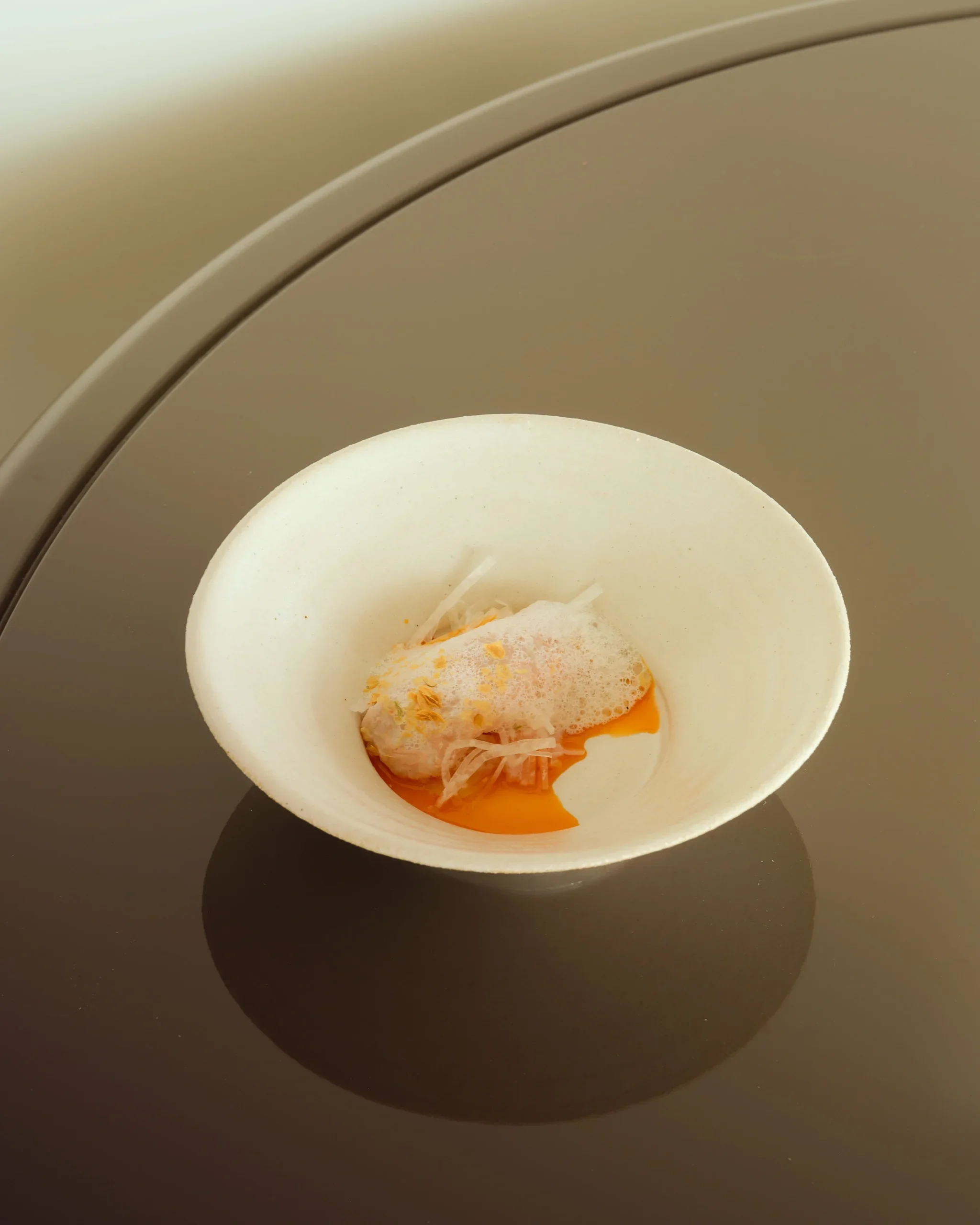
At the center of the Lunette experience is Florence Knight’s signature approach to gastronomy: the deliberate restriction of ingredients. In a culinary climate that often favors complexity and maximalist preparation, Knight’s menu serves as a counter-narrative. The salmon roe choux buns, garnished with nasturtium, and the squid served in a clarified tomato water infused with herbaceous oil, illustrate a reliance on the quality of raw components rather than technical obfuscation.
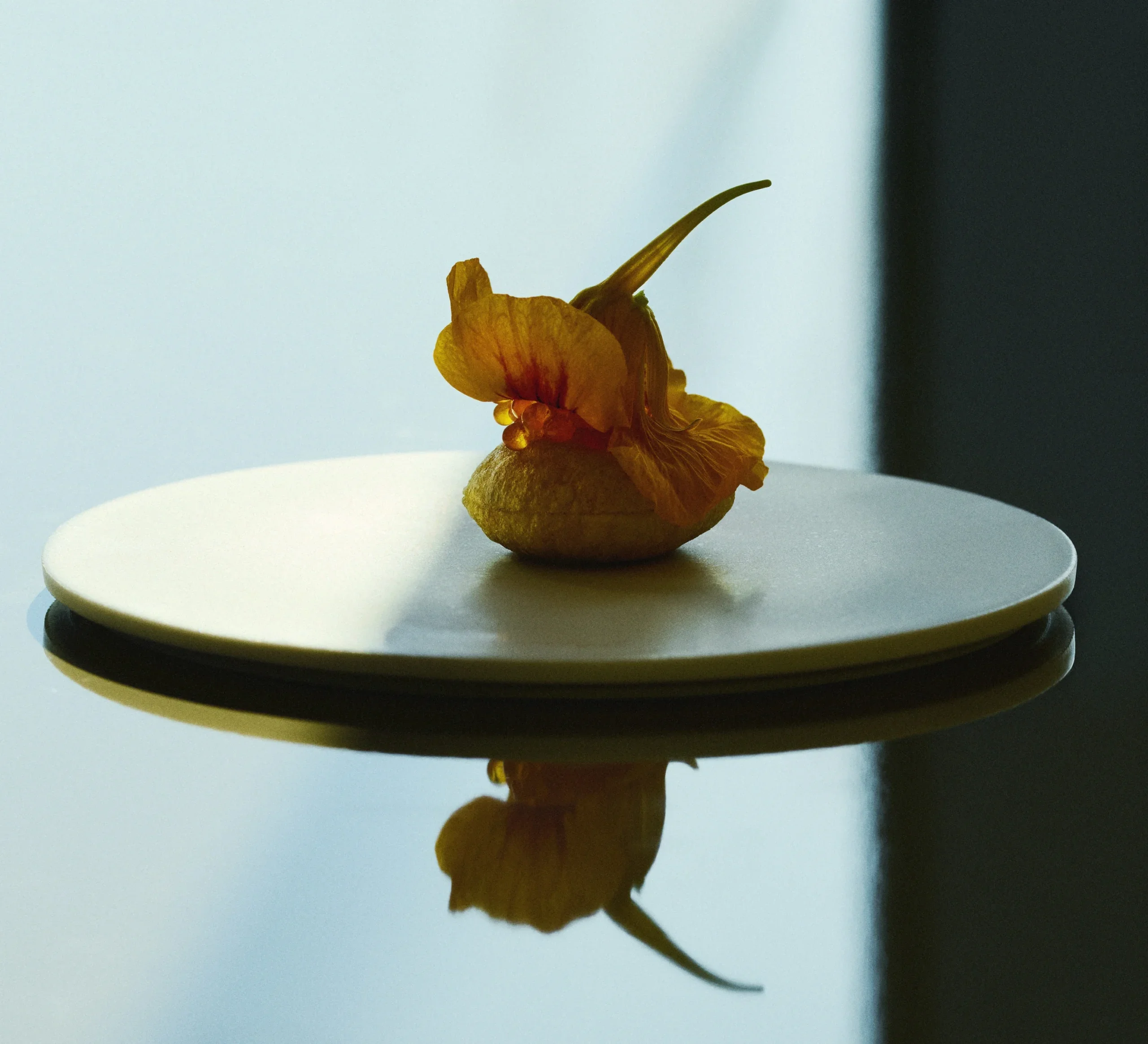
Data regarding the menu structure suggests a lean, six-course progression, supplemented by an amuse-bouche and a final petit fours service. While this format is standard for tasting-menu-driven fine dining, the portion sizing has become a primary point of discussion among early observers. The lack of a bread course, historically a staple of the European fine-dining experience, combined with the delicate scale of the courses, creates a distinct experience that prioritizes sensory engagement over caloric volume.
Operational Analysis and Market Positioning
From an operational standpoint, the restaurant’s service model is as lean as its menu. The wine pairing program is notably robust, offering unconventional selections such as dry Marsala paired with caviar. This presents an interesting juxtaposition: the intensity of the beverage program often outpaces the satiety levels provided by the kitchen’s offerings.
Analysts within the hospitality sector note that the "minimalist" trend, while aesthetically pleasing, poses a specific set of challenges in the current economic climate. As luxury dining patrons increasingly expect a comprehensive value proposition, the balance between artistic expression and the fundamental requirement of satisfying a guest’s appetite becomes a critical metric for long-term viability. The inclusion of a signature chocolate torte—a holdover from Knight’s previous, well-received work—serves as a necessary anchor for the meal, providing the weight and depth that the earlier, lighter courses may intentionally omit.
Official Perspectives and Industry Response
While official statements from the Hotel Clement management emphasize the synergy between the hotel’s "maverick" spirit and Knight’s "sensitive" cooking, the broader industry response has been one of curiosity. Nick Jones, whose reputation for successful hospitality ventures is well-established, has reportedly invested heavily in the integration of the restaurant into the hotel’s identity. The partnership is designed to position Hotel Clement as a destination not just for accommodation, but as a premier culinary hub.
The involvement of Alex Eagle, who oversaw the visual identity and textile components of the restaurant, underscores the project’s aspiration to move beyond the traditional "chef-led" restaurant model. By creating a lifestyle-oriented space, the team is attempting to capture a demographic that values design and atmosphere as much as the meal itself.
Broader Implications for London Dining
The emergence of Lunette highlights a shifting tide in London’s gastronomic scene. There is a perceptible move toward "considered" dining, where every object—from the fabric mats beneath a martini glass to the typography on the menu—is part of a cohesive design narrative. However, this level of curation necessitates a high price point and a specific, often rarefied, guest profile.
The reliance on small, ingredient-centric plates has significant implications for kitchen operations. It requires a high level of staff coordination and an impeccable supply chain, as there is no room for error when a dish relies on so few components. Should the establishment choose to maintain this trajectory, the success of the venture will likely depend on the team’s ability to communicate the value of this "less is more" philosophy to a diverse international clientele.
Furthermore, the "GLP1-friendly" nature of the menu—an observation often made about modern, ultra-light tasting menus—reflects a broader trend in luxury dining toward health-conscious, smaller portions. As wellness becomes a central pillar of the high-net-worth lifestyle, restaurants that mirror these dietary preferences are finding an eager, if sometimes hungry, audience.
The Path Forward
The coming months will provide a clearer picture of how Lunette adapts to the demands of the public. If the history of Florence Knight’s career is any indication, the restaurant is likely to undergo iterative refinements. While the current menu’s brevity is a deliberate aesthetic choice, the operational flexibility of a permanent project allows for the potential introduction of larger, more satiating dishes should the feedback from the dining room necessitate a shift.
For now, Lunette remains a study in controlled elegance. It is a venue that demands patience and an appreciation for the subtle. It does not attempt to satiate in the traditional, hearty sense; rather, it attempts to leave the diner with a lingering impression of beauty and technical restraint. Whether this approach remains a niche experience or defines the next chapter of London’s restaurant scene depends on how well the establishment balances the delicate scales of art, atmosphere, and the fundamental human need for nourishment.
As Hotel Clement continues to establish its footprint in the city, the symbiotic relationship between the hotel’s residential design and the restaurant’s surgical approach to dining will be closely watched. If successful, Lunette could well become the blueprint for a new wave of urban dining: quiet, considered, and remarkably, almost stubbornly, minimalist.