The culinary landscape of Malaysia is internationally recognized as one of the most culturally diverse and historically rich gastronomic networks in Southeast Asia. Shaped by centuries of cross-cultural trade, migration, and indigenous botanical biodiversity, the nation’s cuisine serves as a living testament to the synthesis of Malay, Chinese, and Indian culinary traditions. At the intersection of this rich food heritage stands Kuala Lumpur, a bustling metropolis where traditional street food intersects with institutional eateries. Among the myriad dishes that define this culinary identity, Fish Head Curry—particularly as prepared at the Tugu View Cafe near the historic Tugu Negara (National Monument)—offers a profound analytical case study into the mechanics of Malaysian gastronomy, cultural fusion, and urban food tourism.
Main Facts and Culinary Mechanics of Malaysian Gastronomy
Malaysian cuisine is fundamentally rooted in the integration of native Southeast Asian ingredients with cooking methodologies introduced by historical immigrant populations. The foundation of local flavor profiles relies heavily on rhizomes such as galangal, turmeric, and ginger, alongside aromatic leaves, fresh seafood, and an extensive utilization of coconut milk. This indigenous biodiversity merged seamlessly with the spice-trading heritage brought by Indian merchants and the wok-frying and noodle-making traditions introduced by Chinese laborers during the colonial and pre-colonial eras.
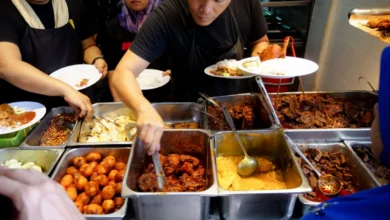
At the center of this daily culinary consumption is nasi campur, a ubiquitous dining format translated loosely as "mixed rice." Operating predominantly on a buffet-style distribution model, nasi campur allows patrons to construct personalized plates by selecting from a vast array of pre-cooked dishes arranged over a steaming bed of white rice. According to culinary assessments in Kuala Lumpur, a standard nasi campur spread typically features creamy and spiced curries, braised meats, hyper-local green vegetables, and whole-fish preparations.
The dining methodology associated with nasi campur—specifically the traditional practice of inundating the rice bed with multiple ladles of rich, spiced curry sauces before consumption—is engineered to maximize flavor absorption across every grain of rice. This practice underscores a broader philosophy within Malaysian food culture: maximizing sensory engagement through texture, heat, and complex spice layering.
Chronology and Historical Context of the Tugu View Cafe Location
The culinary experience at the Tugu View Cafe is intrinsically linked to the historical geography of Kuala Lumpur’s Lake Gardens district. The restaurant derives its name from the nearby Tugu Negara, Malaysia’s National Monument, which was commissioned in 1963 and officially opened in 1966. Designed by the Austrian sculptor Felix de Weldon, the monument commemorates the sacrifices of Malaysian service personnel who fought against communist insurgency during the Malayan Emergency (1948–1960).

The establishment of food outposts like the Tugu View Cafe alongside institutional and historical landmarks reflects a broader socio-economic trend in post-independence Malaysia: the integration of public civic spaces with accessible, community-driven food culture. Operating daily from 7:00 AM to 6:00 PM (excluding Sundays), the cafe functions not merely as a commercial enterprise, but as a culinary archive preserving Malay-style curry recipes that have been standardized over generations.
The chronological evolution of the site highlights the shifting nature of urban tourism in Kuala Lumpur. Originally serving primarily local civil servants, workers, and visitors to the surrounding Lake Gardens and Perdana Botanical Garden, the cafe has gradually transitioned into a recognized waypoint for international food documentarians, cultural tourists, and culinary historians seeking authentic, non-commercialized local cuisine.
Supporting Data and Nutritional Analysis of Red Snapper Curry
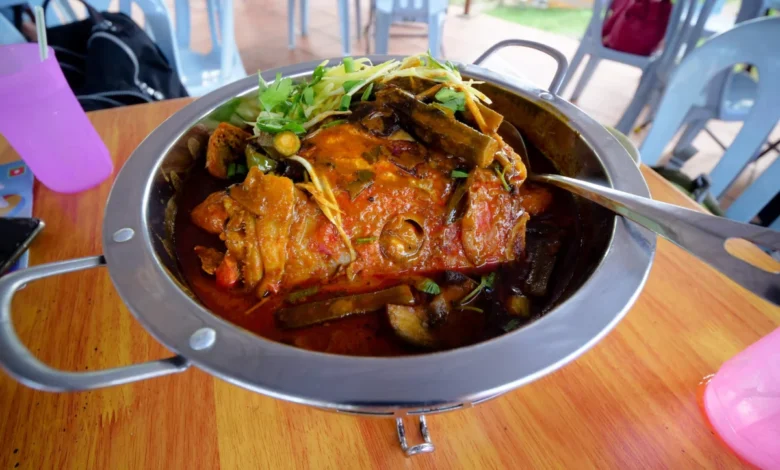
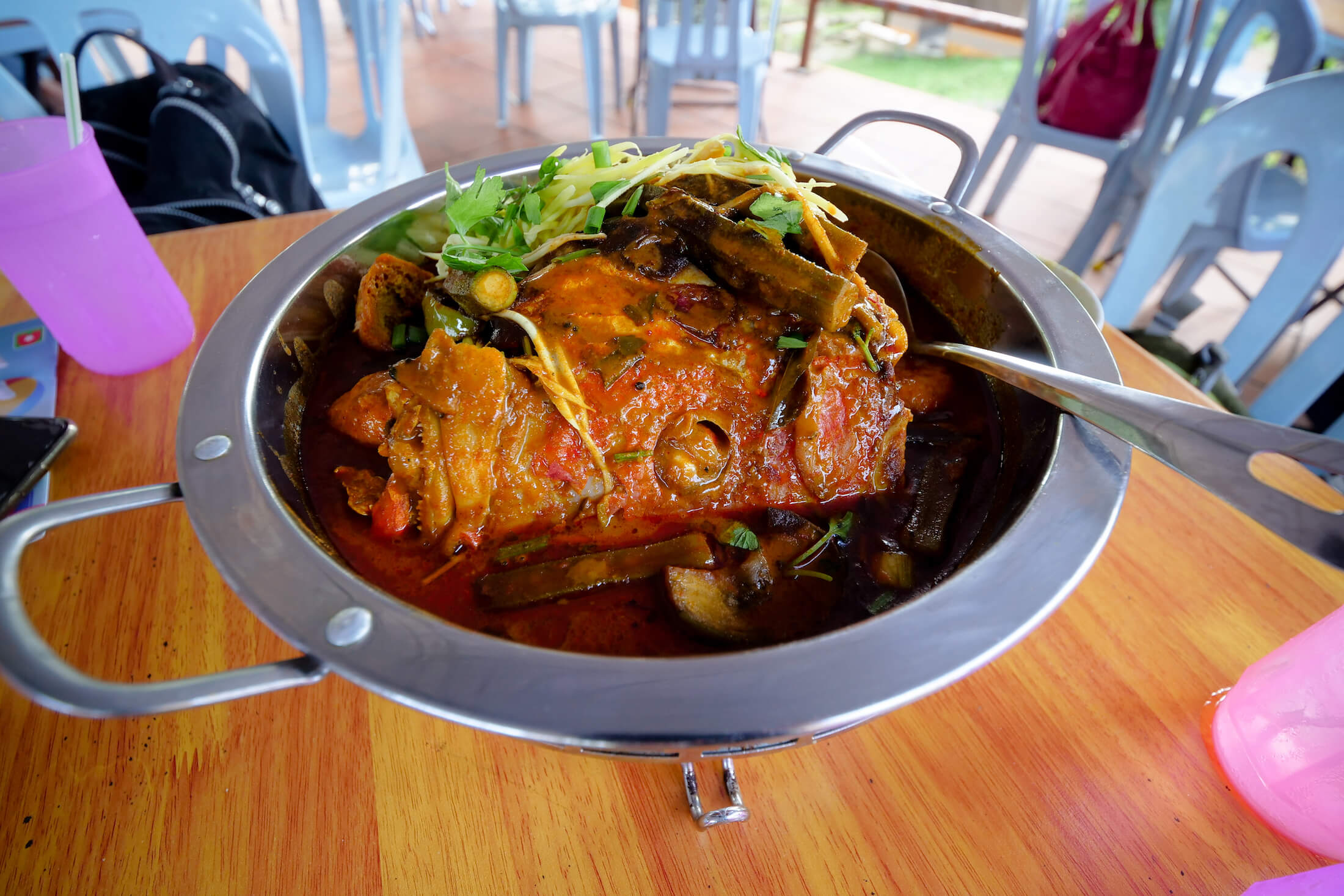
The signature dish of the Tugu View Cafe—Fish Head Curry—represents an ingenious intersection of resourcefulness, flavor science, and culinary appreciation. Utilizing the head of the Red Snapper, locally known as Ikan Merah, the dish leverages anatomical components of the fish that are frequently overlooked in Western culinary traditions.

From a gastronomic and nutritional standpoint, the head of a large marine fish like the Red Snapper contains an exceptionally high concentration of gelatin, collagen, and delicate muscle tissues situated within the cheeks, eye sockets, and cranium. When subjected to the prolonged simmering process characteristic of Malaysian curry preparation—which incorporates coconut milk, tamarind for acidity, curry leaves, fenugreek, and a complex paste of chili, shallots, garlic, and dried spices—the connective tissues break down, imparting a velvety viscosity to the broth.
Data compiled from local food economy surveys in Kuala Lumpur indicate that specialty fish head dishes command a premium price relative to standard mixed-rice options. For instance, a comprehensive meal featuring a large Red Snapper head, side vegetables, and multiple servings of rice at establishments like Tugu View Cafe can total approximately 144 Malaysian Ringgit (approx. $35 USD), while smaller iterations scaled for individual or dual consumption remain accessible at half the cost. This pricing structure reflects both the market value of fresh ocean-caught Red Snapper and the labor-intensive preparation required to balance the fiery, sour, and rich flavor profile of the curry base, which is traditionally complemented by additions such as firm tofu squares and okra (lady’s finger).
Socio-Cultural Implications and Tourism Impact
The cultural footprint of establishments like the Tugu View Cafe extends far beyond local nutrition, serving as a vital engine for culinary tourism in Malaysia. Gastronomic tourism has been formally recognized by regional development agencies as a primary catalyst for economic diversification, cultural exchange, and international destination branding.

Food-focused travel has fundamentally altered how visitors interact with Malaysian urban centers. Rather than navigating solely through museums and architectural landmarks, tourists increasingly utilize local eating establishments as primary educational gateways into the nation’s pluralistic society. The harmonious coexistence of Malay culinary techniques with Chinese and Indian ingredients mirrors the broader socio-political fabric of Malaysia’s multi-ethnic population.
Furthermore, the operational dynamics of the Tugu View Cafe—characterized by its unassuming physical entrance through a multi-tiered staircase near parkland facilities and tourist bus drop-off zones—illustrate the grassroots nature of authentic Malaysian food culture. Unlike heavily gentrified culinary districts designed exclusively for international clientele, traditional nasi campur cafes maintain a democratic seating environment where local laborers, corporate executives, and international travelers dine under the same communal ethos.
Broader Impact and Future Outlook for Malaysian Food Heritage
As global interest in Southeast Asian gastronomy intensifies, the preservation of traditional recipes like Malay-style Fish Head Curry assumes critical importance. Rapid urbanization, generational shifts in labor, and the commercialization of street food present both opportunities and challenges for heritage eateries in Kuala Lumpur.

The economic viability of traditional food hubs depends heavily on the continued availability of fresh, locally sourced marine resources and the intergenerational transfer of culinary knowledge. Establishments that maintain rigorous standards of preparation—such as the meticulous balancing of tamarind acidity with rich coconut milk and fresh spice pastes—safeguard the integrity of Malaysia’s culinary archives against homogenization.
Ultimately, the phenomenon encapsulated by the Tugu View Cafe demonstrates that food in Malaysia functions as an active participant in national identity formation. By merging historical reverence for independence landmarks with the sensory richness of traditional nasi campur and Red Snapper curry, Kuala Lumpur reinforces its status as a premier global destination where culinary heritage remains as vibrant, diverse, and resilient as the society that created it.