Navigating the Pandemic Paradox: How Rural and Sustainable Tourism is Adapting to a New Global Reality

The COVID-19 pandemic has triggered an unprecedented crisis across the global tourism sector, bringing international travel to a near-complete standstill for months at a time. While urban centers, traditional resort hubs, and mass-market cruise lines faced devastating financial losses throughout 2020 and into early 2021, a different narrative has quietly unfolded in remote and rural destinations. Driven by the inherent advantages of wide-open spaces, low population densities, and natural social distancing, rural tourism operators have found unique pathways to survival. However, reopening and sustaining operations amidst a patchwork of shifting international policies, travel restrictions, and community health concerns requires a delicate balance of operational agility, profound local commitment, and rigorous health protocols.
The Anatomy of the Tourism Crisis: A Timeline of Disruption
The cascading collapse of the global tourism economy began in earnest in early 2020 as the World Health Organization declared COVID-19 a global pandemic in March of that year. International borders slammed shut, major airlines grounded the vast majority of their fleets, and tour operators were forced to cancel itineraries indefinitely.
During the initial months of the crisis, the primary objective across the industry was survival, managing mass cancellations, and securing emergency liquidity. By the summer and autumn of 2020, however, localized resurgences and shifting quarantine protocols created a deeply fractured travel landscape. While mass tourism remained paralyzed, rural and nature-based tourism began to experience a tentative, highly localized revival. Travelers weary of lockdowns and urban density sought refuge in national parks, countryside retreats, and remote communities where the risk of viral transmission was perceived to be significantly lower.
This trend was observed firsthand by industry experts like Kirsi Hyvaerinen, a member of the Board of Directors at the Global Ecotourism Network. Undertaking a comprehensive overland journey between August and October 2020 from Montenegro to Finland and back, Hyvaerinen documented how rural tourism enterprises that successfully resumed operations shared common operational traits: strict adherence to localized hygiene standards, flexible booking terms, and deep integration with their surrounding communities.
Policy Barriers and the Shifting Regulatory Maze
Despite the natural advantages of rural destinations—such as lower population density and expansive outdoor settings—tourism businesses operating outside urban centers face formidable obstacles. Many of these challenges remain entirely outside the control of individual operators, rooted instead in sweeping government policies and public health mandates.
Vicky Smith, a sustainable tourism consultant and founder of Earth Changers, a curated collection of positive-impact tourism initiatives, highlights the severe regulatory bottlenecks stifling international travel recovery.
"The biggest challenges appear perhaps more at policy level," Smith notes. "In the UK, for example, the Foreign, Commonwealth & Development Office currently advises British nationals against all but essential international travel, with the exemption of some listed countries and territories."
This government-led advisory framework creates a cascading legal and financial problem for consumers and operators alike. According to Smith, such advisories render travel insurance null and void for destinations not explicitly featured on government exempt lists. This invalidation applies even if commercial airlines are actively operating routes to those regions and comprehensive COVID-19 medical coverage could otherwise be secured.
Compounding the insurance dilemma is the volatile nature of regulatory updates. Government "exempt" lists frequently undergo weekly, or even daily, revisions. This constant state of flux has severely eroded consumer confidence, leaving prospective travelers paralyzed by the fear of sudden policy shifts. The persistent threat of mandatory, unplanned quarantines upon returning home adds an unacceptable level of personal and professional disruption, effectively choking off forward bookings and suppressing demand across the board.
The Dilemma of Access: Protecting Vulnerable Communities
Beyond national travel advisories and insurance hurdles, rural tourism suppliers face complex ethical and logistical dilemmas regarding community health. While travelers look to rural areas as safe havens away from crowded cities, local populations and rural enterprises often harbor deep anxieties about welcoming outsiders.
As Smith points out, infection rates during various waves of the pandemic were frequently highest in major metropolitan hubs. Because international and domestic tourists typically must transit through these urban centers to reach remote rural regions, local communities worry that visitors could inadvertently introduce the virus. This fear is exacerbated by the reality that rural environments often lack advanced hospital infrastructure, specialized medical equipment, or the surge capacity required to manage severe COVID-19 outbreaks. Consequently, many rural communities and suppliers have exercised extreme caution, balancing the economic necessity of tourism against the paramount priority of public health protection.
Redefining Corporate Responsibility: Community-First Tourism
In the face of these structural and operational hurdles, industry leaders emphasize that successful rural tourism in the COVID-19 era cannot rely solely on marketing natural beauty or social distancing. Instead, businesses that have successfully weathered the storm are those deeply embedded in the social fabric of their host communities, prioritizing local welfare above short-term commercial gains.
"The pandemic has magnified and clearly demonstrated company values and behavior," Smith observes. "We’ve all seen companies who have behaved irresponsibly in the pandemic, which will be remembered. Those who have stepped up will equally be remembered for their help. This isn’t a cynical PR play, it’s organizations staying true to their values of supporting local people and places, which they’ve always done, and now it’s virtually understood."
Real-world examples underscore this paradigm shift toward radical community support:
- Grootbos Private Nature Reserve (South Africa): Operating through its dedicated foundation, this private nature reserve dramatically scaled up its free community meal program during the pandemic. Aimed primarily at feeding children who could no longer attend school and receive government-subsidized meals, the initiative distributed staggering quantities of food. By June 18, 2020, the foundation had provided 100,000 meals, a figure that surged to 125,502 meals by July 7, feeding between 1,700 and 2,300 individuals daily.
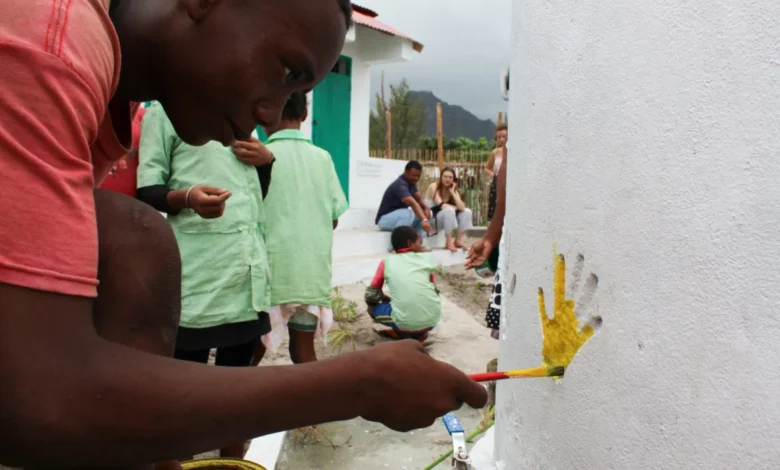
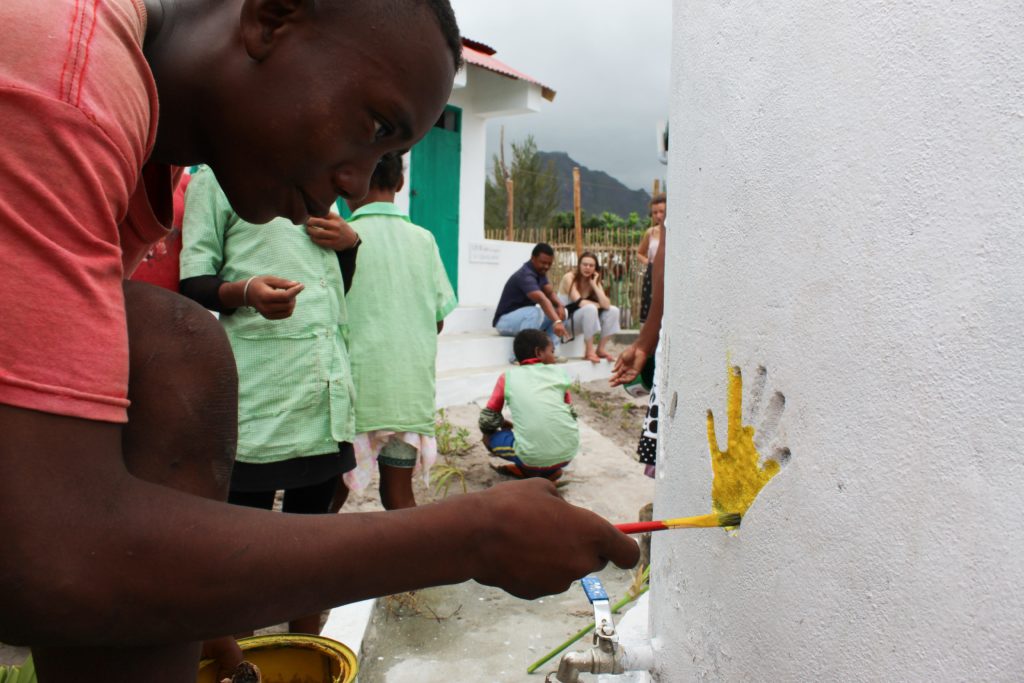
- Seed Madagascar (Madagascar): This non-governmental organization traditionally welcomes tourism through conservation volunteering programs. During the pandemic, when traditional tourism flows ceased, Seed Madagascar pivoted to provide critical public health support to local authorities. The organization purchased vital thermal screening thermometers for regional healthcare facilities, constructed 14 dedicated hand-washing stations in public areas, and mobilized local workers to manufacture and distribute hundreds of protective face masks.
These initiatives illustrate a broader economic and sociological evolution within the sustainable tourism sector. Companies that view themselves as stewards of both the environment and the local human population have built immense social capital, ensuring long-term loyalty from both their host communities and ethical travelers.
Broader Economic Implications and the Path Forward
The long-term economic and structural implications of the COVID-19 pandemic on rural and sustainable tourism are profound. While the crisis has inflicted severe financial distress, it has also accelerated trends that were already nascent within the industry. Mass, high-density tourism models face persistent consumer skepticism, while slower, low-impact, nature-based, and community-integrated travel models have gained considerable validation.
Experts emphasize that the global public health crisis will not be resolved overnight, and travel operators must continue to navigate an unpredictable economic and regulatory landscape. However, the resilience demonstrated by rural tourism operators offers a blueprint for future adaptation. By aligning business models with public health realities, maintaining transparent communication, and anchoring operations in genuine community support, forward-thinking enterprises are discovering that the pandemic—while disruptive—also presents a transformative opportunity to redefine the future of global travel.
Related posts: