The summer of 2026 has marked a significant resurgence in global travel activity, with June serving as a pivotal month for international tourism and cultural exchange. As travelers increasingly pivot toward long-haul destinations, cities such as Boston and New York have reported surges in foot traffic, fueled by both the seasonal influx of visitors and the hosting of major international sporting events. This report synthesizes travel trends, logistical challenges in urban transit, and the evolving landscape of European summer tourism.

The Impact of International Sporting Events on Urban Tourism
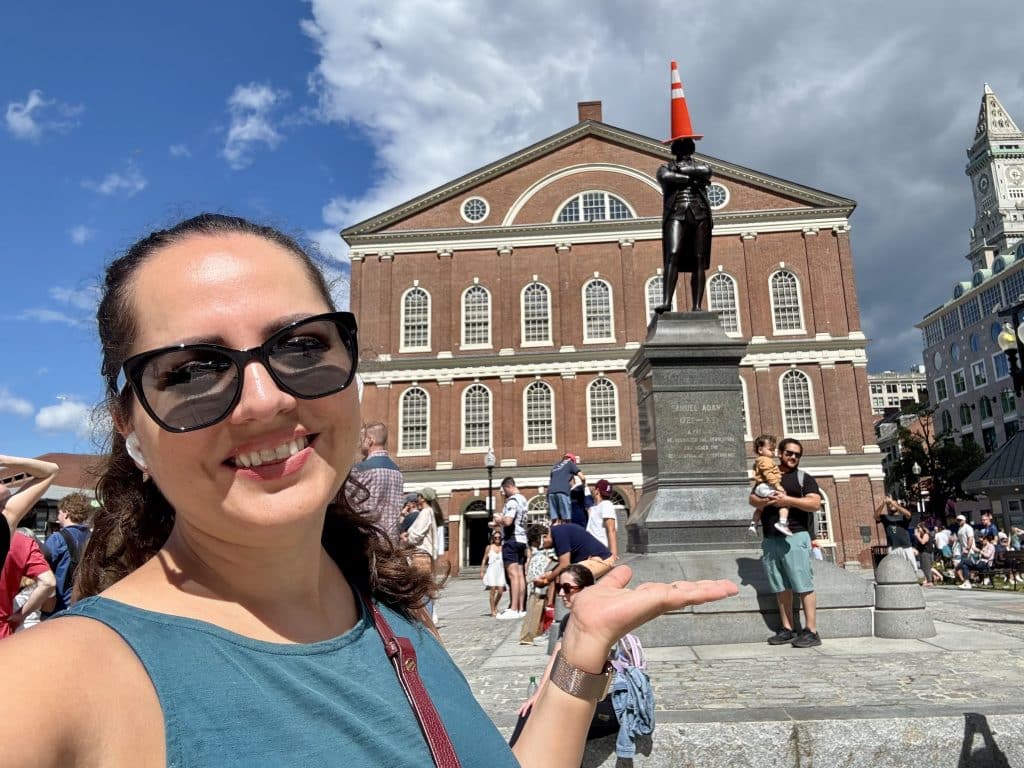
The early weeks of June were characterized by the intersection of traditional summer travel and the high-density crowds associated with the World Cup. In Boston, the arrival of the "Tartan Army"—the dedicated fan base of the Scottish national football team—provided a notable economic and cultural stimulus. Local authorities and business associations observed a marked increase in hospitality spending as fans engaged in traditional marches and public gatherings, particularly near landmark areas like Fenway Park and Faneuil Hall.
Data from local hospitality sectors suggest that the presence of international fan bases creates a "multiplier effect" for local economies. Beyond the immediate spending on accommodation and food services, these events foster a globalized atmosphere that attracts secondary domestic tourism. The integration of international visitors into local transit corridors and historical landmarks illustrates the growing importance of event-based tourism for secondary and tertiary city marketing.

Infrastructure and Urban Navigation: A Case Study in Transit
While tourism provides economic benefits, it also places unprecedented strain on municipal infrastructure. A notable incident involving an out-of-service tram in Prague during a period of extreme heat highlights the ongoing challenges of urban mobility management. The incident, in which a passenger became trapped due to communication failures and automated security locks, underscores the critical need for updated emergency protocols in aging public transit systems.
Urban planners have noted that as cities like Prague experience record-breaking temperatures, the reliance on older, non-air-conditioned transit stock poses significant safety risks. The necessity for real-time, multilingual digital signage—coupled with fail-safe manual override mechanisms—is increasingly viewed as a baseline requirement for modern, tourist-friendly cities. The incident in Prague serves as a cautionary tale for municipal governments regarding the intersection of climate change and public transportation reliability.
The Challenge of Extreme Weather and Sustainable Tourism
June 2026 saw a sustained heat wave across Central and Western Europe, with temperatures consistently exceeding seasonal averages. This phenomenon has forced a shift in travel planning, with a marked increase in demand for climate-controlled accommodations and a decline in mid-day outdoor activities.
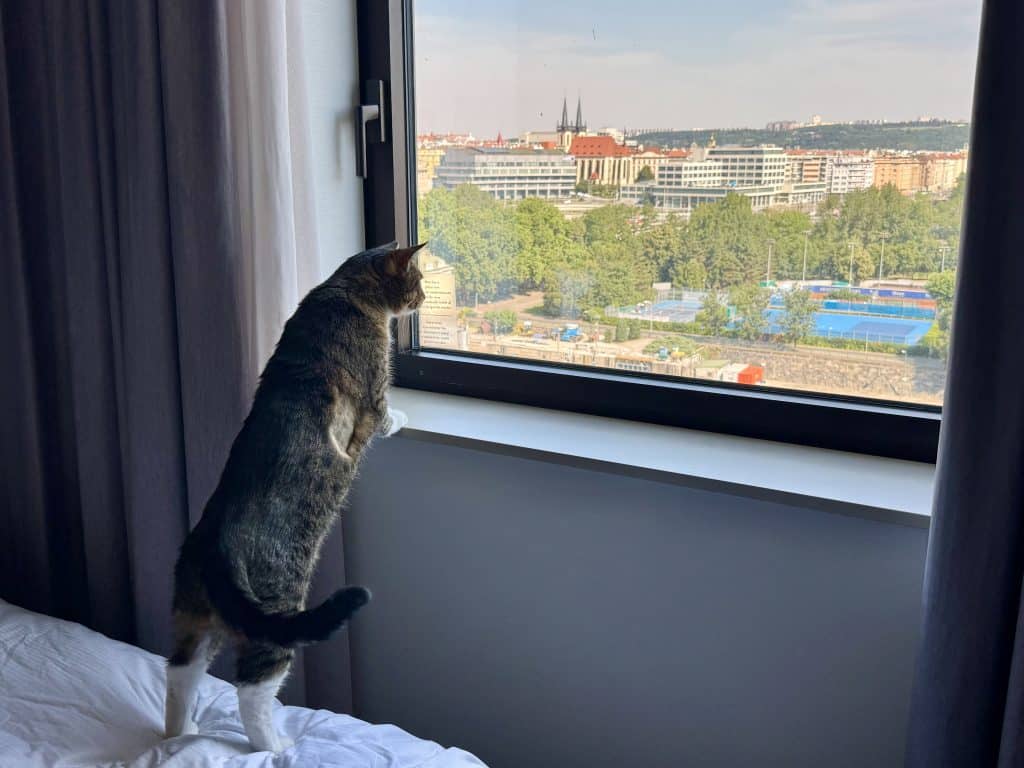
Industry analysts report that the lack of universal air conditioning in historic European cities is becoming a primary deterrent for travelers during the summer months. Consequently, the hospitality industry is witnessing a surge in demand for hotel properties that offer modern cooling infrastructure. Furthermore, pet-friendly, high-end accommodations have seen an uptick in bookings as pet owners seek climate-controlled environments for their animals, indicating a broader trend in "traveling with companions" that requires the hospitality sector to adapt its policies regarding animal guests.

Cultural Engagement: The Digital and Physical Intersection
The month of June also highlighted the evolution of digital engagement in travel. The "meet-and-greet" trend, exemplified by the viral popularity of specific animal influencers, demonstrates how social media presence can drive localized tourism. When digital personalities hold physical events, they create "micro-tourism" hubs, attracting visitors to specific geographic coordinates that might otherwise remain off the main tourist circuit.
This digital-to-physical transition is also evident in the consumption of media and music. The trend of curated, high-fidelity listening challenges—such as the systematic review of the Rolling Stone 500 Greatest Albums of All Time—reflects a broader movement toward immersive, slow-media consumption during travel downtime. Such activities provide travelers with structured, intellectually stimulating pastimes that complement the transient nature of modern mobility.
Literary and Cultural Commentary on Contemporary Dynamics
Recent publications, such as Madeline Cash’s 2026 novel Lost Lambs, provide a mirror to the current societal zeitgeist regarding family structures and social dysfunction. For the modern traveler, literature often acts as a bridge between the familiarity of home and the unfamiliarity of a foreign destination. The critique of contemporary literature, which often oscillates between the pursuit of "quirky" characterization and the failure to engage with substantive social issues, mirrors the traveler’s own struggle to find authentic experiences amidst the curation of modern tourism.
Outlook for July 2026: Road Trips and Regional Integration
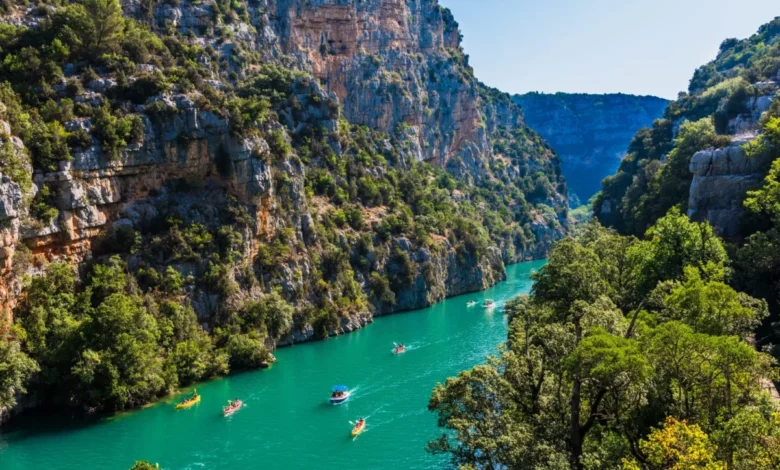
Looking ahead to July, travel patterns are expected to lean heavily toward regional road-tripping and multi-country excursions. The anticipated flow of traffic from Central Europe to the Provence region of France highlights a preference for modular, customizable itineraries.
The inclusion of microstates, such as Liechtenstein, in these itineraries suggests a desire for niche, historical tourism that offers a contrast to the high-density metropolitan experiences of June. Furthermore, the celebration of major milestones—such as 40th birthdays and weddings—continues to be a primary driver for group travel, with Dublin emerging as a key destination for social-event tourism.
Analytical Summary of Implications
The travel landscape of mid-2026 is defined by three core pillars:
- Event-Centric Tourism: Sporting and cultural events are no longer just attractions; they are the primary engines for international movement, necessitating robust coordination between city organizers and the private sector.
- Climate Resiliency: The hospitality industry and municipal transport authorities are under pressure to modernize infrastructure to withstand extreme temperature fluctuations. Failure to adapt will result in significant shifts in tourist destinations as travelers prioritize safety and comfort.
- The "Hyper-Personalized" Itinerary: Modern travelers are increasingly blending traditional sight-seeing with niche, digitally-informed activities, ranging from following social media personalities to long-distance walking tours and curated media consumption.
As the summer progresses, the sector is expected to remain robust, provided that cities can manage the logistical pressures of extreme weather and high-volume tourism. The focus for the latter half of the summer will likely remain on European connectivity, with an emphasis on sustainable transit and the integration of smaller, culturally significant destinations into the broader tourist economy. These factors, combined with a continued reliance on digital tools for navigation and entertainment, suggest a landscape that is both more connected and more demanding than in previous years.
Related posts: