Choice Hotels pays 24.3 million dollars to terminate acquisition deal with Barcelona-based Sercotel

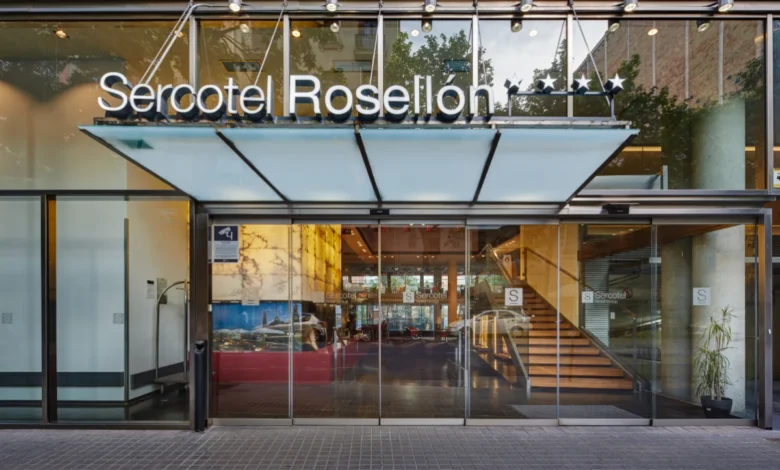
Choice Hotels International, one of the world’s largest lodging franchisors, has confirmed a significant financial exit from a planned expansion effort in the European market. According to recent regulatory filings and sources familiar with the matter, the Maryland-based hospitality giant paid $24.3 million in September to walk away from a previously negotiated acquisition deal involving Sercotel, a prominent hotel operator and franchisor headquartered in Barcelona, Spain.
The termination of this agreement marks a strategic pivot for Choice Hotels, which has spent the better part of the last decade aggressively pursuing international growth and portfolio diversification. The payment, disclosed in the company’s latest quarterly earnings report, serves as a termination fee to dissolve contractual obligations that would have brought Sercotel—known for its extensive footprint in Spain and Latin America—under the Choice Hotels umbrella.
The Chronology of a Failed Consolidation
The relationship between Choice Hotels and Sercotel was not a new development. In 2018, Choice Hotels acquired a majority stake in the Spanish company, positioning the move as a gateway into the Iberian and Latin American markets. At the time, the strategic rationale was clear: leverage Sercotel’s regional expertise to accelerate the growth of Choice’s brands—such as Clarion, Quality, and Comfort—within the European landscape.
The deal was viewed as a textbook "bolt-on" acquisition. Sercotel brought a robust management platform and a portfolio of urban hotels that appealed to the midscale and upscale segments, areas where Choice has historically excelled. For several years, the partnership functioned as a joint venture, with Sercotel maintaining its brand identity while benefiting from Choice’s global distribution systems and loyalty program, Choice Privileges.
However, the dynamics shifted significantly in 2026. Following the initial integration phase, both parties entered negotiations to potentially deepen the integration or restructure the equity arrangement. By late summer 2026, it became evident that the long-term objectives of the two entities had diverged. The final decision to terminate the acquisition agreement in September was a culmination of shifting capital allocation priorities and a reassessment of the European regulatory and competitive landscape.
Financial Implications and Market Disclosure
The $24.3 million payout was formally revealed in Choice Hotels’ latest 10-Q filing. While the company initially opted not to name Sercotel specifically in the summary of the transaction, the figure corresponds to the exit costs associated with the dissolution of the acquisition framework.
From an investor relations perspective, the expenditure is classified as a one-time charge, allowing the company to shed potential future liabilities associated with the integration of Sercotel’s operations. Analysts tracking the hospitality sector suggest that while the payment is substantial, it represents a calculated effort by Choice Hotels to protect its balance sheet from potential operational headwinds or unfavorable synergies that may have surfaced during the due diligence phase of the final merger negotiations.
For Sercotel, the $24.3 million influx provides a significant capital injection, which the company can now utilize to remain independent or pursue alternative strategic partnerships. The leadership team at Sercotel has maintained a low profile regarding the specific reasons for the collapse of the deal, focusing instead on their ongoing commitment to hotel management and franchise expansion in Spain.
The Broader Context of Hotel Consolidation
The termination of this deal highlights the volatility inherent in international hospitality mergers and acquisitions. In the current macroeconomic climate, characterized by fluctuating interest rates and shifting travel demand patterns, hotel companies are increasingly selective about their capital deployments.

Choice Hotels has historically been disciplined regarding its M&A activity. Their high-profile, albeit unsuccessful, attempt to acquire Wyndham Hotels & Resorts earlier in the decade demonstrated the company’s appetite for scale, but also highlighted the intense scrutiny and regulatory hurdles that accompany major consolidations. The exit from the Sercotel deal suggests a return to a more conservative strategy, focusing on organic growth and optimizing their existing portfolio rather than pursuing complex cross-border acquisitions that may not yield immediate accretion to earnings per share.
The European hotel market remains highly fragmented compared to the United States. While players like Accor, Marriott, and Hilton have established deep roots, medium-sized operators like Sercotel occupy a critical niche. By opting out of full ownership, Choice Hotels effectively signals a strategic retreat from direct management in certain European sub-markets, preferring instead to focus on global brand distribution and technology-led growth.
Impact on the European Hospitality Landscape
The fallout from this transaction raises questions about the future of mid-sized hotel chains in Europe. As major global brands continue to consolidate, independent operators face immense pressure to align with larger platforms to survive in a digitally dominated distribution environment.
Sercotel’s position, while currently independent of a full Choice acquisition, remains strong due to its existing network of properties. The company has built a reputation for its "Sercotel" branded hotels and its ability to manage third-party assets effectively. The withdrawal of Choice Hotels as a potential parent company may actually provide Sercotel with more flexibility to adapt its operations to the specific needs of the European traveler, who often exhibits different booking behaviors and service expectations than the typical North American customer.
Furthermore, the hotel asset market is currently witnessing a stabilization in valuations. After the post-pandemic surge in travel demand, investors are now more cautious about the long-term yields of urban hotels, particularly in major cities where labor costs and regulatory requirements for short-term rentals are tightening. This broader industry environment may have contributed to Choice Hotels’ decision to re-evaluate the risk-reward profile of the Sercotel acquisition.
Future Outlook for Choice Hotels
Looking ahead, the market expects Choice Hotels to continue prioritizing its core franchise business. The company’s focus on the midscale, extended-stay, and upscale segments has proven resilient throughout various economic cycles. By removing the distraction and financial burden of the Sercotel integration, Choice is signaling to stakeholders that it is focused on core performance metrics, such as RevPAR (Revenue Per Available Room) growth and royalty revenue expansion.
The decision to pay a termination fee rather than proceed with a deal that did not meet internal strategic thresholds is, in the view of many analysts, a display of operational maturity. It prevents the "sunk cost fallacy" that often plagues large-scale corporate acquisitions, where firms continue to invest in failing projects simply because they have already committed significant capital.
Conclusion
The termination of the agreement between Choice Hotels and Sercotel serves as a reminder that even well-aligned corporate partnerships can face insurmountable hurdles when faced with changing strategic directions. The $24.3 million payment, while significant, represents the cost of clarity for Choice Hotels. As the hospitality industry continues to evolve, the ability to pivot and walk away from non-performing or misaligned strategic initiatives will remain a vital component of successful corporate management.
Both companies now move forward with distinct paths. Sercotel remains a key player in the Iberian hospitality sector, while Choice Hotels refocuses its efforts on maintaining its dominant position in the global franchise market. For investors and industry observers, the event provides a clear look into the rigorous and often costly decision-making processes that govern the modern landscape of international hotel mergers and acquisitions.