Malaysia continues to cement its reputation as one of the world’s premier culinary destinations, driven by a centuries-old convergence of Malay, Chinese, and Indian culinary traditions. This multicultural synthesis, paired with the nation’s extraordinary biodiversity and rich array of native ingredients, has produced a dynamic and multifaceted gastronomy. Among the vast array of dishes that define the Malaysian dining landscape, Fish Head Curry stands out as a quintessential representation of the country’s diverse culinary roots. Recently, culinary tourism analysts have highlighted establishments like Kuala Lumpur’s Tugu View Cafe as vital landmarks in preserving and celebrating these complex culinary traditions.
Historical Evolution and Cultural Context
The origins of Fish Head Curry in Malaysia reflect the nation’s unique demographic history. Emerging primarily from the Straits Chinese (Peranakan) and Indian-Malaysian communities, the dish successfully harmonizes South Asian spice profiles with Southeast Asian aromatics and local seafood availability. Historically, the integration of distinct spice blends—such as turmeric, cumin, coriander, and fenugreek—with coconut milk and tamarind created a flavor profile that was both robust and uniquely adapted to the tropical climate.
Over generations, this fusion dish evolved from a resourceful way to utilize nutritious portions of fish into a celebrated centerpiece of Malaysian dining culture. Today, it serves as a testament to the harmonious cultural exchange that defines the nation’s historical development and its modern identity.
The Tugu View Cafe Experience and the Nasi Campur Tradition

Situated near the historic Tugu Negara (National Monument) in Kuala Lumpur, the Tugu View Cafe operates within the deeply ingrained tradition of nasi campur, a Malay dining style centered around steamed rice served with an assortment of side dishes. Culinary historians note that nasi campur represents the pinnacle of everyday dining accessibility in Southeast Asia, offering patrons an extensive buffet of proteins, curries, and locally sourced vegetables.
At Tugu View Cafe, the dining experience combines the customizable nature of a traditional buffet with specialized à la carte offerings. Diners typically build their plates by layering a mound of steaming white rice with fresh and cooked vegetables, tofu, and rich curry sauces. Industry standards at such establishments emphasize generosity; patrons frequently ladle additional curry broths directly over the rice to maximize flavor absorption—a technique central to traditional communal dining practices in the region.
Culinary Analysis of the Signature Dish: Red Snapper Curry

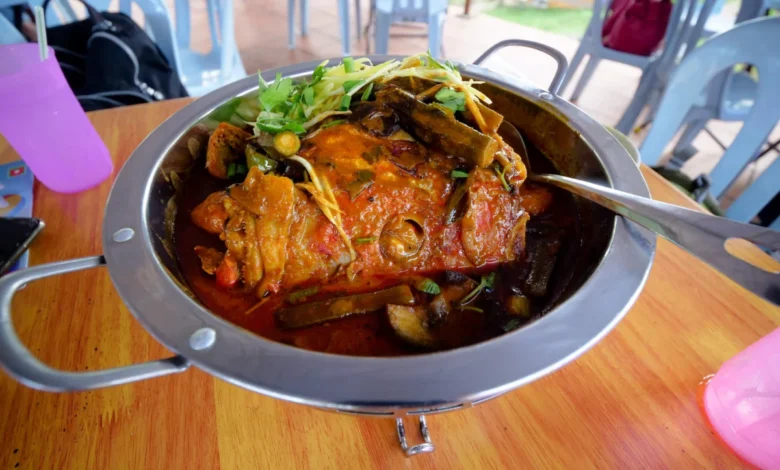
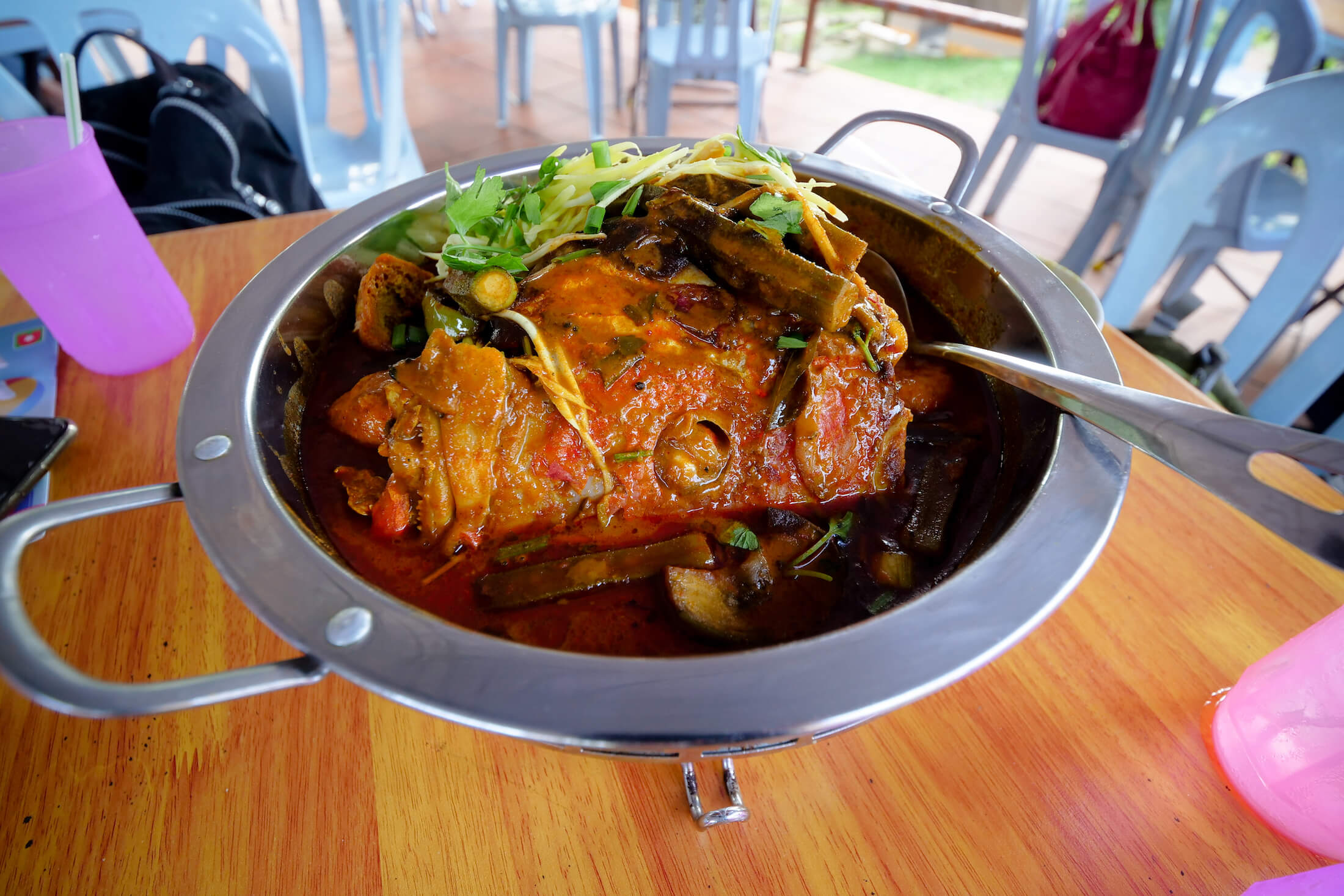
The focal point of the Tugu View Cafe menu is its specialty Fish Head Curry, prepared using the head of the Red Snapper, locally known as Ikan Merah. Nutritional and culinary evaluations of the dish indicate that the head, cheeks, and eye areas of large ocean fish provide superior fat distribution and gelatinous textures, which naturally enrich the surrounding curry broth.
The preparation involves simmering the fish head in a thick, spiced coconut and tamarind base, frequently accompanied by okra and firm tofu squares. Gastronomic experts emphasize that the inclusion of bones and cartilage within the curry infusion process yields a depth of flavor difficult to achieve with standard meat cuts. Consequently, the dish requires deliberate engagement from the diner, a characteristic that sets traditional fish head preparations apart from standard commercial dining options.
Economic Impact and Tourism Implications

Culinary tourism plays a significant role in Malaysia’s broader economic strategy, contributing billions of ringgit annually to the national economy. The Ministry of Tourism, Arts and Culture has consistently promoted food tourism as a primary driver for international visitor acquisition. Venues like Tugu View Cafe, which are situated near prominent cultural landmarks such as the Perdana Botanical Garden and the National Monument, benefit significantly from both domestic patrons and international tourists seeking authentic local experiences.
Data from local hospitality assessments indicate that specialized culinary destinations contribute to longer visitor stays and increased spending within the urban center of Kuala Lumpur. Meals featuring premium ingredients, such as the Red Snapper curry, demonstrate the viability of traditional eateries in commanding competitive price points while maintaining high demand. For instance, comprehensive dining experiences at establishments like Tugu View Cafe can range significantly based on portion sizes, reflecting a flexible pricing structure that accommodates both individual travelers and large tour groups.
Geographic Significance and Accessibility

The Tugu View Cafe derives its name and geographic prominence from its proximity to the Tugu Negara monument, a historical site established to commemorate the soldiers who fought for Malaysia’s independence. This location places the restaurant within a culturally dense zone that includes expansive public parks and national landmarks.
Logistical assessments of the area note that while the cafe is a popular destination for food enthusiasts, pedestrian access can present minor challenges. The primary entrance requires navigating several flights of stairs and passing adjacent commercial stalls that cater to regional tour operators. Despite these spatial constraints, the establishment maintains consistent operating hours from 7:00 AM to 6:00 PM daily, remaining closed on Sundays, and continues to draw steady patronage from individuals exploring the capital’s heritage district.
Broader Industry Outlook and Future Prospects

As global interest in Southeast Asian gastronomy expands, traditional eateries face the dual challenge of preserving authentic preparation methods while adapting to modern sanitation and tourism standards. Industry observers suggest that venues maintaining a commitment to scratch-made curries and high-quality local sourcing will continue to anchor Malaysia’s culinary reputation internationally.
The enduring popularity of dishes like Fish Head Curry underscores a broader consumer shift toward experiential dining—where the cultural narrative, historical context, and communal aspects of a meal are valued as highly as the food itself. Through institutions like the Tugu View Cafe, Malaysia’s rich culinary heritage remains accessible, dynamic, and central to the nation’s cultural identity.