Surprise Holiday Airfare Trends: Domestic Flights for Christmas and New Year Prove Surprisingly Affordable Amid Broader Inflationary Pressures

Navigating the logistics of holiday travel has historically been synonymous with financial strain and exhaustive itinerary planning. For millions of passengers aiming to reunite with family or ring in the New Year away from home, the final quarter of the year typically triggers a surge in domestic airfares driven by concentrated seasonal demand. However, a developing trend across the U.S. aviation market is challenging conventional expectations, revealing that certain domestic routes for Christmas and New Year’s Eve are not only stabilizing but, in some cases, experiencing notable price declines compared to previous years.

While broader economic indexes indicate that consumer travel costs remain elevated across multiple sectors, marketplace data compiled through early November points to an unexpected surplus of sub-$200 roundtrip fares. This divergence from traditional seasonal inflation has surprised frequent flyers and industry analysts alike, prompting a closer examination of capacity management, fare tracking methodologies, and consumer booking behavior heading into the peak winter travel window.
Main Facts and Market Observations
Recent flight monitoring data reveals that standard holiday pricing models are seeing unexpected exceptions across several major U.S. airline networks. Rather than encountering uniformly inflated ticket prices, travelers utilizing fare comparison engines and subscription-based alert services have identified widespread availability for affordable domestic itineraries spanning the Christmas and New Year holidays.
Specific regional markets have emerged as focal points for these unexpected savings. Data points collected during the first week of November highlight multiple high-demand corridors where roundtrip tickets remain priced below $200, despite historically commanding premiums during peak holiday weeks.
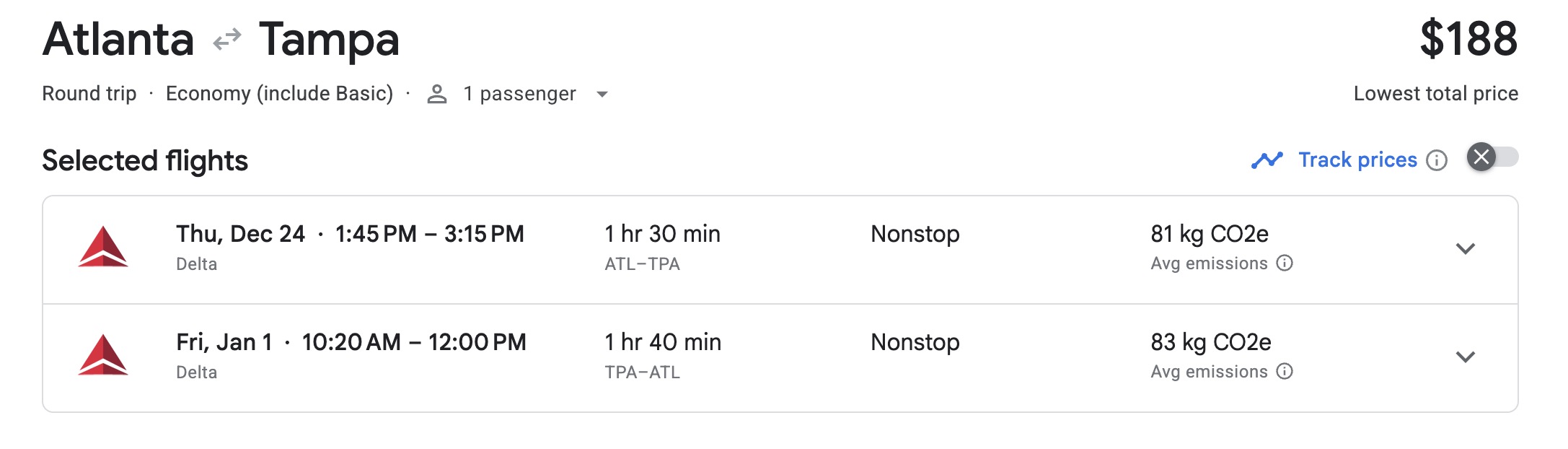
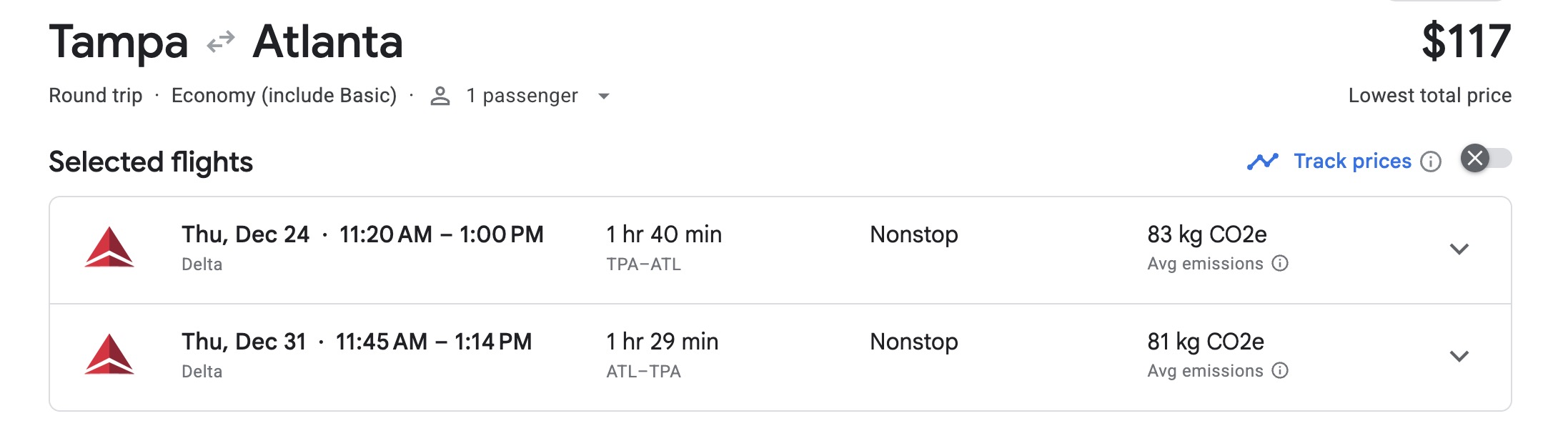
- Atlanta (ATL) and Tampa (TPA): Travelers looking to commute between the Southeast and the Florida Gulf Coast have found numerous daily options priced under $200 roundtrip for travel covering both Christmas and New Year’s Eve. This includes reciprocal pricing for reverse itineraries.
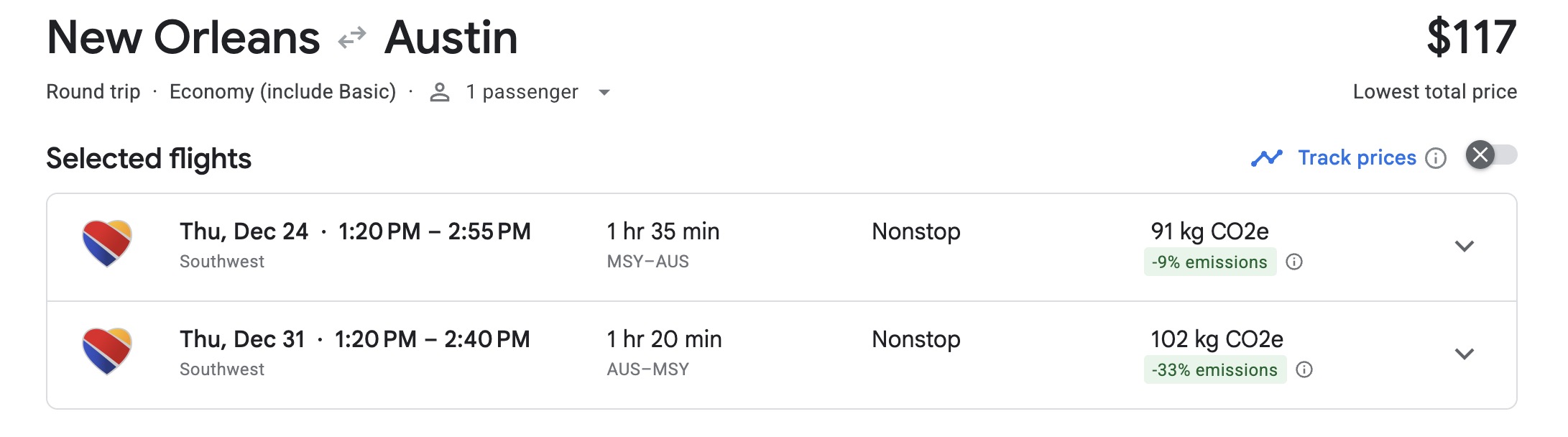
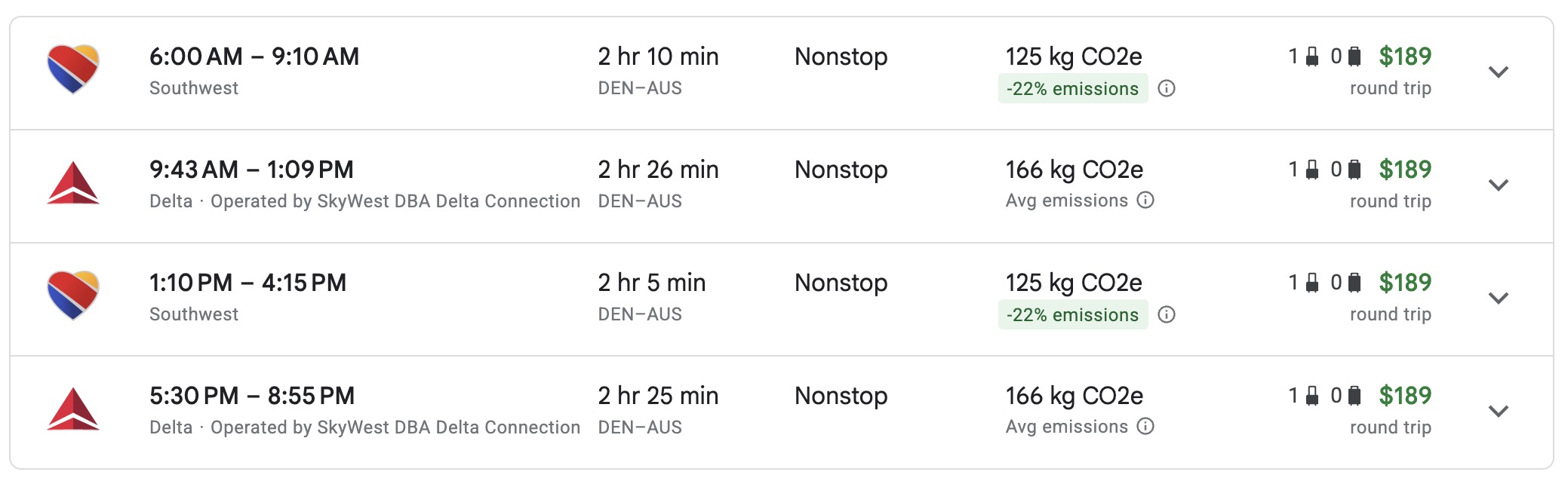
- Austin (AUS) and New Orleans (MSY): Low-cost carrier scheduling, led heavily by airlines like Southwest, has stimulated competitive pricing across regional hubs, prompting legacy carriers to introduce matching sub-$200 fares on routes such as Denver (DEN) to Austin.
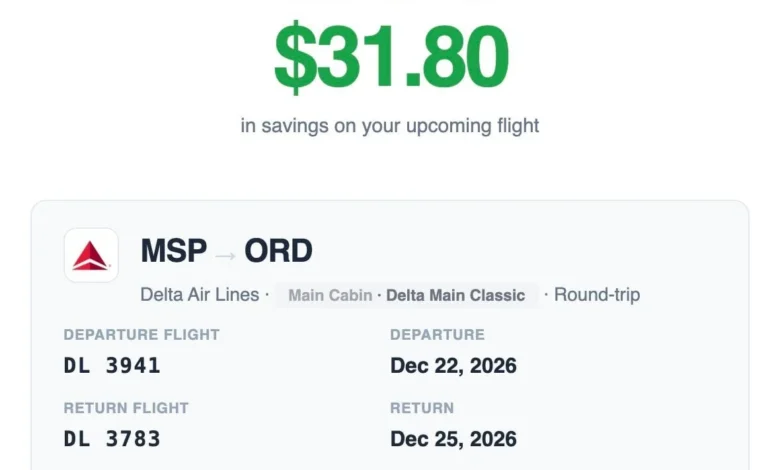
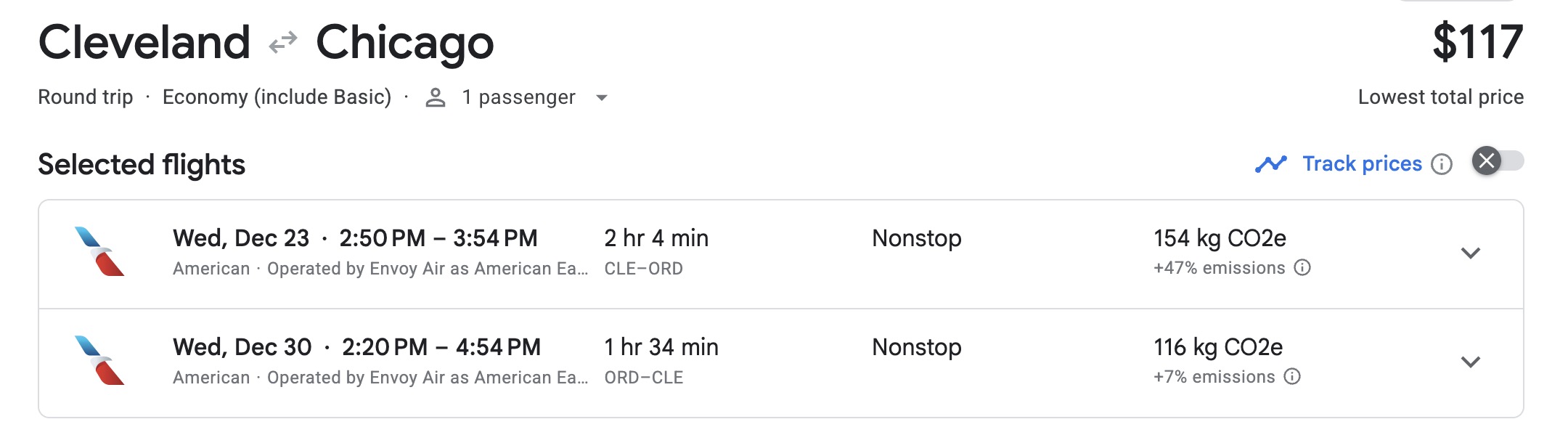
- Chicago (ORD, MDW) and Surrounding Regional Hubs: Nonstop itineraries connecting midwestern hubs like Cleveland (CLE) and St. Louis (STL) to Chicago have demonstrated significant price corrections, with fares dropping below historical averages for late December departures.
- Dallas (DFW) and Orlando (MCO) to Nashville (BNA): Even mid-range routes involving flight durations of approximately two hours have experienced downward pricing pressure, contradicting the assumption that all major city pairs will see aggressive seasonal markups.
Chronology and Booking Patterns
The emergence of these holiday discounts coincides with a shift in how airlines manage capacity and how consumers approach their booking timelines. Historically, industry consensus advised booking domestic holiday flights by early autumn to avoid steep last-minute price spikes. However, shifting airline scheduling strategies and cautious corporate travel demand have altered the traditional booking curve.
By late October, preliminary booking data suggested that passenger reservation velocity for the winter holidays was tracking differently than in previous post-pandemic travel surges. Sensing potential gaps in forward bookings on specific regional segments, carriers began releasing promotional fare classes during windows that are typically locked into higher pricing tiers.
This pricing adjustment became distinctly visible to travelers monitoring fare fluctuations via automated price tracking tools. For example, specific itineraries originating from regional airports to major metropolitan centers saw progressive price drops throughout October, defying the traditional trajectory where fares climb monotonically as December approaches. Industry specialists note that these reductions are particularly pronounced on short-to-medium-haul nonstop routes, whereas coast-to-coast transcontinental itineraries have largely maintained their traditional high-season price floors.
Supporting Data and Methodology
To understand the mechanics behind these lower holiday fares, industry observers look closely at seat capacity, route competition, and macroeconomic pressures influencing consumer spending.
According to aggregate data from flight tracking platforms, the availability of lower-cost holiday inventory is heavily concentrated among high-frequency routes where multiple carriers—ranging from ultra-low-cost operators to legacy network carriers—compete directly. When low-cost airlines introduce introductory promotional fares to stimulate demand on secondary business and leisure corridors, legacy carriers frequently match these prices to protect their market share. This dynamic creates a ripple effect of downward pricing pressure across multiple daily flight options.
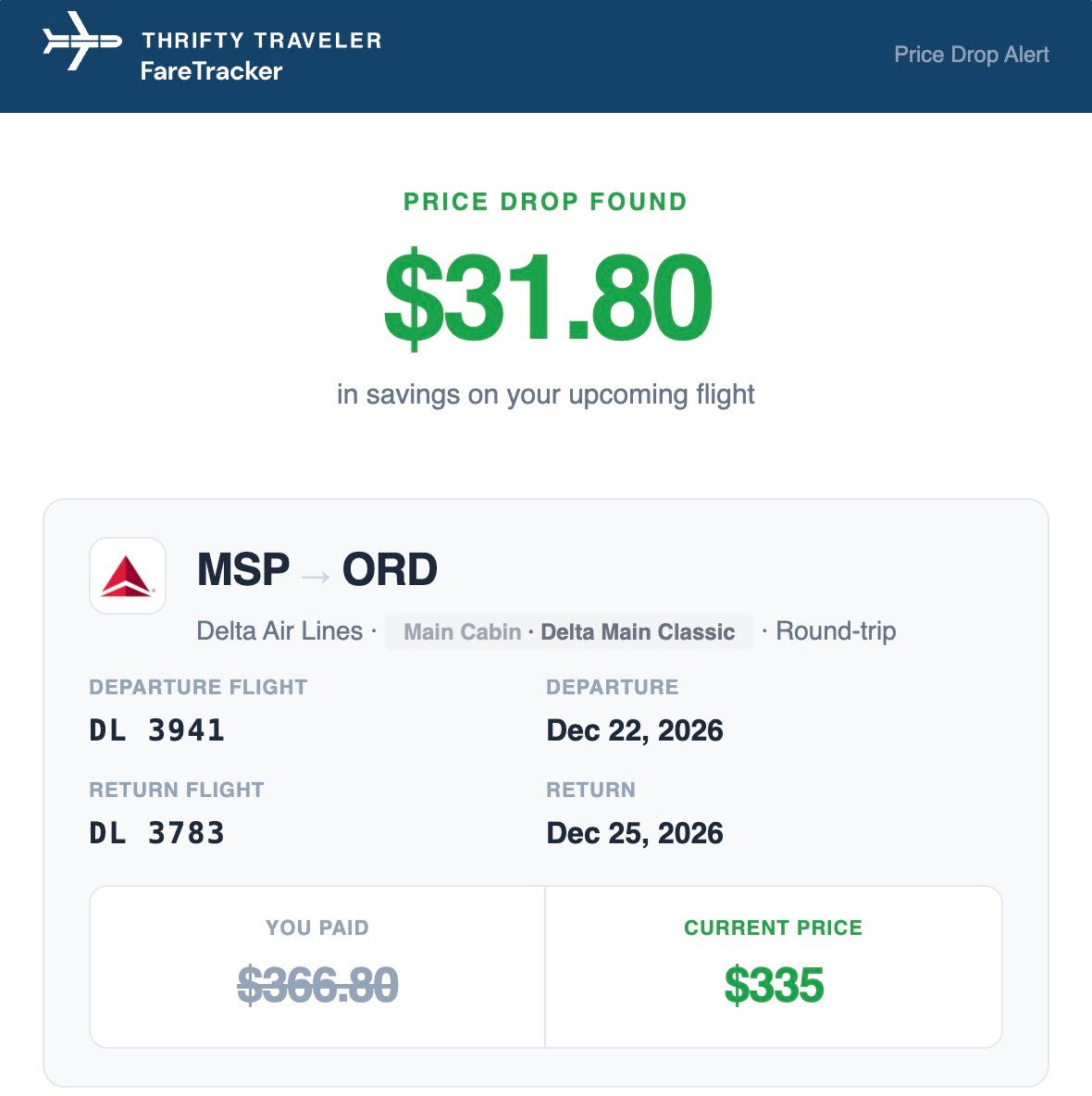
Furthermore, automated fare surveillance tools have become increasingly vital for modern travelers. Mechanisms such as Google Flights price alerts and dedicated post-booking monitoring platforms allow consumers to track historical pricing trends and capitalize on fare drops even after an initial purchase has been secured. In instances where ticket prices decrease subsequent to booking, passengers utilizing flexible ticketing policies or airline loyalty frameworks can often secure the price difference in the form of travel credits, effectively mitigating the financial impact of holiday travel volatility.
Industry Context and Strategic Implications
Airlines generally approach the fourth-quarter holiday season with sophisticated yield management systems designed to maximize revenue per available seat mile (RASM). During periods of high demand—such as the Friday before Christmas through New Year’s Day—these algorithms traditionally restrict lower-tier booking classes early, forcing consumers to purchase higher-fare inventory.
The presence of widespread discount availability in late autumn suggests a complex interplay of consumer price sensitivity and capacity adjustments. While overall domestic capacity has largely recovered to pre-pandemic levels, airlines have fine-tuned their networks to match shifting passenger demand patterns. If consumer spending on leisure travel shows signs of moderation, or if certain routes experience over-capacity relative to historical demand, airlines may introduce targeted fare sales to ensure optimal load factors.
Airlines and travel economists maintain that while aggregate air travel costs remain higher than historical averages over the long term, short-term anomalies driven by intense route-level competition can yield significant consumer windfalls for observant travelers.
Broader Impact and Recommendations for Travelers
The unexpected availability of affordable holiday airfares carries several practical takeaways for consumers navigating the remainder of the 2026 winter travel season:
- Flexibility Remains Key: While coast-to-coast and long-haul international holiday flights continue to command premium prices, regional domestic corridors offer the highest probability of securing below-average fares.
- Monitor Existing Bookings: Travelers who have already secured their holiday itineraries are advised to continue tracking fare movements. Utilizing automated price-tracking tools can uncover subsequent price drops, allowing passengers to claim travel vouchers or electronic credits for future use if airline policies permit.
- Embrace Nonstop Regional Routes: The most aggressive holiday discounts are predominantly found on short-to-medium-haul nonstop flights connecting secondary markets to major hubs, where airline competition remains fierce.
- Act Decisively Upon Identification: Because promotional holiday inventory is governed by dynamic yield management algorithms, unexpected price drops are often temporary and subject to rapid depletion as departure dates approach.
Ultimately, while holiday travel will inherently involve navigating crowded airports and busy terminals, the current airfare landscape demonstrates that strategic planning, technological vigilance, and market competition can still yield substantial savings for the discerning passenger.