For nearly a decade, the beverage industry has been dominated by the singular, ironclad mandate of "zero." From diet colas to the meteoric rise of flavored seltzers, the goal for manufacturers was to strip away calories, carbohydrates, and sugars entirely, often replacing them with intense, synthetic, or high-intensity natural sweeteners like stevia and monk fruit. This "zero-sugar" era redefined the grocery store aisle, pushing traditional sodas to the margins while consumers prioritized labels that promised a clean, guilt-free experience. However, a significant shift is currently rippling through the sparkling beverage market, signaling that the era of absolute austerity may be waning. A new generation of brands is successfully challenging the status quo, arguing that a measured, intentional touch of real sugar is not just acceptable, but desirable.
This transition marks a pivotal change in consumer behavior, moving away from the "no-compromise" mentality—where consumers demanded zero calories and zero sugar without sacrificing any flavor—toward a more nuanced appreciation for ingredient transparency and culinary craftsmanship. As the novelty of artificial-leaning "better-for-you" drinks fades, shoppers are increasingly gravitating toward products that feature simple, recognizable, and "kitchen-grade" ingredients.
The Evolution of the Better-For-You Beverage
The recent pivot in the sparkling beverage sector is not merely a change in recipe formulation; it is a fundamental shift in market psychology. For years, the beverage industry operated under the assumption that any sugar was a non-starter for the health-conscious shopper. Consequently, the industry invested heavily in refining the taste profiles of alternative sweeteners. While these products were successful in curbing caloric intake, they often left a segment of the population dissatisfied with the lingering, metallic, or chemically altered aftertaste associated with stevia, erythritol, and other non-nutritive additives.

Consumer fatigue regarding these sweeteners has become increasingly apparent in market research data. As shoppers become more educated about what they consume, the "zero" label is losing its luster, replaced by an interest in the provenance of ingredients. This shift has created an opening for brands that utilize small amounts of organic sugar, honey, maple syrup, or high-quality fruit juices to provide a balanced, refreshing flavor profile that feels authentic rather than engineered.
A Return to Heritage and Functional Ingredients
The resurgence of slightly sweetened sparkling beverages is deeply linked to a broader interest in functional, heritage-inspired drinks. Modern producers are looking to the past for inspiration, reinterpreting traditional elixirs that have long been staples in various cultures.
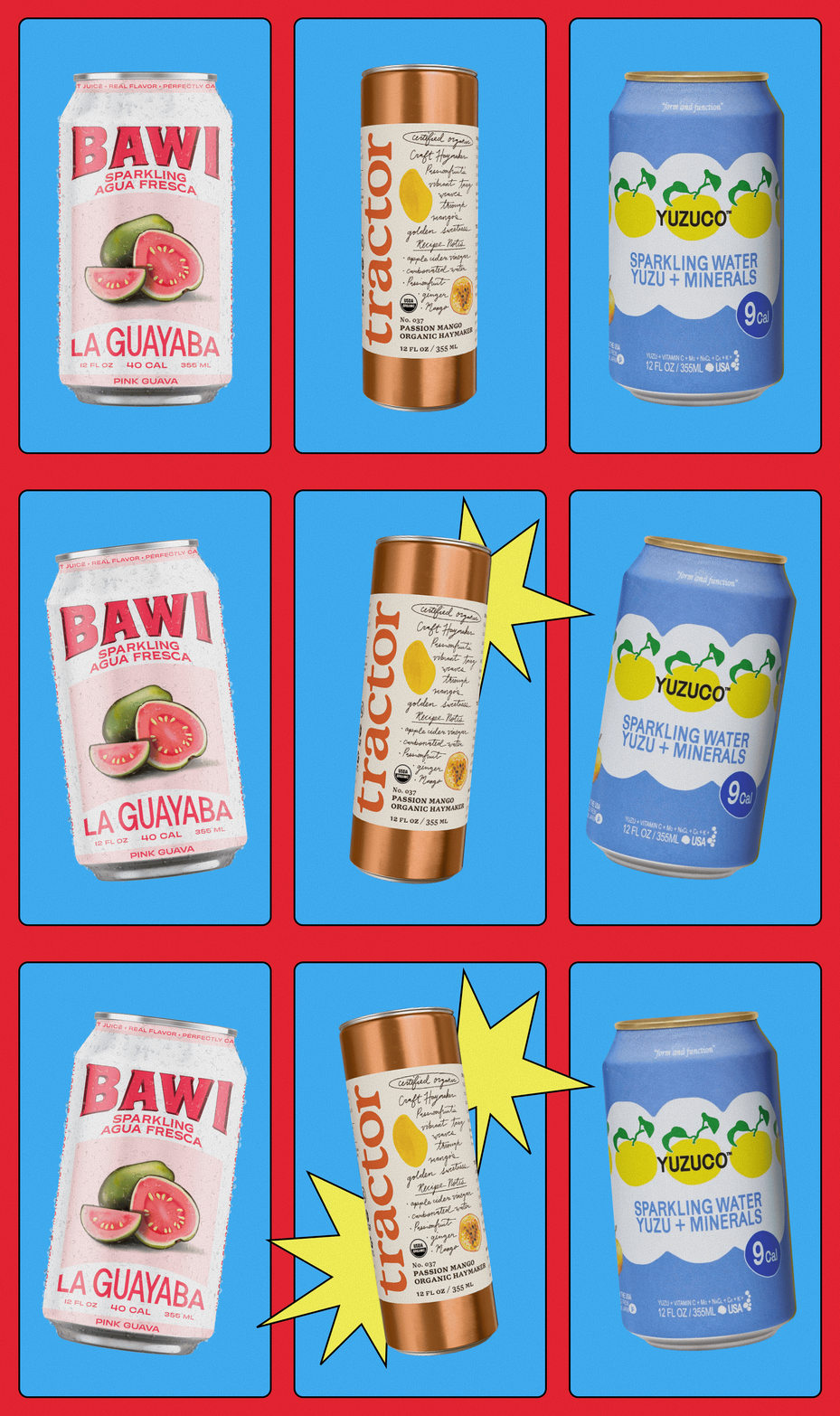
A prime example is the revival of switchel, a centuries-old farmer’s tonic traditionally crafted from a base of apple cider vinegar, ginger, and a touch of molasses or honey. Brands like Tractor Beverage Co. have recently launched canned versions, such as their "Haymaker" sparkling tonic. By leaning into the zesty, sharp profile of ginger and vinegar, these companies find that the addition of a modest amount of organic sugar acts as a necessary bridge, smoothing out the acidity and making the functional benefits of the drink palatable for a mass audience.
Similarly, other companies are experimenting with botanicals and traditional Mexican agua frescas. Bawi, for instance, has gained traction by focusing on real fruit juice—passion fruit, guava, and pineapple—to drive the flavor profile. These products are not designed to be cloyingly sweet, but rather to use the natural sugars found in the fruit, sometimes supplemented by a minor addition of cane sugar, to achieve a flavor that is rounded and complex.

The Yuzuco Approach: Transparency as a Competitive Advantage
The shift toward ingredient-first beverages is perhaps most evident in the growth of specialized brands like Yuzuco. For cofounders Griffin Owens and Marcus Klein, the success of their sparkling yuzu drinks stems from an explicit rejection of the "zero-sugar" dogma. Yuzuco centers its entire brand identity on the Japanese citrus fruit, which is known for its intense, aromatic acidity.
By using cold-pressed yuzu juice and a minimal amount of sugar, the company has created a product that contains approximately nine calories per serving. The strategic decision to include one gram of sugar is not an attempt to mimic high-fructose soda, but rather to highlight the natural characteristics of the yuzu. This approach appeals to a consumer base that is increasingly asking questions about the supply chain: where is the fruit grown? What is the specific type of honey being used? By providing these answers, brands like Yuzuco are building a level of trust that traditional, mystery-ingredient sodas cannot match.
Data and Consumer Sentiment
While the market for zero-sugar drinks remains vast, the growth rate for "lightly sweetened" alternatives has outpaced several stagnant segments of the industry. Retail data indicates that shoppers are moving away from the "no-sugar, no-carb" mandate toward a "moderation-plus-quality" framework.
According to various industry analysts, the "clean label" movement has reached a critical mass. Consumers are no longer satisfied with simply avoiding sugar; they are now actively seeking out beverages that contain ingredients they could find in their own kitchens. When a consumer picks up a can of Ooso sparkling iced tea, for instance, they are met with a short list of ingredients: tea, fruit, and honey. The absence of stevia, which often triggers a negative reaction among flavor-sensitive consumers, is becoming a key marketing point for these emerging brands.

Broader Implications for the Beverage Industry
The implications of this shift are significant for legacy beverage manufacturers. For decades, the "cola wars" were fought over price and aggressive marketing. The current landscape, however, is being won by agility and the ability to tell a story about ingredients. Legacy brands are struggling to pivot because their massive supply chains are optimized for high-volume, low-cost artificial sweeteners. The new wave of entrants, by contrast, is built on a model of premium sourcing.
This trend also reflects a broader movement toward "mindful consumption." Consumers are viewing their beverage choices as part of a larger lifestyle balance. The desire for a "refreshing little treat" is replacing the desire for a calorie-free delivery system for caffeine or sweetness. The psychological satisfaction of a product that tastes like real fruit or real honey is, for many, worth the minor caloric investment of a few grams of sugar.
Challenges and Future Outlook
Despite the momentum, the "slightly sweet" segment faces hurdles. Sugar, even in small amounts, remains a contentious topic in nutrition. Brands must navigate a regulatory environment that emphasizes the reduction of added sugars, requiring them to be precise in their labeling and marketing. They must clearly communicate that their product is not a replacement for traditional soda, but rather an alternative that values flavor integrity over caloric avoidance.
Furthermore, sourcing high-quality organic ingredients like wild-harvested botanicals or premium citrus is more expensive than sourcing artificial flavors and sweeteners. This naturally leads to a higher price point for the consumer, potentially limiting the market to a specific demographic of health-conscious, affluent shoppers.

However, as the market matures, the economies of scale may improve. If the demand for transparent, ingredient-focused beverages continues to grow, it is likely that the "shimmer of sweetness" will become a standard tier in the beverage aisle, sitting comfortably between the sugar-loaded sodas of the past and the purely functional, flavor-compromised waters of the last decade.
Ultimately, the rise of these beverages suggests that the consumer is evolving. We have moved past the era of fearing every calorie and are entering an era of demanding quality. Whether it is a touch of wildflower honey in a botanical tonic or a gram of sugar in a yuzu-infused sparkling water, the new priority is clear: if we are going to drink something sweet, it had better be worth every sip.