The Hidden Cost of Tourism: How Travelers Are Rethinking Ethical Boundaries and Animal Welfare at Global Landmarks

The intersection of global tourism and animal welfare has increasingly become a focal point of international debate, shifting the spotlight from leisure and cultural exploration to the systemic exploitation of sentient creatures. Across the globe, itineraries once promoted as quintessential bucket-list adventures—ranging from elephant excursions in Southeast Asia and captive sea turtle encounters in the Caribbean to big cat walking tours in Southern Africa—face unprecedented scrutiny. This scrutiny has expanded beyond isolated incidents of neglect to encompass institutionalized practices at major historical and archaeological sites, challenging the traditional paradigms of the global travel industry.
The Evolution of the Ethical Tourism Movement
For decades, the standard tourist narrative centered on iconic monuments, architectural marvels, and immersive cultural traditions. Destinations such as Egypt and Jordan, celebrated for their ancient civilizations and globally recognized UNESCO World Heritage sites, draw millions of visitors annually. However, behind the curated marketing campaigns and postcard imagery lies a complex web of economic pressures, local traditions, and welfare concerns regarding working animals.
In recent years, the democratization of information through digital platforms, travel forums, and social media has dismantled the barrier between promotional advertising and on-the-ground reality. Travelers are no longer passive consumers; they are increasingly conducting exhaustive pre-trip research, unearthing systemic welfare issues that redefine their travel decisions. This shift marks a departure from traditional tourism consumption toward a conscious, values-driven approach where economic expenditure is viewed as an endorsement of local practices.
A Case Study in Conscience: The Cancellation of a Lifelong Journey
The modern tension between wanderlust and ethical responsibility is exemplified by the experience of travelers like Michiko, who spent years planning a comprehensive cultural expedition to Egypt and Jordan. What was envisioned as an academic and historical pilgrimage quickly transformed into a profound ethical dilemma upon closer investigation of local tourism practices.
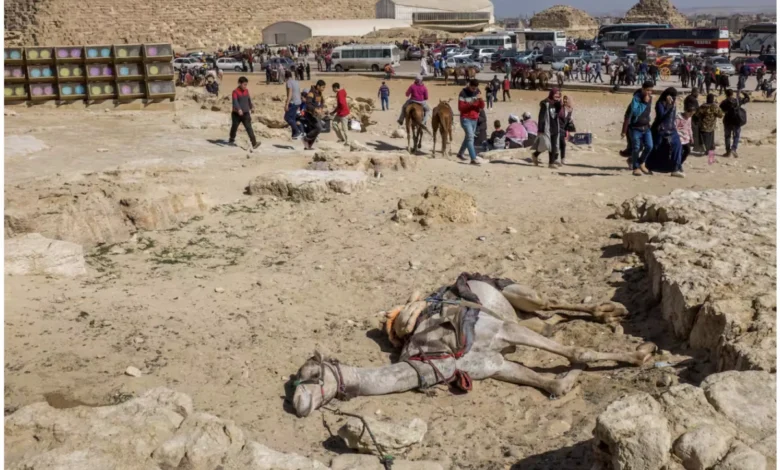
As Michiko finalized the daily itinerary, deep-dive research into traveler forums and investigative journalism revealed a stark contrast to official tourist literature. The documentation described widespread mistreatment of working equines and camels utilized to transport visitors across desert sands and around monumental sites. Accounts detailed animals exhibiting severe physical trauma, including mutilated and bleeding nasal passages, extreme emaciation characterized by visible skeletal structures under extreme climatic conditions, and physical abuse. Furthermore, reports highlighted the existence of unofficial animal graveyards situated near major archaeological complexes, where exhausted and incapacitated working animals are reportedly abandoned.
Rather than proceeding with the itinerary, Michiko elected to cancel the entire journey. In a formal statement regarding the decision, Michiko emphasized the rejection of the normalization of cruelty under the guise of economic hardship or cultural tradition. The traveler argued that economic distress does not excuse systemic animal abuse, asserting that compassion remains an independent choice regardless of socioeconomic circumstances. Consequently, Michiko formally communicated these grievances to the Egyptian Ministry of Tourism and Antiquities and the Egypt Tourism Promotion Authority, demanding systemic reform rather than superficial adjustments.
Digital Documentation and the Amplification of Grassroots Concern
Michiko is far from isolated in raising these concerns. Over the past decade, user-generated content on platforms such as TripAdvisor, Reddit, and Facebook has accumulated thousands of documented accounts detailing the mistreatment of working horses, camels, and donkeys at iconic locations like the Giza Pyramids and Luxor. Similar concerns have been raised regarding captive wildlife, including crocodiles housed in restrictive enclosures within Nile Valley tourist hubs.
International media investigations and reports by prominent animal welfare organizations, including People for the Ethical Treatment of Animals (PETA) and the Society for the Protection of Animal Rights in Egypt (SPARE), have repeatedly brought these issues to global attention. These organizations provide travelers with structural resources, ranging from digital petitions to formal letter-writing templates, facilitating direct engagement with tourism authorities and local governments.
The growing volume of digital documentation has created a public relations challenge for heritage destinations. When prospective visitors substitute historically significant destinations for alternative locations due to welfare concerns, local economies experience tangible impacts, thereby incentivizing tourism boards to address systemic issues.

Regulatory Responses and Industry Shifts
In response to sustained international pressure and advocacy campaigns, regulatory bodies have begun implementing targeted reforms. A notable development occurred in April 2026, when Egypt’s Chamber of Tourism Establishments and Restaurants issued a formal directive prohibiting the use of animals—both domestic and wild—in artistic and entertainment performances within registered hotel and tourism facilities.
While industry insiders and animal welfare advocates have welcomed this regulatory step as a positive acknowledgement of animal rights, experts emphasize that the directive addresses only a fraction of the broader problem. The decree primarily targets hotel entertainment rather than the pervasive use of working animals—such as horses, donkeys, and camels—deployed for transportation around high-traffic archaeological sites like Giza, Saqqara, and Luxor. Enforcement mechanisms and consistent oversight regarding the daily workload, nutrition, and medical care of these working animals remain significant challenges for local authorities.
The UNESCO Conundrum: Heritage Status Versus Animal Welfare
The ongoing controversy surrounding working animal abuse at world-famous monuments introduces a complex regulatory question regarding the responsibilities of international preservation bodies. UNESCO World Heritage sites are designated based on their outstanding universal value to humanity, encompassing cultural and natural significance. However, current evaluation criteria and monitoring frameworks do not systematically incorporate animal welfare standards into site management assessments.
Critics and ethics watchdogs argue that the persistence of systemic animal abuse within or immediately adjacent to UNESCO-listed zones undermines the integrity of the heritage designation. The juxtaposition of ancient human achievement with contemporary animal neglect creates a reputational dissonance for international organizations, prompting calls for expanded evaluation metrics that factor in local ethical practices and humane treatment standards.
Navigating Responsible Travel: Practical Strategies and Alternative Destinations
For travelers who choose to visit destinations facing animal welfare controversies, industry experts advocate for a rigorous approach to minimizing harm. Responsible tourism guidelines recommend several proactive measures:
- Comprehensive Pre-Trip Research: Utilizing independent travel advisories, ethical travel networks, and animal welfare reports to identify operators with certified humane practices.
- Refusing Exploitative Services: Actively declining services that utilize working animals for leisure transport, carriage rides, or captive photo opportunities.
- Supporting Ethical Alternatives: Engaging local operators who prioritize sustainable tourism, community-led cultural immersion, and non-exploitative activities.
- Formal Reporting: Documenting and reporting observed instances of animal abuse directly to local tourism authorities, international NGOs, and travel booking platforms.
Concurrently, the broader travel landscape is experiencing a structural pivot toward destinations that embed sustainability, human rights, and animal welfare into their national development models. Publications and organizations, such as Ethical Traveler, annually assess approximately 150 developing nations, highlighting the top ten ethical destinations based on environmental protection, social welfare, and governance indicators. These destinations demonstrate that robust tourism revenue can be achieved without compromising ethical standards.
Implications for the Future of Global Tourism
The decision by individual travelers to cancel high-profile trips marks a broader philosophical shift in the global tourism market. As consumer awareness intensifies, the tolerance for systemic animal exploitation as an accepted element of local culture or economic necessity is diminishing.
The long-term implications for heritage destinations are clear: sustainable tourism in the twenty-first century requires the harmonization of cultural preservation with contemporary ethical standards. Without comprehensive legislative reform, stringent enforcement of animal welfare laws, and genuine accountability from tourism authorities, iconic destinations risk alienating a growing demographic of conscientious travelers. Ultimately, the evolution of ethical travel underscores the collective influence of individual consumer choices in shaping global industry practices, proving that the preservation of human history must not come at the expense of humane treatment for the vulnerable beings sharing those spaces.