Elevating the Trail: How Three-Michelin-Starred Chef Kyle Connaughton Redefines Backcountry Gastronomy

The pursuit of excellence in the culinary world often mirrors the grueling dedication required to conquer the planet’s most unforgiving terrains. Earning a Michelin star is to fine dining what thru-hiking one of North America’s major long-distance trails—such as the Appalachian Trail, the Continental Divide, or the Pacific Crest Trail—is to backpacking. Both endeavors demand unwavering commitment, superior technical skill, and a relentless drive to push beyond conventional limits. To achieve the coveted honor of three Michelin stars, or to navigate the nearly 8,000 miles necessary to complete the Triple Crown of Hiking, is to enter an elite echelon populated by very few.
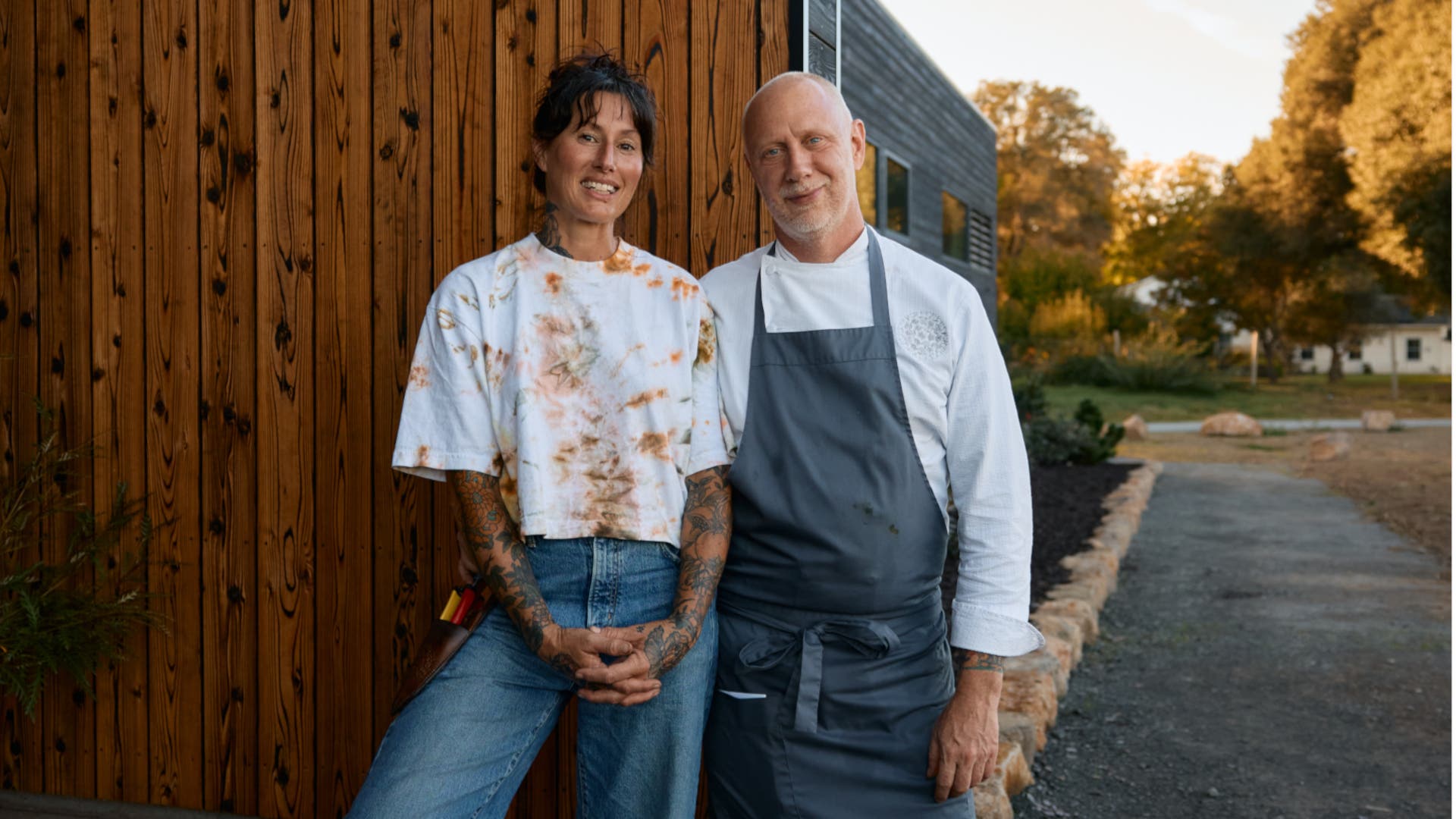
Yet, a fascinating culinary intersection occurs when a master of high gastronomy leaves the confines of a commercial kitchen and takes his craft directly into the backcountry. Chef Kyle Connaughton, co-owner and executive chef of the acclaimed California-based restaurant SingleThread, has navigated this exact transition. For years, Connaughton has balanced the intense demands of running a world-class culinary institution with a deep-seated passion for alpine environments, proving that sophisticated cooking and rugged wilderness exploration are not mutually exclusive.
Main Facts and Culinary Philosophy at SingleThread
Located in Healdsburg, California, SingleThread has maintained its status as a three-Michelin-starred establishment consistently since 2019. The restaurant is renowned for its hyper-seasonal, Kaiseki-inspired Japanese cuisine, a style rooted in meticulous attention to detail, ingredient quality, flavor harmony, and culinary mastery. Central to the SingleThread experience is its 24-acre farm, managed by Connaughton’s wife and business partner, Katina Connaughton.
Rather than relying on imported luxury items common in traditional fine dining, the restaurant’s 10-course tasting menu is built upon produce harvested mere hours before service.
"When guests come and dine, they’re experiencing what’s in season, what Katina’s excited about, what we’re harvesting," Chef Connaughton explains, reflecting on the hyperlocal model that defines his professional career. "We tell the story of today."
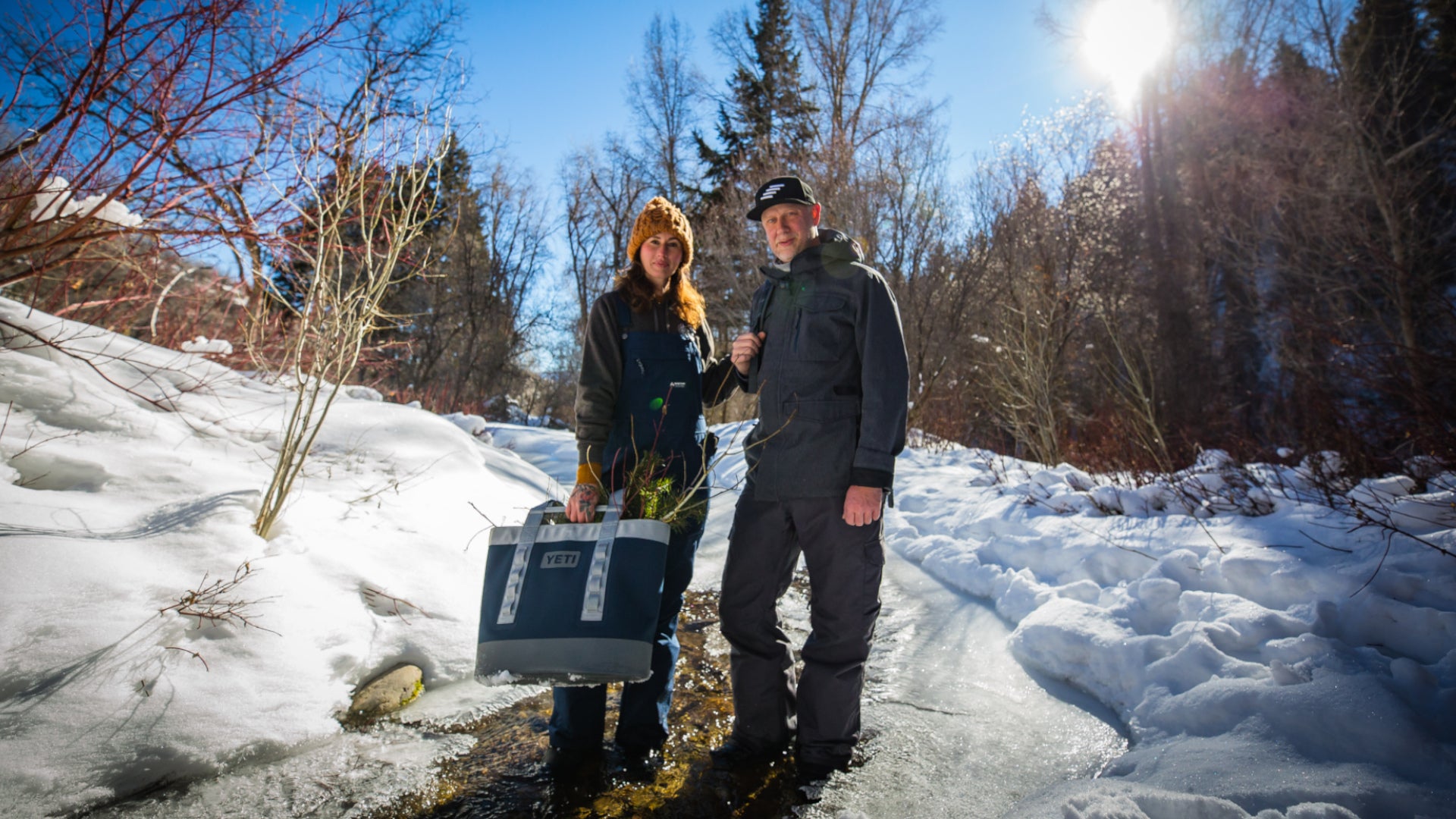
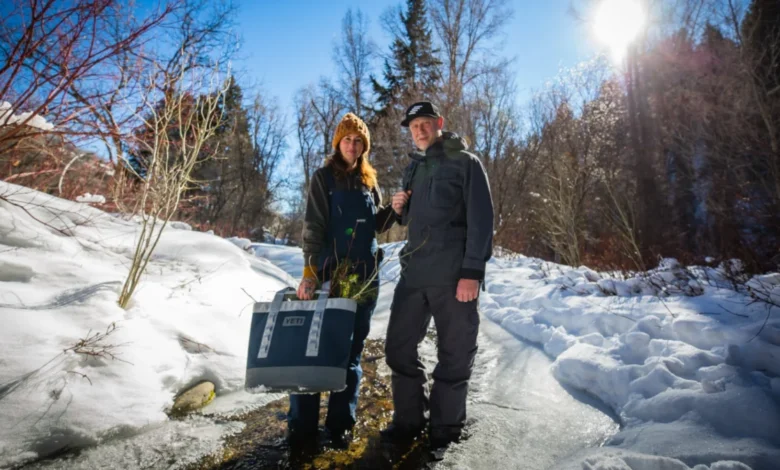
However, telling that story professionally requires grueling, fourteen-hour days inside a meticulously engineered kitchen, leaving very little margin for leisure. When Connaughton does find time away from the pass, he trades his chef’s whites for technical outerwear. Alongside Katina, he is an avid backcountry skier, hiker, and mountaineer. The couple has traversed the rugged expanses of the Sierra Nevada and the Wasatch Range, partaken in heli-snowboarding excursions in Silverton, Colorado, and organized annual expeditions with friends to the deep powder bowls of British Columbia and Hokkaido, Japan.
Rather than abandoning his culinary expertise during these remote excursions, Connaughton utilizes his professional skill set to elevate the backcountry experience for his companions. In doing so, he bridges the gap between survival-driven trail nutrition and thoughtful, memory-making hospitality.
Chronology and Evolution of Backcountry Fine Dining
The integration of gourmet practices into outdoor recreation is not entirely new, but the deliberate, methodical approach demonstrated by chefs like Connaughton represents a modern evolution in outdoor culture. Historically, backcountry cooking was categorized by caloric density and weight management—a reliance on freeze-dried packets, instant oats, and heavy-sodium canned goods designed solely to sustain metabolic output.
Over the past decade, however, the outdoor recreation market has experienced a paradigm shift. Driven by advancements in lightweight gear, widespread access to vacuum-sealing technology, and portable high-output micro-stoves, adventurers are increasingly unwilling to sacrifice quality of life—and specifically, the dining experience—once camp is established.
For Connaughton, this evolution began decades ago during his formative years living and studying culinary arts in Japan, where he absorbed the cultural philosophy of omotenashi—an anticipatory approach to hospitality. This concept dictates that a host should understand and fulfill a guest’s needs before those needs are even consciously articulated.
When translated to the trail, omotenashi transforms a standard winter mountaineering trip into an extraordinary event. Connaughton is legendary among his peer group for packing a dozen steaming breakfast burritos alongside a hot water bottle inside a hard-sided YETI Roadie cooler, subsequently stashing the container beneath a bench in a snowcat. Hours later, when his fellow riders return from freezing descents, wet, exhausted, and depleted of energy, Connaughton produces the hot meal.
"In the restaurant, guests arrive expecting and ready to be impressed by the food," Connaughton notes. "But out in the backcountry, you can do very small things and just blow people’s minds."
Methodologies for the Trail: Tips, Tools, and Tradecraft
Adapting Michelin-level techniques to environments devoid of running water, commercial refrigeration, and electrical grids requires meticulous planning and rigorous adherence to food safety standards. According to Connaughton, successful backcountry gastronomy relies on a distinct framework of preparation, constraint management, and tactical execution.
1. Anticipate Appetites Through Strategic Planning
While calorie-dense nutrition bars and dehydrated beans will sustain a hiker, they offer little in the way of psychological reward or communal bonding. Connaughton advises leaning into the principle of anticipatory hospitality. If a group has just completed a grueling seven-mile trek with significant elevation gain, a thoughtfully curated spread of cured salamis, hard cheeses, and fermented items provides an immediate morale boost that standard trail mix cannot replicate.
2. Define Parameters and Push Against Constraints
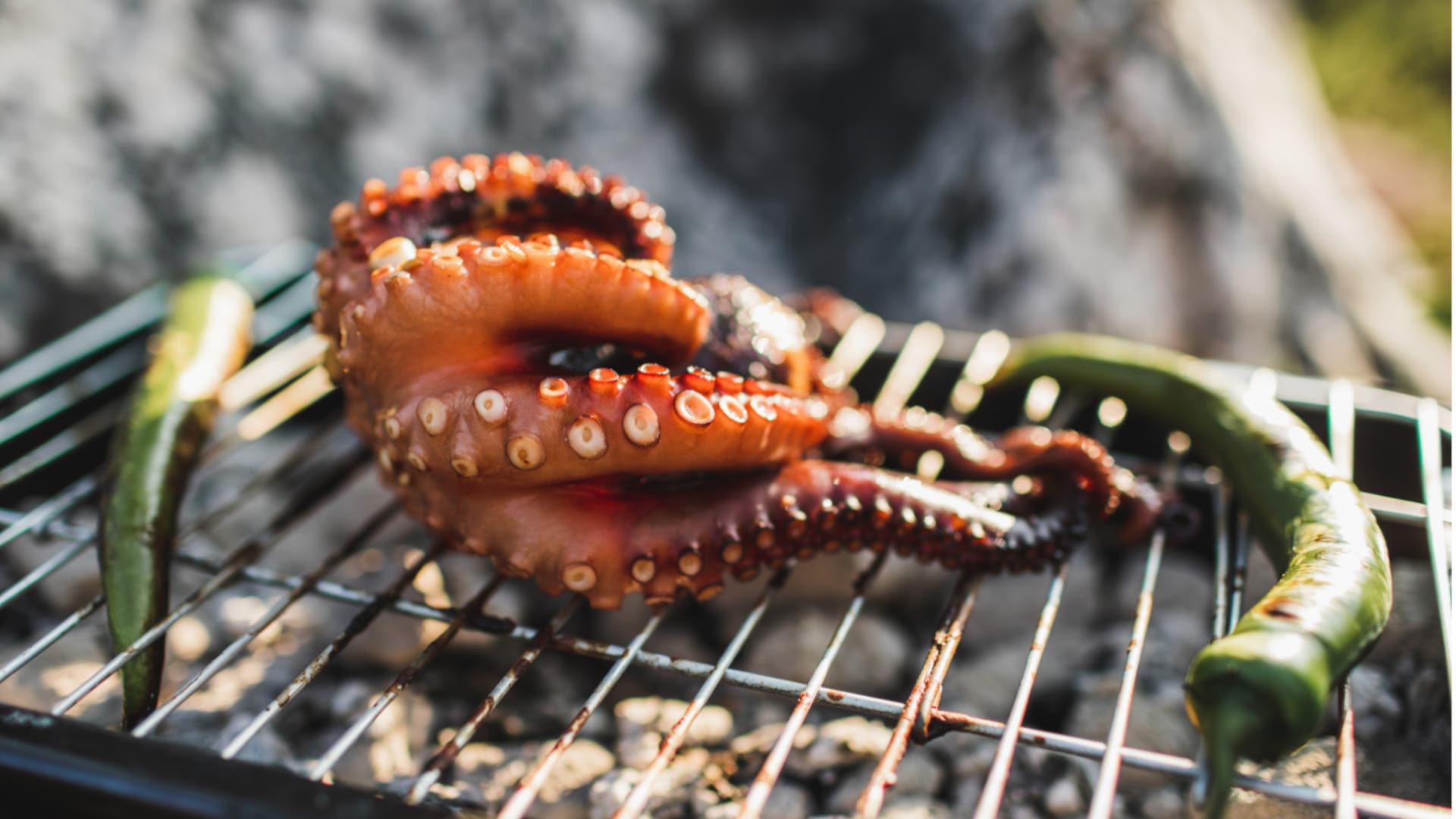
Before finalizing a menu, Connaughton assesses the physical logistics of the trip. This includes evaluating the mode of transportation—whether moving strictly under human power on a backpacking route or utilizing a vehicle capable of hauling cast-iron cookware—along with available heat sources. While some campsites offer full fire pits or two-burner camp stoves, Connaughton favors portable high-output units like Iwatani butane stoves for precise temperature control.
Understanding these physical boundaries allows a cook to make deliberate choices regarding cookware, whether that means minimizing weight down to the gram with titanium vessels or successfully portaging a traditional Japanese clay pot (donabe) deep into the woods to cook a whole duck over an open fire.
"If you know what the box is, there’s room for infinite creativity within that box," Connaughton says. "Then, try to push right to the edge of that box will allow."
3. Shift the Labor Timeline: Pre-Trip Preparation
The single greatest secret to executing a high-level meal in the wilderness is minimizing active cooking time at the campsite. Connaughton performs all heavy preparation—chopping aromatic vegetables, braising proteins, and simmering stocks—within his home kitchen using professional appliances. Ingredients are then portioned into vacuum-sealed bags or leak-proof containers.
By freezing complete main courses at home, he ensures that the outdoor experience remains focused on socialization rather than labor. "I’m always planning a menu around how I can maximize the time with the guests," he explains, "so they’re not all having fun while I’m in the kitchen."
4. Rigorous Food Safety Protocols
Managing perishables in remote environments demands precise thermal calculations. Connaughton utilizes a multi-layered insulation technique to transport perishable proteins and complex dishes safely. He prepares a meal at home, vacuum seals it to minimize bulk, and places it flat in a freezer. He then inserts that frozen package into a secondary vacuum-sealed bag filled with loose ice cubes before freezing the entire assembly a second time.
Upon departure, this dense, rectangular mass slides securely against the back panel of a backpack. Over the course of the journey, the exterior ice gradually thaws into potable drinking water, while the interior meal remains safely chilled. Once the meal is consumed, the outer bag is repurposed to safely pack out refuse, satisfying a core tenet of outdoor efficiency: "You’re always thinking about the layers of purpose and repurpose all the way through."
5. Maximize Flavor with Minimal Garnishes
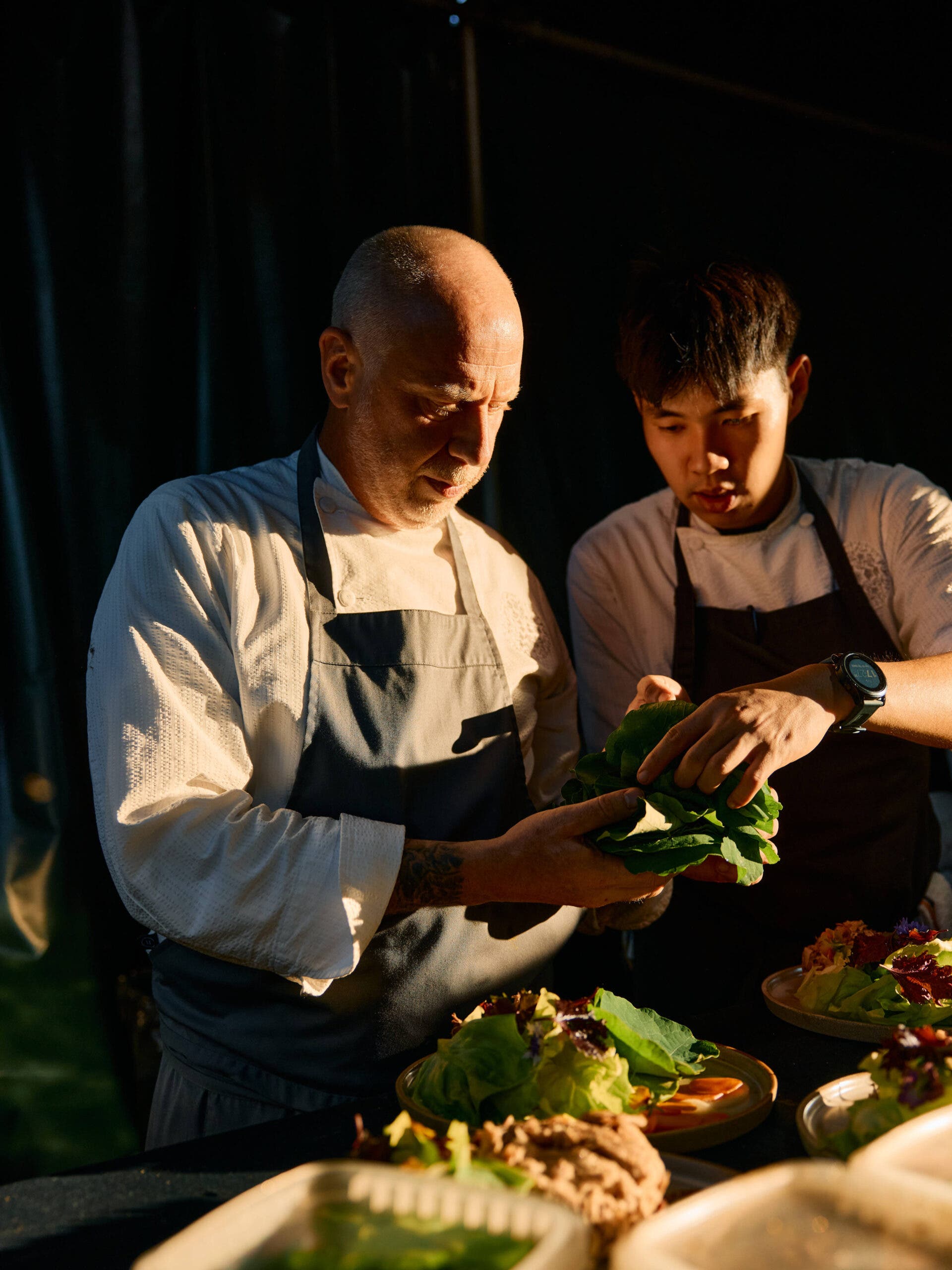
Carrying complex spice cabinets into the backcountry is impractical, but lightweight, high-impact finishing touches require minimal space while delivering substantial sensory returns. Connaughton recommends packing items like toasted sesame seeds or a small vial of yuzu kosho—a Japanese citrus and chili paste. These minute additions signal care and attention to detail, elevating a simple camp meal into a memorable dining experience.
6. Streamline Cleanup Through One-Pan Execution
Culinary execution in the wilderness extends beyond preparation and cooking; sanitation is an integral component of the process. To reduce the burden of scrubbing dishes in a backcountry setting, Connaughton advocates for a disciplined one-pan methodology.
Rather than utilizing separate vessels for proteins, starches, and vegetables, a cook should utilize a single carbon steel pan or skillet sequentially. By searing the meat, removing it to rest, cooking the vegetables in the remaining rendered fats, and finally utilizing liquid additions to build a pan sauce, the chef achieves two distinct goals: flavor builds organically through fond accumulation, and the final deglazing process leaves the vessel largely clean, simplifying the wash cycle.
Broader Impact and Implications for Outdoor Culture
The crossover of high-end culinary arts into outdoor recreation reflects a broader cultural shift toward experiential travel and hyper-intentional leisure. As more people seek refuge in natural landscapes following periods of intense urban and digital saturation, the quality of shared time around the campfire has taken on renewed importance.
Industry analysts note that the market for premium outdoor lifestyle accessories—ranging from heavy-duty rotomolded coolers to precision portable stoves—has expanded significantly, driven by consumers who demand institutional-grade performance in wild environments. Connaughton’s approach demonstrates that gourmet cooking in the backcountry is not merely about culinary pretension; it is an extension of interpersonal care.
By treating fellow adventurers not as casual companions or "covers," but as honored guests in a temporary wilderness home, outdoor enthusiasts can fundamentally alter the dynamic of an expedition. As Connaughton summarizes, the intersection of rigorous planning, thoughtful hospitality, and shared wilderness creates an environment where safety, comfort, and culinary delight reinforce one another.
"These are the people that I’m choosing to spend time with," Connaughton reflects. "We’re all responsible for each other’s safety, and we’re all responsible for each other’s good experience. It’s the spirit of hospitality."