How to Dress Like a Local in Europe: A Comprehensive Style Guide for American Travelers

For decades, the transatlantic traveler has faced a perpetual sartorial dilemma: how to pack efficiently for a multi-city European vacation while avoiding the unmistakable aesthetic markers of an American tourist. Thanks to modern globalization and the ubiquity of fast-fashion conglomerates like Zara, H&M, and Uniqlo, the sartorial gap between an average 25-year-old living in Chicago and their counterpart in Berlin or Madrid has narrowed significantly. Yet, subtle cultural distinctions in fit, grooming, and context continue to separate the local commuter from the foreign visitor.
Understanding these distinctions is not merely an exercise in vanity; it carries practical implications. Dressing with a baseline level of local context helps travelers blend into urban landscapes, mitigating the risk of drawing unwanted attention from opportunistic pickpockets and scammers who routinely target visibly disoriented tourists. Navigating this stylistic tightrope requires an understanding of what to wear, what to leave at home, and how to balance comfort with local norms.
The Pitfalls of Tourist Fashion: What Not to Wear
To successfully integrate into the daily rhythm of a European metropolis, travelers must first recognize the common wardrobe choices that instantly broadcast their foreign status. Style analysts and seasoned expatriates note that avoiding these specific garments achieves roughly ninety percent of the goal.

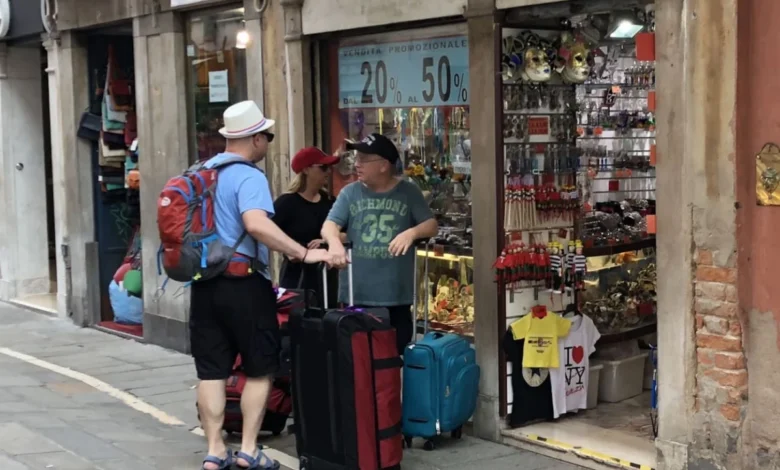
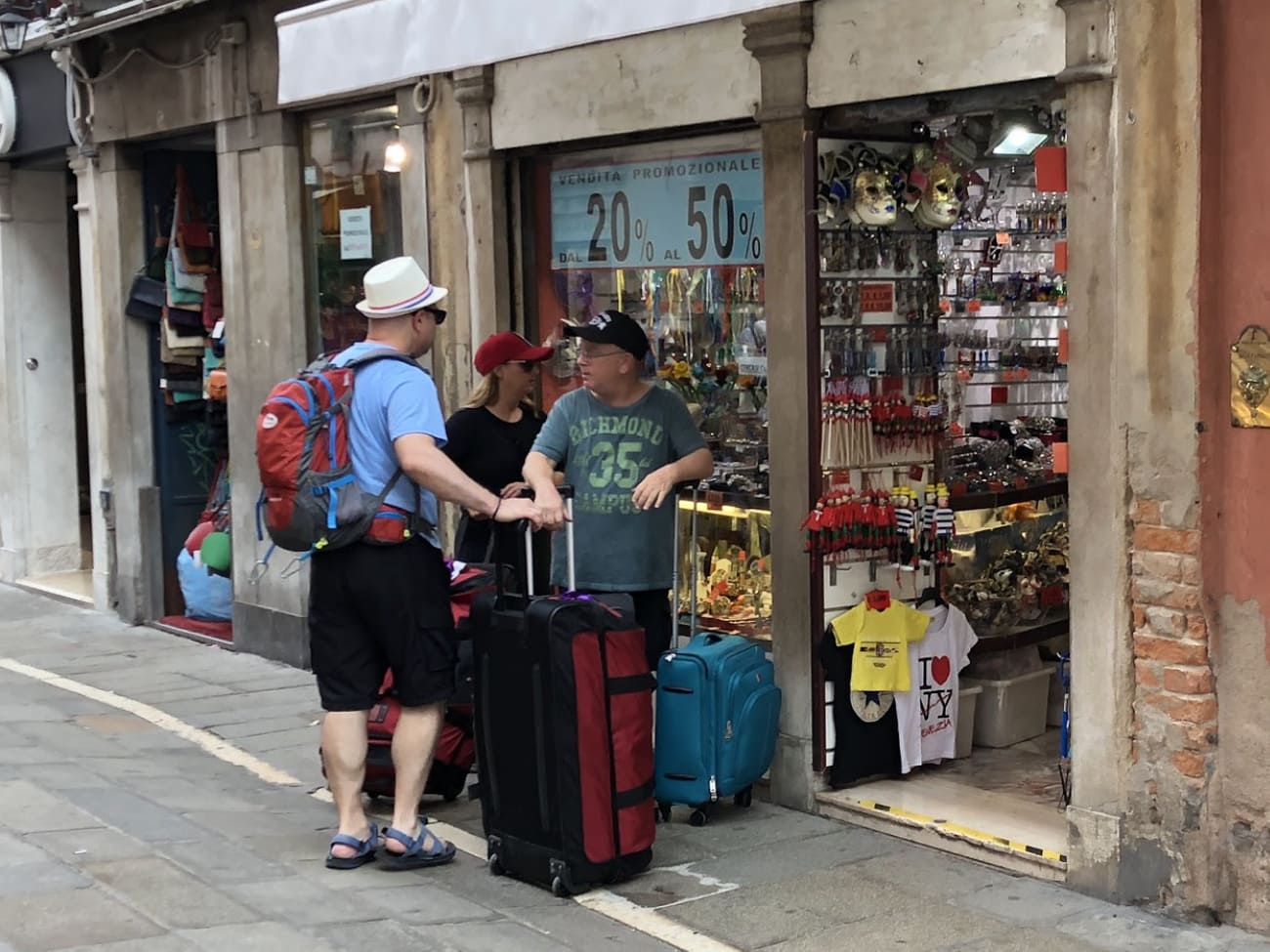
Head-to-toe athletic wear remains the single most prominent identifier of an American tourist abroad. While Europeans certainly embrace fitness and leisure apparel, the cultural context differs sharply. Wearing matching athletic shorts, high-performance running shirts, and technical jackets outside of a designated gym, running track, or hiking trail is rarely seen among urban locals. Similarly, public appearances in sweatpants, track pants, or oversized lounge wear are largely restricted to domestic settings.
Footwear presents another critical challenge. Navigating historic European city centers—often characterized by uneven cobblestones, medieval paving stones, and miles of daily walking—demands supportive footwear. However, bulky, brightly colored, technical running shoes designed strictly for marathon training or heavy trail running immediately signal tourist status. Flip-flops and beach sandals should similarly be restricted entirely to coastal resorts and swimming pools, as wearing them through urban centers is viewed as impractical and unrefined.

Headwear and fan apparel also warrant careful consideration. While baseball-style caps are increasingly common across European cities, wearing caps, jerseys, or jackets emblazoned with local American sports teams, universities, or regional franchises immediately marks the wearer as an outsider.
Conversely, attempting to overdress to compensate for perceived European formality can prove equally counterproductive. Arriving at standard sightseeing attractions in heavily tailored suits, expensive luxury evening wear, or overly pristine designer outfits signals an affluent and potentially naive visitor, inadvertently inviting the attention of urban scammers.
Practical Strategies for Daytime Sightseeing and Nighttime Dining
The overarching objective for any traveler packing a suitcase for Europe should be a balance of functional practicality, understated elegance, and minimalist coordination. Attempting to replicate the entire seasonal wardrobe of a local resident is entirely impractical, particularly given the logistical burden of hauling heavy luggage across cobblestones, up flights of European hotel stairs lacking elevators, and through regional train stations.
Daytime Attire: Prioritizing Mobility and Comfort
During daytime hours, sightseeing itineraries often mandate logging anywhere from 10,000 to 20,000 steps while visiting historical monuments, museums, and outdoor plazas. Comfort is paramount, but it need not come at the expense of looking put-together.
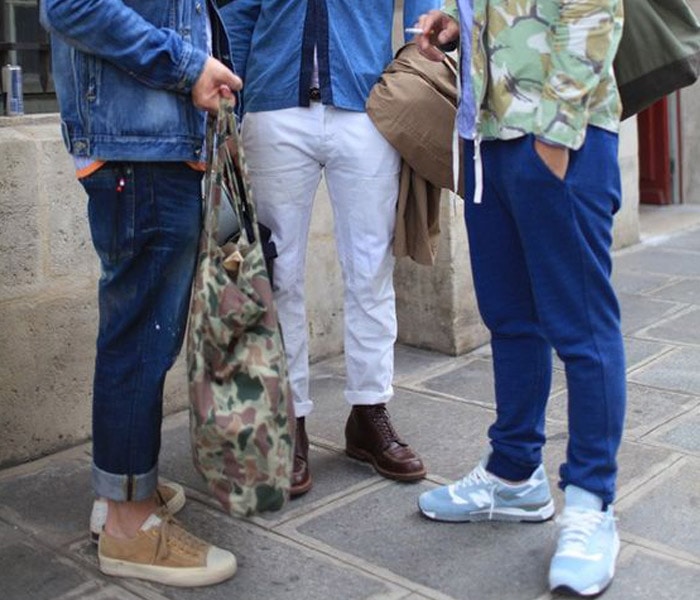
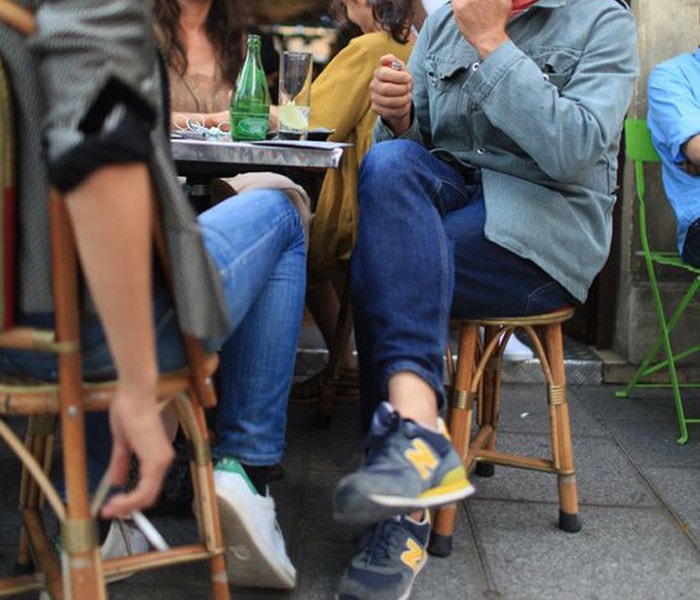
- Lifestyle Sneakers: High-performance running shoes should be replaced with modern "athletic lifestyle" footwear. Brands such as Adidas, Nike, and New Balance offer comfortable models that combine cushioned support for long walks with sleek, low-profile silhouettes. Minimalist leather sneakers in neutral white, black, or grey are an especially versatile choice, pairing easily with denim, chinos, or casual trousers.
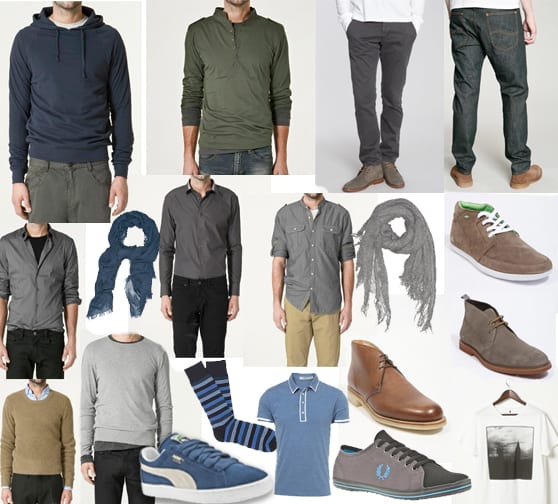
- Tailored Fits: European urban fashion heavily emphasizes well-fitting silhouettes. Garments do not need to be restrictive or uncomfortable, but avoiding excessively baggy shirts, overly wide cargo pants with voluminous side pockets, and unstructured outerwear instantly elevates a traveler’s appearance.
- Neutral Palettes: Sticking to a cohesive color palette centered on darker earth tones, navy, charcoal, olive, and black simplifies packing. Neutral colors not only facilitate effortless mixing and matching to create multiple outfits from a minimal wardrobe, but they also effectively conceal minor travel stains and dust accumulated during transit.
- Layering Essentials: European weather patterns can shift rapidly, particularly during shoulder seasons. Incorporating versatile layers—such as a lightweight chore coat, a denim jacket, or a classic trench—over a basic t-shirt or button-up shirt provides practical temperature regulation while adding textural depth to an outfit.
Nighttime Attire: Elevating the Standard
As evening approaches, urban populations in cities like Paris, Rome, and Barcelona transition to slightly more refined clothing for dinner, theater, or socializing. While ultra-exclusive nightclubs or Michelin-starred restaurants enforce strict dress codes involving blazers or formal shoes, standard dining establishments require only a moderate upgrade from daytime gear.
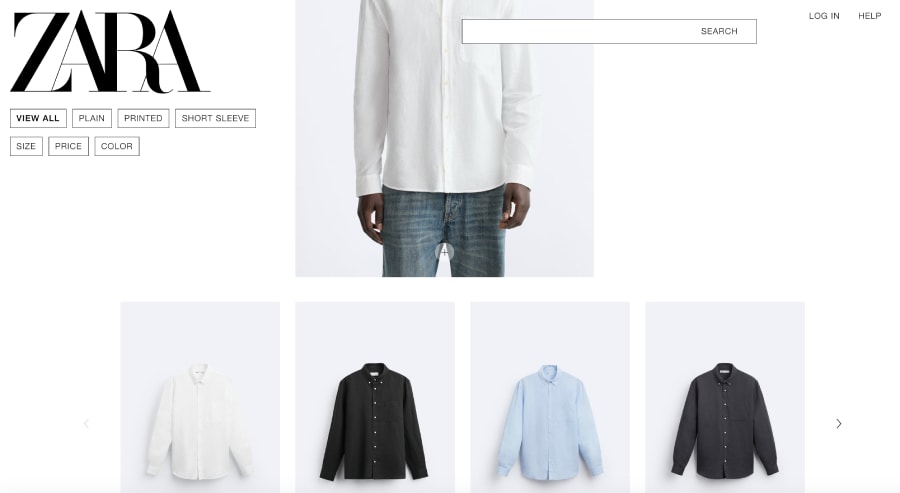
A reliable, universally accepted evening ensemble for male travelers consists of a well-fitted, long-sleeve button-up shirt paired with dark denim or tailored chinos, finished with clean, minimalist leather sneakers or casual leather loafers. This combination strikes an ideal balance, ensuring entry into 99% of standard European dining and entertainment venues without appearing overdressed or out of place.
Accessorizing with Purpose
Accessories should serve a functional purpose while maintaining a low profile. Wristwatches, for instance, offer a practical alternative to constantly checking a smartphone screen for the time, reducing the risk of device theft in crowded public transit hubs. Furthermore, travelers are advised to select watches featuring a 24-hour or military time display, as standard public transportation schedules, railway timetables, and venue reservations throughout continental Europe operate strictly on a 24-hour clock.
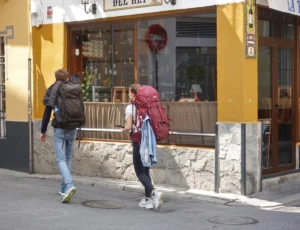
Luggage and day bags also require strategic selection. Bulky, brightly colored hiking backpacks loaded with external gear straps immediately identify the wearer as a transient backpacker. Opting for a sleek, unassuming daypack or a minimalist messenger bag worn securely across the chest provides both security against pickpockets and a more mature aesthetic profile.
Economic and Cultural Implications of Tourist Presentation
Sociologists and tourism researchers note that visual presentation significantly alters a traveler’s interactions with local service providers, merchants, and law enforcement. While blatant mistreatment of tourists based solely on clothing is rare, blending in subtly alters the dynamic of hospitality.
Tourists who present themselves as orderly, understated, and respectful of local urban aesthetics frequently experience smoother interactions in restaurants, hotels, and transit hubs. Conversely, individuals who project overt markers of cultural detachment or extreme affluence are statistically more likely to be targeted by aggressive street vendors, fraudulent ticket sellers, and opportunistic petty criminals.
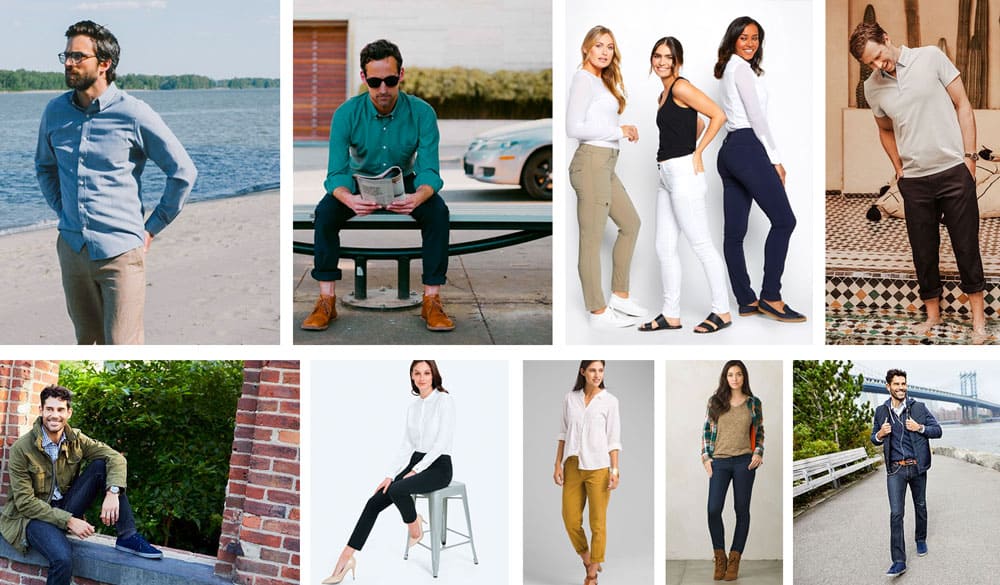
Ultimately, dressing for European travel requires rejecting the extremes of sloppy athletic wear and impractical runway fashion. By focusing on well-fitted basics, neutral color schemes, comfortable lifestyle footwear, and adaptable layering pieces, travelers can achieve an effortless, respectable aesthetic that respects local cultural norms while ensuring maximum physical comfort throughout their journey.