Unveiling Belo Horizontes Culinary Heritage: A Deep Dive into Bar Do Careca and the Legendary Feijao Tropeiro

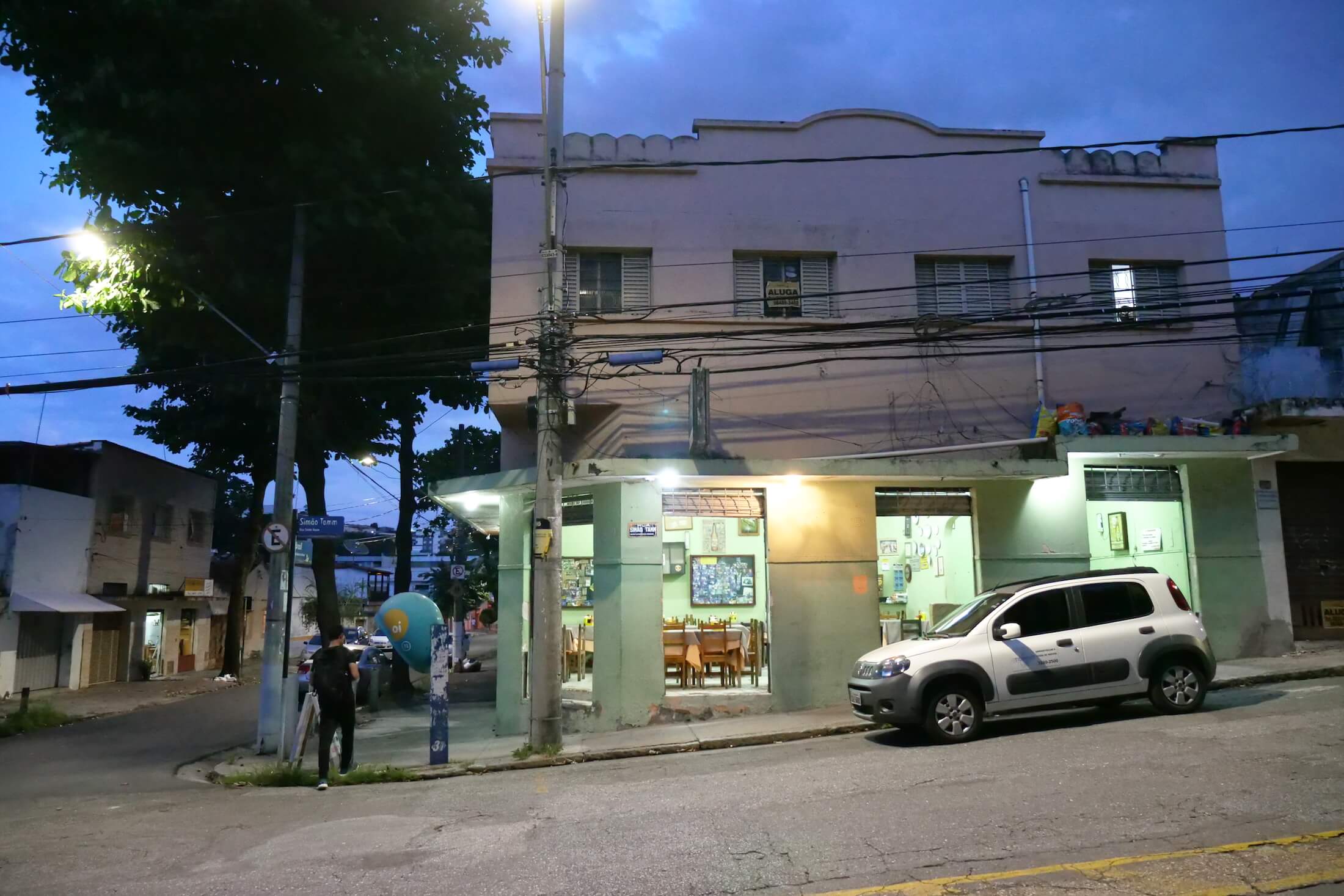
The culinary landscape of Minas Gerais, Brazil, is internationally recognized as a cornerstone of authentic Brazilian gastronomy. Nestled within a quiet, unassuming residential neighborhood in Belo Horizonte, the capital of Minas Gerais state, lies Bar Do Careca—an establishment that has quietly anchored the region’s traditional food culture for decades. While major metropolitan areas across Brazil boast high-end fusion restaurants and avant-garde dining concepts, Bar Do Careca offers a masterclass in culinary preservation, specializing in deeply traditional, hearty comfort foods that trace their origins back to Brazil’s colonial era. Among its extensive menu of locally revered dishes, the establishment’s interpretation of Feijão Tropeiro—a complex, calorie-dense combination of beans, pork, and cassava—serves as a primary draw for culinary tourists, local dignitaries, and international food historians alike.

Chronology and Origins of a Culinary Institution
The history of Bar Do Careca is fundamentally intertwined with the personal and professional trajectory of its owner, Mr. Orcino. Having dedicated six decades of his life to the food and hospitality sector, Mr. Orcino has spent the last thirty years operating Bar Do Careca alongside his wife. The daily operations reflect a tightly knit, generational approach to cooking and service. The kitchen staff comprises experienced local cooks who have trained under Mr. Orcino for decades, executing complex, multi-step traditional recipes with practiced precision.
The establishment’s longevity is further underscored by its cultural footprint. Over its thirty years in operation, Bar Do Careca has transitioned from a localized neighborhood watering hole into a destination for gastronomic travelers. Notably, the restaurant’s walls feature photographic documentation of visits from prominent international food figures, including the late Anthony Bourdain, who documented the rich food traditions of the region. This history places Bar Do Careca not merely as a commercial dining establishment, but as an active archive of Minheirão culinary heritage.
Anatomy of a Masterpiece: The Preparation of Feijao Tropeiro
To understand the cultural and gastronomic significance of Bar Do Careca, one must examine the meticulous preparation required for its signature dish, Feijão Tropeiro. The dish, whose name derives from the tropeiros—the historic muleteers and cattle drivers who traversed Brazil’s interior during the colonial period—was originally engineered for durability and sustenance. These travelers required high-energy, non-perishable food items that could withstand weeks of travel across rough terrain without refrigeration.
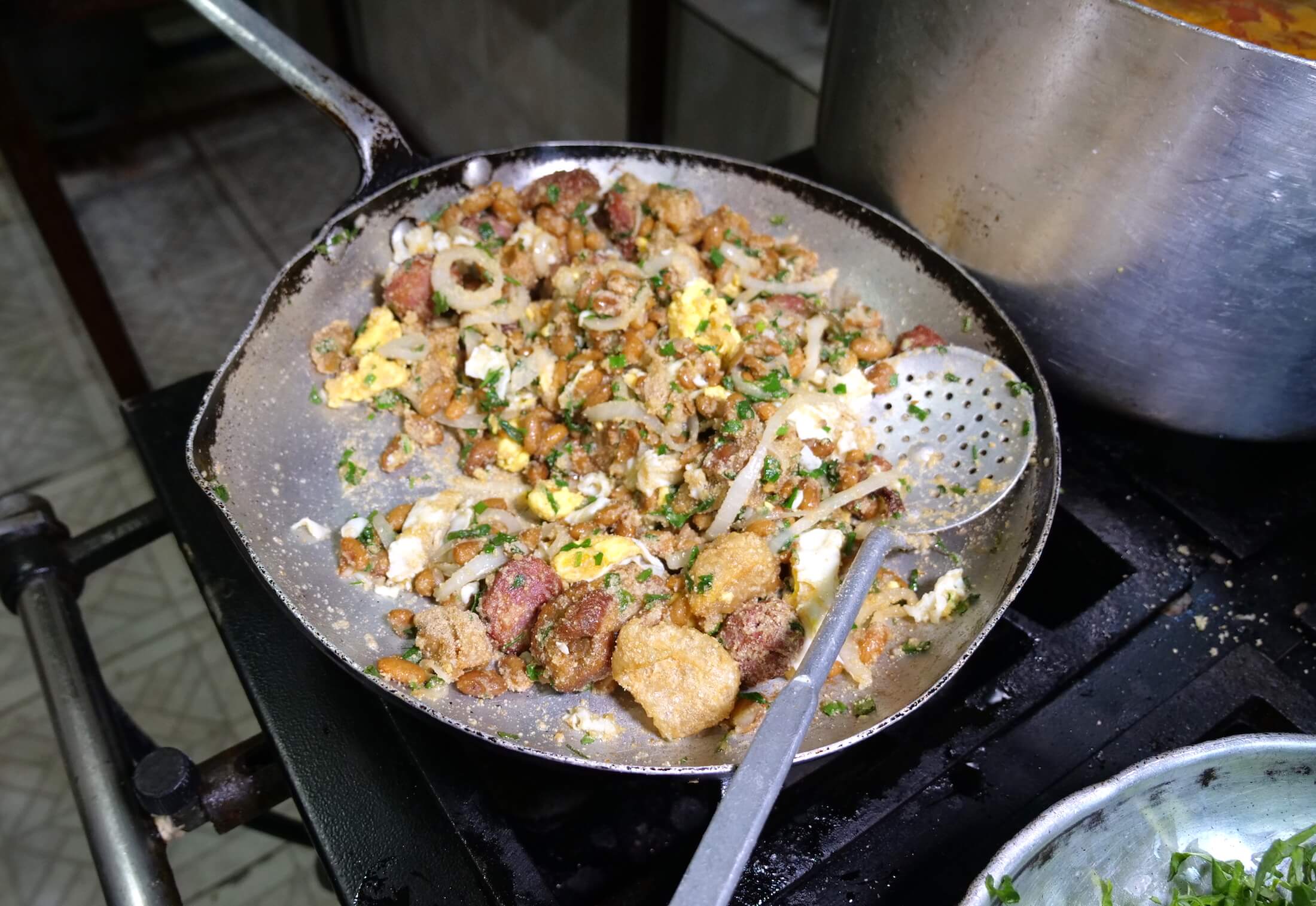
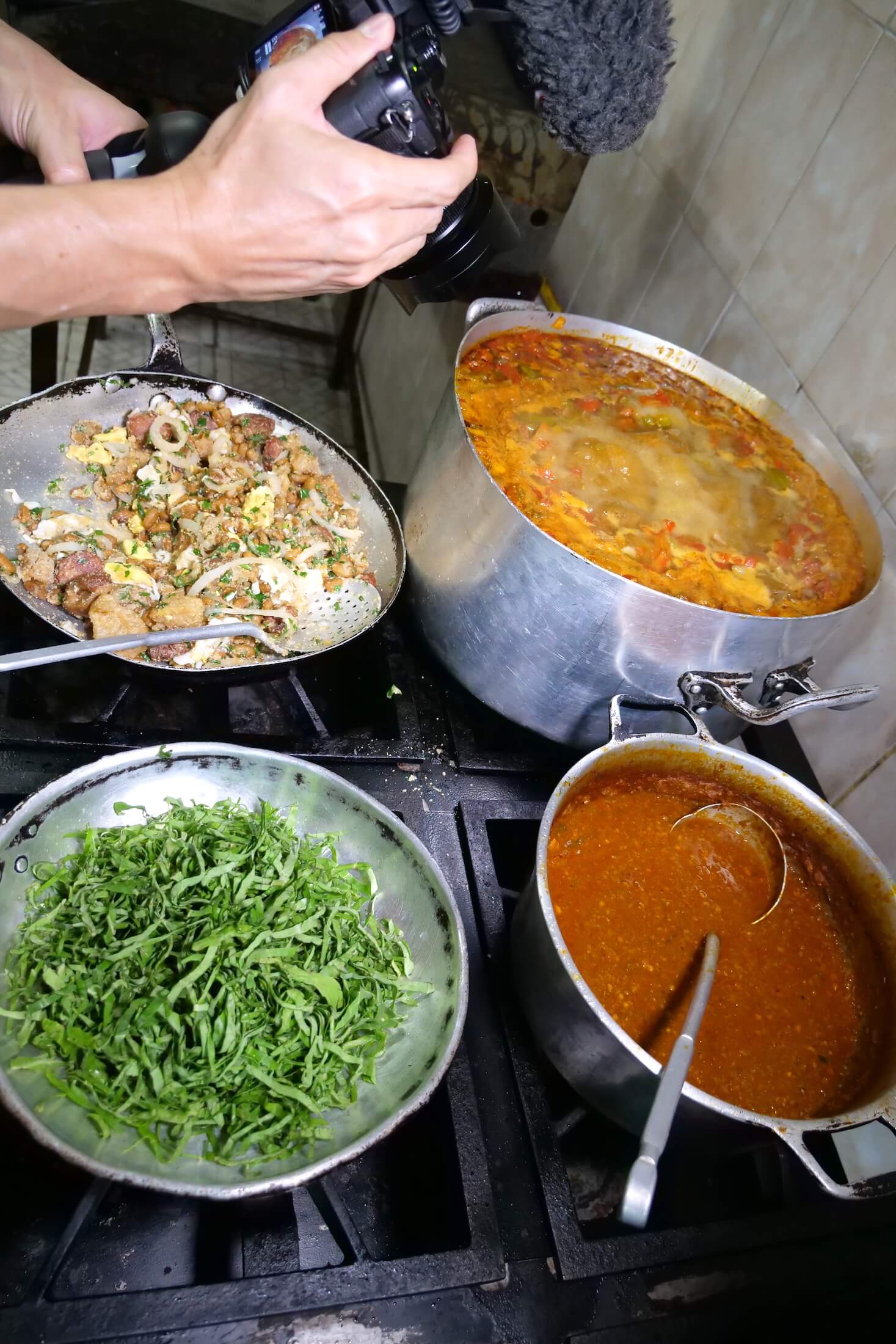
At Bar Do Careca, the modern preparation of Feijão Tropeiro elevates these humble historical roots into an intricate culinary feat. The cooking process requires multiple pans, precise timing, and a vast array of distinct ingredients. The foundation of the dish begins with the simultaneous frying of large quantities of onions and brown beans. Simultaneously, a separate pan renders olive oil, garlic, and additional onions, which are integrated toward the final stages of cooking to amplify the aromatic profile.
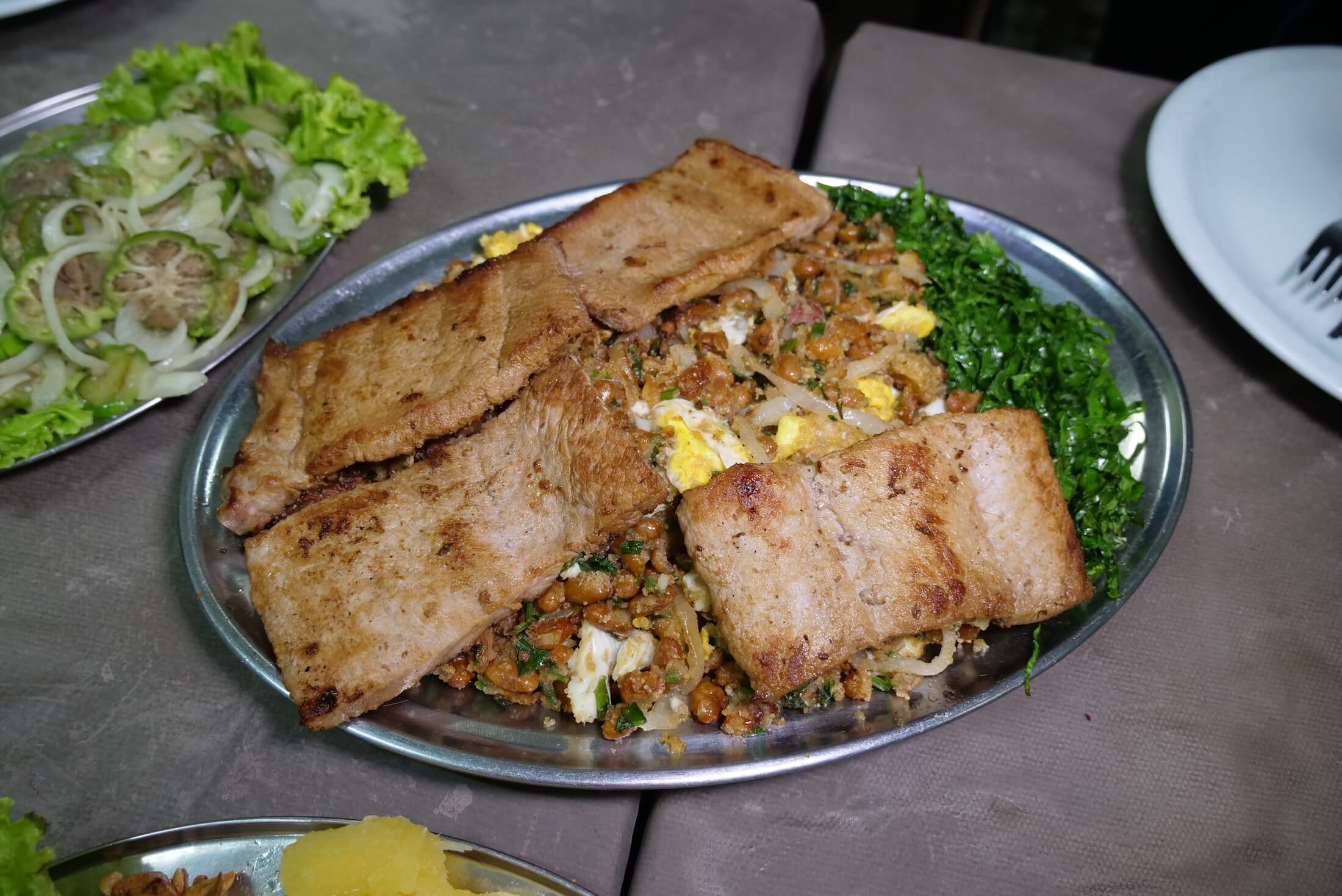
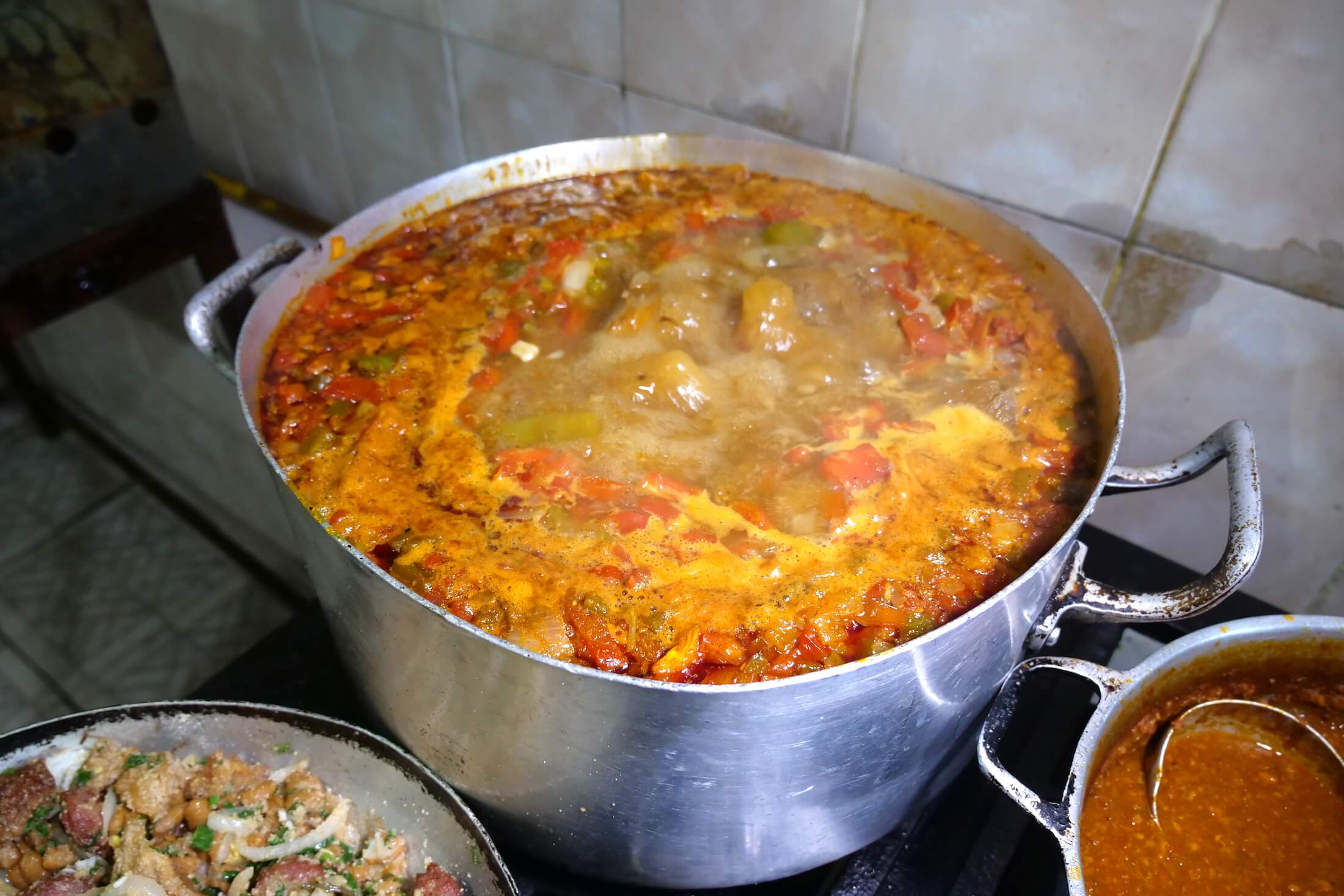
Unlike standard interpretations of the dish, which typically utilize basic pork scraps or bacon bits, Bar Do Careca incorporates thick, double-deep-fried pork cracklings—essentially deconstructed, robustly sized pork chops—into the bean mixture. This is followed by the incorporation of four freshly fried eggs, fresh cilantro, green onions, and farinha (coarse, ultra-dry cassava powder). Moisture and depth of flavor are maintained through the addition of a vegetable and red bean stock drawn from a central "mother pot" simmering continuously on the stove, containing tomatoes, garlic, onions, and peppers.
The assembly concludes with a fast-paced pan-fry of finely sliced kale, which retains its structural firmness and vibrant green color, arranged meticulously on one side of a large, oblong silver serving platter. Finally, the massive mountain of bean-and-pork mixture is crowned with four long, thin strips of freshly fried pork chops. The resulting dish represents a masterclass in culinary balance, combining five distinct proteins, at least five vegetable components, and complex starches into a cohesive, high-density meal capable of satisfying multiple diners.
Beyond the Beans: Exploring Regional Minheirão Staples
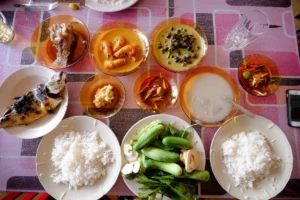
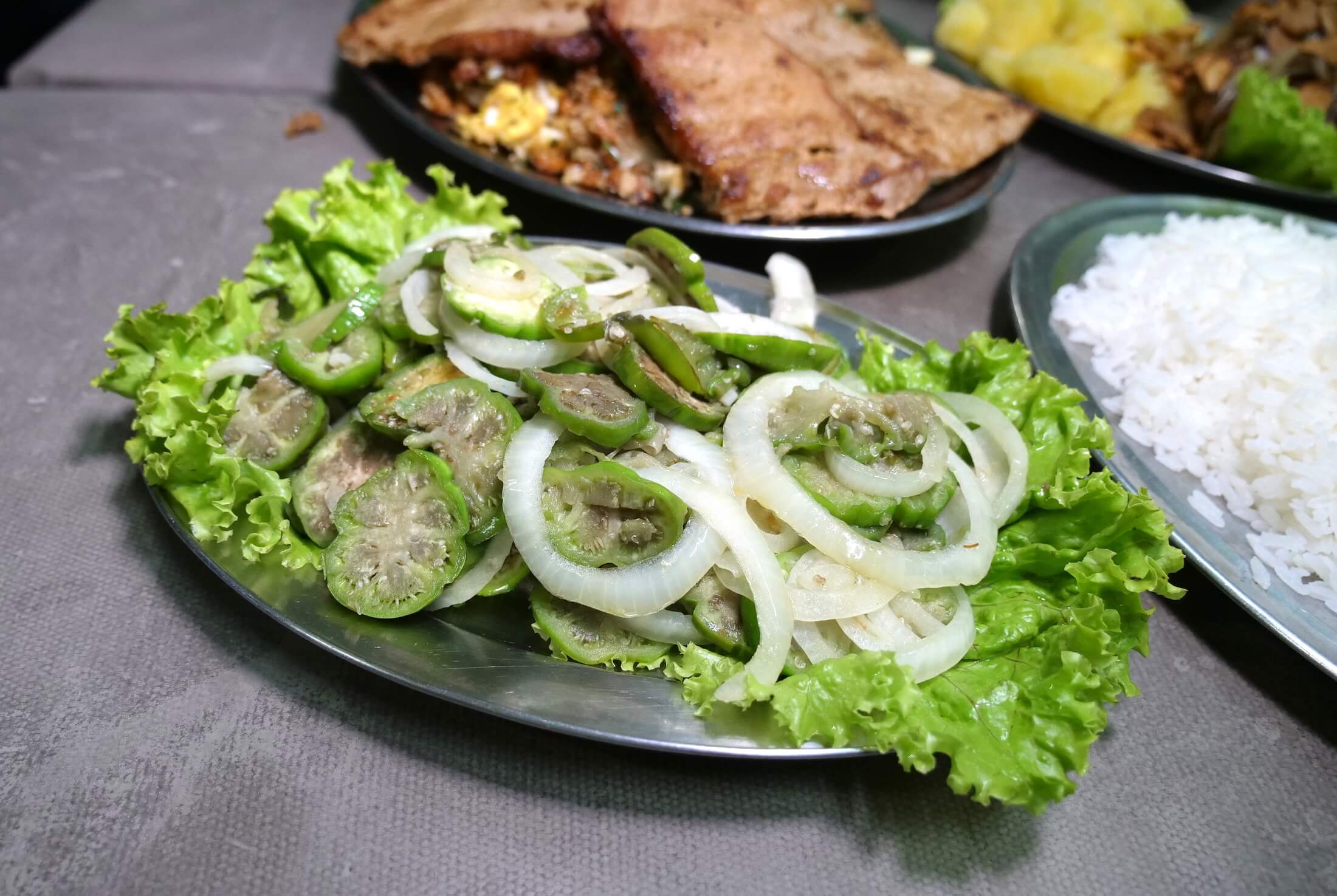
While Feijão Tropeiro remains the flagship offering, Bar Do Careca’s menu serves as an exhaustive catalog of South-Central Brazilian home-cooking. Another prominent specialty is Jiló (Scarlet Eggplant), a vegetable deeply embedded in the culinary identity of Minas Gerais. Contrary to the soft, often mushy texture associated with standard eggplant varieties in Western cuisine, the preparation at Bar Do Careca yields a firm, intensely flavored vegetable. Sautéed simply in olive oil, garlic, and onions—frequently accompanied by beef liver—the scarlet eggplant offers a complex, pleasant bitterness that acts as a sophisticated counterweight to the heavy, protein-rich meat dishes on the menu.
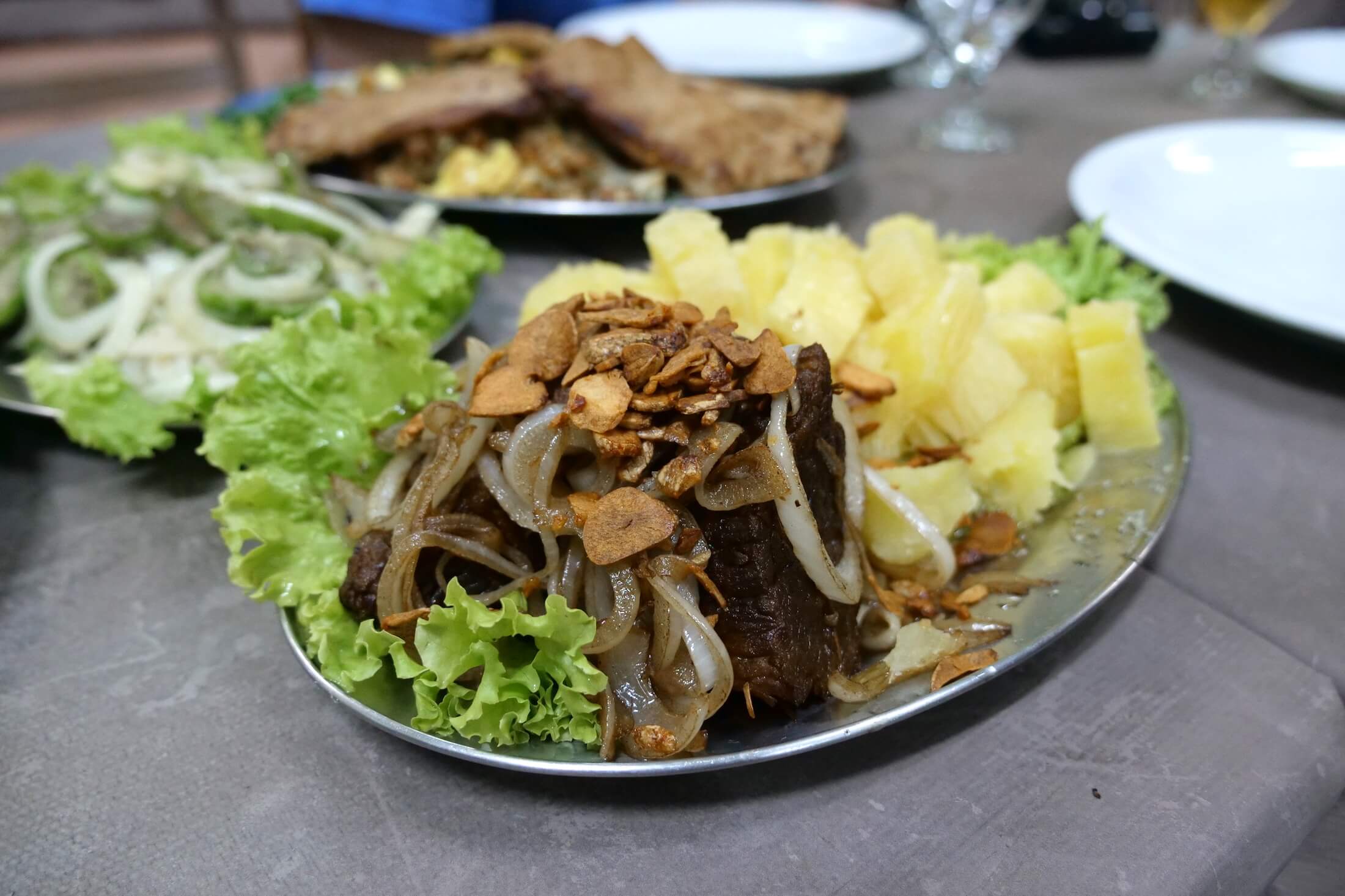
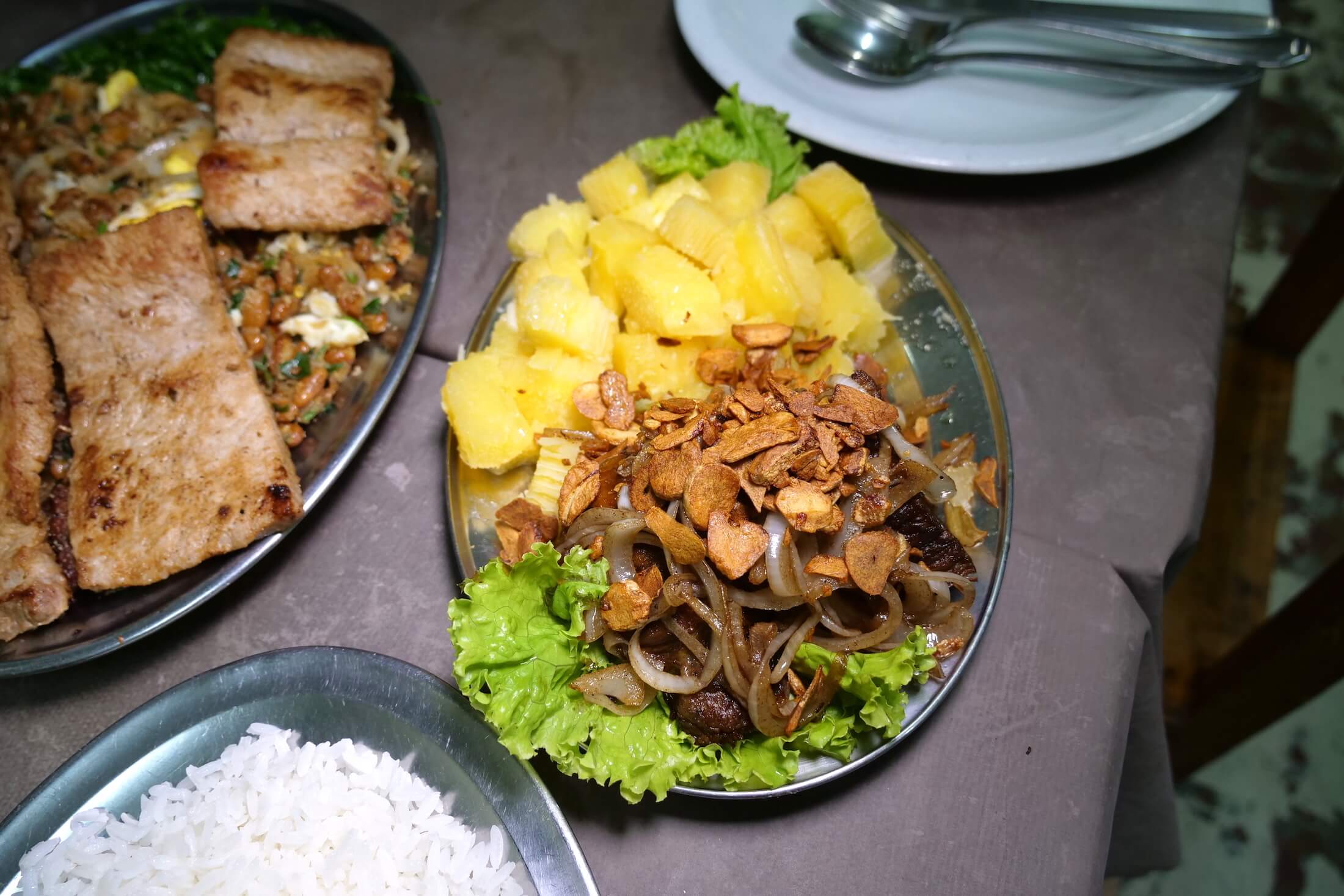
The establishment’s pan-cooked beef (Bife de Panela) further exemplifies the region’s culinary philosophy. Featuring tender cuts of roast beef covered in a double layer of deep-fried garlic and onions, the dish is traditionally served alongside steaming mounds of boiled potatoes or cassava (mandioca). These indigenous root vegetables serve a functional role in the meal, functioning as neutral starches that balance the intense, garlic-forward profiles of the primary proteins.
Socioeconomic Impact and Culinary Tourism
The sustained popularity of Bar Do Careca highlights a broader trend within contemporary tourism: the shift toward immersive, heritage-based food travel. Culinary tourists increasingly bypass standardized international dining in favor of neighborhood establishments where preparation methods have remained unchanged for generations. The economic model of businesses like Bar Do Careca relies heavily on community integration, local sourcing of agricultural staples such as beans and cassava, and direct, personal engagement between the proprietors and their clientele.
Priced exceptionally accessibly—with comprehensive multi-person meals, including beverages, totaling approximately R$156 (around $40 USD)—the restaurant maintains a neighborhood-accessible ethos despite its international acclaim. This pricing structure ensures that the establishment remains a staple for local residents of Belo Horizonte while simultaneously remaining accessible to international visitors seeking genuine cultural immersion.
Operational Logistics and Future Implications
Operating within restricted hours—typically open Tuesday through Friday evenings, Saturday from late morning through midnight, and Sunday afternoon, while remaining closed on Mondays—Bar Do Careca operates on a rhythm dictated by traditional preparation times rather than high-volume commercial pressures.
As Belo Horizonte continues to position itself as a premier destination for gastronomy within Latin America, establishments like Bar Do Careca face the delicate task of balancing increased international visibility with the preservation of their traditional operational scale. Mr. Orcino’s three-decade tenure, alongside his dedicated kitchen staff, demonstrates that the preservation of regional culinary heritage relies on the direct transmission of tacit knowledge from veteran cooks to the next generation. Through meticulous adherence to historical recipes, unwavering hospitality, and an uncompromising commitment to traditional preparation methods, Bar Do Careca secures its ongoing legacy as a definitive pillar of Brazilian food culture.
Related posts: