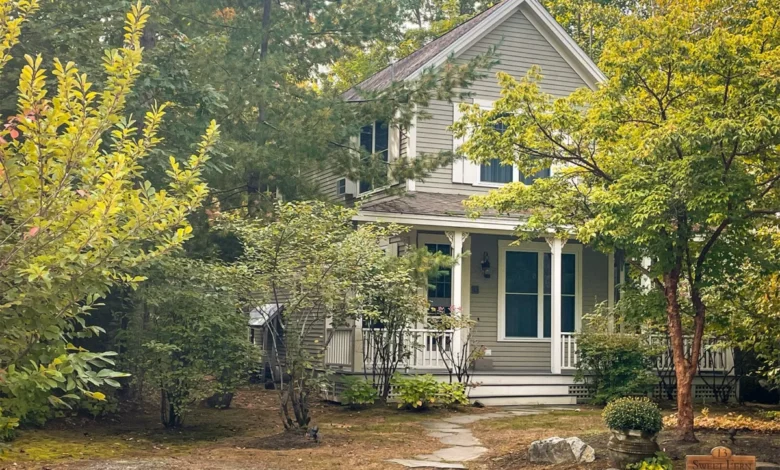
The transition between late summer and the onset of autumn in coastal Maine is characterized by a distinct atmospheric shift, where the frenetic energy of the peak tourist season yields to a more deliberate, tranquil pace. Situated on 60 secluded acres in Kennebunkport, Hidden Pond serves as a primary example of the "shoulder season" hospitality model. As the summer heat fades but before the resort concludes its seasonal operations on October 31, the property functions as a curated retreat, balancing rustic woodland aesthetics with high-end, farm-to-table culinary experiences.
Property Overview and Architectural Evolution
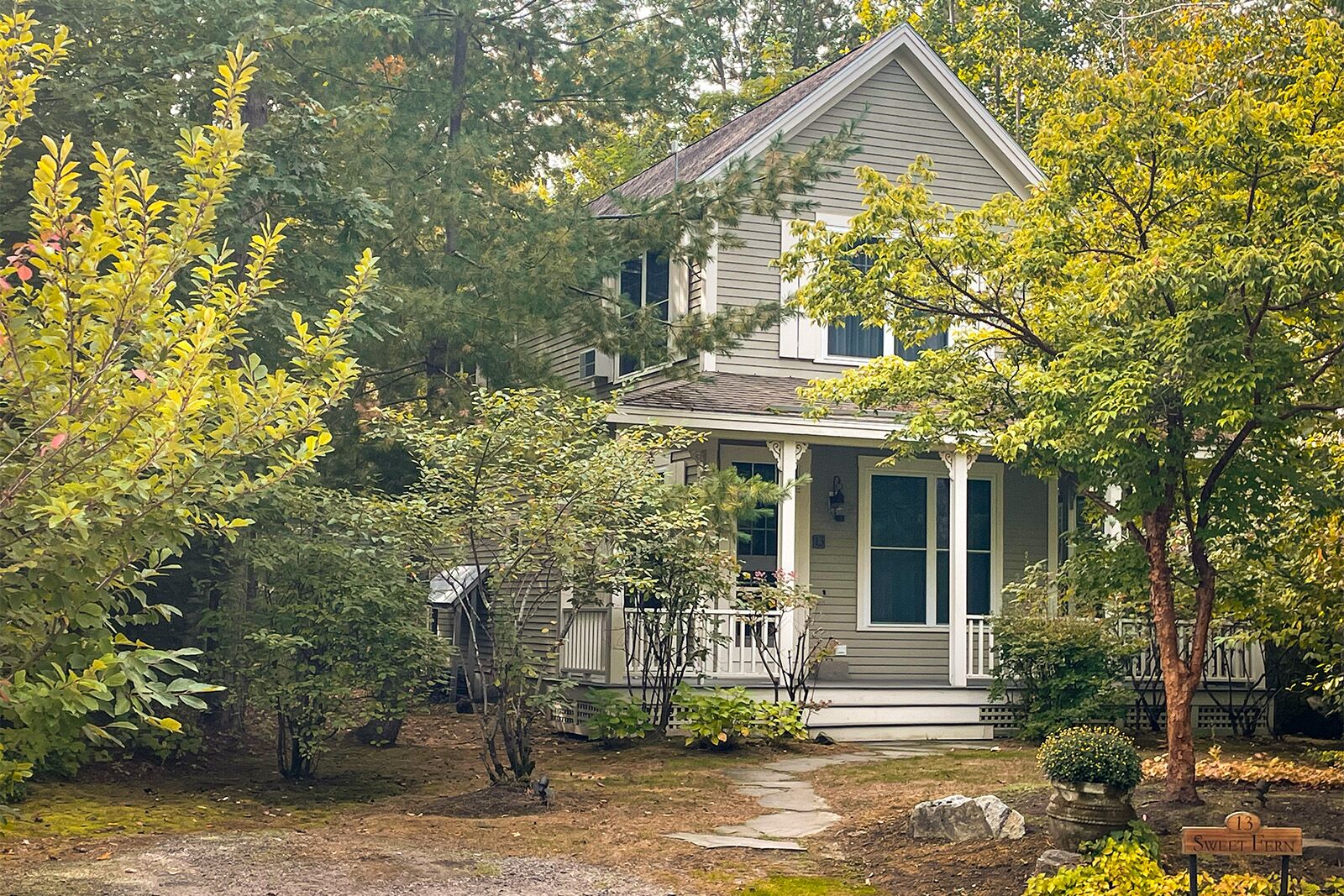
Hidden Pond encompasses 46 distinct lodging units, including one-bedroom bungalows, standalone cottages, and an array of newly refurbished two-story residences. The recent redesign, spearheaded by the Providence-based firm Superette Studio, reflects a strategic move toward bifurcating the guest experience into two distinct aesthetic themes: "coastal" and "woodlands."
The woodlands-themed units prioritize a darker, more tactile palette, utilizing mossy greens, bark-inspired textures, and heritage-grade William Morris textiles. This design choice is intended to harmonize the interior environment with the surrounding birch and pine forests. Functionally, these cottages are engineered for privacy, featuring screened-in porches, private nap nooks, and outdoor showers—amenities that cater to the modern demand for "secluded luxury."
Data provided by the hospitality sector suggests that properties incorporating nature-integrated amenities, such as outdoor bathing or private forest access, have seen a 15% increase in guest satisfaction scores over the last three years. By emphasizing these sensory details—the scent of pine, the visual layering of textures, and the isolation of the forest canopy—Hidden Pond positions itself within a competitive niche of experiential tourism that values psychological decompression over traditional hotel utility.
Culinary Infrastructure: The Earth at Hidden Pond Model
Central to the resort’s operational viability is the Earth restaurant, a farm-to-table establishment that operates independently of the resort’s seasonal closure. While the lodging facilities shutter for the winter months, Earth remains open to the public, functioning as a year-round anchor for the local culinary scene.
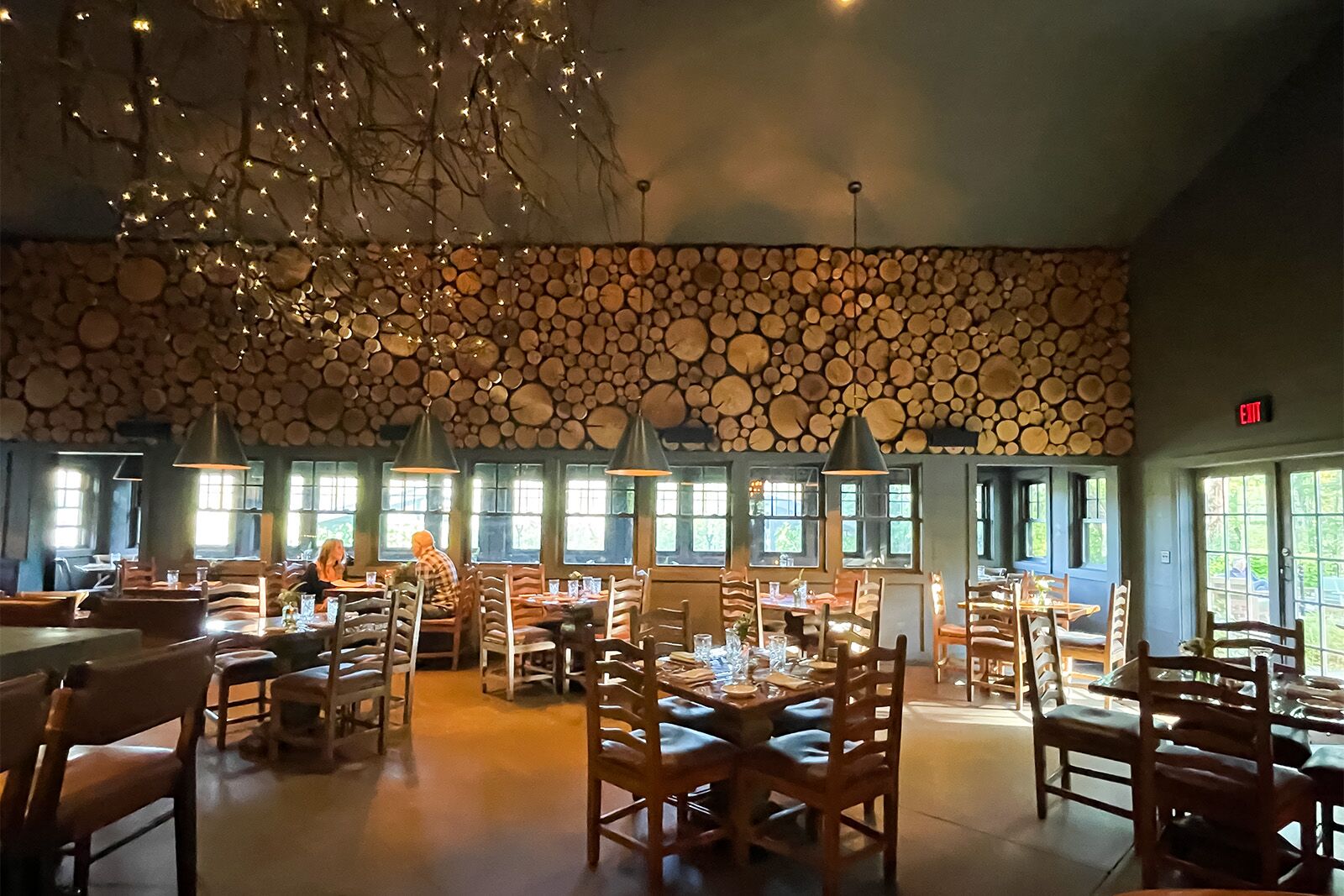
Executive Chef Justin Owen oversees a kitchen that integrates regional sourcing with seasonal fine dining. The restaurant’s design philosophy mirrors the four elements—earth, fire, air, and water—reflected in its physical structure, which features exposed beams and a signature inverted apple tree installation.
From an economic perspective, the integration of an on-site, high-end dining facility is a common strategy in remote luxury hospitality. By sourcing ingredients from the property’s own gardens, the resort minimizes supply chain volatility and enhances its brand identity as a sustainable, locally-rooted institution. The menu, which frequently features hyper-local delicacies such as Maine lobster paired with luxury imports like caviar and uni, serves as a bridge between traditional coastal fare and contemporary haute cuisine.
Chronology of the Guest Experience
A typical residency at Hidden Pond follows a structured but flexible timeline, designed to maximize the property’s seasonal utility.
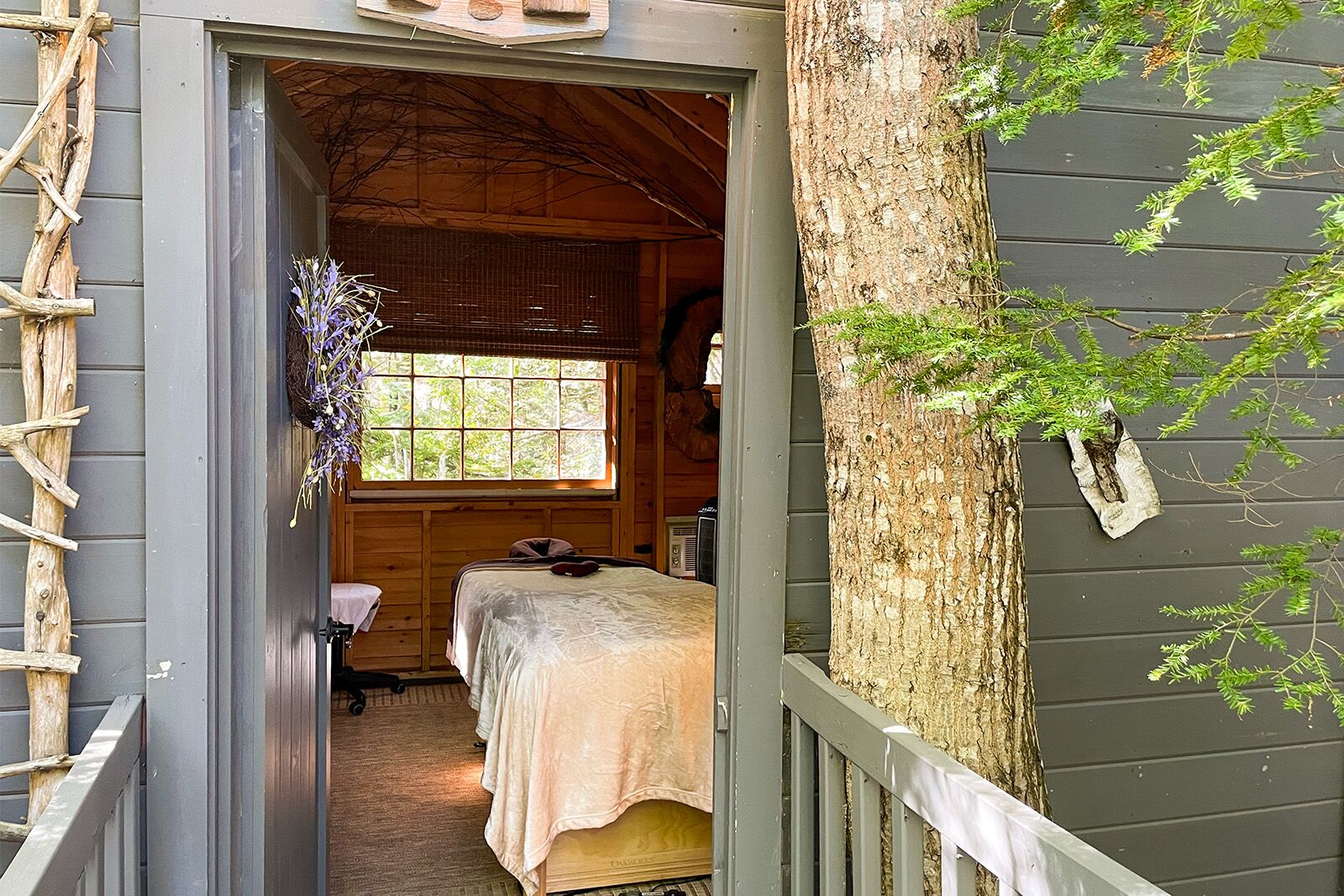
- Morning: The day often begins with "in-cottage" service, where local, often gluten-free, provisions are delivered. The morning hours are frequently reserved for wellness-oriented programming, such as yoga in the vegetable garden or spa treatments at the property’s dedicated Tree Spa.
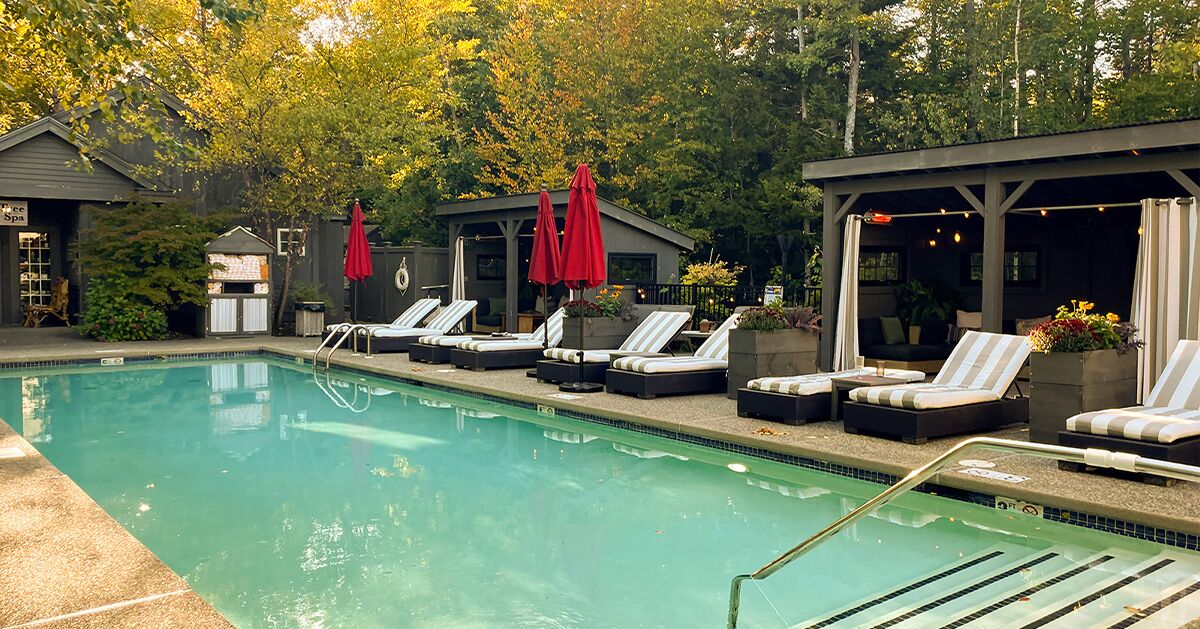
- Mid-day: Guests often utilize the heated outdoor pool, maintained at approximately 82 degrees Fahrenheit, to extend the usability of the property into the cooler autumn months. Enrichment activities, such as watercolor workshops or mixology classes, are scheduled to facilitate guest engagement without the pressures of a rigid itinerary.
- Evening: The transition to night is marked by communal gatherings around the fire pits. This period serves as the social nexus of the resort, where guests interact with staff, including management, to discuss the day’s findings and the local environment.
- Late-night: The final cycle of the day often involves off-site excursions to the Tides Beach Club, a sister property on Goose Rocks Beach. This pairing allows the resort to offer both a wooded, inland experience and a maritime, coastal experience, effectively doubling the perceived value of the stay.
Strategic Implications of Seasonal Hospitality
The decision to operate a property on a seasonal basis—closing in late October and reopening in May—is a calculated response to the realities of the Maine climate and the fluctuations in consumer demand. This "shoulder season" strategy allows the resort to maintain high service standards during peak periods while avoiding the overhead costs associated with winterization and low-occupancy periods.
For the Kennebunkport local economy, properties like Hidden Pond serve as critical tax revenue generators and employers. By staying open through October, the resort captures the "leaf-peeping" demographic, a significant segment of the New England tourism market. Industry analysis suggests that shoulder-season tourism is increasingly becoming the preferred window for travelers looking to avoid the congestion of July and August. By offering "adult summer camp" programming—which includes education, wellness, and community-building—Hidden Pond successfully converts the potential downturn of the off-season into a premium, exclusive experience.
Logistical Accessibility
Hidden Pond’s accessibility is a key factor in its market reach. Its location in Kennebunkport places it within a two-hour drive of Boston and approximately five to six hours from New York City. For international or long-distance domestic travelers, the Portland International Jetport (PWM) serves as the primary gateway, located roughly 35 to 40 minutes from the resort.
The resort’s internal transportation system—the reliance on golf carts for on-property transit—reinforces the "hidden" nature of the facility. By removing the necessity of personal vehicles within the 60-acre boundary, the property creates a contained environment that fosters a sense of detachment from the outside world.
Conclusion: Future Outlook
As luxury travelers continue to prioritize mental health, sustainable consumption, and immersive nature experiences, the model pioneered by Hidden Pond is likely to remain resilient. The integration of high-design architecture with local culinary roots provides a blueprint for small-scale, high-value resorts. While the property remains subject to the limitations of the Maine climate, its strategic operational timeline and emphasis on guest-centric programming ensure that it remains a significant destination within the Northeast’s luxury hospitality sector.
Management has indicated that the focus moving forward will remain on maintaining the "quiet luxury" aesthetic while continuing to evolve the seasonal menu and guest programming to reflect shifting culinary and wellness trends. The facility’s ability to maintain a consistent brand identity across its various property types—from individual bungalows to the upscale Earth restaurant—underscores a robust commitment to the guest experience that is increasingly rare in the age of large-scale hotel conglomerates.