The Inaugural Robb Report Airline Awards Set a New Benchmark for Global Aviation Excellence

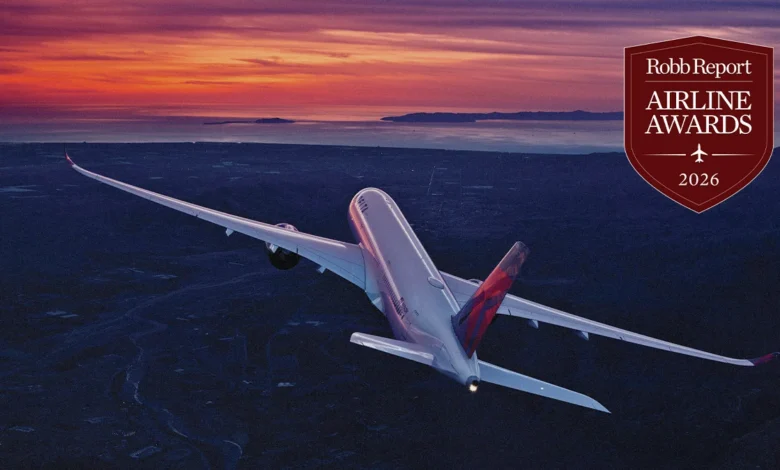
Whether you fly private or commercial, Gulfstream or Airbus, you likely harbor a distinct philosophy regarding what defines an exceptional experience at 30,000 feet. While the baseline requirements for modern travel remain rooted in efficiency and reliability, the threshold for true greatness has shifted significantly. As of October 22, 2026, the industry has a new barometer for success with the launch of the first annual Robb Report Airline Awards, an initiative designed to identify the carriers that have transcended mere transportation to offer genuine hospitality.

The Methodology of Elite Recognition
The selection process for these inaugural awards was rigorous, mirroring the editorial standards used for the publication’s prestigious Greatest Luxury Hotels on Earth list. To ensure the results reflected the preferences of the world’s most frequent and demanding travelers, the editorial team collaborated with RR1 members—a community of affluent consumers—and nearly two dozen Travel Masters. These travel specialists, known for orchestrating bespoke itineraries for the global elite, provided granular data on the performance of international carriers.
The evaluation criteria focused on four core pillars: cabin design and suite innovation, the sophistication of food and beverage programs, the quality and accessibility of ground lounges, and the "human touch" provided by cabin crews. The objective was to highlight airlines that consistently innovate, whether by integrating sustainable fuel technologies or reconfiguring business-class cabins to prioritize privacy and ergonomic comfort.

A Chronology of Industry Transformation
The aviation sector has undergone a radical transformation over the past decade. Following the volatility of the early 2020s, airlines shifted their focus from volume-driven models to value-driven, high-touch services.
- 2023–2024: Post-pandemic recovery saw a massive influx of capital into cabin refurbishment, with airlines prioritizing "door-to-door" service for premium travelers.
- 2025: The introduction of ultra-long-haul routes (exceeding 18 hours) forced carriers to rethink sleep technology and wellness-focused cabin lighting, setting a new standard for passenger health.
- 2026: The current year marks the consolidation of these trends, where personalization—such as AI-driven meal pre-selection and biometric boarding—became the industry standard for flagship carriers.
This year’s awards reflect these advancements, showcasing how the competitive landscape has evolved from mere seat pitch measurements to the holistic management of the passenger journey.

Analyzing the Winners and Industry Trends
The airlines identified as being in a "class unto themselves" share common traits: they have effectively commoditized luxury while maintaining an aura of exclusivity. For instance, top-tier winners have moved away from traditional buffets in lounges, opting instead for à la carte dining curated by Michelin-starred chefs.
Data from the awards suggests that the most successful airlines are those investing heavily in the "soft product." While a state-of-the-art suite remains a prerequisite for the business-class traveler, it is the proactive nature of the cabin crew—such as anticipating a passenger’s needs before they are stated—that consistently received the highest scores from the Travel Masters.

Furthermore, the awards recognized the rise of niche entrepreneurs who are currently disrupting traditional business models. These companies are bridging the gap between private jet charters and first-class commercial travel, offering "semi-private" experiences that eliminate the friction of traditional airport security and baggage claim procedures.
The Role of Infrastructure
A critical component of the 2026 awards was the recognition of airport infrastructure. The editorial board concluded that even the best airline cannot overcome the limitations of a dysfunctional hub. Consequently, one airport was highlighted for its seamless integration of technology and luxury, serving as a global model for efficiency. By utilizing automated biometric gates and high-end transit lounges, this hub has effectively removed the "stress factor" from international connections.

Official Perspectives and Industry Implications
Industry analysts suggest that the Robb Report Airline Awards serve as a vital signal to the market. For airlines, securing a spot on this list is more than a marketing milestone; it is an affirmation of their capital expenditure strategies.
"When we look at the airlines that topped the charts this year, we are seeing a clear move toward total passenger autonomy," noted a lead travel consultant during the announcement. "The passenger no longer wants to be managed; they want to be empowered. From the moment they book their flight to the moment they collect their luggage, the best airlines are those that provide the most control and the least friction."

This shift has profound implications for the aviation industry. Airlines that fail to invest in digital personalization and high-quality ground amenities are finding themselves marginalized, catering only to price-sensitive travelers while losing the high-margin premium segment to carriers that emphasize the "experience" of flight.
The Future of the High-End Traveler
As we look toward 2027 and beyond, the trends highlighted in the 2026 awards are expected to accelerate. The focus on sustainability—not just in fuel, but in the sourcing of onboard materials—is becoming a primary concern for the demographic surveyed. Passengers are increasingly aligning their brand loyalty with airlines that demonstrate a transparent commitment to environmental stewardship without compromising the quality of the premium experience.

The Robb Report’s inaugural awards demonstrate that the definition of luxury in aviation is no longer static. It is a dynamic balance of technological efficiency, culinary excellence, and, most importantly, human intuition. As carriers continue to compete for the loyalty of the world’s most discerning travelers, these awards provide a definitive roadmap for what is required to remain at the pinnacle of the industry.
Conclusion: Beyond the Flight
Ultimately, the goal of these awards is to provide a reliable resource for those who view travel not as a means to an end, but as an essential component of their professional and personal lifestyle. By analyzing the intersection of service, innovation, and reliability, the Robb Report has established a framework that will likely influence consumer behavior for the coming year.

For the airlines, the message is clear: the bar has been raised. The era of passive service is over. The future belongs to those who view every flight as a hospitality product, where every interaction is an opportunity to build brand equity and foster long-term loyalty among a clientele that has seen it all and expects nothing less than perfection. As the industry moves into the next quarter, all eyes will be on whether the current leaders can maintain their position, or if a new wave of innovative carriers will disrupt the status quo in the next annual assessment.