The Evolution of Ultra-Luxury Maritime Travel and the Rise of the Boutique Expedition Cruise

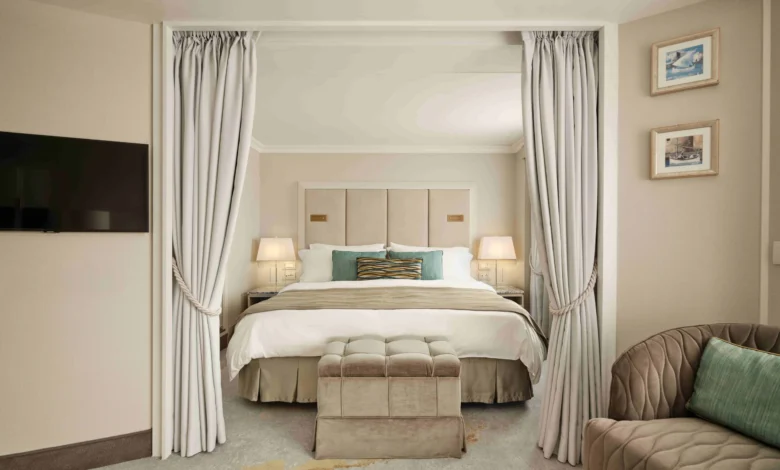
The modern maritime industry has undergone a radical transformation, moving decisively away from the mass-market, high-density cruise model that dominated the industry for the latter half of the 20th century. Today, the sector is defined by a shift toward hyper-personalized, boutique experiences that mirror the standards of world-class land-based hospitality. This evolution is driven by a demographic of affluent travelers seeking seamless access to remote corners of the globe without the logistical burdens typically associated with expedition-style travel. With hospitality titans like Four Seasons, Aman, and The Ritz-Carlton entering the fray, the definition of a "cruise" has been permanently altered to encompass private yacht-like intimacy, sophisticated wellness programming, and expert-led discovery.

A New Era of Hospitality at Sea
For decades, the cruise industry was characterized by the "floating skyscraper" model: massive vessels designed to maximize capacity through standardized buffets, choreographed entertainment, and predictable, high-traffic itineraries. While this model remains profitable for mass-market operators, the luxury segment has pivoted toward a "small ship, big experience" philosophy.
This shift is rooted in the increasing desire for exclusivity. Travelers now prioritize privacy, bespoke service, and environmental stewardship—elements that are difficult to achieve on ships carrying 5,000 or more passengers. By limiting guest counts, luxury lines can offer a staff-to-guest ratio that rivals the finest hotels in Paris or Tokyo. Furthermore, the inclusion of specialist expedition teams—geologists, marine biologists, and cultural historians—has transformed the vessel from a mere mode of transport into a floating university and wellness retreat.

Chronology of the Luxury Maritime Shift
The transition toward ultra-luxury seafaring did not occur overnight. It is the result of a multi-decade trend toward "experiential luxury."
- 2010–2015: The "Expedition Boom." Small-ship operators began proving that guests were willing to pay a premium for access to Antarctica, the Galápagos, and the Arctic, provided the journey included high-end amenities.
- 2017: The Ritz-Carlton announced the launch of the Ritz-Carlton Yacht Collection, signaling that major hospitality brands were no longer content to leave the high seas to traditional cruise lines.
- 2020–2021: The pandemic acted as a catalyst. As travelers sought more control over their environment, the demand for private charters and small-ship voyages surged, as these vessels were perceived as safer and more manageable bubbles.
- 2022–2024: The entry of "super-yacht" concepts. Brands like Explora Journeys and the upcoming Four Seasons Yachts began construction on vessels designed to feel like private residences rather than traditional cruise ships.
- 2027 and Beyond: The industry is currently preparing for the launch of a new generation of vessels that prioritize sustainability, including hybrid-electric propulsion systems, which will allow for quieter, less intrusive exploration of fragile ecosystems.
Supporting Data and Market Trends
The financial performance of the luxury cruise sector demonstrates that this is not a niche interest, but a robust economic segment. According to market research from the Cruise Lines International Association (CLIA), the luxury and expedition cruise sectors have seen a compound annual growth rate (CAGR) of approximately 8% since 2018, significantly outpacing the growth of traditional mass-market cruising.

Furthermore, the average daily expenditure of a luxury cruise passenger is estimated to be three to four times higher than that of a standard cruise passenger. This spending is primarily directed toward:
- Immersive Excursions: Private access to UNESCO World Heritage sites, helicopter transfers, and deep-sea submersible tours.
- Wellness Integration: Onboard spas that utilize locally sourced ingredients from the regions being visited, combined with clinical-grade wellness practitioners.
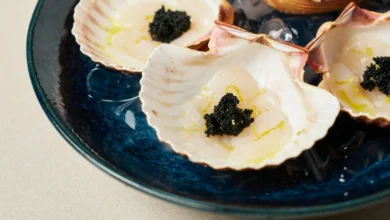
- Culinary Excellence: Partnerships with Michelin-starred chefs and onboard sommeliers who curate wine lists reflective of the specific geographic route.
The demand for these services is also reflected in vessel construction trends. As of 2024, the order book for luxury expedition vessels is at an all-time high, with shipyards in Northern Europe—specifically in Norway and Finland—reporting that the majority of their current contracts are for ships under 500 passengers with "Polar Class" ratings, enabling them to navigate the most extreme latitudes.

Perspectives from Industry Leaders
The strategic entry of hospitality groups into the maritime space is viewed by analysts as a defensive and offensive maneuver to capture the "lifetime value" of their customers. When asked about the expansion into yachting, a spokesperson for a leading global luxury hospitality brand noted that, "Our guests do not stop expecting the same level of service and design language simply because they have stepped off a property in a city and onto a ship in the Mediterranean. We are essentially taking our hotels and giving them the mobility to reach the world’s most secluded ports."
Critics and environmental advocates, however, have raised concerns regarding the footprint of these ships. In response, operators are heavily investing in green technology. Many of the vessels slated for launch by 2027 are designed with advanced wastewater treatment systems and the ability to "plug in" to shore-based electricity, allowing them to turn off engines while in port—a feature that was virtually unheard of in the industry fifteen years ago.

The Trade-off: Convenience vs. Autonomy
For the ultra-high-net-worth individual, the decision often comes down to a choice between a private yacht charter and a boutique cruise.
The private charter remains the pinnacle of autonomy. It allows for the total customization of a route, the selection of one’s own company, and the ability to change plans based on weather or personal whim. However, the logistical burden—hiring a crew, managing fuel, securing berthing permits in popular ports, and arranging for provisions—is substantial.

Conversely, the luxury cruise line handles the complexity of global maritime regulations, safety compliance, and deep-logistics in remote environments. As one travel industry consultant noted, "The value proposition of the modern luxury cruise is ‘hassle-free discovery.’ You get the access of a private explorer, but with the institutional support of a Fortune 500 hospitality company. You are essentially outsourcing the risk and the labor of adventure."
Broader Implications and Future Outlook
The expansion of luxury brands into the maritime space suggests a permanent shift in how the elite consume leisure. As the Mediterranean and the Caribbean become increasingly saturated, the "frontier" of luxury travel is moving toward more challenging environments: the Northwest Passage, the interior of the Amazon, and the remote islands of the South Pacific.

The implications for the cruise industry at large are twofold. First, the success of these boutique lines is forcing mass-market operators to improve their own onboard amenities, leading to a general "premiumization" of the entire cruise experience. Second, the heavy investment in expedition technology is accelerating the development of green maritime engineering, as the ultra-luxury demographic demands that their travel be as environmentally responsible as it is opulent.
Looking toward 2027, the market is poised to become even more segmented. We are likely to see the emergence of "floating clubs"—vessels that serve as private, permanent residences for their owners, with only a small number of suites available for transient guests. This represents the logical conclusion of the trend: the commodification of the yachting lifestyle, scaled to provide the stability and comfort of a high-end luxury resort, yet maintaining the adventurous spirit of a 19th-century expedition.

In summary, the transition of the cruise industry from mass-market spectacle to a bespoke, ultra-luxury experience represents one of the most significant shifts in the modern travel landscape. By prioritizing smaller passenger counts, scientific exploration, and high-touch hospitality, the industry has successfully rebranded the concept of the voyage, ensuring that for the modern affluent traveler, the journey is not just a way to reach a destination, but the destination itself.