Unearthing Golden Bay: A Travel Chronicle of Isolation, Conservation, and Natural Splendor at the Top of New Zealand

Nestled at the northernmost extremity of New Zealand’s South Island, Golden Bay has long maintained a reputation as an isolated sanctuary, separated from the bustling commercial tourism of Queenstown and the frigid alpine climate of Wānaka. Following the completion of the famed 78.4-kilometer Heaphy Track, a journey that spans from the rugged West Coast up toward the Tasman District, travelers frequently seek respite. For one recent traveler, the transition from the remote wilderness trails led directly into the sun-drenched, culturally distinct microclimate of Golden Bay—a region defined by its 1990s nostalgia, community-focused independent growers, and complex ecological realities.
Logistics and Accessibility: Navigating the Top of the South
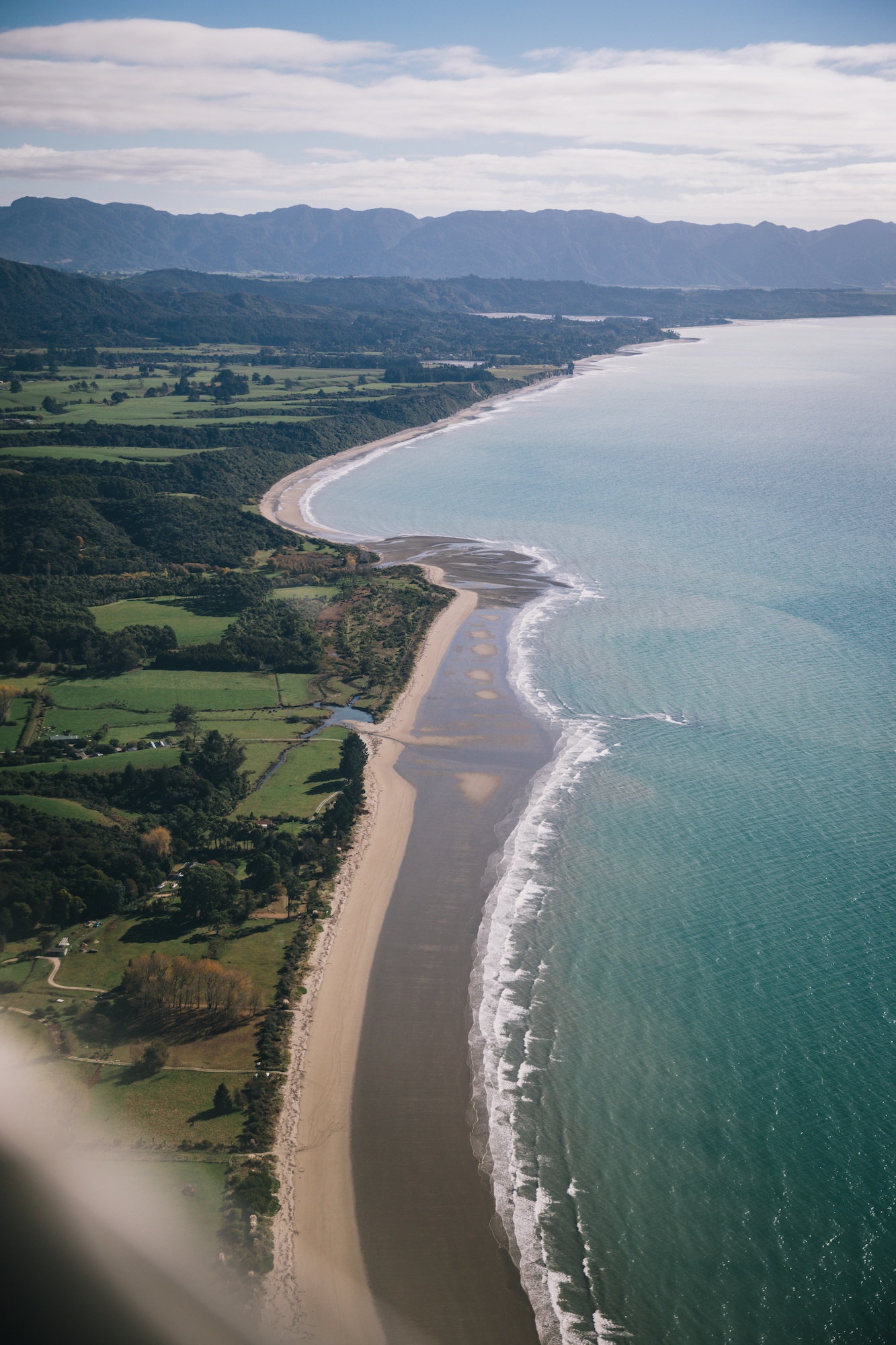
Reaching Golden Bay requires deliberate intent, as the region sits geographically detached from major transit corridors. Historically, the primary overland route requires traversing Takaka Hill, a mountain pass notorious for its hundreds of sharp hairpins, steep drop-offs, and historical weather-related infrastructure delays. For nearly four years, parts of the hill have managed single-lane traffic controls following major storm damage, serving as a minor point of contention for locals navigating bureaucratic infrastructure timelines.
Alternative transit logistics have increasingly relied on regional aviation services. Companies such as Golden Bay Air facilitate critical connectivity, offering small-plane transfers and logistics management that bypass the extensive driving times typically required between the West Coast and the top of the South Island. Upon landing at the modest regional airstrip in Takaka—essentially a single office paired with an unpaved or lightly surfaced runway—visitors are positioned immediately within the heart of the Tasman District’s unique agricultural and coastal ecosystem.
Agricultural Heritage and the Local Economy
Golden Bay operates at a noticeably decelerated pace compared to mainland commercial centers. Characterized by roadside fruit stalls operating on traditional honesty boxes, the local economy heavily relies on independent farming, horticulture, and boutique agriculture. The region enjoys some of the highest sunshine hours in New Zealand, contrasting sharply with the heavy frosts and steep utility bills recorded further south in places like Wānaka during the cooler months.

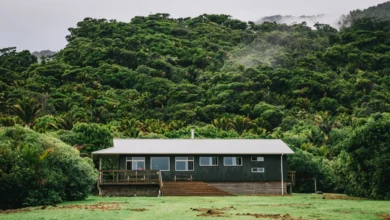
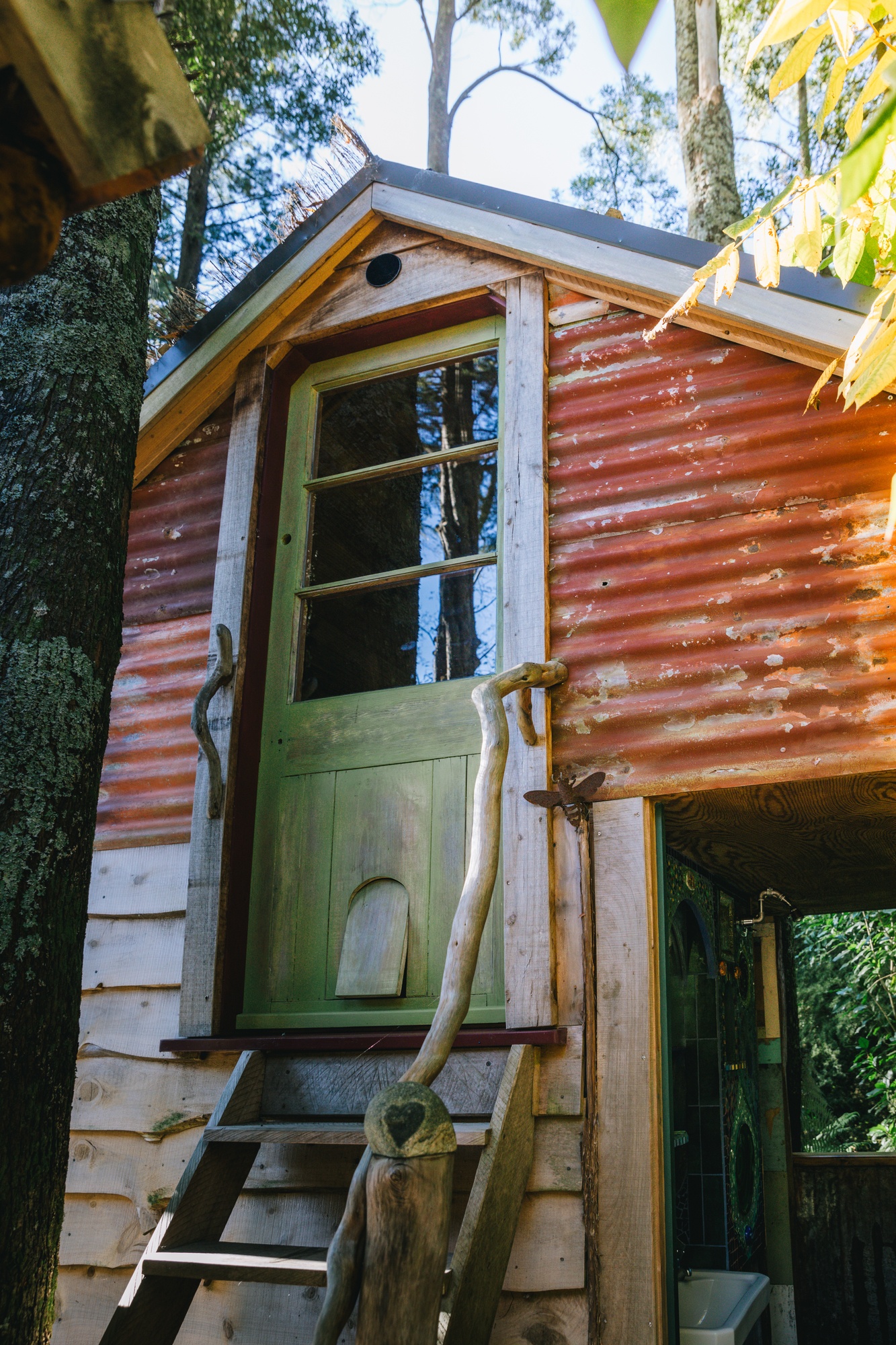
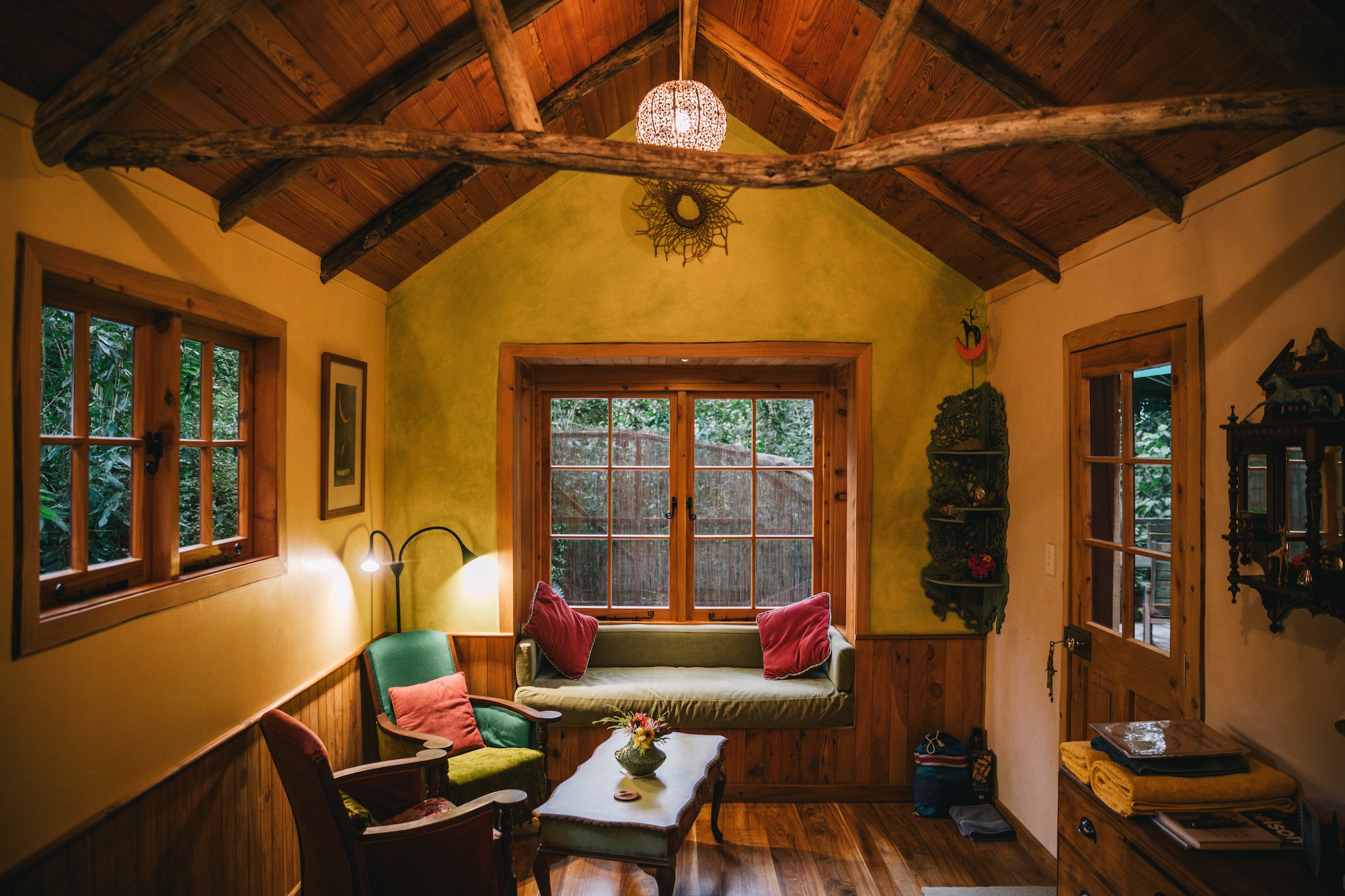
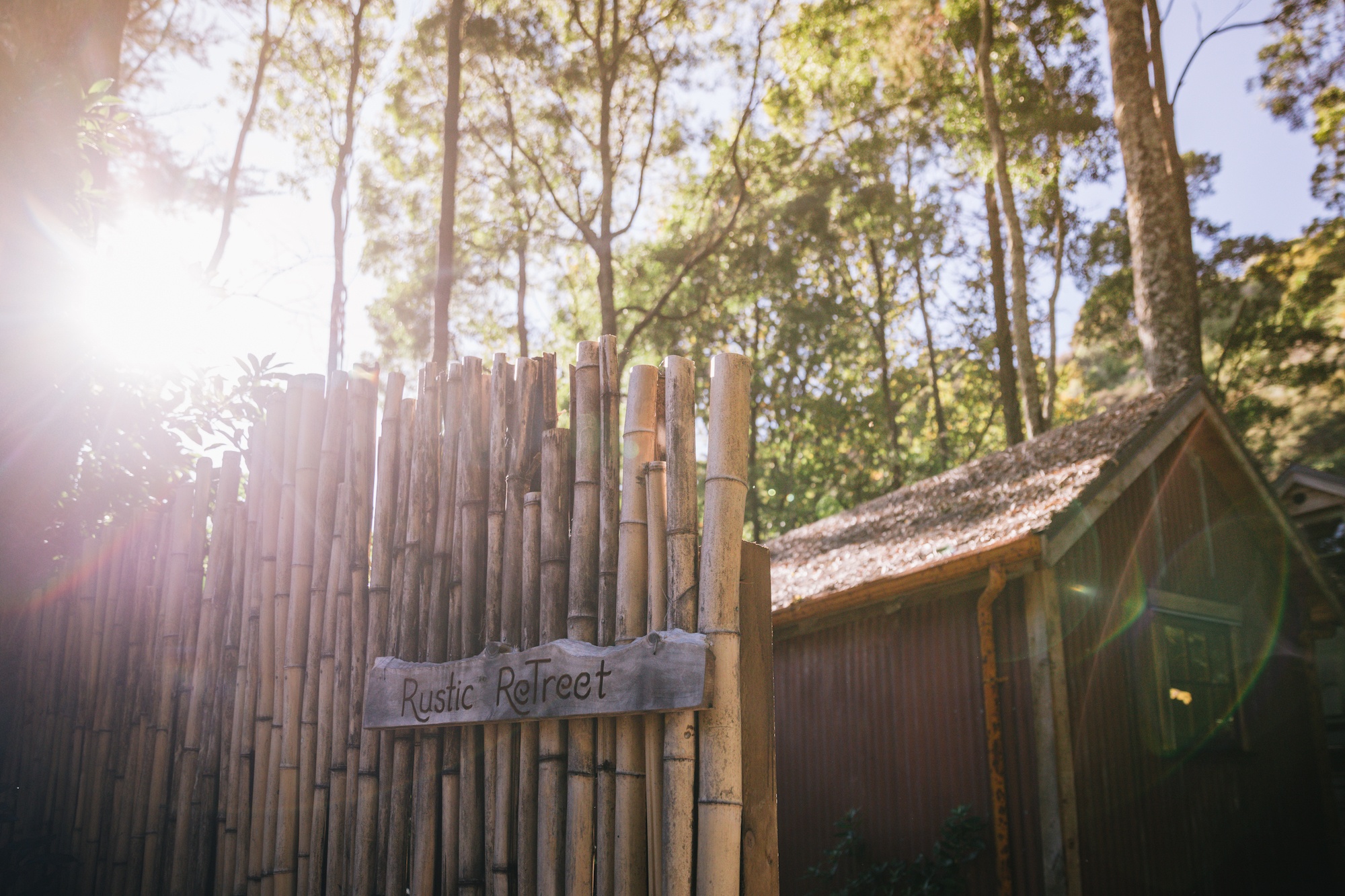
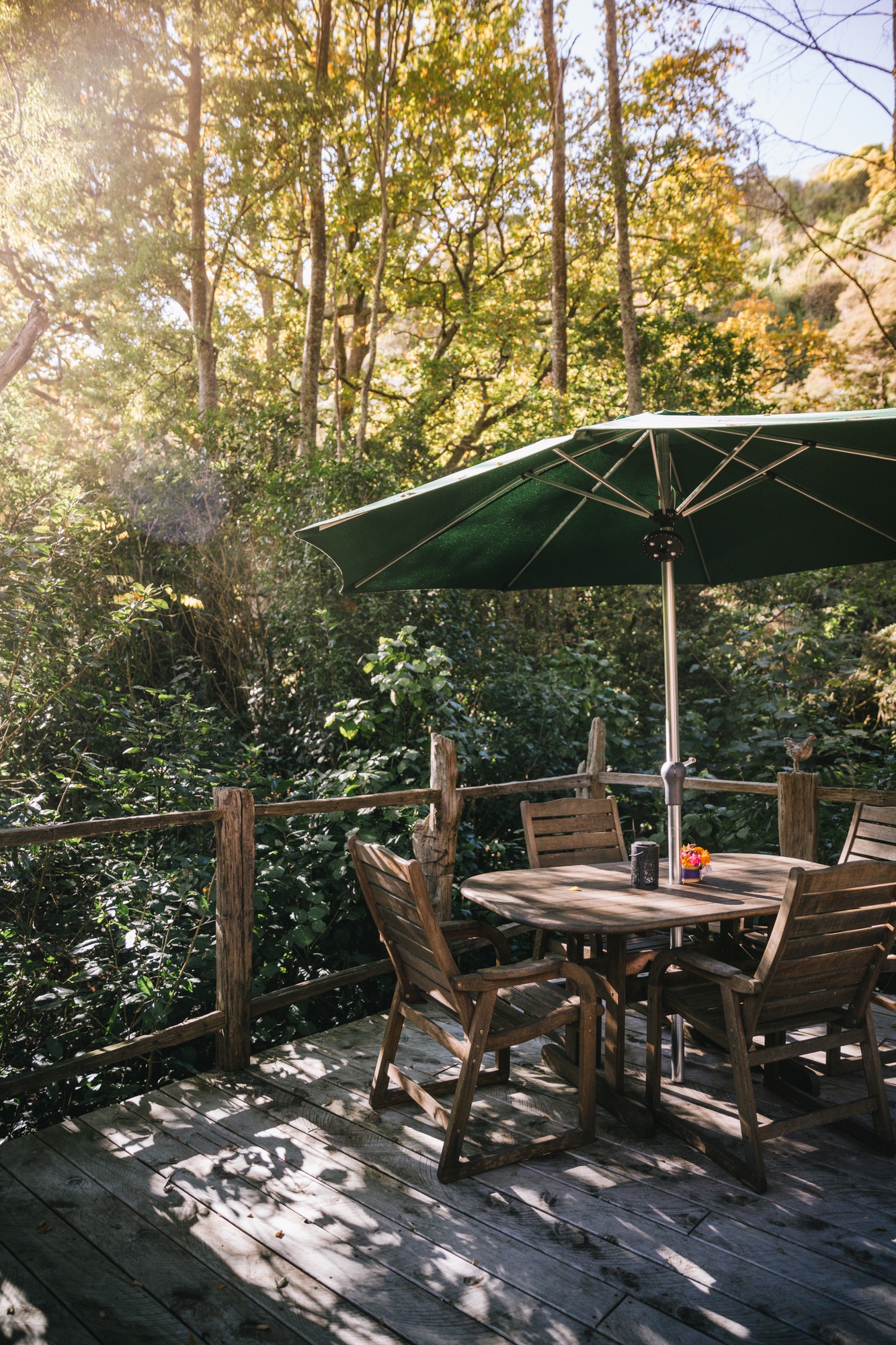
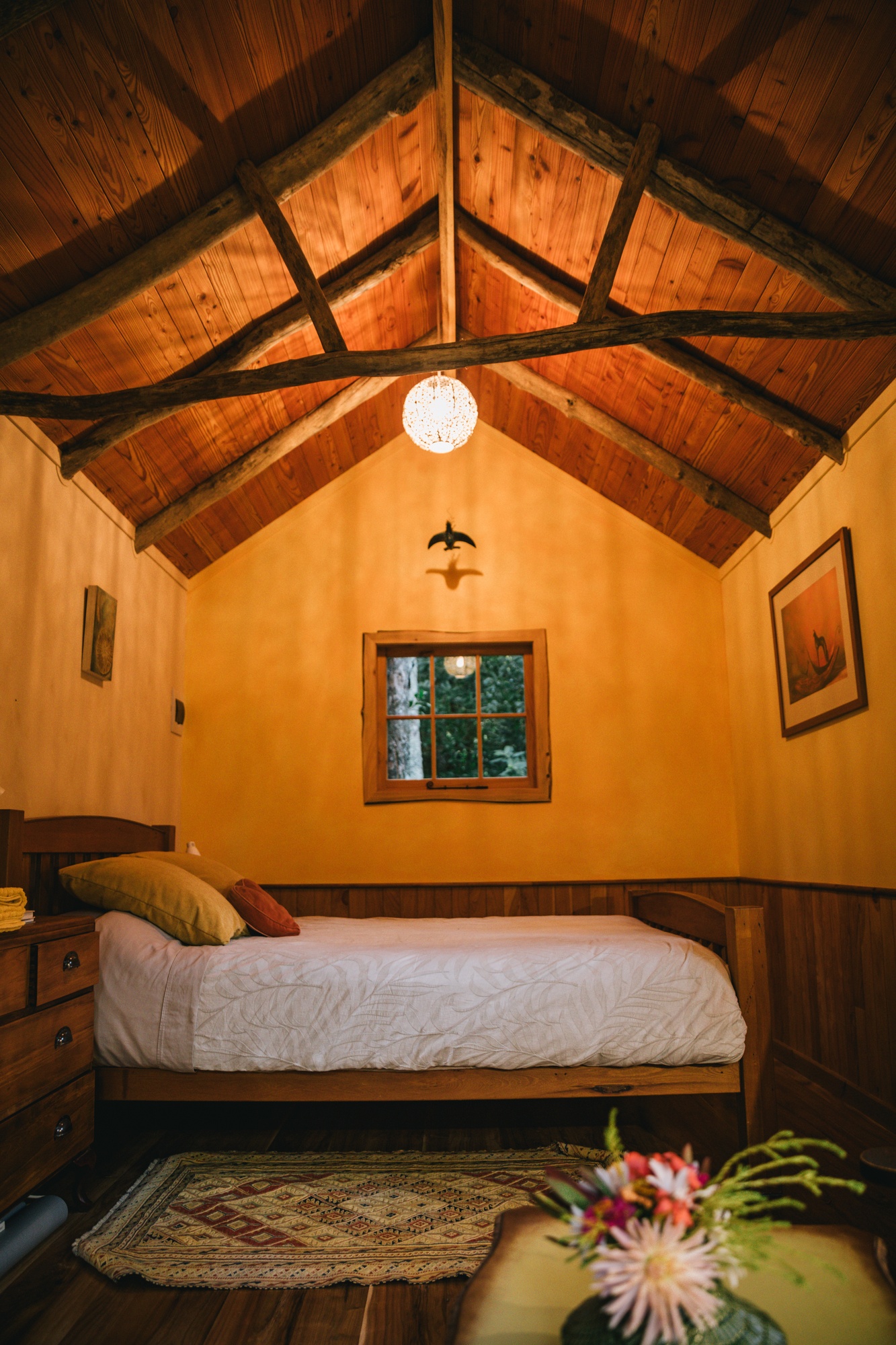
Accommodation trends in the area reflect a growing preference for sustainable, low-impact tourism. Developments such as the Rustic ReTreet—a boutique glamping venture situated on timber milled locally from oak forests and repurposed materials—exemplify the district’s architectural ethos. These off-grid, architecturally integrated retreats offer travelers immersive nature experiences without permanent environmental disruption, aligning with the broader sustainability initiatives championed across the Nelson-Tasman region.

Geological Marvels and Cave Systems
The Nelson-Tasman region, heavily anchored by Kahurangi National Park, represents one of New Zealand’s primary karst landscapes. Beneath the rolling green pastures and beech forests lies an extensive subterranean network featuring some of the country’s deepest and longest cave systems.
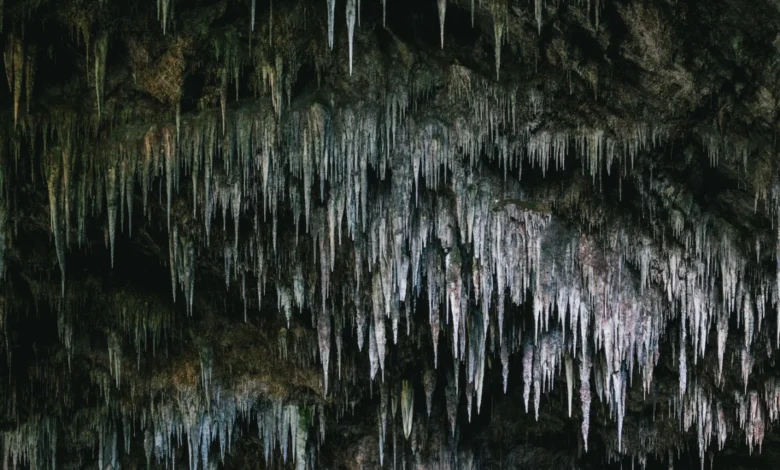
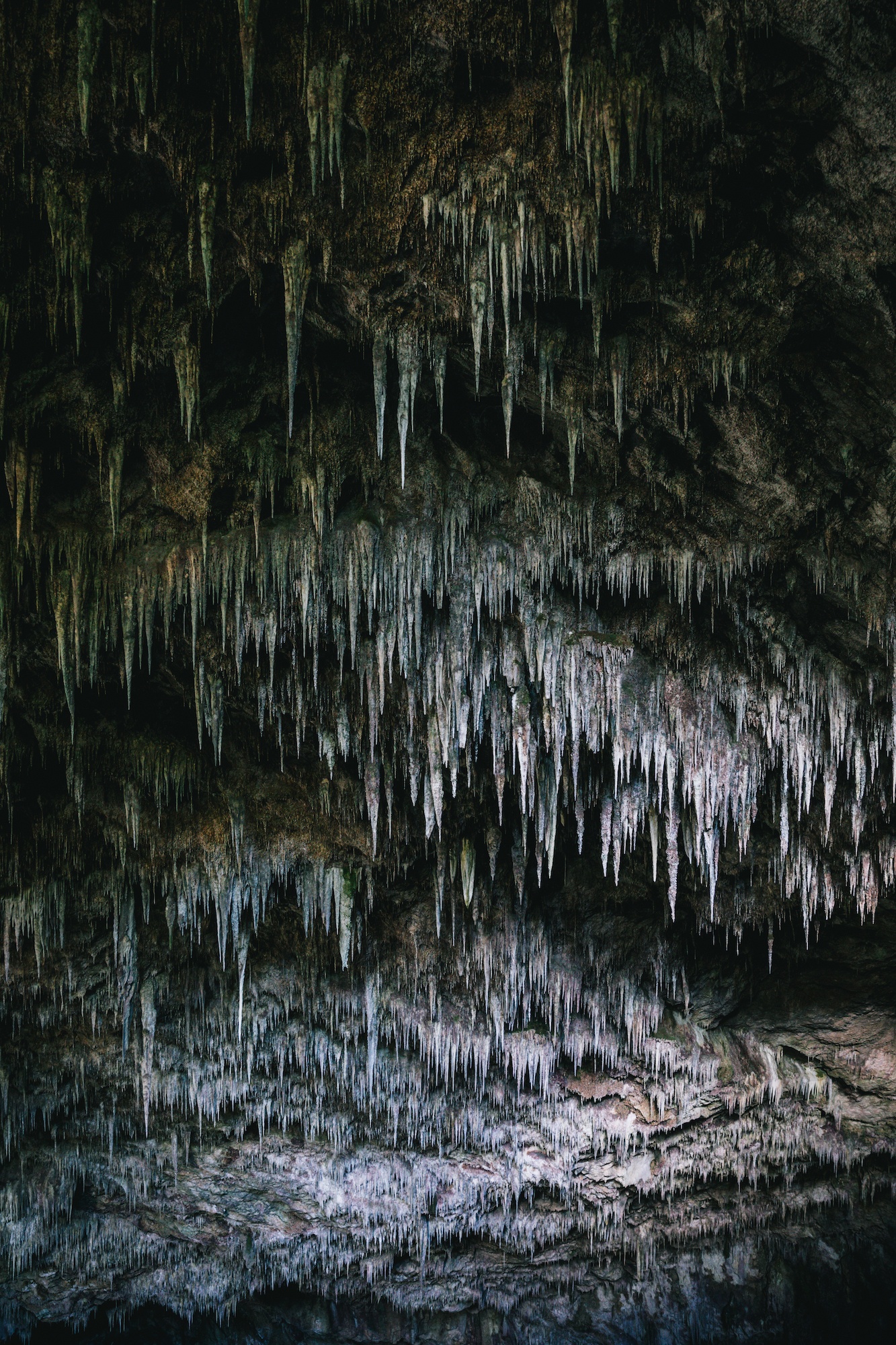
Among these accessible geological features is the Rawhiti Cave. Located a short distance from Takaka, the site requires a steep physical ascent through pastoral land to reach a sprawling daylight-lit entrance adorned with massive, downward-growing stalactites. While deep-caving expeditions in the region require specialized alpine and spelunking expertise—often associated with commercial operations like blackwater rafting in Waitomo or Karamea—sites like Rawhiti offer the public rare visibility into ancient mineral formations.
Further north, the Te Waikoropupū Springs—locally known as Pupū Springs—stand as the largest freshwater springs in New Zealand and the largest cold-water springs in the Southern Hemisphere. Regarded as a sacred taonga (treasure) by local Māori iwi, the springs are celebrated for producing some of the optically purest water recorded globally, with underwater visibility reaching up to 81 meters. Strict conservation protocols prohibit any physical contact with the water to preserve its pristine clarity and ecological integrity.
Coastal Dynamics and Marine Conservation

Stretching from the Abel Tasman National Park across a sweeping, nearly perfect "C" formation to Farewell Spit—a 26-kilometer sandspit jutting into the Tasman Sea—Golden Bay is geographically predisposed to specific marine phenomena. The area is globally recognized as a frequent site for mass whale strandings, predominantly involving pilot whales.
Oceanographers and marine biologists attribute these events to a combination of shallow, gently sloping intertidal sand flats surrounding the spit and deep oceanic channels nearby, creating complex navigational challenges for marine mammals. Historical events, such as the major stranding involving over 400 whales seven years ago, have cemented the region’s focus on marine conservation. Organizations like Project Jonah routinely coordinate rescue efforts, transforming the area into a focal point for nationwide marine mammal protection and wildlife rehabilitation policies.
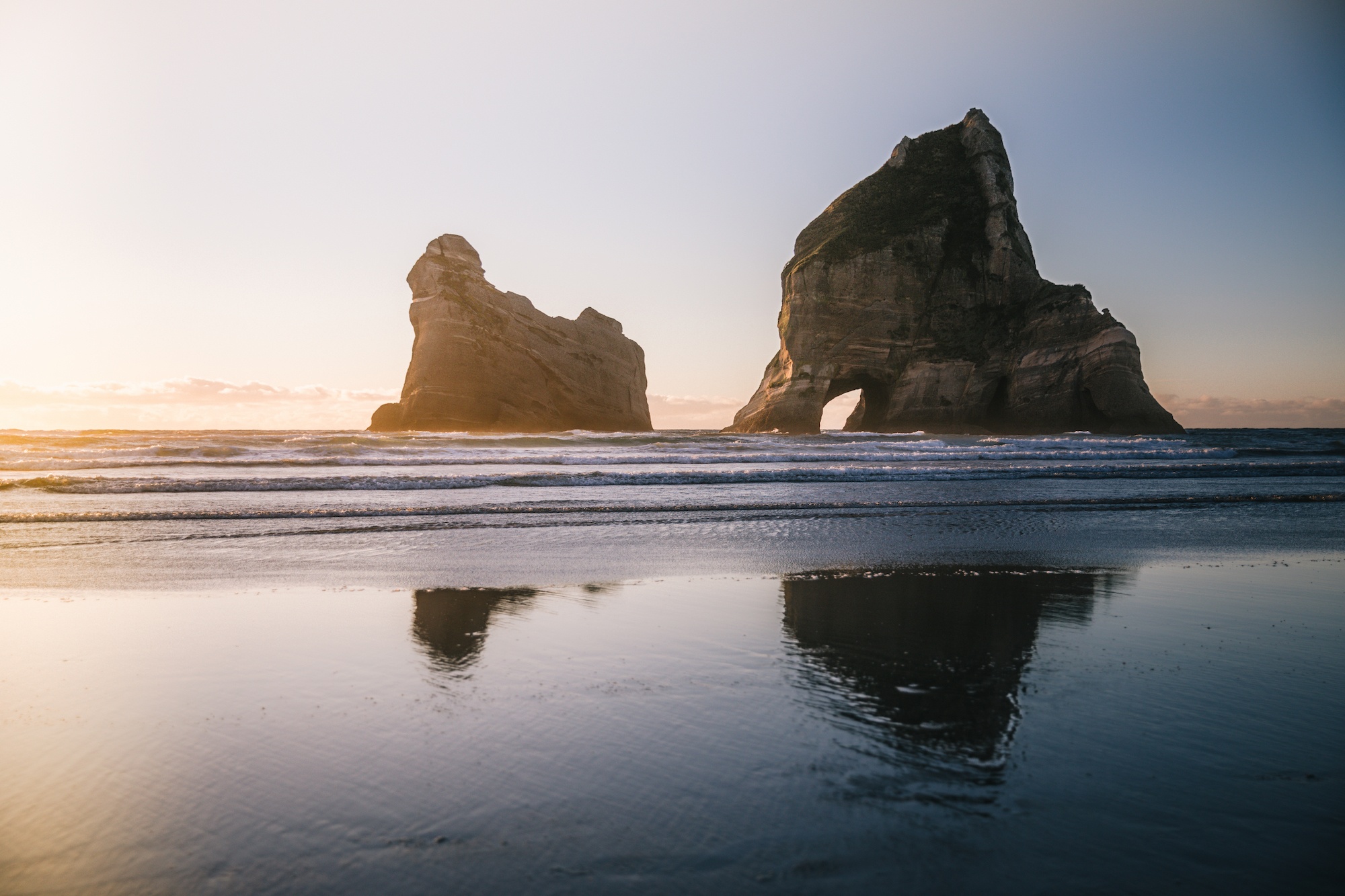
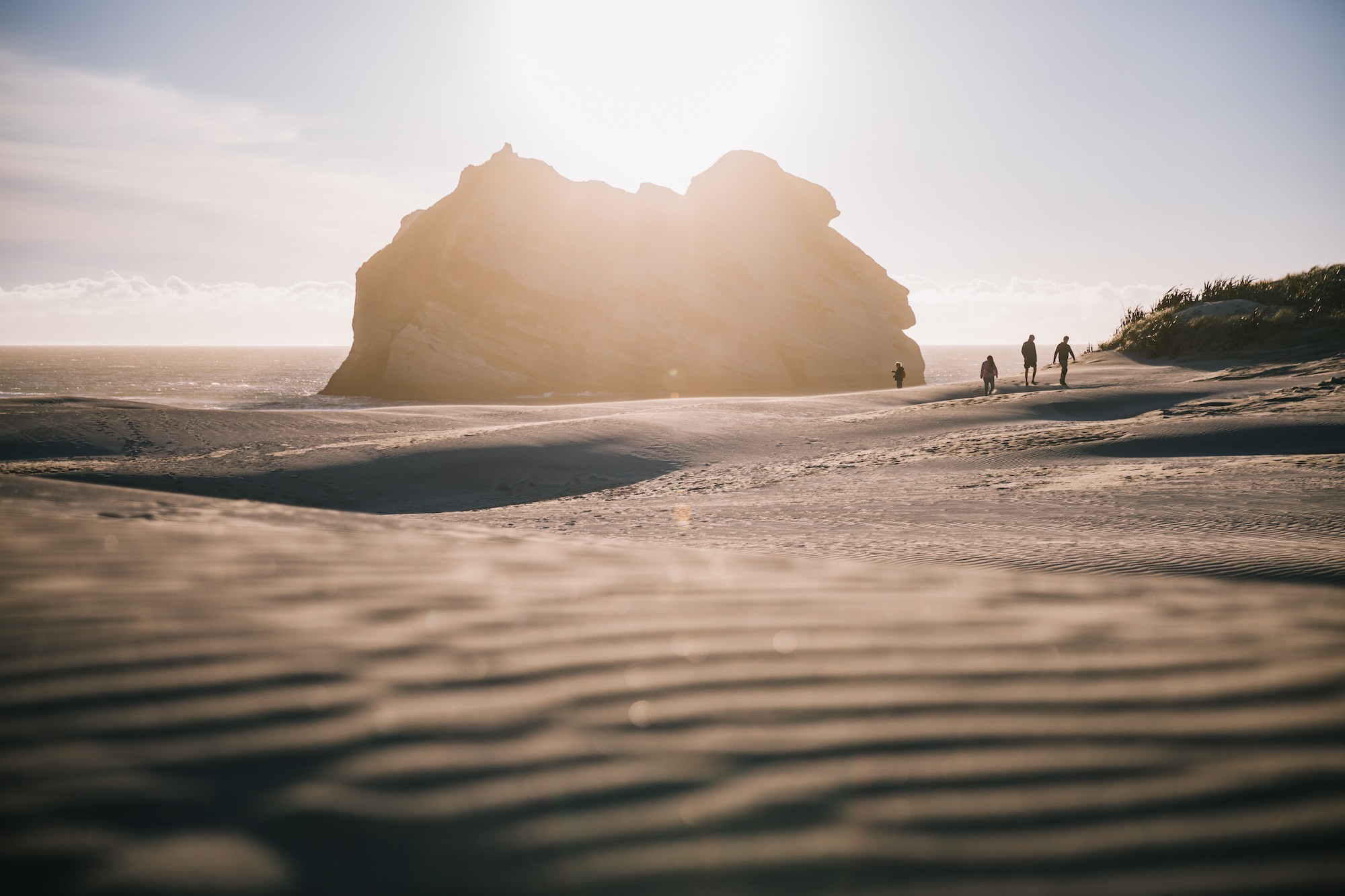
Adjacent to the spit, coastal landmarks like Wharariki Beach showcase the raw, wind-swept power of the Tasman Sea. Characterized by expansive sand dunes, high-wind corridors, and offshore rock formations such as the Archway Islands, the location serves as a critical breeding and resting habitat for regional fur seal populations, whose pups frequently inhabit the coastal rock pools.
Socio-Cultural Identity and Infrastructure Implications
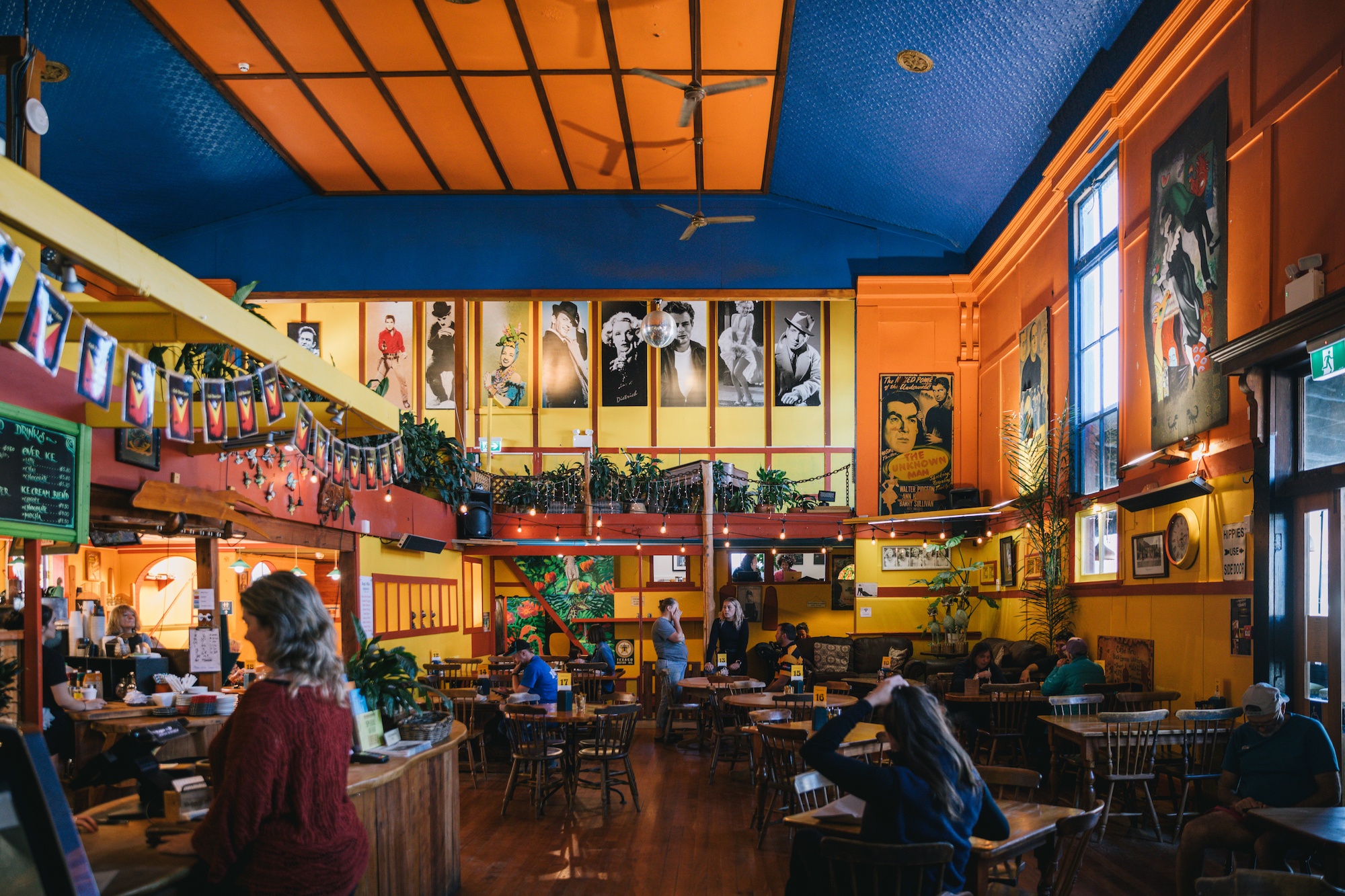
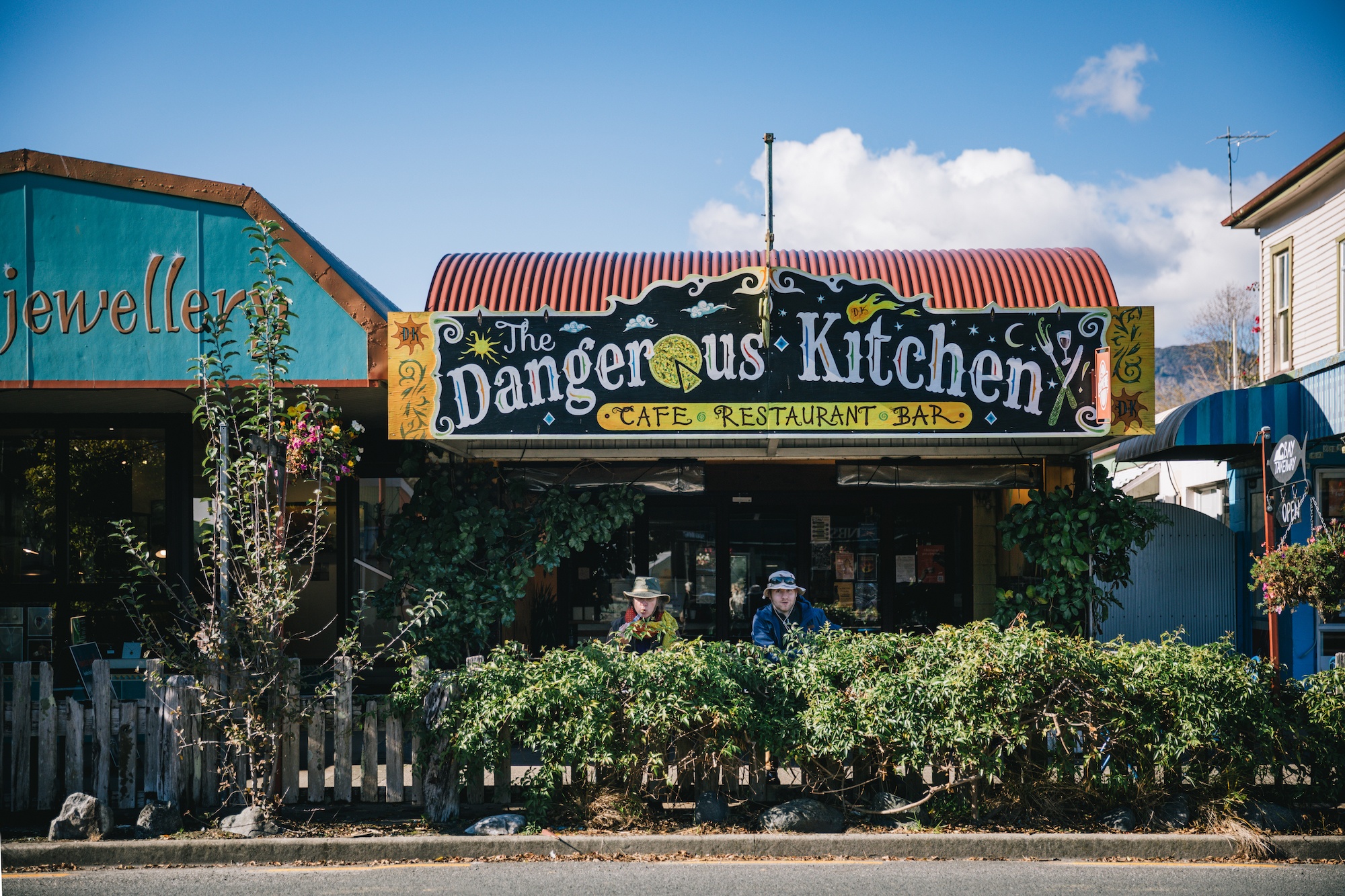
The cultural landscape of Takaka and its surrounding settlements reflects an enduring counterculture movement that established roots in the valley during the mid-to-late 20th century. This ethos manifests in community-centric establishments such as the Mussel Inn in Onekaka, a regionally iconic, macrocarpa-built microbrewery and live music venue that operates off-grid and champions local food and beverage production.

From an infrastructure perspective, the region’s geographic isolation has largely shielded it from hyper-commercialized mass tourism, preserving its historical charm and community cohesion. However, maintaining the delicate balance between welcoming regional visitors and protecting ecological treasures like Te Waikoropupū Springs remains a primary focus for local authorities, conservation groups, and the Department of Conservation (DOC).

As travelers transition back across Takaka Hill toward urban centers or regional airports, Golden Bay continues to present a distinct study in contrast: a sunlit, agriculturally self-sufficient haven operating against the backdrop of complex geological forces and rigorous environmental preservation mandates.