The Ultimate Guide to Securing the Best Food and Beverage Advent Calendars for the 2026 Holiday Season

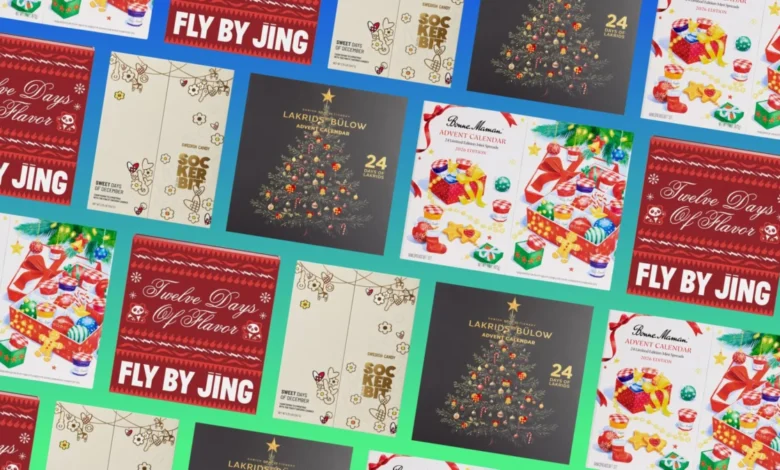
The tradition of the advent calendar, once a modest paper-based countdown to Christmas Eve, has undergone a radical transformation in the retail landscape. As consumer preferences shift toward experiential gifting and premium consumption, the food and beverage industry has leveraged this 25-day window to introduce luxury goods, artisanal snacks, and curated spirits to a global market. With the official start of the Advent period falling on December 1, retailers and industry analysts have noted a marked acceleration in the consumer timeline for purchasing these items. Supply chain logistics and production constraints now dictate that the optimal window for acquisition begins as early as mid-October, as popular seasonal offerings frequently face stockouts or backorder status long before the calendar turns to December.

The Evolution of the Advent Market
Historically, the advent calendar served a liturgical purpose, marking the arrival of the Nativity. The modern iteration, however, functions as a high-engagement marketing vehicle for brands. Industry reports indicate that the "premium advent" category has grown at a compound annual growth rate (CAGR) of over 12% since 2020. This growth is driven by the rise of "micro-gifting" and the desire for daily, high-quality culinary experiences.

The shift from simple confectionary items to complex categories—including specialty cheeses, craft spirits, and boutique coffee—reflects a broader trend in the luxury food market. Brands are increasingly using these calendars to provide a comprehensive tour of their product catalog, allowing consumers to sample high-margin items before committing to full-sized purchases. This strategy has proven highly effective in customer acquisition and retention, as noted by retail strategists who track the "halo effect" of these seasonal samplers on year-round sales.
Curated Selections for the 2026 Season

For the 2026 holiday season, the market offers a diverse array of options tailored to specific consumer demographics. The following selections represent top-tier offerings based on product quality, packaging innovation, and brand reputation.
Sweets and Confectionery

Lakrids by Bülow has positioned itself at the forefront of the gourmet licorice market. Their Danish Licorice Advent Calendar serves as a masterclass in product presentation. By pairing the polarizing flavor of licorice with sophisticated chocolate coatings—such as salted caramel, strawberry, and passion fruit—the brand successfully targets a wider demographic. The structural design of the calendar, which emphasizes a daily ritual of discovery, has contributed to its perennial status as a top-selling item in the premium sweets sector.
For the gummy enthusiast, Sockerbit offers a Swedish-centric approach. Their 25-day calendar contains approximately two pounds of high-quality, artisanal gummies. By focusing on volume and variety, the company addresses the consumer demand for value-added gift items. Similarly, Dandelion Chocolate, a San Francisco-based firm, has elevated the concept by incorporating cultural and intellectual elements. Their 2026 calendar is not merely a collection of chocolates; it functions as a narrative experience. Featuring 24 pieces from acclaimed chocolatiers and accompanied by a Nordic mythology storybook, the calendar creates a sustained engagement model that extends beyond the act of consumption.

Shortbread remains a staple of holiday traditions, and Walker’s Shortbread has capitalized on this with their heritage-focused advent offering. Celebrating over 125 years in business, the brand’s calendar provides a nostalgic, reliable product that resonates with traditionalist consumers. In contrast, Delysia Chocolatier, based in Austin, Texas, offers an interactive, theme-based experience. Their 2026 edition, which focuses on classic holiday cinema, uses flavor profiles as "clues" to guess the corresponding films, blending gastronomic expertise with popular culture.
Beverages: From Coffee to Spirits

The beverage segment of the advent market has seen the most significant capital investment. Nespresso’s 2026 collaboration with Swarovski represents a pinnacle of luxury partnerships, offering two distinct calendars for their Original and Vertuo lines. These calendars are designed to showcase limited-edition capsules, appealing to the brand’s loyal customer base.
For coffee purists, the collaboration between Bean Box and Onyx Coffee Lab provides a technical look at coffee sourcing. Each day offers a different single-origin roast, tailored for precision brewing. This aligns with the "third-wave" coffee movement, where the consumer prioritizes the origin, processing method, and flavor profile of the bean.

On the spirits side, Flaviar has introduced a sophisticated Whiskey Advent Calendar. This product is significant for its inclusion of educational materials, such as Glencairn glasses and access to professional tasting videos. By providing a virtual sommelier experience, the brand adds value that justifies the higher price point. Similarly, Vinebox offers a wine-focused countdown that addresses the common barrier to entry in wine tasting: the cost of purchasing full bottles. Their 100-milliliter tubes allow for a comparative tasting experience that would otherwise be cost-prohibitive.
Food Staples and Specialty Goods

The Bonne Maman jam advent calendar has become a cultural phenomenon, frequently cited in lifestyle publications and on social media platforms. Its success is rooted in the exclusivity of its flavors, such as cherry pink peppercorn and raspberry lychee, which are not available in standard retail configurations.
For savory enthusiasts, Murray’s Cheese offers a "12 Days of Cheese" calendar. This product highlights the importance of cold-chain logistics in the gifting space. The requirement to refrigerate the entire unit presents a unique logistical challenge, yet the demand for high-end cheese pairings remains robust.

Fly By Jing, a leader in the spicy condiment space, has expanded its reach with both 12-day and 24-day advent calendars. These kits provide a comprehensive look at the brand’s chile crisp variants and noodle offerings. Market data suggests that these kits serve as an effective entry point for consumers unfamiliar with Sichuan-inspired condiments, significantly increasing brand penetration.
Logistical Challenges and Market Implications

The complexity of the advent calendar supply chain cannot be overstated. Retailers must manage the procurement of 24 to 25 unique items, design custom structural packaging, and execute logistics that ensure delivery before the December 1 start date. Any delay in the manufacturing of a single component—whether it be the packaging or the food item—can lead to widespread stock issues.
Analysis of the 2026 market suggests that retailers are responding to these pressures by launching pre-orders as early as August and September. For consumers, the implication is clear: the window for purchase is no longer the month of November, but rather late summer and early autumn. Those who wait until the week before the holiday season are statistically unlikely to secure their preferred items.

Broader Economic Impact
The rise of the food and beverage advent calendar contributes significantly to the seasonal retail spike. By bundling products into a single, high-ticket SKU (Stock Keeping Unit), brands can maximize their average order value (AOV) and reduce shipping costs compared to individual item sales. Furthermore, these calendars serve as a form of "experiential retail," which is a key defense mechanism for brick-and-mortar and boutique e-commerce brands against the encroachment of low-cost, mass-market retailers.

As the industry moves toward 2027, experts anticipate further integration of technology into these calendars. We may see the inclusion of augmented reality (AR) packaging, integrated digital subscription services, and deeper partnerships between non-competing brands to create "multi-sensory" countdown experiences. The advent calendar has firmly established itself not as a temporary fad, but as a permanent fixture of the modern culinary calendar, evolving from a simple toy into a sophisticated, multi-billion-dollar segment of the holiday gift economy. Consumers are advised to monitor the release schedules of their preferred brands to ensure participation in these increasingly exclusive seasonal traditions.