The Oldest Pastry Shops in Barcelona: A Culinary Journey Through Two Centuries of Catalan History

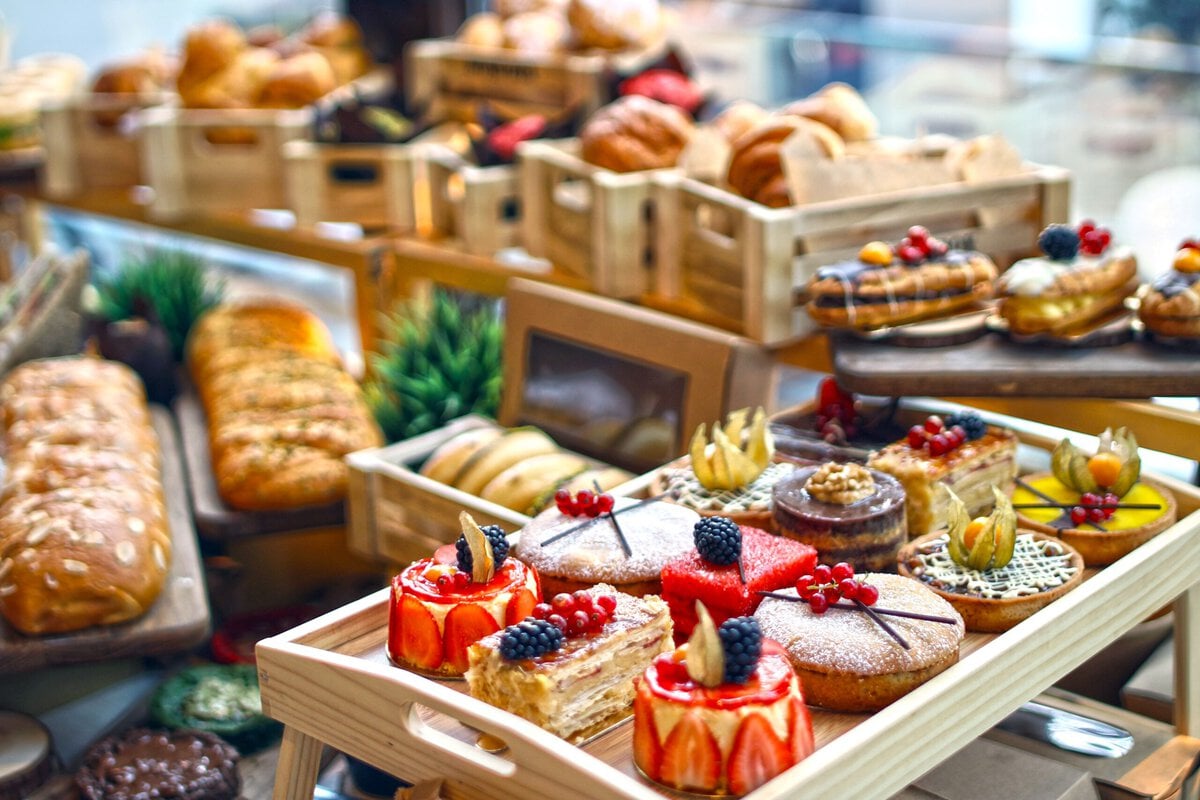
Barcelona is a city defined by its layers of history, from the Roman ruins beneath the Gothic Quarter to the modernist marvels of the Eixample. Yet, some of the most enduring testaments to the city’s heritage are not found in stone monuments, but behind the glass counters of its historic pastry shops. These establishments, some dating back to the early 19th century, serve as living museums of Catalan culinary tradition. They have survived industrialization, civil war, and the shifting tastes of a globalized economy by meticulously preserving the craft of the artisan baker. Today, these shops are more than mere businesses; they are the guardians of a collective memory, where the recipes for bolados, panellets, and sourdough pa de pagès act as a bridge between the Barcelona of yesterday and the cosmopolitan capital of today.
A Chronology of Sweet Tradition
The survival of these institutions is an outlier in modern retail. While many family-run businesses have succumbed to rising rents and the proliferation of mass-produced alternatives, the oldest pastry shops in Barcelona have maintained their relevance through a strict adherence to quality and a willingness to adapt.
The timeline of these establishments tracks the urban evolution of Barcelona itself:
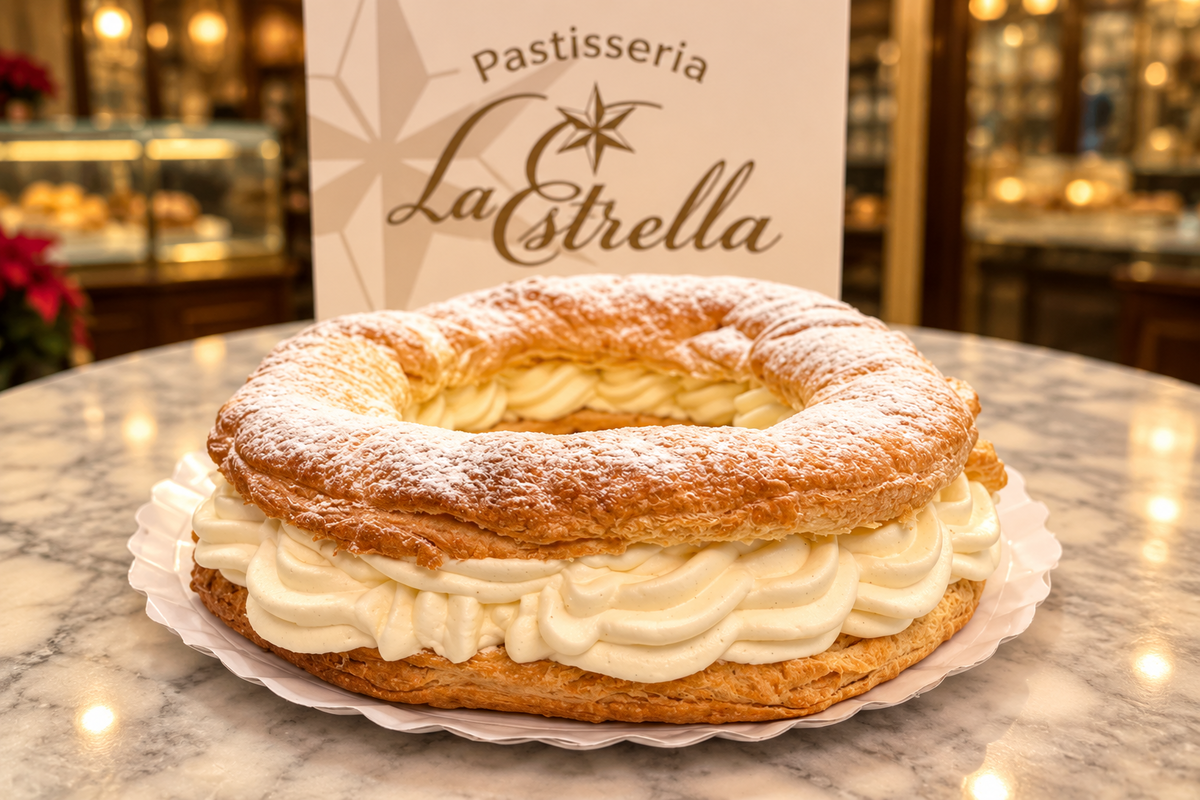
- 1825: La Estrella. Established in the heart of the Ciutat Vella, this shop represents the genesis of professionalized pastry in the city. Its longevity is a testament to the enduring appeal of traditional methods.
- 1849: La Colmena. Originally founded as Ca l’Abella, the shop underwent a rebranding in 1868 under the Costa family, eventually becoming the institution known today under the Roig family’s stewardship since 1927.
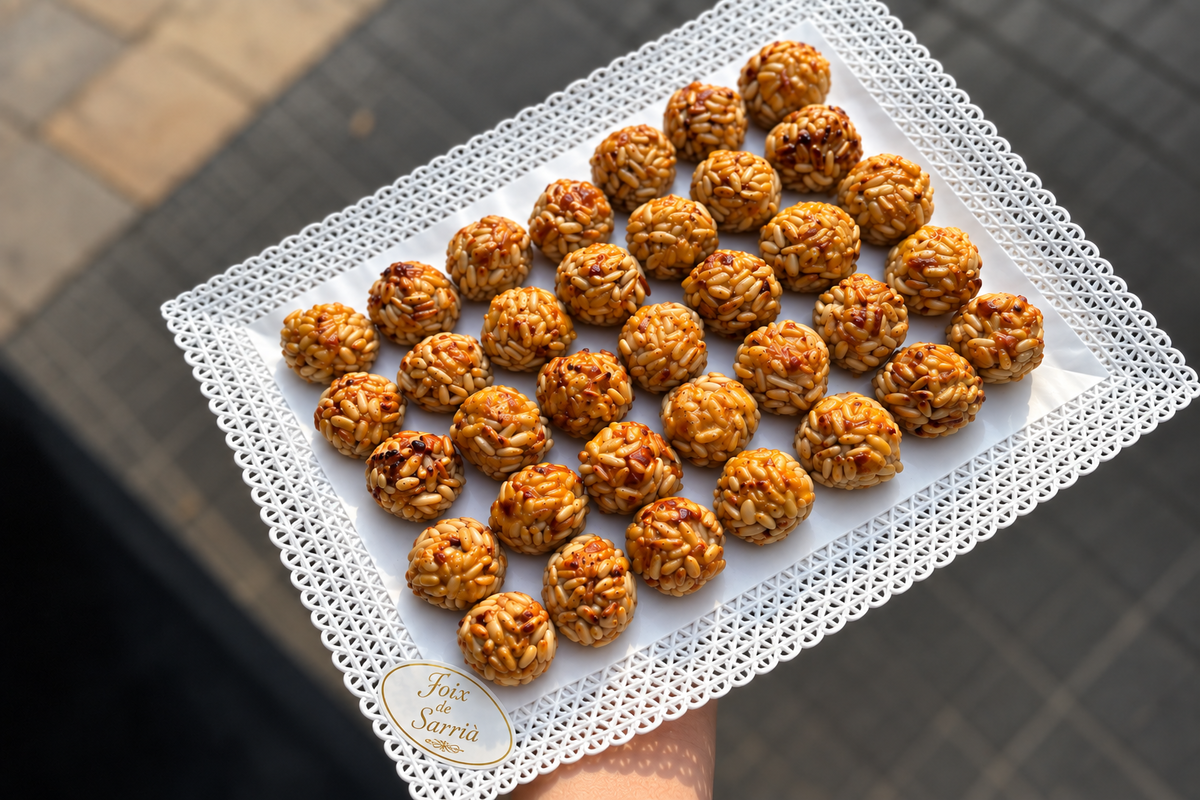
- 1886: Foix de Sarrià. Founded when Sarrià was still a distinct, semi-rural village, this shop became a cultural touchstone due to the involvement of the poet J.V. Foix.
- 1894: Montserrat Forners. Representing the critical role of bread in the Catalan diet, this bakery has successfully transitioned through four generations of the Casamitjana family.
- 1895: Casa Vives. A Sants institution that expanded to the Eixample, demonstrating the transition from local neighborhood bakery to a recognized city-wide brand.
- 1906: Escribà. Originally known as Forn Serra, this establishment became the epicenter of creative innovation under the leadership of Antoni Escribà, often referred to as the "magician of chocolate."
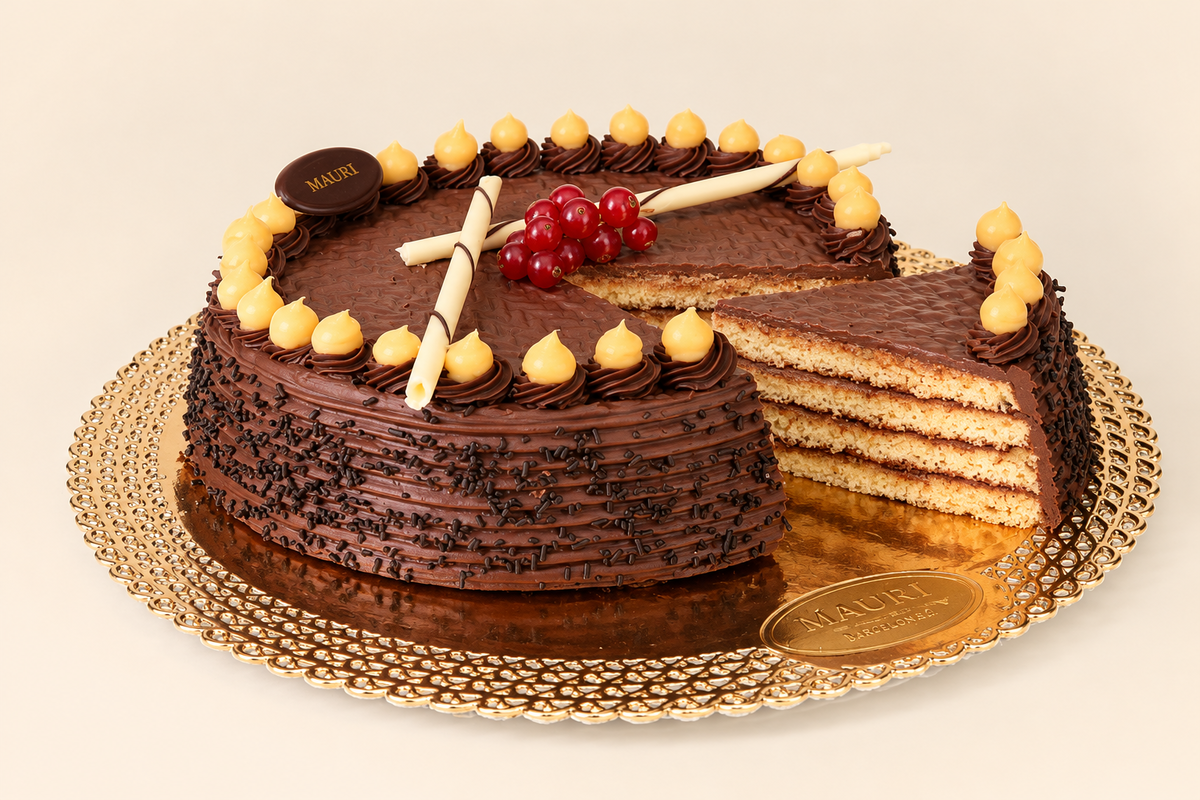
- 1929: Mauri. The youngest of the traditional group, Mauri bridged the gap between the old-fashioned grocery store and the modern café, reflecting the early 20th-century trend of the "tasting room."
The Economic and Cultural Impact of Artisan Preservation
From an economic perspective, these shops represent the "micro-economy" of the Catalan capital. They are labor-intensive, relying on human skill rather than automated machinery. The preservation of these shops has significant implications for urban tourism and local identity. The city’s Department of Commerce has, in recent years, taken steps to recognize these businesses as "Emblematic Establishments," a designation that provides a measure of protection against the homogenization of city centers.
The economic resilience of these shops is largely due to their diversification. For example, Escribà’s ability to pivot toward high-end chocolate artistry and avant-garde cake design allowed it to survive the decline of traditional retail in the mid-20th century. Similarly, Mauri’s evolution into a dual-purpose café and deli allowed it to capture the mid-morning and afternoon traffic of the Eixample business district.
Culinary Craftsmanship: Beyond the Sugar
The success of these establishments is rooted in the "slow food" philosophy, even before the term gained global traction. The pa de pagès produced by Montserrat Forners, which received official recognition as the best in Catalonia in 2022 and 2024, is not merely a product; it is a manifestation of historical methodology. The requirements for Protected Geographical Indication (PGI) status for this bread—specifically the use of stone-floored ovens and long fermentation—ensure that the product remains distinct from industrial loaves.
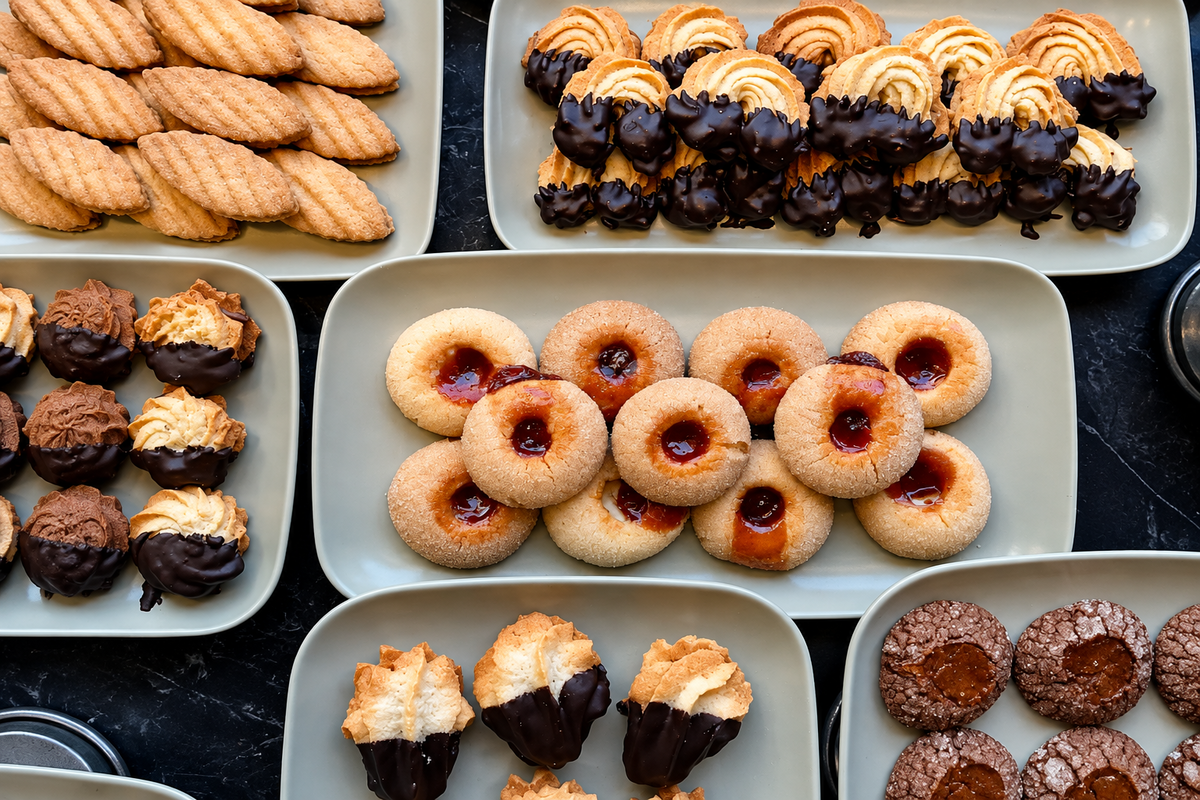
Furthermore, these shops serve as the primary conduits for seasonal cultural festivals. During the Castanyada (All Saints’ Day), the demand for panellets—small, almond-based delicacies—provides a critical revenue stream for these shops, underscoring how deeply these businesses are embedded in the local calendar. The, mona de Pascua, an Easter cake traditionally gifted by godparents to children, has also evolved within these walls from simple brioche to the intricate, gravity-defying chocolate sculptures popularized by the Escribà family.
Challenges and Future Sustainability
Despite their prestige, these shops face ongoing challenges. The high cost of labor, the difficulty of maintaining aging, heritage-listed buildings, and the competition from international franchise bakeries create a precarious environment.
Statements from owners, such as the current proprietors of La Estrella—Anna Campos and Judit Servent—highlight a commitment to "generational transfer." When a business reaches its bicentennial, the challenge is not just culinary, but structural: how to upgrade electrical and safety systems while keeping the "frozen-in-time" aesthetic that attracts both locals and tourists.
The trend of passing businesses from one generation to the next, or to passionate new owners who prioritize the preservation of original recipes, has been the primary factor in their survival. As noted by industry analysts, the "premiumization" of artisanal goods has allowed these shops to survive. Consumers are increasingly willing to pay a premium for products with a documented history, provenance, and high-quality ingredients, favoring these historic shops over the convenience of supermarkets.
Strategic Planning for Visitors
For those looking to engage with this history, logistics play a key role. The city’s geography naturally divides these shops into three clusters. The old town, encompassing Ciutat Vella and the Raval, houses La Estrella and La Colmena, which can be easily accessed during a walking tour of the Gothic Quarter. The Eixample cluster—Escribà, Casa Vives, and Mauri—is located along the bustling commercial arteries of the city, making them convenient stops for those exploring the modernist architecture of the area.
For the more remote locations, such as Foix in the upper-class residential district of Sarrià and Montserrat Forners in the residential neighborhood of Guinardó, public transport is essential. The FGC train system provides efficient access to Sarrià, while the Horta-Guinardó district is reachable via the Metro.
Conclusion: A Legacy Sustained
Barcelona’s oldest pastry shops are more than just providers of sweets; they are essential components of the city’s social fabric. By maintaining the recipes, equipment, and even the decor of the 19th and early 20th centuries, they offer a sensory connection to the past. As the city continues to modernize, the presence of these shops serves as a vital reminder that progress need not come at the expense of tradition. Whether one is sampling a bolado at La Colmena or witnessing the artistry of a chocolate sculpture at Escribà, these establishments continue to offer a unique, authentic experience that defines the culinary character of Barcelona. Their continued operation is not just a matter of business, but a matter of cultural heritage that requires both patronage and protection to endure for the next two centuries.