Alaska Air Group Unveils Major Strategic Pivot Toward Luxury Travel with New Aurora Suites and Expanded Global Footprint

In a move that signals a fundamental transformation of its business model, Alaska Air Group announced on September 29, 2026, a comprehensive multi-year investment plan designed to reposition the company as a premier global carrier. The airline, historically recognized for its efficiency in the domestic U.S. market, is now aggressively targeting the high-value international traveler. By 2028, the company will introduce lie-flat seating across select cross-country routes, launch a new premium economy class, and execute a total interior overhaul of the Hawaiian Airlines Airbus A330 fleet. This initiative, described by leadership as the most significant investment in premium travel in the group’s history, is intended to capture a growing share of the lucrative long-haul market, with the airline projecting that premium offerings will account for 40 percent of total revenue by 2030.
A Historical Shift in Strategy
For decades, Alaska Airlines operated primarily as a regional powerhouse, dominating the West Coast corridor with a focus on affordability and operational reliability. However, the corporate landscape shifted dramatically following the 2024 acquisition of Hawaiian Airlines. That merger provided Alaska with the necessary widebody aircraft and the strategic infrastructure to transform its primary hub at Seattle-Tacoma International Airport into a major international gateway.
The transition began in earnest in 2025 with the launch of direct flights to Tokyo and Seoul. This momentum continued throughout 2026 with the introduction of routes to Rome, London, and Reykjavik. According to the company’s long-term roadmap, Seattle will see further connectivity with new routes to Paris and Athens commencing in the spring of 2027. The airline has stated its ambition to serve at least 15 intercontinental destinations by the end of the decade, a feat that requires a product offering capable of competing directly with the legacy suites and amenities provided by global titans like United, American, and Delta.
The Aurora Suite: A New Standard for Domestic and Long-Haul
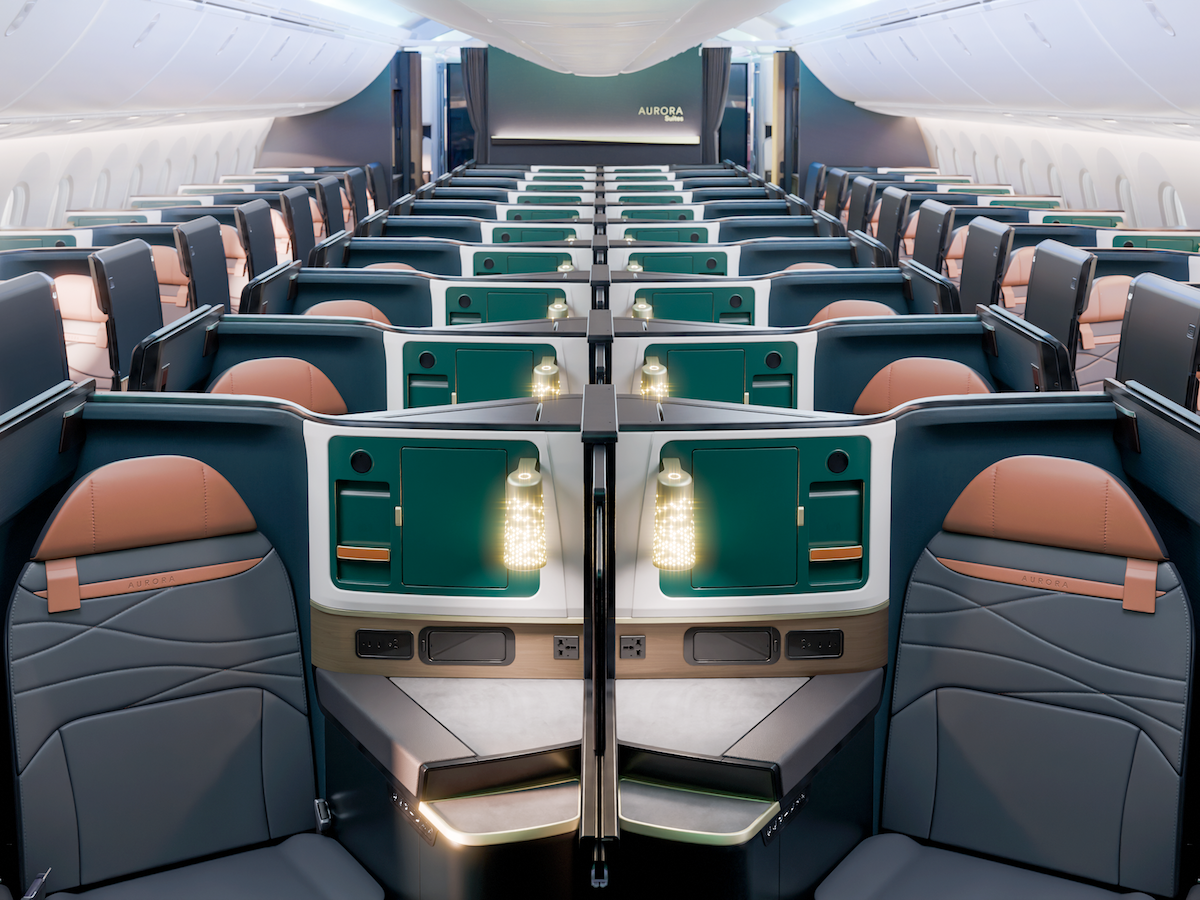
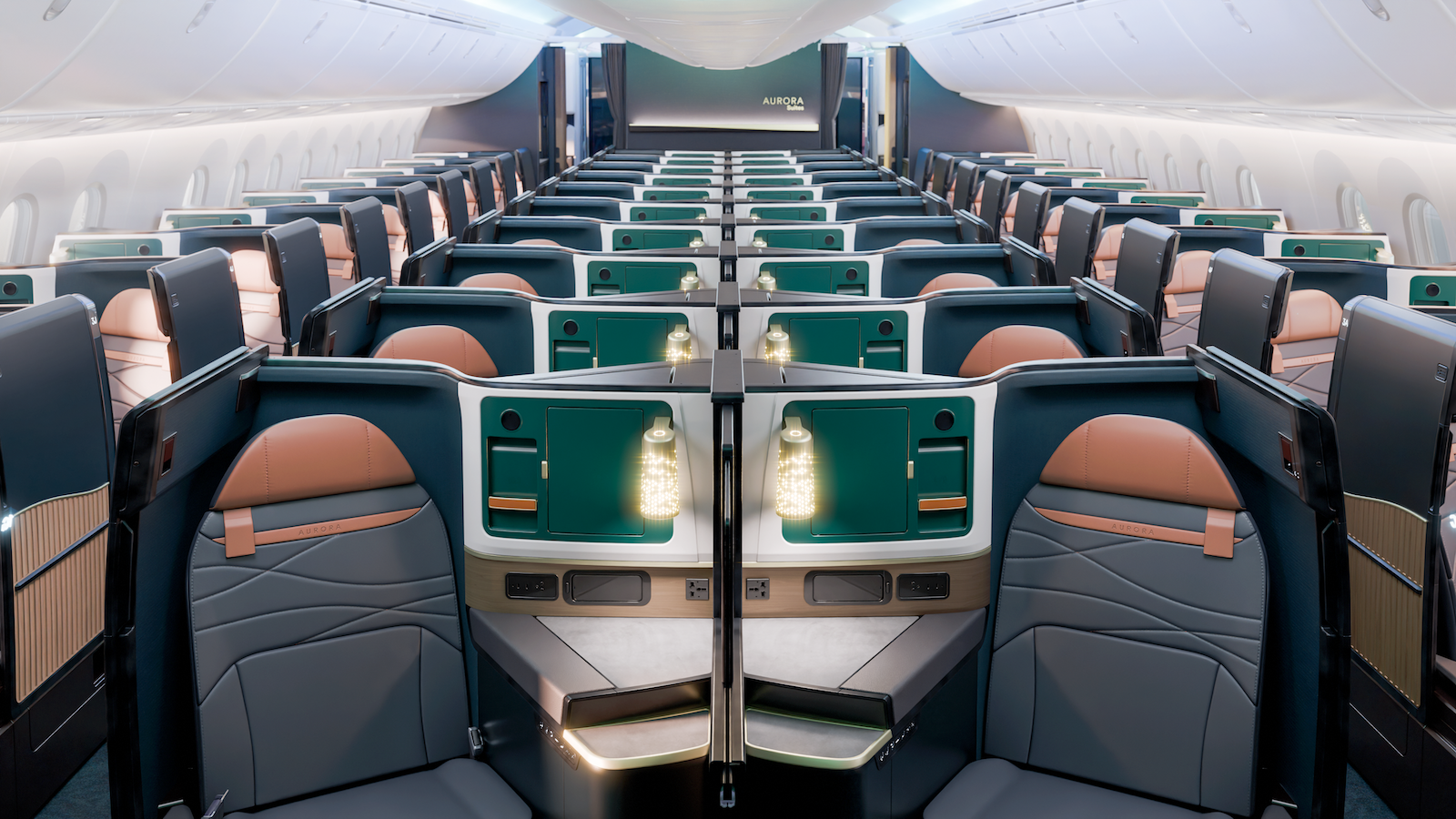
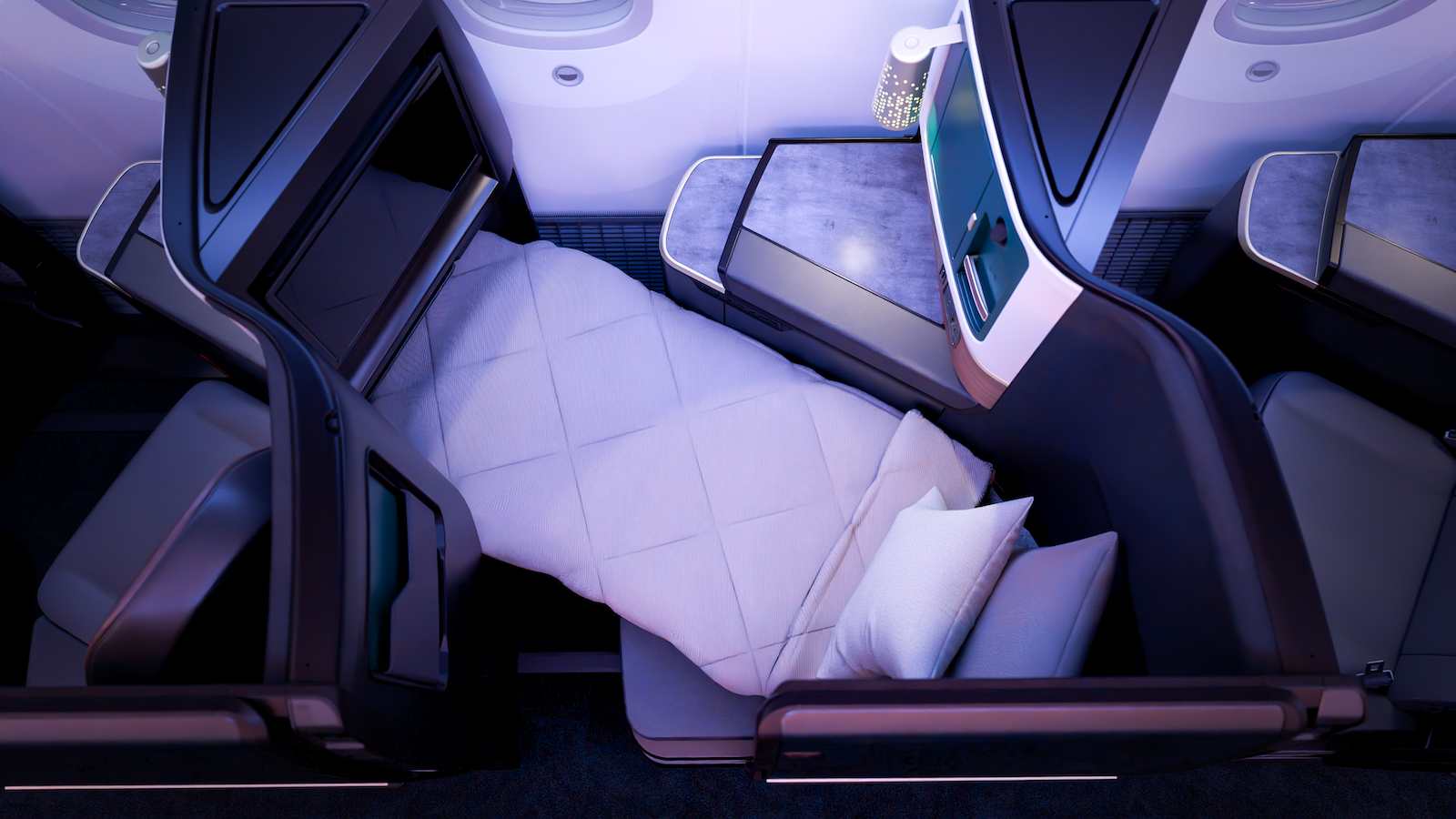
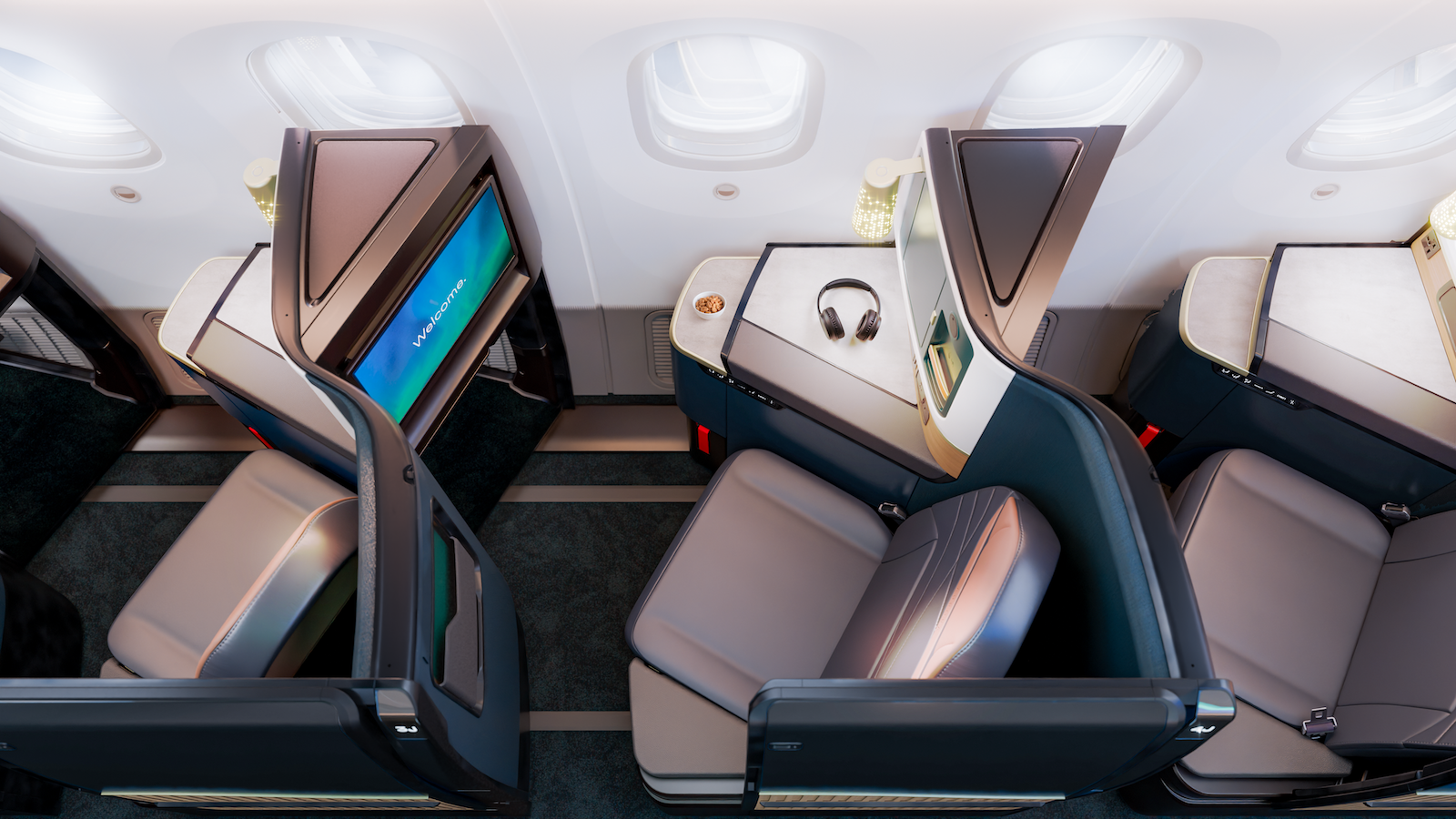
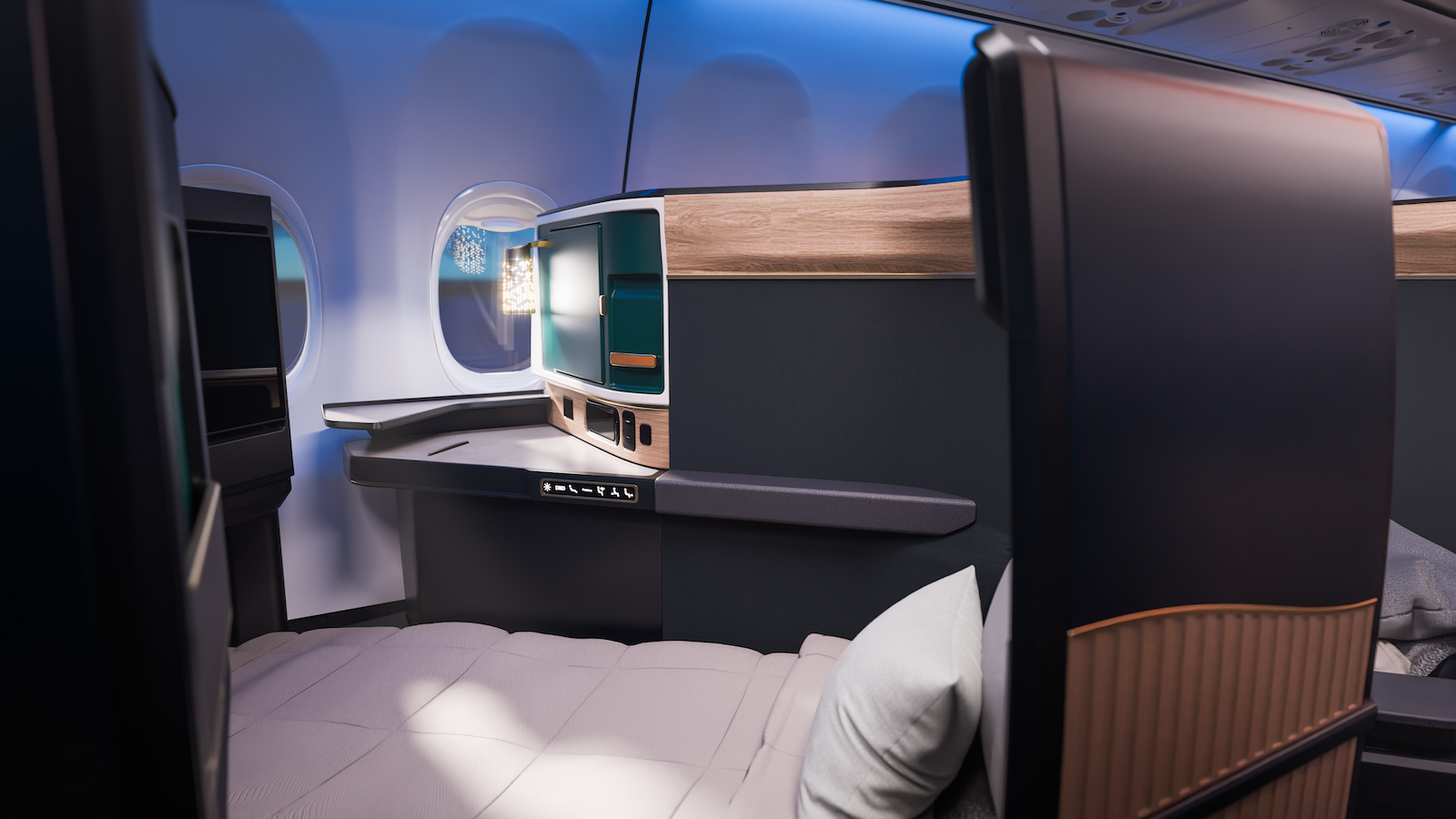
Central to this transition is the introduction of the "Aurora" suite. Named in homage to the northern lights—a nod to the carrier’s Alaskan heritage—these suites represent a departure from standard domestic business class seating. Starting in 2028, Alaska will retrofit at least 25 Boeing 737-10 MAX aircraft with these lie-flat configurations.
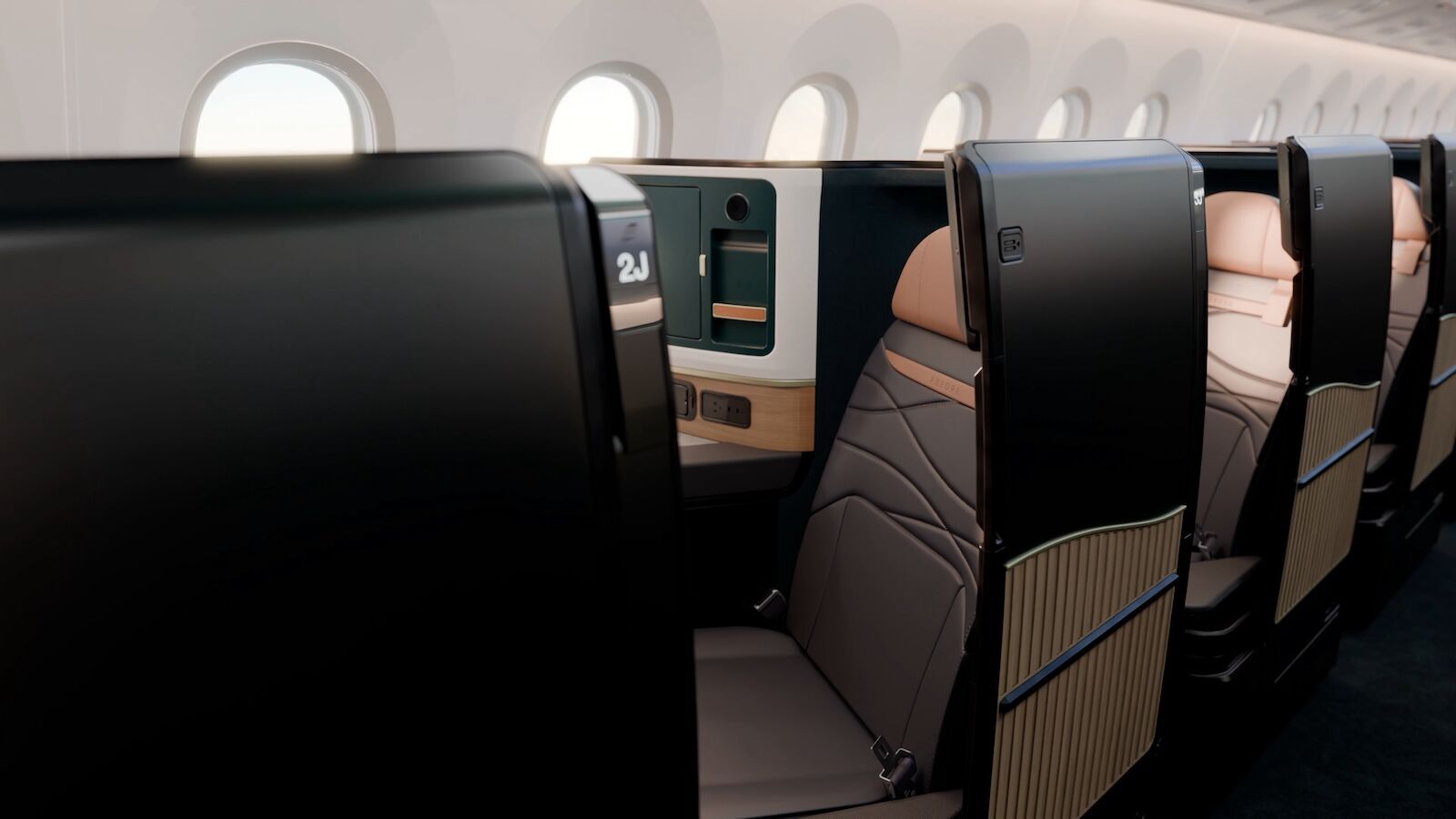
Engineering specifications for the Aurora suites prioritize privacy and technological integration. Every passenger will enjoy direct aisle access, a feature previously rare on domestic narrow-body equipment. The hardware includes 19-inch high-definition displays, advanced Bluetooth connectivity for personal audio devices, and integrated wireless and USB-C power solutions. On the long-haul Boeing 787-10 Dreamliner fleet, these suites will be further enhanced with privacy doors, creating a fully enclosed personal space that aligns with current international first and business class trends.
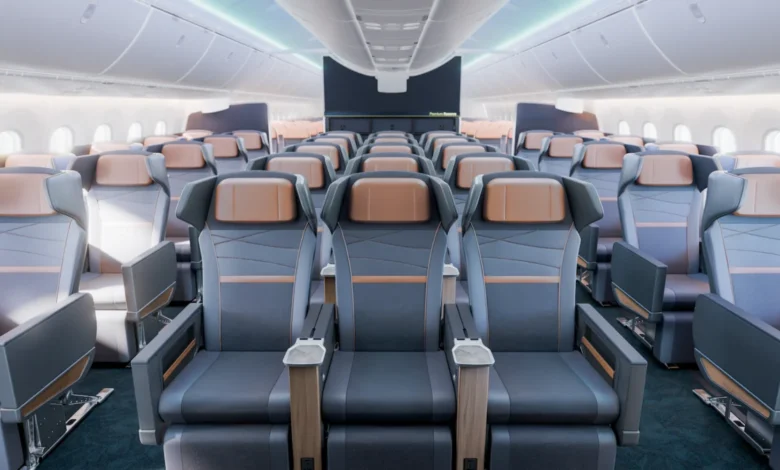
In addition to the flagship suites, the company is introducing a new "Premium Reserve" cabin. This tier sits between the standard economy class and the Aurora suites, offering a substantial upgrade in comfort. With a 38-inch seat pitch—surpassing the industry standard of approximately 30 inches—the Premium Reserve cabin will also feature wider seats, dedicated footrests, and 16-inch entertainment screens. This tiered structure allows Alaska to monetize the space between standard economy and the top-tier suites, catering to business travelers and leisure flyers who desire additional comfort without the price tag of a full lie-flat suite.
Integrating the Hawaiian Airlines Fleet
The strategy is not confined to the Alaska-branded fleet. The acquisition of Hawaiian Airlines has necessitated a harmonized interior design language. Hawaiian’s existing Airbus A330 fleet, which serves critical routes across the Pacific and into North America, is scheduled for a comprehensive redesign beginning in 2028.
The current "Leihōkū" (Lei of Stars) business class, which already offers lie-flat capability, will undergo a significant refinement. The updated suites will incorporate privacy doors and improved layout configurations to ensure direct aisle access for every passenger, maintaining consistency with the new Alaska Aurora branding. Furthermore, the introduction of a premium economy product on the A330s will finalize the fleet’s transition, with premium seating configurations eventually accounting for nearly 40 percent of the total available inventory on those aircraft.
Infrastructure and Hospitality Enhancements
Hardware upgrades are only one pillar of the airline’s broader strategy. Alaska Air Group recognizes that a premium product extends to the ground experience. To this end, the airline is investing heavily in airport lounge infrastructure. In late 2027, a flagship 41,000-square-foot lounge facility is set to open at Seattle-Tacoma International Airport. The space will be bifurcated to provide dedicated environments for different travelers: a 500-seat Alaska Lounge for general members and a specialized 200-seat Aurora Lounge exclusively for those flying in the new suite class. This will be followed by the construction of additional lounges in Honolulu and San Diego in 2028.
Culinary excellence has also been identified as a key differentiator. The airline has engaged renowned Seattle-based chefs to curate the onboard menus. Renee Erickson, a culinary staple in the Pacific Northwest, will design the dining experience for European routes, while James Beard Award winner Brady Ishiwata Williams will helm the menu development for the airline’s expanding Asian network. These partnerships represent a move away from generic airline catering toward a localized, high-quality dining experience.
Economic Implications and Industry Analysis
The 40 percent revenue target by 2030 is an ambitious figure that reflects the shifting economics of the airline industry. Historically, low-cost carriers maintained profitability through volume and ancillary fees. However, as international travel demand rebounds and the demographic of the "premium leisure" traveler grows, the margin potential in business and premium-economy classes has become the primary driver of profitability for major carriers.
Industry analysts suggest that Alaska’s strategy is a calculated response to the consolidation of the U.S. aviation market. By securing a premium foothold, Alaska is no longer just a feeder carrier for major international airlines; it is becoming a destination carrier in its own right. The risk, however, lies in the execution. Retrofitting a fleet is a complex logistical operation that can lead to temporary capacity constraints. Furthermore, by entering the luxury market, Alaska faces higher overhead costs and the need to maintain a level of service consistency that it has not previously been required to manage at this scale.
Alaska Air Group CEO Ben Minicucci has been vocal about the origins of this shift, emphasizing that the Hawaiian acquisition was not the cause, but rather the catalyst. "The acquisition of Hawaiian Airlines did not create a new strategy," Minicucci stated during the announcement. "It accelerated one we had already built." This suggests that the internal cultural shift toward a premium-focused service model was well underway before the merger, and the current announcement is merely the public-facing implementation of a long-gestating plan.

Future Outlook and Timeline
The coming 24 to 36 months will be a period of significant transition for the airline. While the specific rollout of routes for the 737-10 MAX Aurora suites remains undisclosed as of October 2026, the industry expects the first aircraft to be deployed on high-yield transcontinental routes, such as Seattle to New York (JFK) or Boston, where competition for the business traveler is most intense.
As the airline prepares for these milestones, stakeholders are watching closely to see if the brand, historically beloved for its "friendly and affordable" image, can successfully pivot to "premium and sophisticated" without alienating its loyal customer base. The success of the Aurora suites, combined with the new lounge network and international culinary partnerships, will be the ultimate test of whether Alaska can effectively navigate the transition from a regional favorite to a major player on the global stage. If the strategy succeeds, Alaska Air Group will have successfully leveraged its merger to permanently alter its competitive standing in the aviation industry.