The Feisty Survivor: How New Zealand’s Weka Bird Captured the Public Imagination and Challenged Conservation Norms


New Zealand’s unique avian landscape is globally renowned for its high proportion of flightless, endemic birds that evolved in the absence of mammalian predators. Within this distinct ecosystem, the weka (Gallirallus australis)—a large, brown, ground-dwelling bird belonging to the rail family—occupies a complex niche. Long overlooked in favor of more charismatic or endangered native species such as the kiwi, the kea, and the takahē, the weka has recently emerged as a subject of renewed ecological interest, cultural significance, and occasional controversy. Characterized by a resilient disposition, a lack of fear regarding human presence, and opportunistic predatory habits, the weka offers a compelling case study in the challenges of wildlife management and conservation in modern New Zealand.
Taxonomy, Physical Characteristics, and Ecology
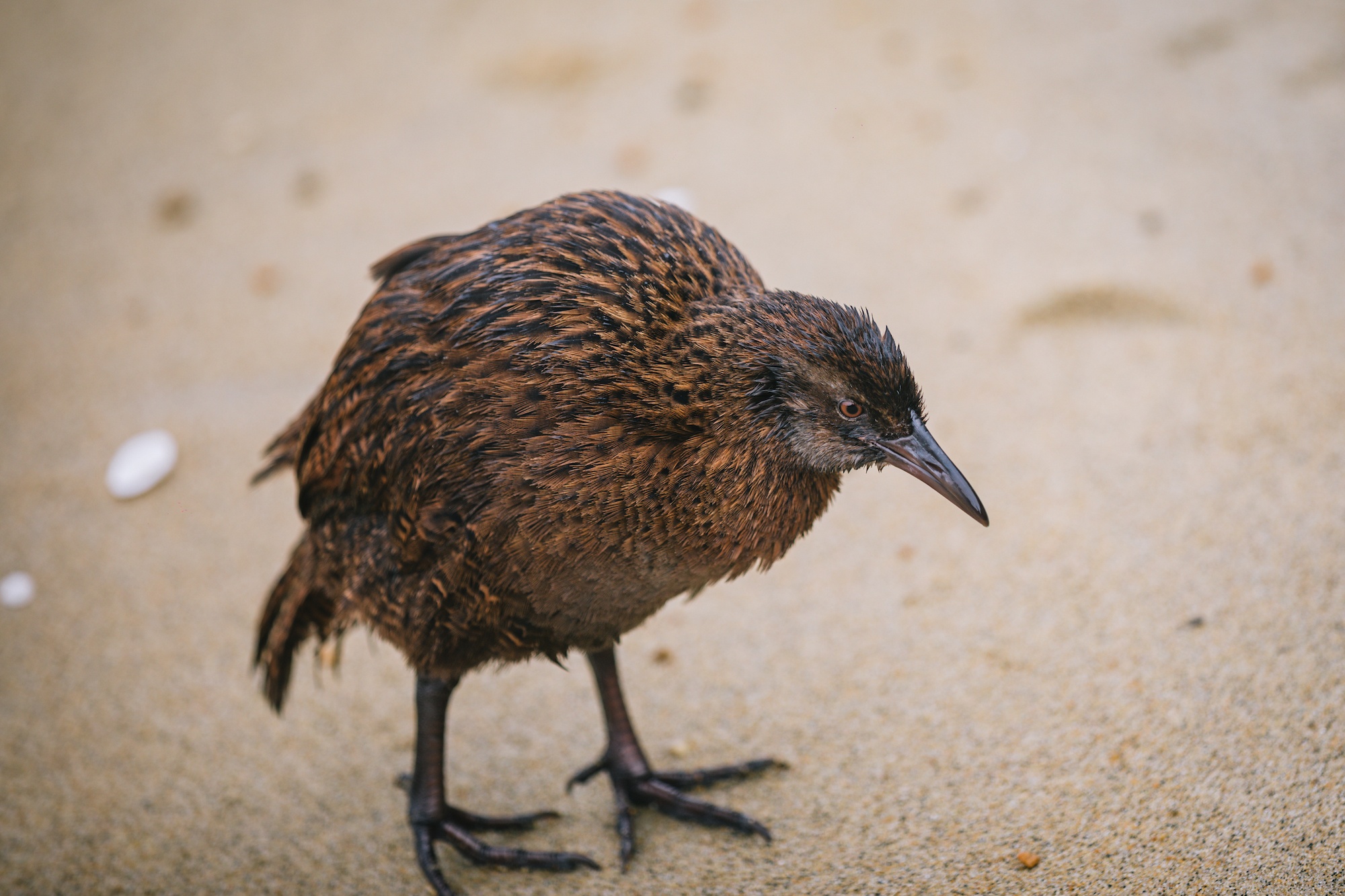
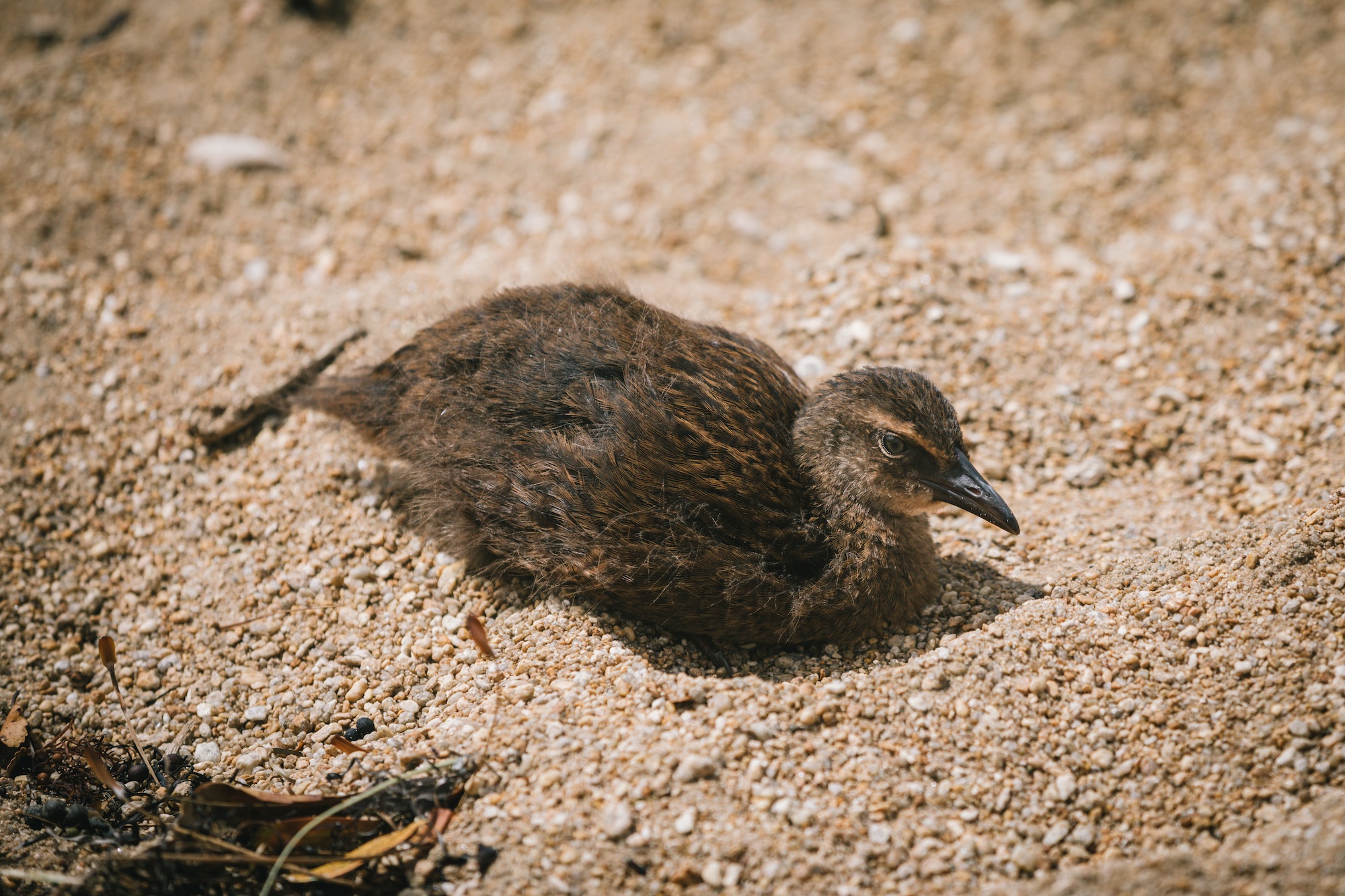
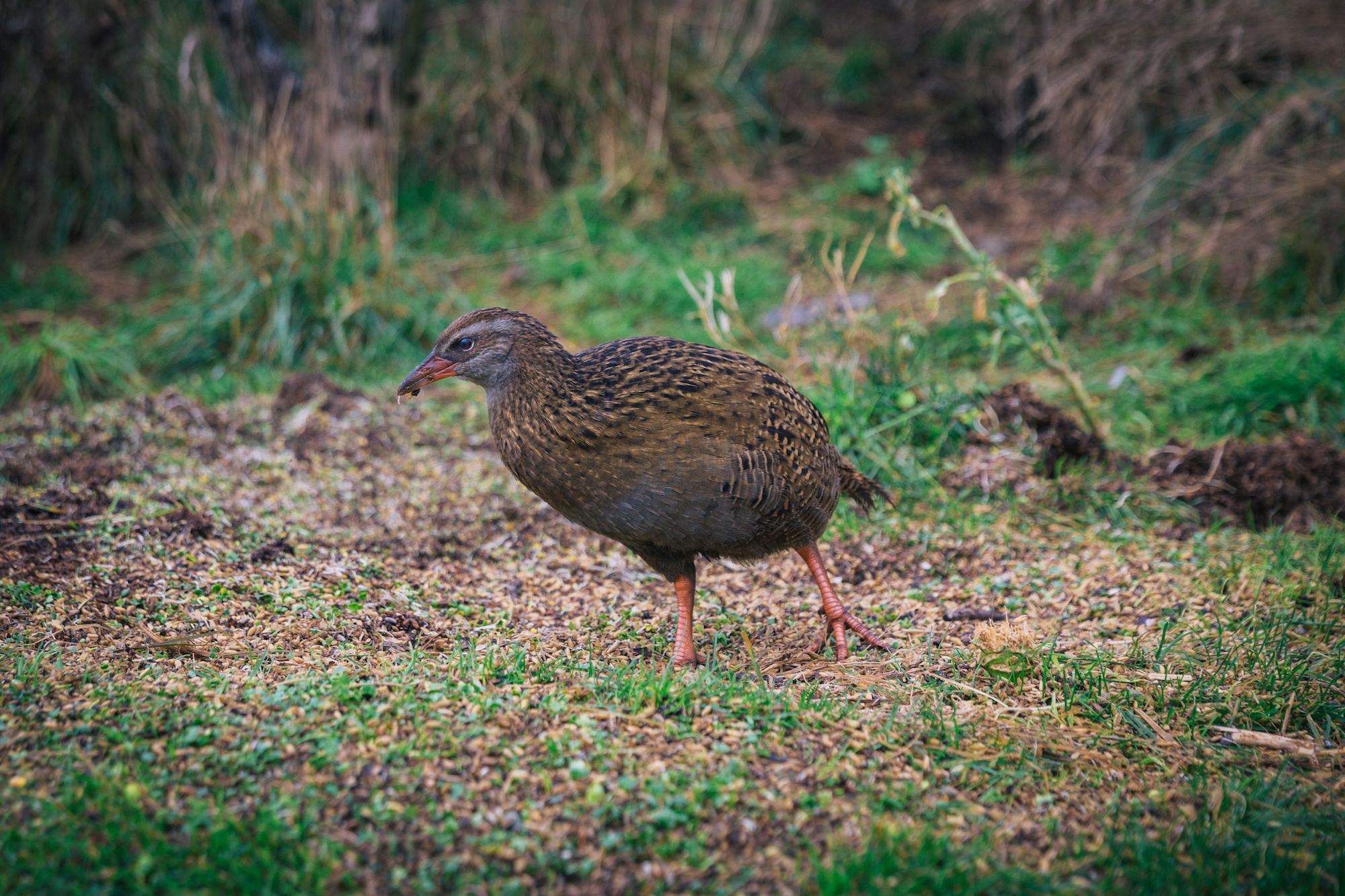
The weka is a sturdy, flightless bird roughly the size of a chicken, weighing between 500 and 1,500 grams, with females typically smaller than males. Belonging to the family Rallidae, the species is divided into four recognized subspecies distributed across different regions of New Zealand: the North Island weka, the western weka, the eastern weka, and the buff weka. Their plumage varies from chestnut and tawny to dark brown, frequently streaked with black and grey, providing effective camouflage in forest floors, scrublands, and coastal environments.

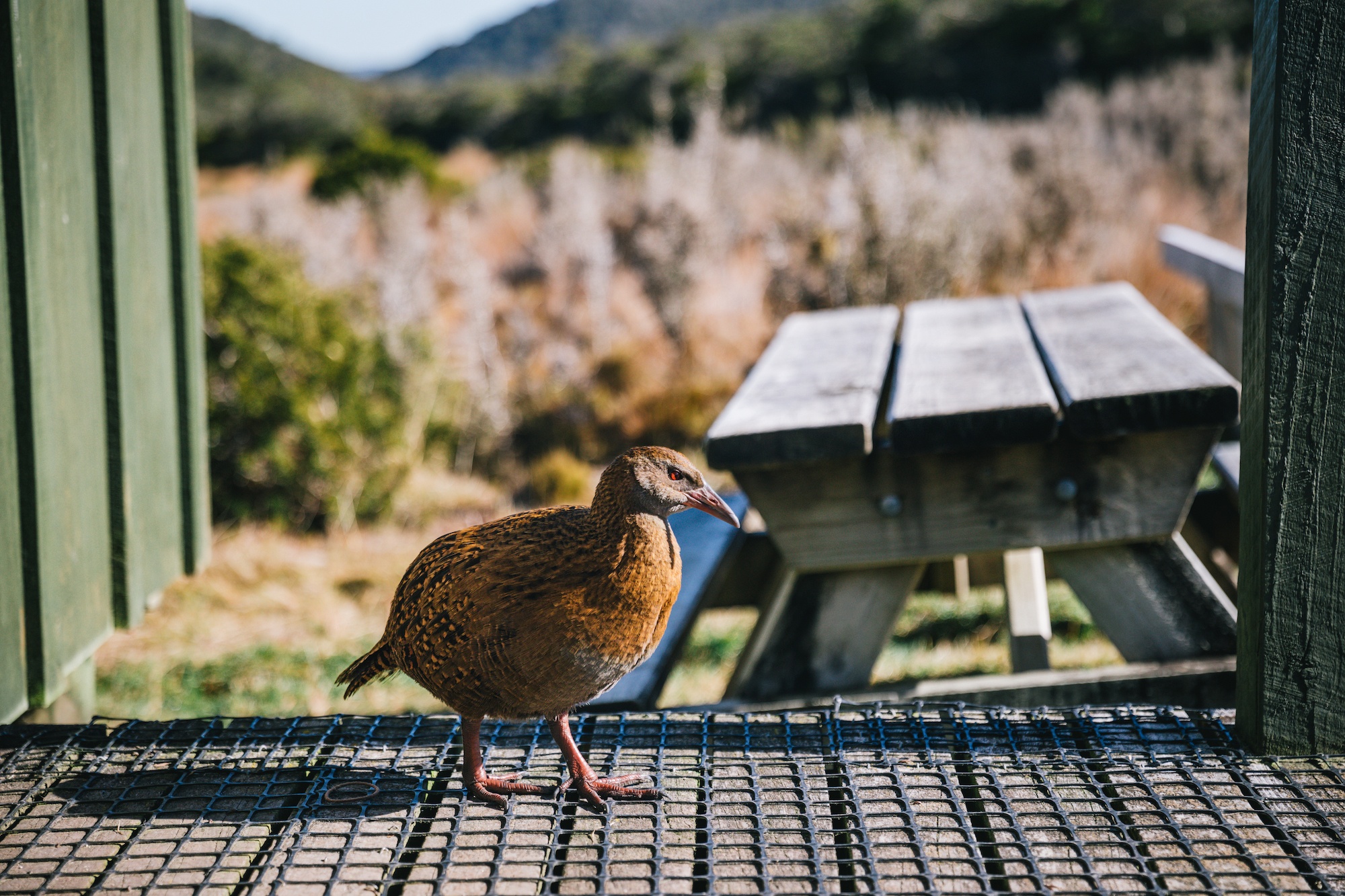
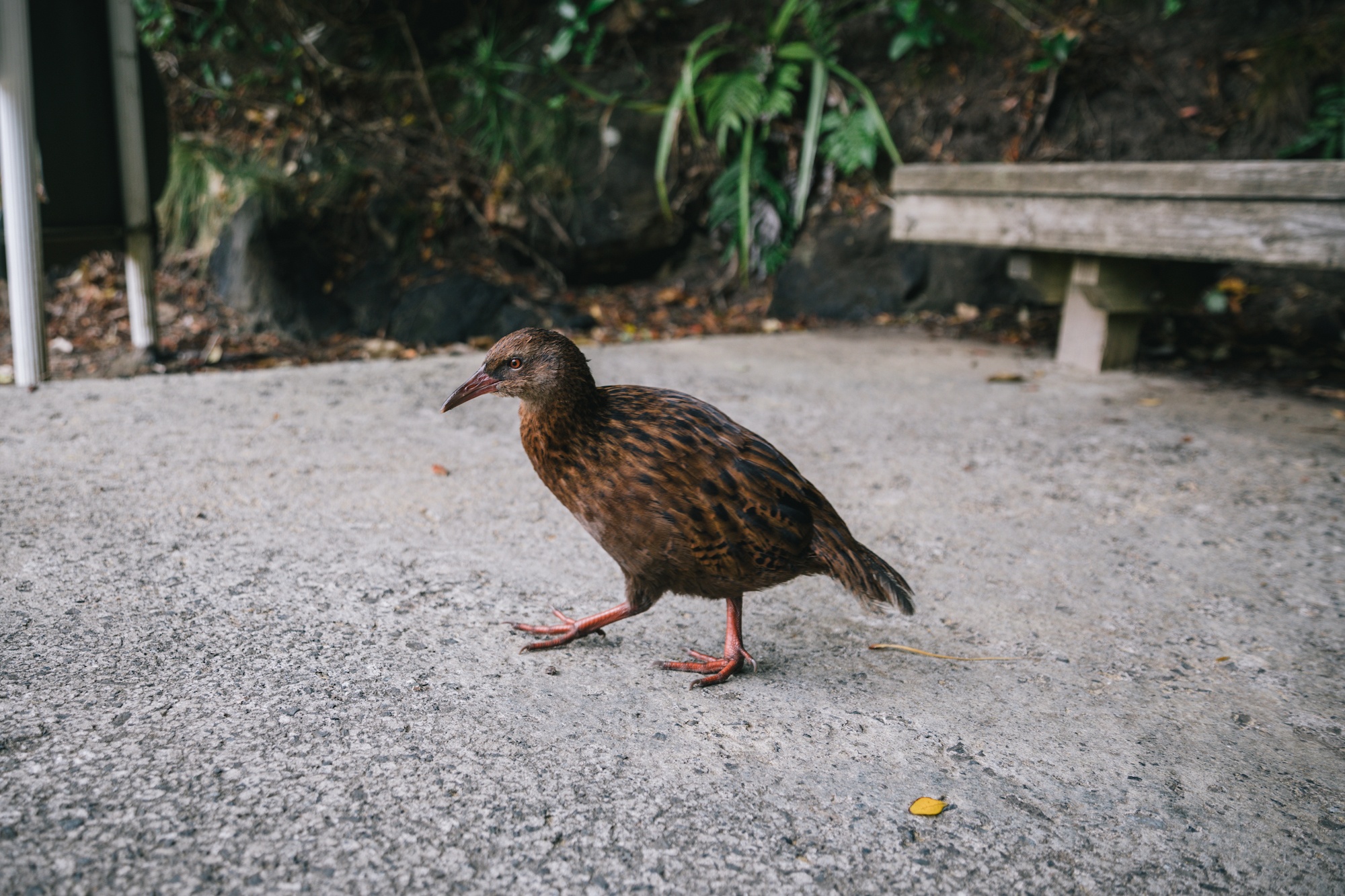
Morphologically, wekas are built for terrestrial life. They possess powerful legs, a robust, conical bill suited for probing and pecking, and distinct red eyes that impart an alert, formidable expression. Lacking the ability to fly, they rely on speed and agility to navigate dense vegetation. Omnivorous by nature, their diet primarily comprises invertebrates, fruit, small lizards, and occasionally carrion. However, their opportunistic foraging strategy extends to consuming introduced pests such as mice, rats, and rabbits, positioning them as accidental contributors to pest control, alongside their more controversial predation on the eggs and chicks of other vulnerable native bird species.
Historical Context and Cultural Significance
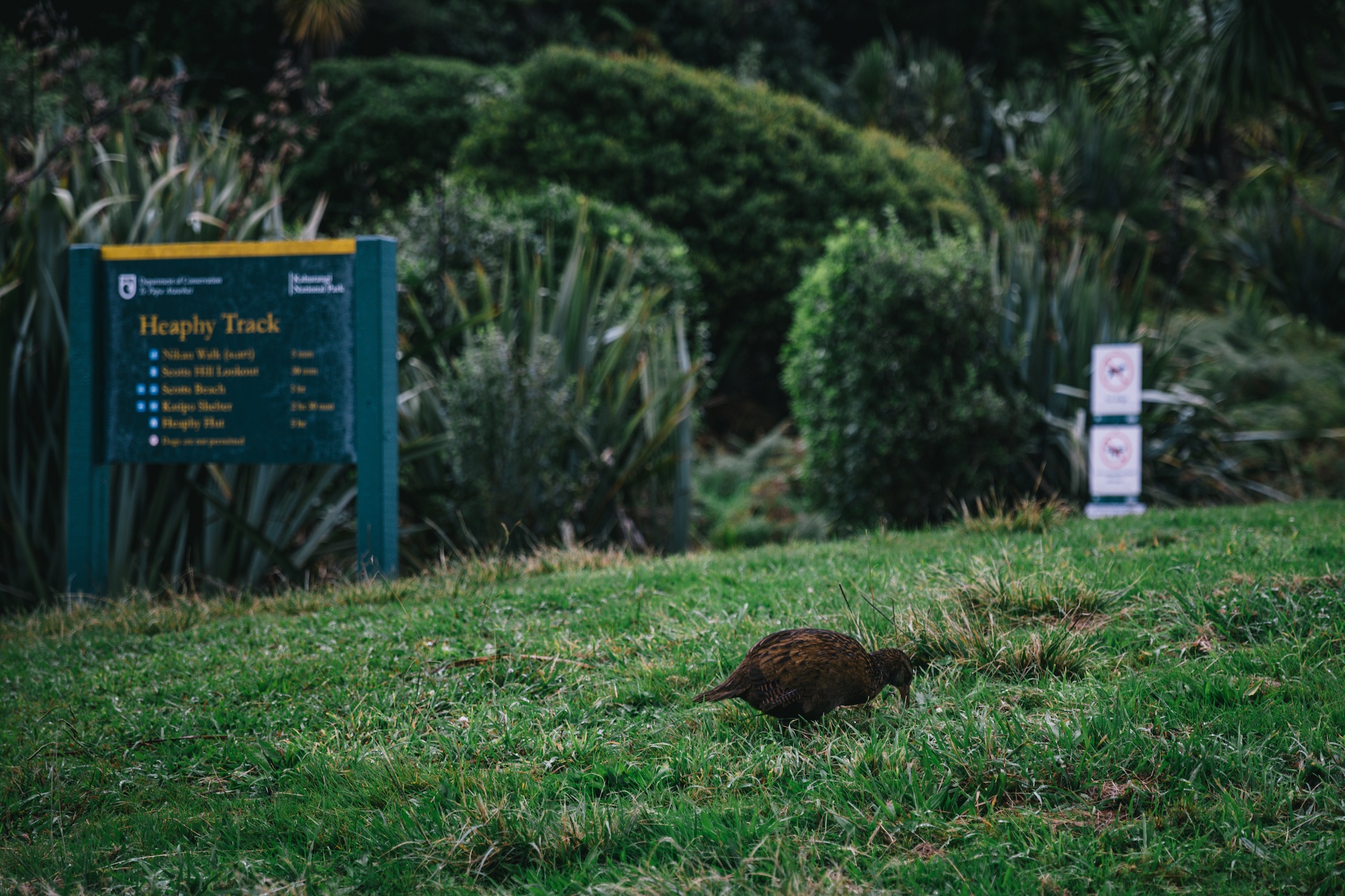
Long before European settlement, wekas held a prominent place in the ecosystems and human history of New Zealand. Māori iwi (tribes) traditionally utilized the species as a valuable resource for food, oil, and feathers, incorporating the bird into local economies and oral histories. Historical accounts left by early European explorers and settlers frequently detailed the bird’s inquisitive and opportunistic nature, often describing encounters where wekas brazenly entered campsites and removed small, shiny objects—a behavior that earned them a reputation as avian thieves.
Despite this long-standing coexistence, human colonization introduced significant pressures to weka populations. The arrival of European settlers brought widespread habitat modification through deforestation, agriculture, and urbanization, alongside the introduction of mammalian predators such as stoats, ferrets, cats, and dogs. While many native bird populations experienced catastrophic declines, the adaptable weka displayed a remarkable, albeit fluctuating, capacity for survival.

Conservation Status and Management Dilemmas
On the New Zealand mainland, wekas are legally protected under the Wildlife Act 1953. Nevertheless, they continue to face complex conservation challenges, including habitat fragmentation, vehicle strikes, and ongoing predation pressures. Population numbers are known to experience sharp fluctuations, leading to regional booms and crashes across their native range.
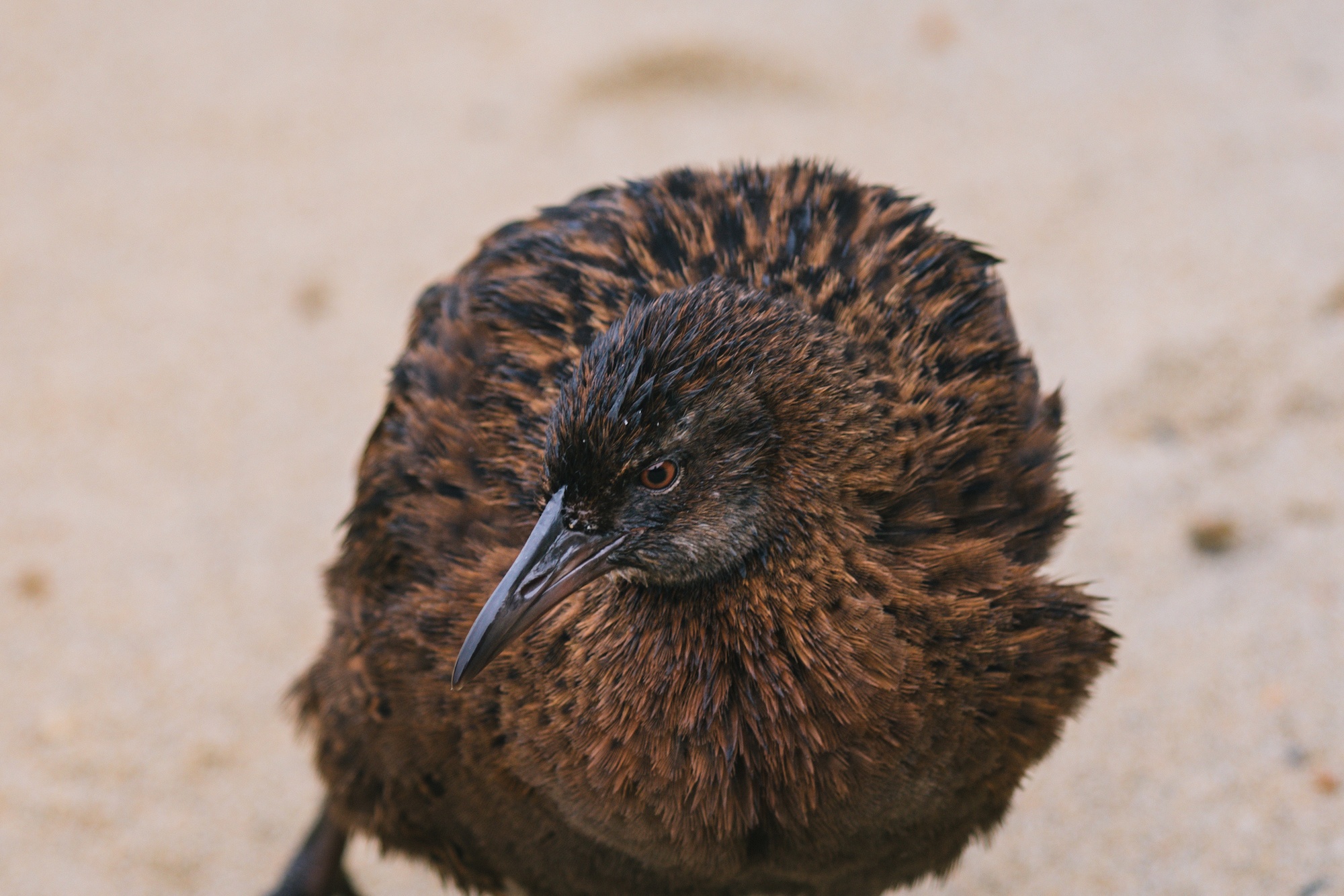
Paradoxically, the weka’s aggressive and predatory behavior complicates its standing within modern conservation frameworks. Because wekas prey upon the eggs, chicks, and small vertebrates of other endangered endemic species, they are generally excluded from offshore predator-free sanctuary islands and specialized ecological restoration zones established to protect rarer taxa. This ecological exclusivity has fostered a unique status for the species: while protected, it is often managed strictly to prevent it from compromising more fragile biodiversity initiatives.
Compounding these management complexities are occasional cultural and commercial disputes. Incidents involving local human-wildlife friction—such as unauthorized attempts by individuals to utilize or farm weka populations, notably highlighted by localized legal standoffs involving rural landowners and conservation authorities—underscore the persistent tension between traditional resource use and contemporary strict wildlife protection laws.

Broader Implications for New Zealand Conservation
The ongoing discourse surrounding the weka highlights the broader philosophical challenges facing New Zealand’s ambitious environmental targets, such as the Predator Free 2050 initiative, which aims to eradicate introduced mammalian predators nationwide. As conservation efforts successfully reduce invasive species pressures, native generalists like the weka, along with protected apex predators and scavengers, are expected to experience shifts in distribution and abundance.
Public perception remains a critical variable in these conservation dynamics. While international and domestic visitors frequently conflate the highly visible and daytime-active weka with the elusive, nocturnal, and critically endangered kiwi, wildlife agencies continue educational campaigns to delineate the ecological roles of each species. Biologists note that understanding the robust adaptability of the weka provides valuable insights into avian resilience, offering lessons that may inform broader habitat restoration and species recovery plans across Australasia.
As management strategies evolve, the weka remains an enduring symbol of New Zealand’s idiosyncratic wildlife—defiant, highly adaptable, and thoroughly integrated into the complex ecological tapestry of the South Pacific.