Beyond the Gateways: Strategic Itinerary Planning for Multi-Country Travel Across the Moroccan Frontier

Many international travelers arrive in Morocco captivated by the allure of the Maghreb, often overlooking the profound geographical and logistical proximity the nation shares with neighboring territories. Positioned at the crossroads of the Atlantic Ocean and the Mediterranean Sea, Morocco functions as an essential nexus for transcontinental transit. By leveraging an intricate network of high-frequency ferry routes, budget-friendly air corridors, and historic overland passages, travelers can seamlessly extend their Moroccan itineraries into Spain, the British Overseas Territory of Gibraltar, the Spanish archipelagos, and the vast landscapes of Mauritania. Understanding these connections is not merely a matter of logistics; it is an exercise in grasping the historical and cultural continuum that binds North Africa to Southern Europe and the wider Atlantic world.
The Geopolitical Context of the Strait of Gibraltar
The most prominent gateway between Morocco and the European continent remains the Strait of Gibraltar, a narrow waterway separating the Iberian Peninsula from the African landmass. At its closest point, the distance between the two continents is approximately 14 kilometers (roughly 8.7 miles). This proximity has facilitated human migration, trade, and cultural exchange for millennia, dating back to the Phoenician era and the subsequent Moorish presence in Spain.

In contemporary terms, this maritime passage is served by a robust ferry infrastructure. Major ports on the Moroccan side, primarily Tangier-Med and Tangier Ville, offer consistent connections to the Spanish ports of Algeciras and Tarifa. Data from regional port authorities indicates that millions of passengers utilize these routes annually, particularly during the Operation Crossing the Strait (Operación Paso del Estrecho), a large-scale logistical effort coordinated by the Spanish government to facilitate the transit of expatriates returning to their North African homes during the summer months. Key operators such as FRS (DFDS), Baleària, and Trasmediterránea maintain rigorous schedules, ensuring that the maritime link remains one of the most reliable international connections in the region.
Navigating Entry Requirements and Border Logistics
For citizens of the United States, the United Kingdom, Canada, and the European Union, the entry requirements for Morocco and Spain remain relatively straightforward. Morocco permits visa-free entry for up to 90 days for many nationalities, provided travelers hold a passport with at least six months of remaining validity. Conversely, Spain, as a member of the Schengen Area, enforces standardized European border protocols.
A unique geopolitical curiosity exists in the form of the Spanish autonomous cities of Ceuta and Melilla. Situated on the North African coast, these cities are physically located within Moroccan territory but are governed by Madrid and are integrated into the European Union. Consequently, a land border crossing into Ceuta or Melilla constitutes an entry into the European Union, requiring full passport control and adherence to Schengen entry regulations. This distinction is critical for travelers to note, as the transition from the Moroccan interior to a European jurisdiction occurs within a matter of meters.

Expanding into the Atlantic: The Canary Islands
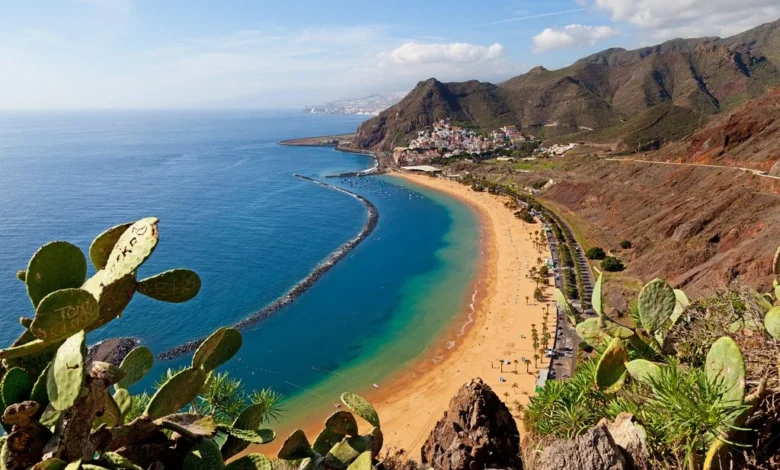
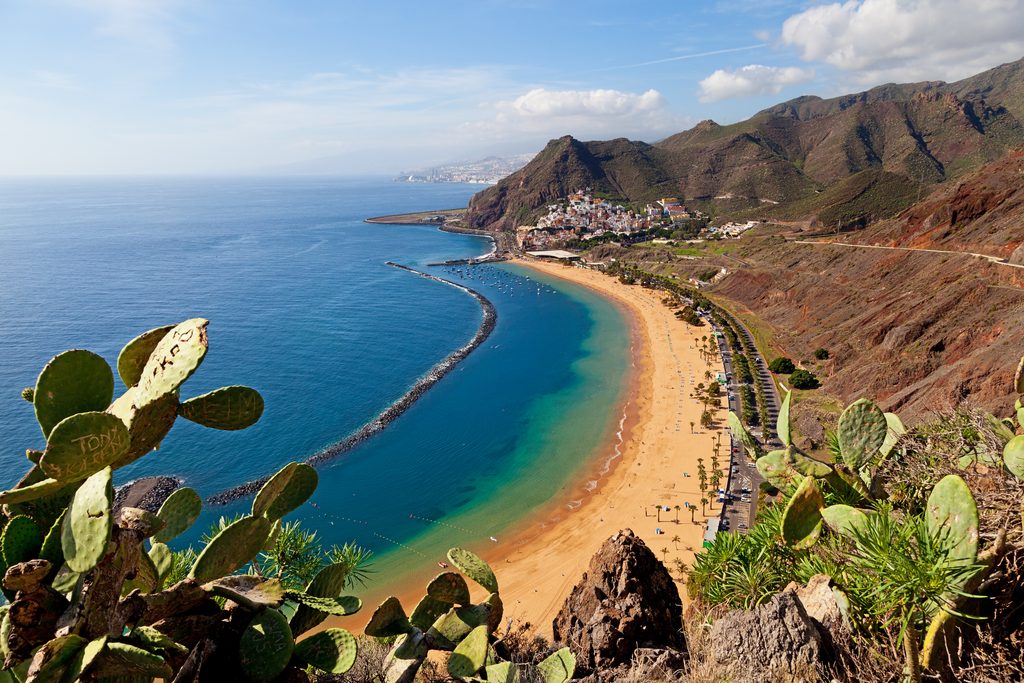
While often associated with the Spanish mainland, the Canary Islands are geographically closer to the Moroccan coast than to Europe. These volcanic islands, including Tenerife, Lanzarote, and Gran Canaria, have historically functioned as a strategic waypoint for Atlantic navigation. For the modern traveler, the islands represent an ideal extension to a Moroccan tour, offering a distinct cultural shift from the Saharan desert climate to a subtropical Atlantic environment. Direct flights from Casablanca, Marrakech, and Laayoune facilitate this transition, typically lasting less than two hours. The integration of these islands into a broader regional itinerary allows for a diverse exploration of colonial history, unique flora and fauna, and maritime trade routes that have evolved since the 15th-century explorations of the Atlantic.
The Strategic Position of Gibraltar
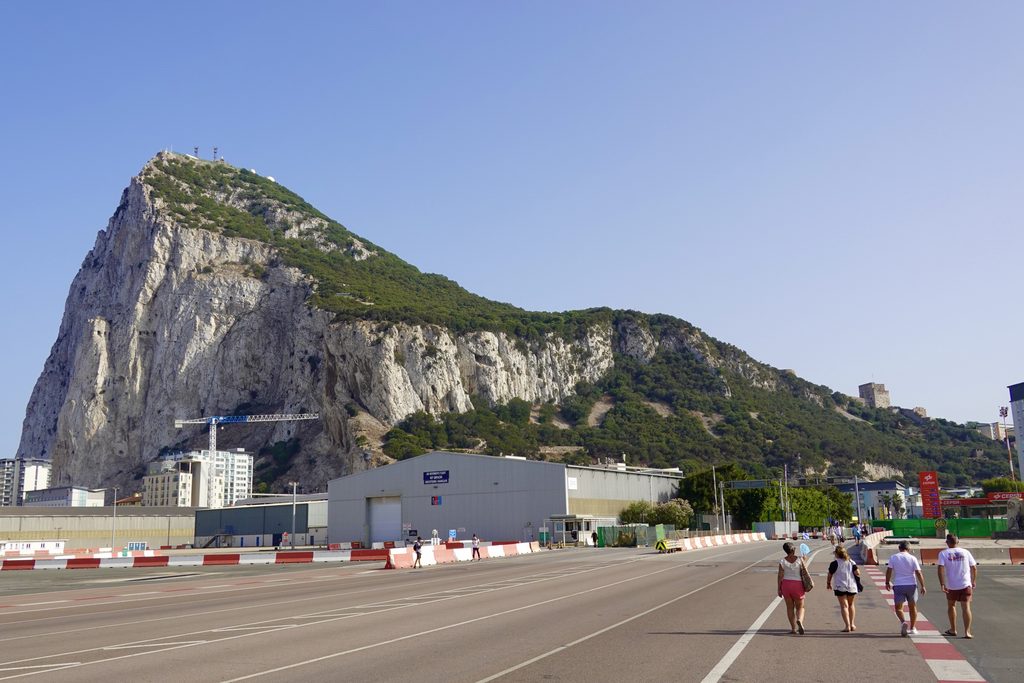
The British Overseas Territory of Gibraltar offers a starkly different historical and cultural experience. Positioned at the literal entrance to the Mediterranean, the "Rock" provides a rare opportunity to witness British administrative, legal, and cultural frameworks within the context of the Iberian Peninsula. Access to Gibraltar from Morocco usually involves a transit through Spain. While the territory is not part of the Schengen Area, its status as a British territory requires specific consideration regarding travel documents. The presence of the Barbary macaque population—the only wild monkey colony in Europe—and the massive limestone fortifications underscores the historical military significance of this site, which has been contested by various powers for centuries.
The Southern Frontier: Western Sahara and Mauritania
Travel to the south of Morocco requires a more comprehensive level of planning due to the distinct political and environmental conditions of the region. The territory of Western Sahara, administered by Morocco, is a vast landscape of desert and coastline, home to cities such as Laayoune and the kitesurfing hub of Dakhla. Travelers intending to venture into this region should monitor the latest diplomatic travel advisories, as the area’s political status continues to be a subject of international discourse.
Beyond the southern border lies Mauritania, a destination that represents the true frontier of North African travel. The transit from Morocco into Mauritania via the Guerguerat border crossing is an expedition that requires significant preparation, including the acquisition of specific visas, vehicle insurance documentation, and an understanding of the vast, arid terrain. The Mauritanian interior is defined by its nomadic heritage and ancient trade centers, such as Chinguetti and Ouadane, which are recognized for their historical significance along the trans-Saharan trade routes. Given the environmental challenges—including extreme heat and isolated infrastructure—this route is recommended exclusively for those with significant experience in desert navigation.
The Regional Stagnation: The Morocco-Algeria Border
A crucial component of any regional itinerary planning is an awareness of current political limitations. The land border between Morocco and Algeria has been officially closed since 1994, following a diplomatic fallout related to regional security and border disputes. This closure is absolute; there is no legal land passage between the two nations, and direct air travel between them is currently suspended. For travelers seeking to visit both countries, the only viable option is to transit through a third-party nation, such as France or Tunisia. This geopolitical reality highlights the importance of thorough research, as reliance on dated maps or standard travel logic can result in significant itinerary disruptions.
Analytical Perspectives on Regional Integration
The mobility between Morocco and its neighbors serves as a barometer for the broader economic and cultural health of the Mediterranean Basin. While the movement of tourists is relatively seamless, the movement of goods and labor remains highly regulated, reflecting the complex interplay between the European Union’s external borders and the African continent. Economists often cite the potential for increased regional integration, noting that if political barriers were reduced, the North African coast could become an even more powerful economic engine.
For the individual traveler, however, the current landscape offers a unique opportunity. The ability to traverse the distance between the historic medinas of Fez, the modern urbanity of Madrid, and the rugged wilderness of the Sahara provides a profound sense of historical continuity. It illustrates that these borders, while politically defined, are porous in terms of the shared history of the peoples living on either side of the Mediterranean.
Conclusion: Planning for the Future
A successful multi-country itinerary in this region relies on the traveler’s ability to balance the spontaneity of exploration with the discipline of logistical preparation. From the documentation required for crossing the Gibraltar Strait to the health and safety considerations of the Saharan route, each border transition requires a nuanced approach. By engaging with local expertise and staying updated on regional developments, travelers can ensure that their journey through the Maghreb and beyond remains a safe, enriching, and deeply insightful experience. As the region continues to evolve, these historical trade routes and modern travel corridors will undoubtedly remain central to the narrative of North African tourism and cross-continental connection.