
The global car rental industry has undergone a significant transformation, evolving from a fragmented market of local storefronts into a sophisticated digital ecosystem driven by meta-search engines and real-time data aggregation. For the modern traveler, securing a rental vehicle is no longer merely a logistical necessity but a strategic financial decision. As travel patterns rebound to pre-pandemic levels, the volatility in rental pricing—influenced by fleet availability, seasonal demand, and shifting corporate supply chain logistics—has made comparison platforms essential tools for the informed consumer.

The Evolution of the Rental Marketplace
Historically, travelers relied on telephone bookings or walk-in arrangements at airport kiosks, a process that left them vulnerable to fluctuating walk-up rates and limited vehicle inventory. The shift toward digital booking platforms began in the early 2000s, but it was the 2020s that solidified the dominance of comparison engines. Today, these platforms serve as the primary interface between the consumer and a complex network of global rental providers, including multinational conglomerates like Hertz, Avis, and Enterprise, as well as thousands of boutique regional agencies.
By 2026, the industry has standardized the "meta-search" approach, where algorithms aggregate thousands of data points—from insurance excess policies to fuel-refill mandates—into a single, user-friendly dashboard. This evolution has effectively democratized pricing, forcing rental agencies to remain competitive by offering transparency in their fee structures.

Comparative Analysis of Booking Platforms
The current market landscape is dominated by several key players, each offering distinct advantages depending on the traveler’s specific needs.
EconomyBookings: The Efficiency Benchmark
EconomyBookings has established itself as the leading aggregator for price-conscious travelers. By prioritizing a lean, fast-loading interface, the platform allows users to filter by specific vehicle categories, transmission types, and, crucially, supplier ratings. Data indicates that travelers utilizing this platform often secure rates 15–20% lower than those booking directly at the counter, largely due to the platform’s ability to highlight "hidden" inventory from smaller local providers that often have lower overhead costs than international brands.

Discover Cars: Focusing on Supplier Transparency
Discover Cars has carved out a niche by emphasizing the quality of the service provider over the absolute lowest price. In regions such as the Mediterranean or Southeast Asia, where small, family-owned rental agencies operate alongside global giants, the ability to read verified, granular reviews of the actual pickup location is a significant competitive advantage. The platform’s inclusion of detailed insurance excess information addresses one of the most common pain points for international renters: unexpected costs at the point of vehicle collection.
Expedia: The Integrated Travel Ecosystem
For travelers who prefer to bundle airfare, hotel stays, and ground transportation, Expedia remains a powerhouse. Its primary value proposition is the "One Key" loyalty program, which rewards users for consolidating their travel spend. While the car rental prices on Expedia may occasionally track slightly higher than specialized aggregators, the convenience of managing a complete itinerary through a single interface offers significant utility for business travelers or those planning multi-city vacations.

Skyscanner: The Research-First Methodology
Skyscanner functions as a top-of-funnel research tool. Unlike platforms that act as the merchant of record, Skyscanner serves as a directory, redirecting users to the final provider or booking site. This is particularly useful for travelers looking to conduct a wide-net search across multiple jurisdictions to identify regional pricing anomalies before committing to a final reservation.
Data-Driven Strategies for Cost Optimization
Market research from the past fiscal year reveals specific behavioral trends that influence rental costs. Contrary to popular belief, the "last-minute" booking myth has been debunked; data shows that the optimal window for securing the lowest rental rates is between 2 and 31 days prior to the pickup date.

Furthermore, the "Airport vs. City" debate has reached a nuanced conclusion. While airport locations are often viewed as the most expensive option due to convenience fees, intense competition among major rental brands at international hubs often drives prices down. Conversely, small city-center locations may offer lower base rates but suffer from severe inventory shortages, leading to "sold-out" scenarios that force consumers into more expensive, larger vehicle classes.
The Critical Role of Insurance and Regulatory Compliance
One of the most complex aspects of the 2026 rental market is the interplay between credit card travel insurance and the supplementary coverage offered by rental companies. Most major credit card issuers provide secondary, or sometimes primary, collision damage waivers (CDW). However, these policies often exclude specific vehicle types (such as luxury or off-road vehicles) and may not be valid in certain jurisdictions.

Industry analysts emphasize the importance of the "Total Cost of Ownership" approach. This includes:
- The Excess/Deductible: The maximum amount a renter is liable for in the event of an accident.
- Fuel Policies: "Full-to-full" remains the gold standard for consumer cost-efficiency, whereas "pre-paid fuel" options are frequently cited by consumer protection agencies as a primary source of unnecessary travel expenditure.
- Cross-Border Fees: In regions like Europe, driving a rental across international borders often incurs substantial surcharges or requires written authorization from the agency.
Official Responses and Industry Outlook
Rental industry spokespeople from major associations have noted that the 2026 climate is characterized by a "service-first" pivot. As vehicle fleets have modernized to include hybrid and electric models, rental agencies are increasingly required to provide standardized education regarding charging infrastructure and battery range.

From a regulatory standpoint, there is an ongoing push for greater transparency in "junk fees"—the arbitrary administrative charges that have historically inflated rental bills. Many jurisdictions are now implementing mandatory disclosure laws that require rental companies to display the total, out-the-door price at the start of the booking process, rather than disclosing taxes and environmental surcharges at the final checkout screen.
Broader Impact and Future Implications
The democratization of the rental market through these booking platforms has forced a consolidation of the industry. Small, inefficient rental agencies are increasingly finding it impossible to survive without a digital presence, leading to a higher quality of service across the board as only the most reliable and transparent companies maintain high ratings on aggregator sites.
For the traveler, the implications are clear: the power has shifted to the consumer, provided they are willing to dedicate time to the research phase. The era of the "standard" rental agreement is effectively over, replaced by a bespoke model where insurance, vehicle type, and pickup location can be fine-tuned to suit the specific needs of the trip. As we move further into 2026, the integration of AI-driven pricing algorithms is expected to further refine these results, potentially allowing for dynamic pricing that reacts to real-time local events, such as festivals, strikes, or weather-related travel disruptions.
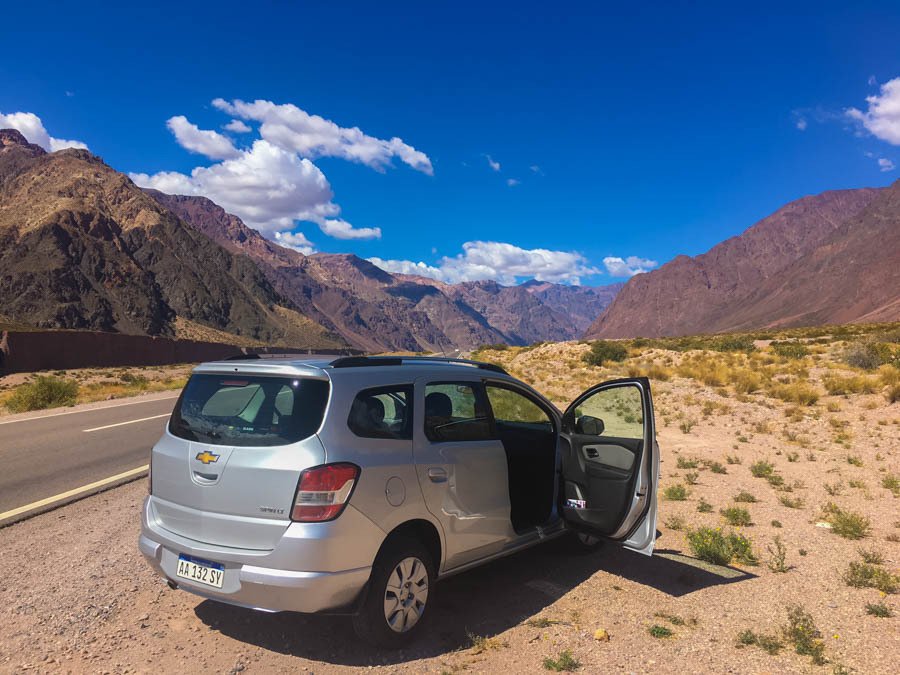
Ultimately, whether navigating the rugged terrain of a national park or the narrow streets of a historic European capital, the choice of a rental vehicle—and the platform used to secure it—remains a foundational element of a successful travel experience. By leveraging the data-rich environments of modern booking engines, travelers can ensure that their transit remains a seamless, cost-effective, and empowering component of their journey.