The Evolution of Polar Expedition Tourism and the Shift Toward Specialized Travel Consulting

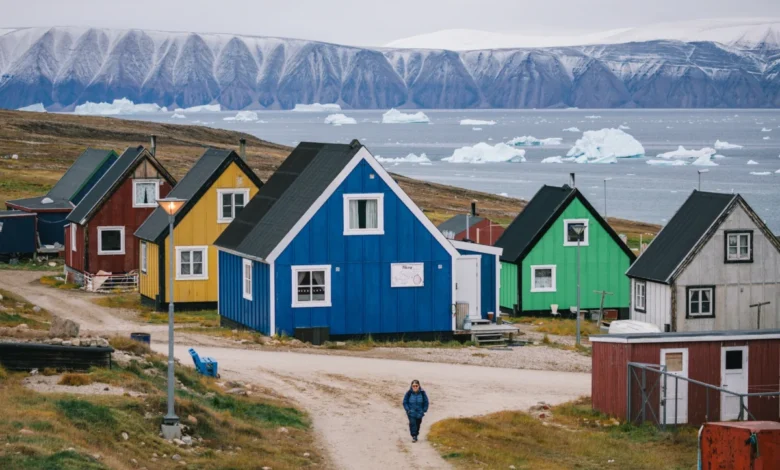
The landscape of high-latitude tourism is undergoing a significant transformation as veteran travel professionals transition from digital content creation to specialized expedition guiding and consultancy. This shift comes at a time when the Arctic and Antarctic regions are experiencing unprecedented interest from global travelers, driven by a desire for "last-chance tourism" and authentic, education-based exploration. Industry veterans are increasingly seeking roles that offer deeper community engagement and operational involvement, moving away from the traditional influencer model toward a more integrated professional approach within the expedition cruise sector.
The Professionalization of Polar Influence
For over a decade, the travel industry has been dominated by the "influencer" economy, where digital creators leveraged social media presence to promote destinations. However, a growing trend among seasoned professionals suggests a pivot toward more sustainable, skill-based careers within the industry. Liz Carlson, a prominent travel writer known for her "Young Adventuress" platform, recently exemplified this transition by announcing her commitment to professional guiding and specialized travel consulting.
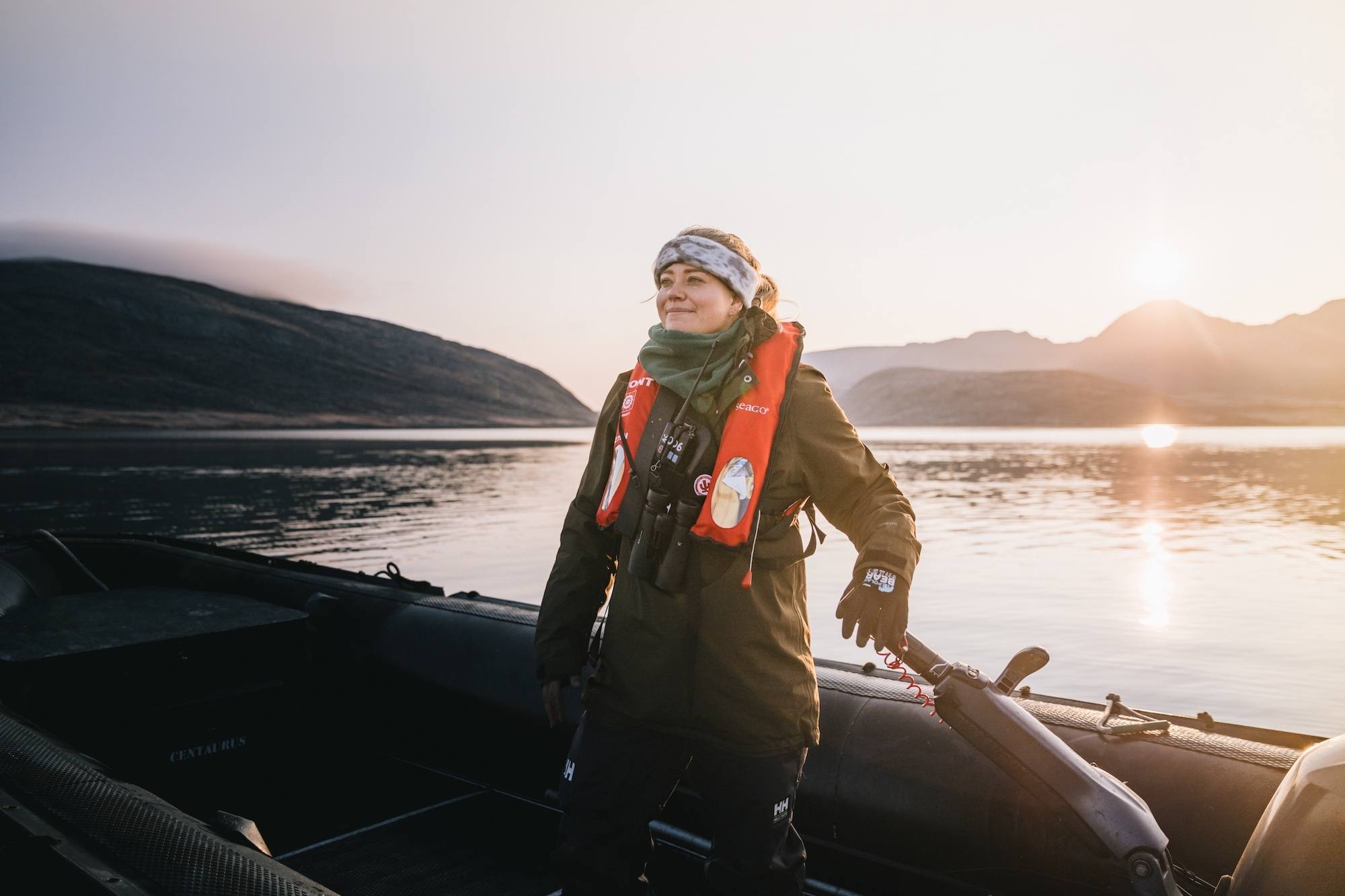
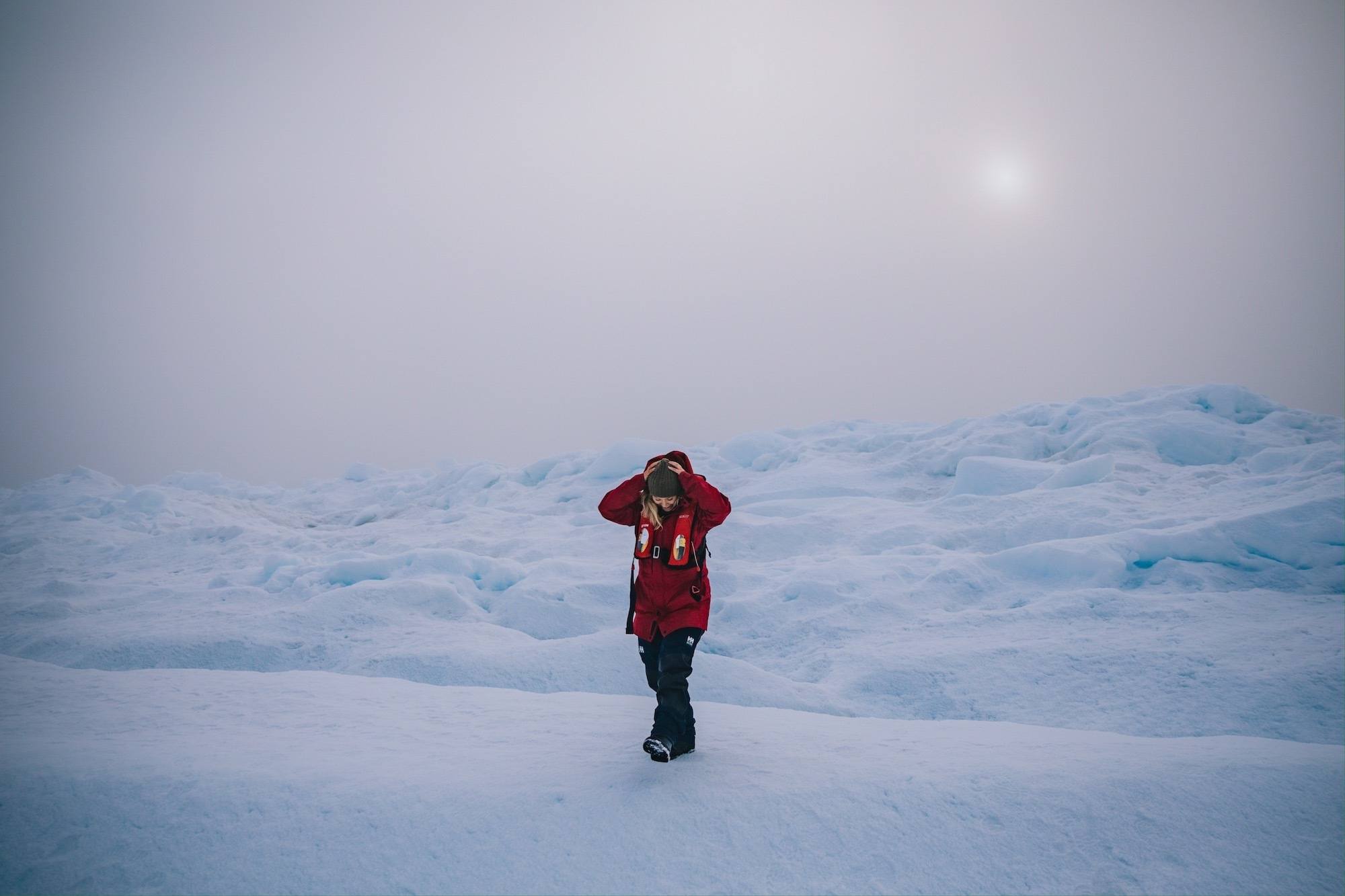
Carlson’s move into a three-month season with Adventure Canada—a leader in Arctic small-ship expeditions—highlights a broader industry movement. This evolution involves moving beyond the "hustle" of digital marketing to embrace the rigors of field operations. Professionals in this space are now required to possess a diverse set of skills, including Zodiac boat operation, wildlife spotting, and deep knowledge of polar history and ecology. This professionalization provides a more stable career path while offering travelers a higher level of expertise than traditional social media promotion.
Chronology of the Polar Tourism Surge
The accessibility of the polar regions has historically been limited by extreme environmental conditions and lack of infrastructure. However, the timeline of polar travel has accelerated rapidly over the last two decades:

- Late 20th Century: Polar travel was largely restricted to scientific expeditions and a handful of specialized icebreakers catering to high-net-worth explorers.
- 2000–2010: The rise of expedition cruising began to take shape as more reinforced vessels entered the market, focusing on educational and experiential travel.
- 2015–2019: Pre-pandemic, polar tourism saw record growth. According to the Association of Arctic Expedition Cruise Operators (AECO), visitor numbers in regions like Svalbard and Greenland increased significantly as global interest in climate-sensitive areas peaked.
- 2020–2022: The global pandemic halted operations, leading to a period of reflection for industry professionals. Many bloggers and influencers faced disillusionment with the "meaningless competition" of the digital space during this forced hiatus.
- 2023–Present: The industry has rebounded with a renewed focus on sustainability and deep-immersion travel. There is a marked shift toward "slow travel" in the Arctic, with travelers spending more time in local communities and less time on rapid transit.
Logistical Challenges and the Seasonal Window
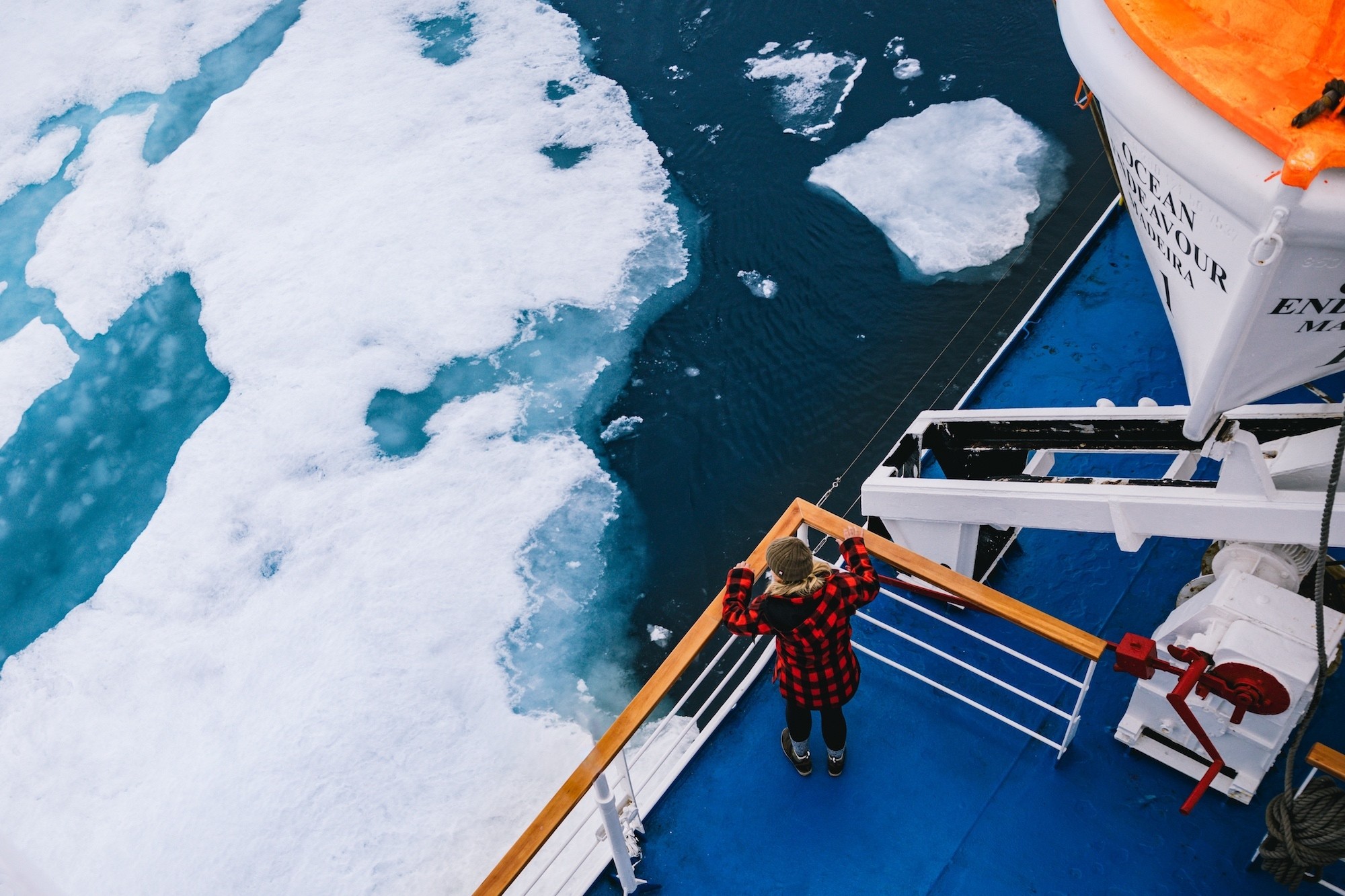
The Arctic remains one of the most inaccessible regions on Earth. Most of the year, dense sea ice locks the Northwest Passage and the coasts of Greenland, making marine travel impossible for standard vessels. Access is typically restricted to a narrow window from July to September when the summer melt allows ice-strengthened expedition ships to navigate these waters.
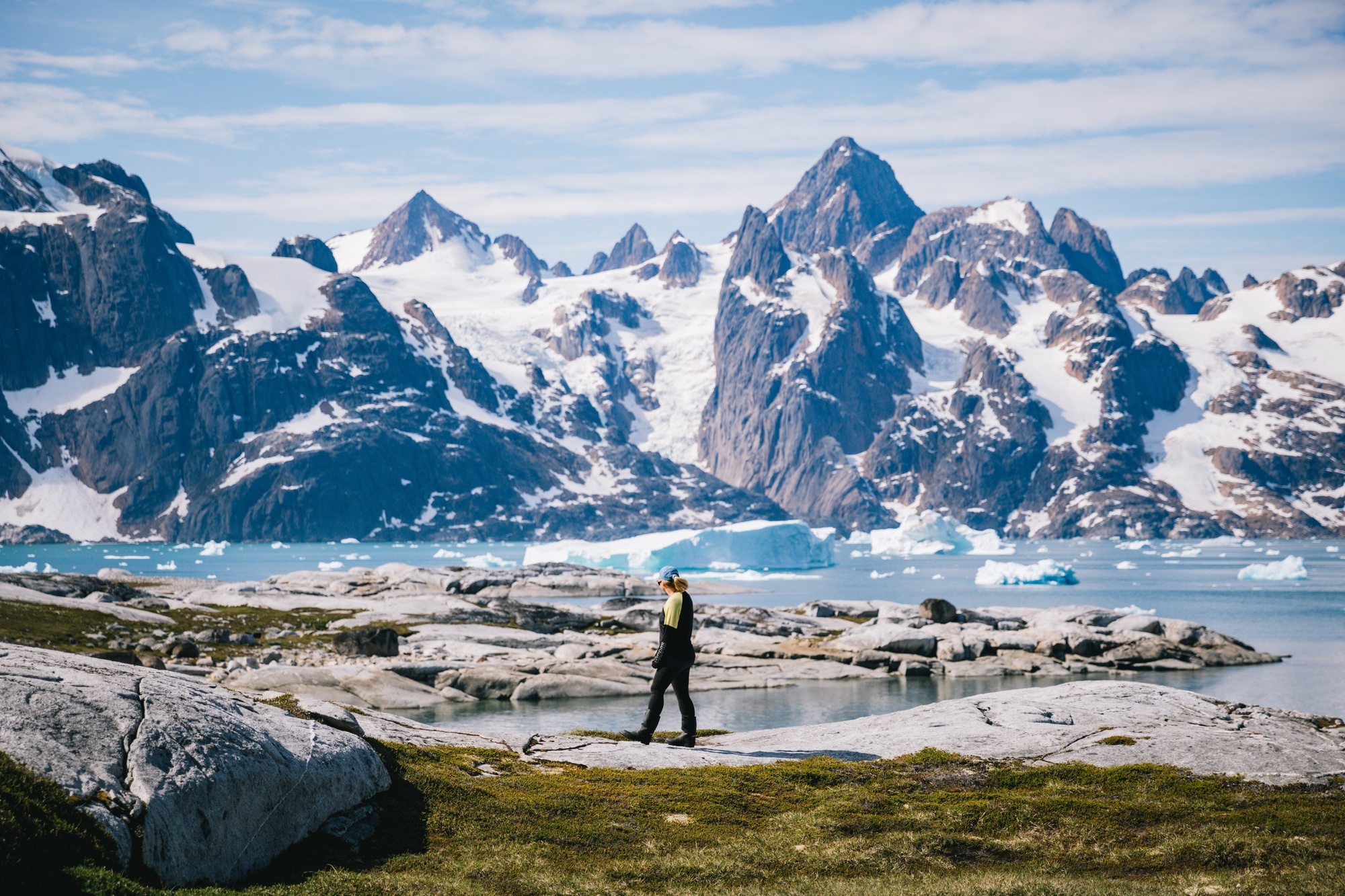
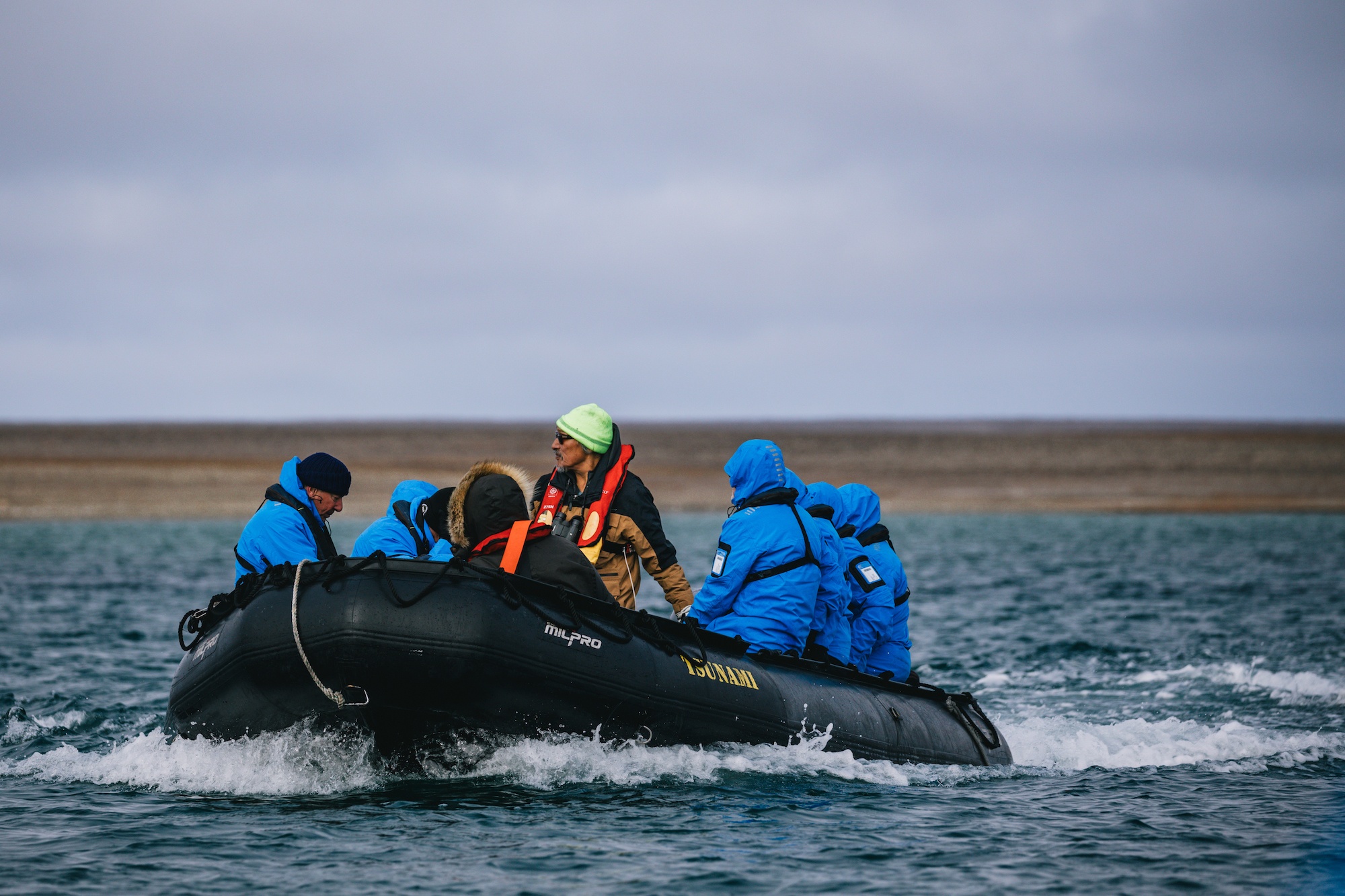
Logistics in these regions are notoriously difficult. Most northern communities lack deep-water ports, necessitating the use of Zodiacs (heavy-duty inflatable boats) to ferry passengers from ship to shore. In winter, transportation shifts almost exclusively to small aircraft, snowmobiles, and dog sleds. The isolation of these areas is a primary draw for modern travelers, but it requires guides who can manage unpredictable weather, wildlife encounters—specifically with polar bears—and complex medical contingencies in remote environments.
The Adventure Canada Model: Family-Owned Operations
A key factor in the success of modern polar expeditions is the operational philosophy of the companies involved. Adventure Canada, a family-owned and operated business since 1987, serves as a case study for the "community-first" approach. Founded by Matthew Swan, his brother Bill, and their friend Dave Wiggins, the company is now managed by the second generation of the Swan family.
This organizational structure fosters a high degree of loyalty among both staff and passengers. Industry data suggests that a significant portion of expedition cruise passengers are "repeaters" who return to the same brand year after year. This loyalty is attributed to the "summer camp" atmosphere described by guides, where the same expedition teams reunite annually to lead trips through Canada’s High Arctic and Greenland. This model contrasts sharply with larger, more corporate cruise lines, prioritizing personal connection and cultural exchange with Inuit and Greenlandic communities.
Supporting Data: The Economic and Environmental Impact
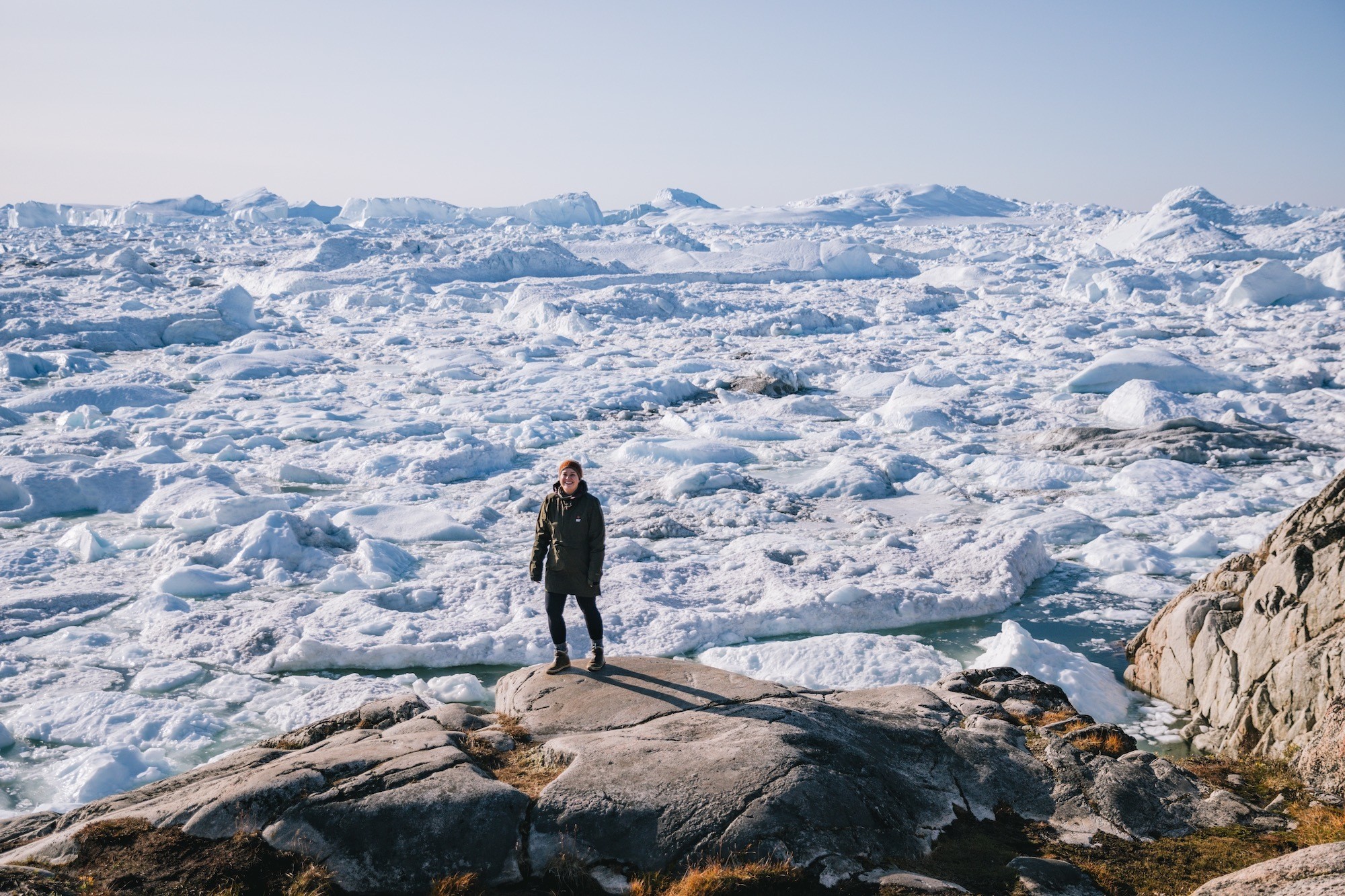
The growth of polar tourism is supported by data from the International Association of Antarctica Tour Operators (IAATO) and AECO. In the 2022-2023 season, Antarctic visitor numbers surpassed 100,000 for the first time. While Arctic data is more fragmented due to the involvement of multiple sovereign nations, Greenland’s tourism statistics show a steady 10% year-over-year increase in cruise passenger arrivals.
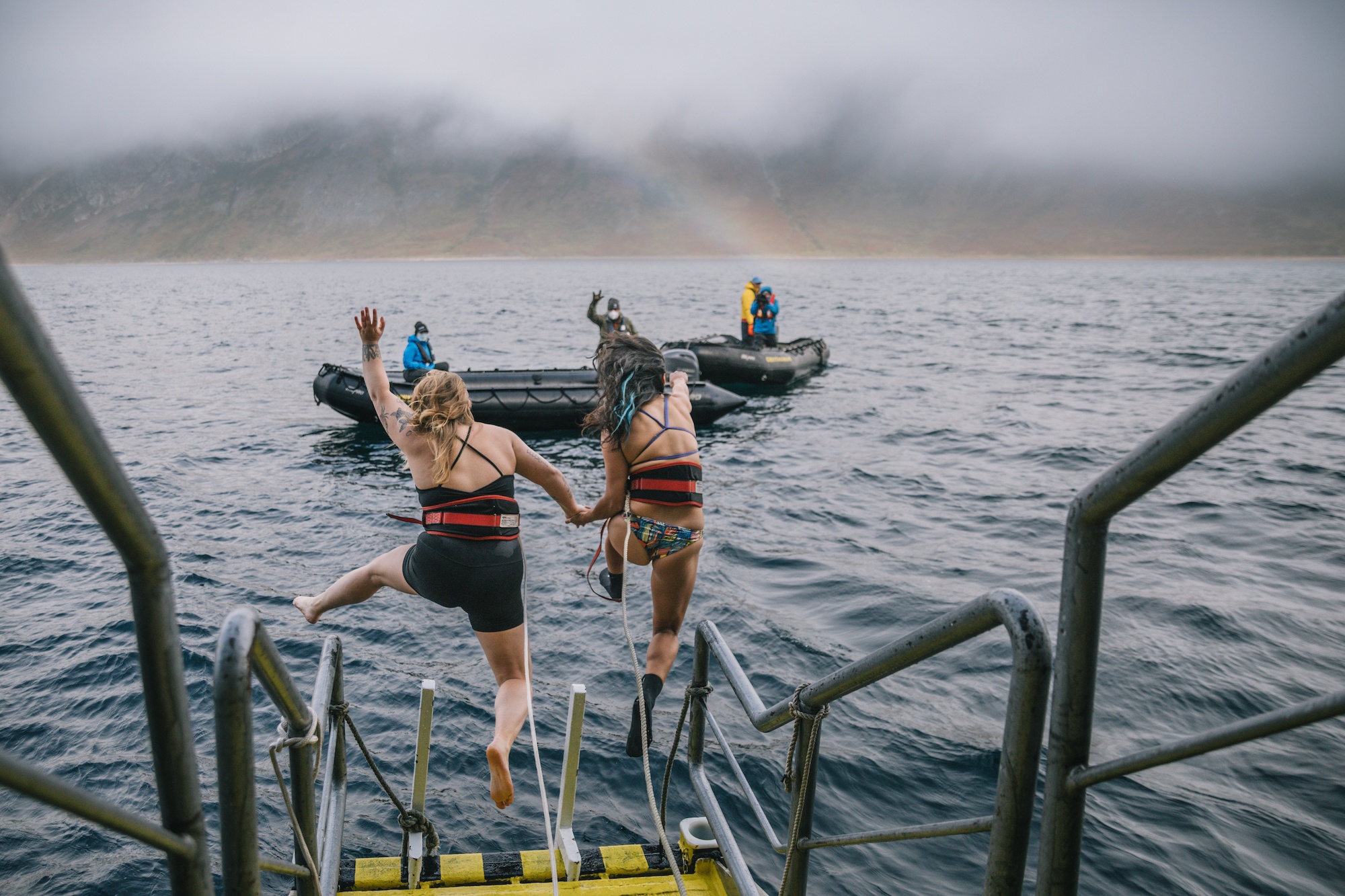
This growth brings both economic opportunities and environmental responsibilities. Expedition companies are increasingly adopting "citizen science" programs, where passengers assist in collecting data on whale migrations, sea ice density, and bird populations. Furthermore, the industry is moving toward stricter regulations regarding heavy fuel oil (HFO) use and waste management to protect the fragile ecosystems they visit.
The shift toward specialized travel consultants—professionals who act as intermediaries between travelers and expedition companies—reflects a need for more nuanced consumer education. These consultants earn commissions through referrals, a model that allows them to provide personalized advice while stepping back from the traditional "influencer" sponsorship model. This transparency is becoming a hallmark of the modern travel professional.
Analysis of Wildlife and Community Engagement
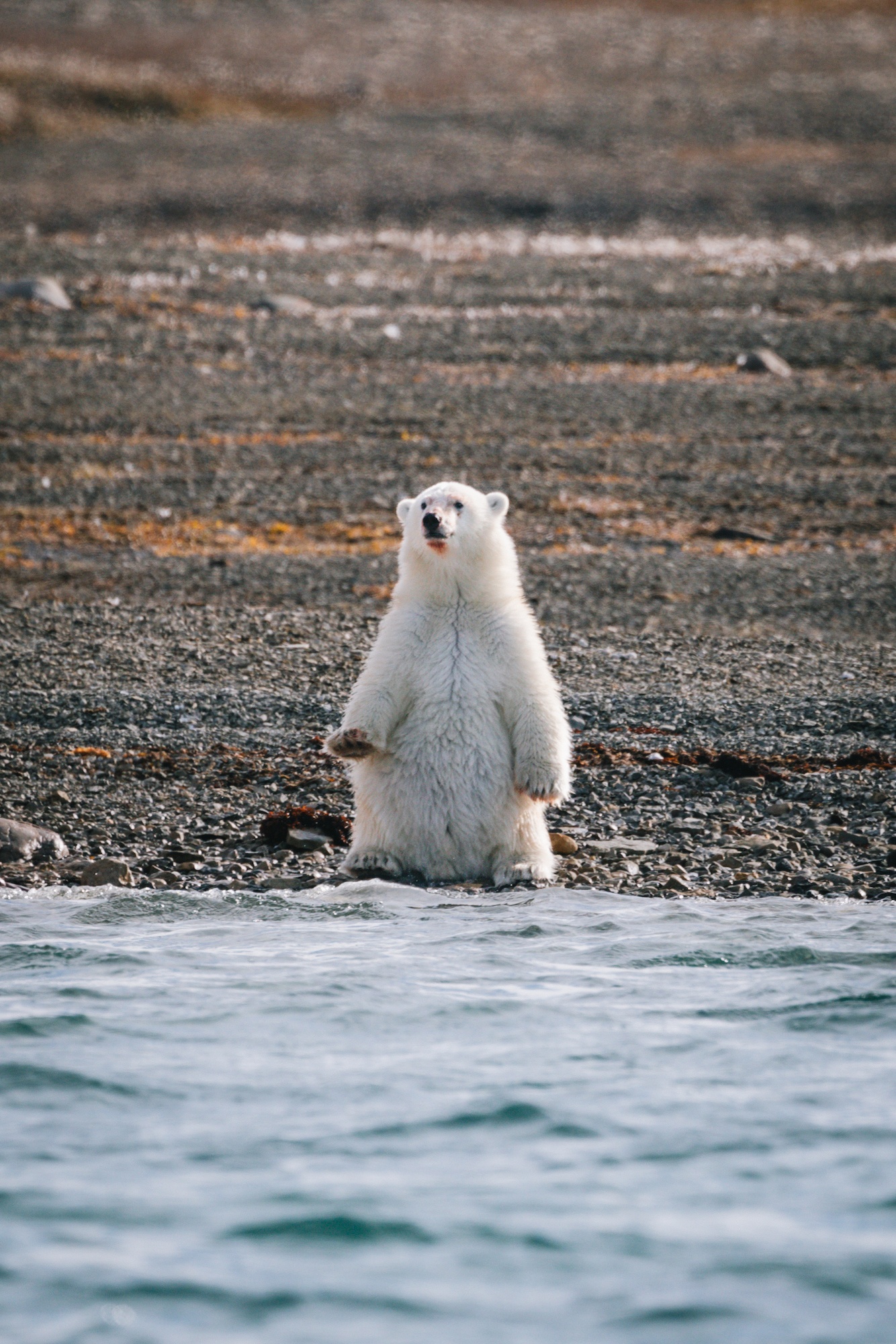
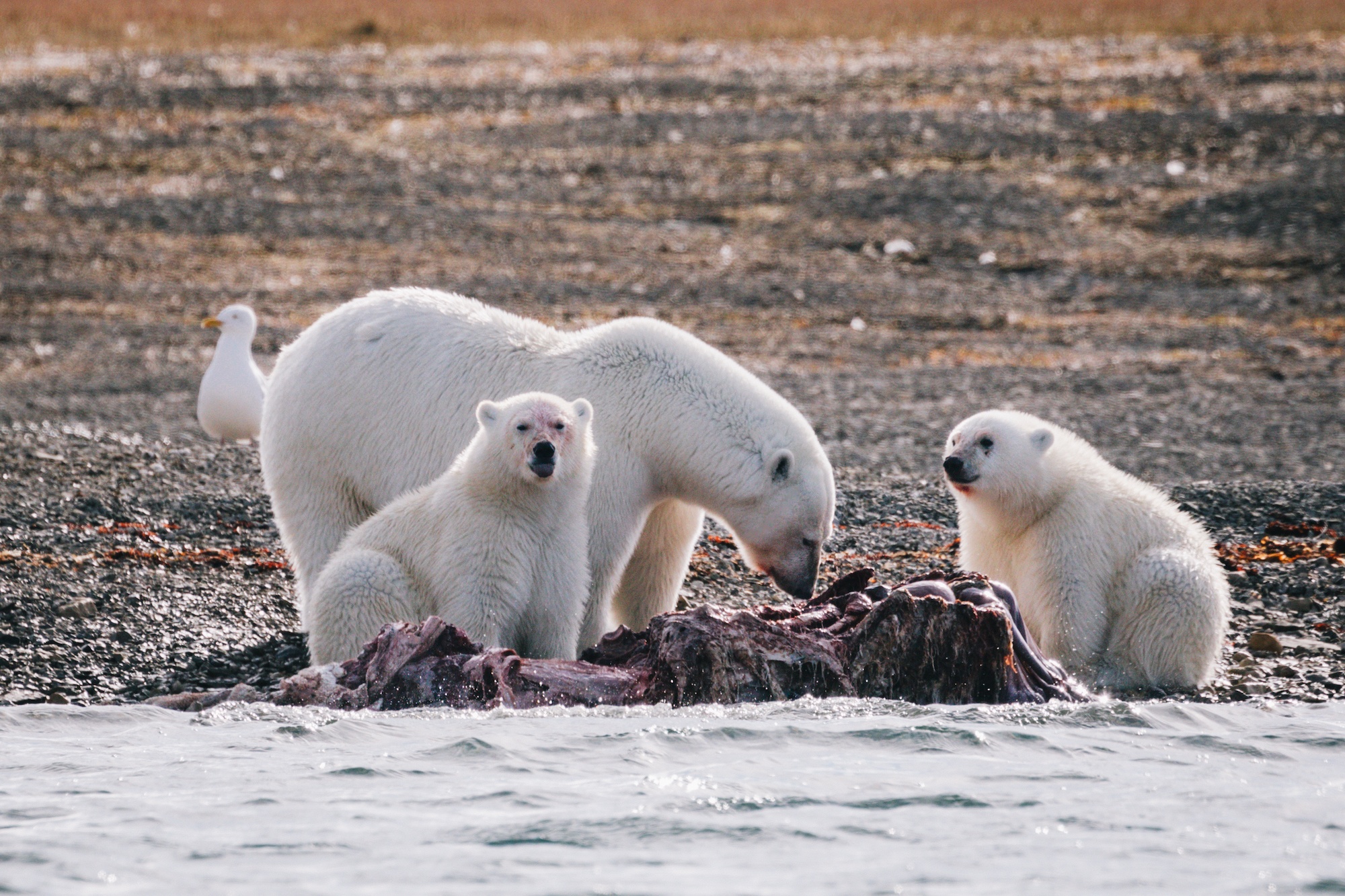
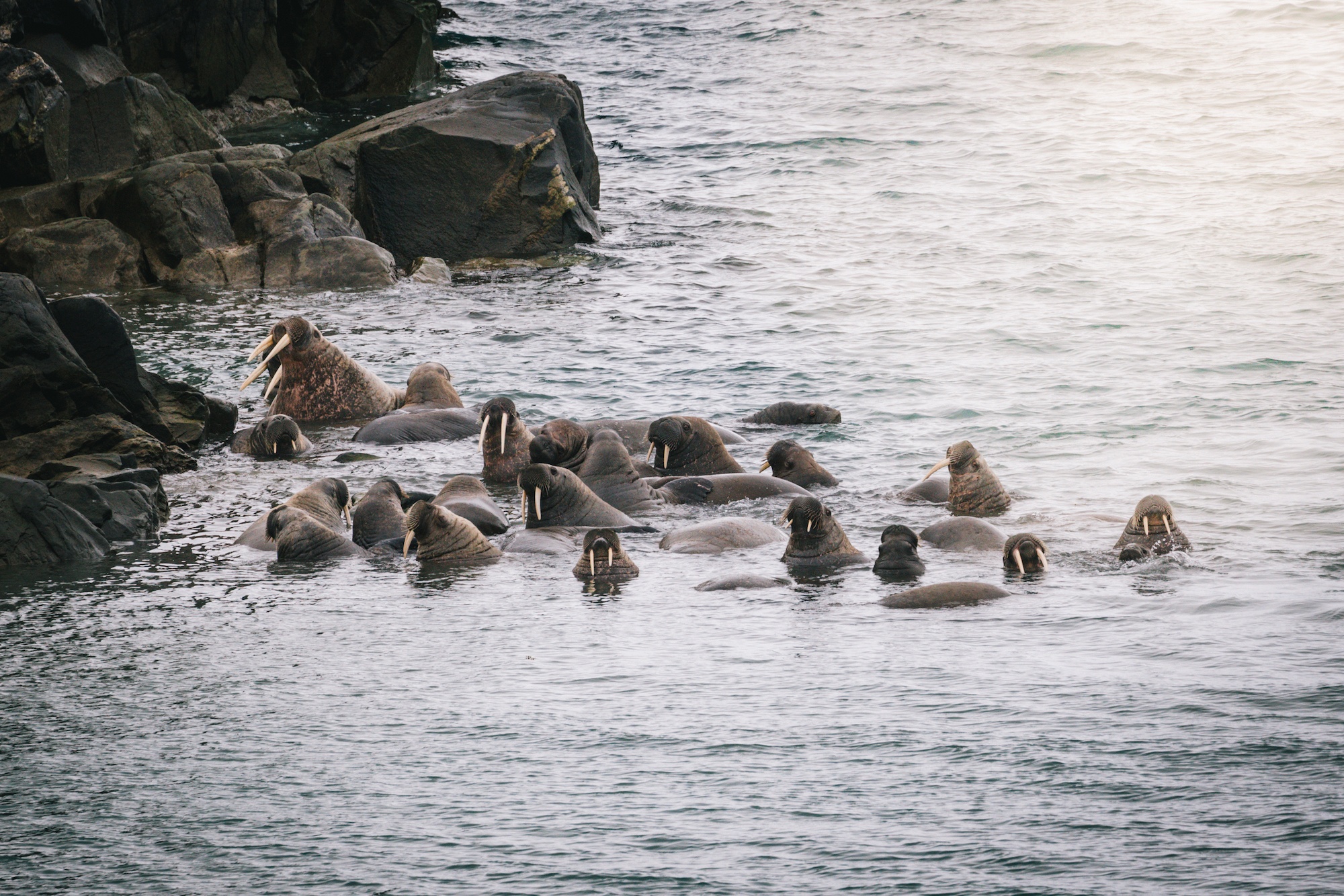
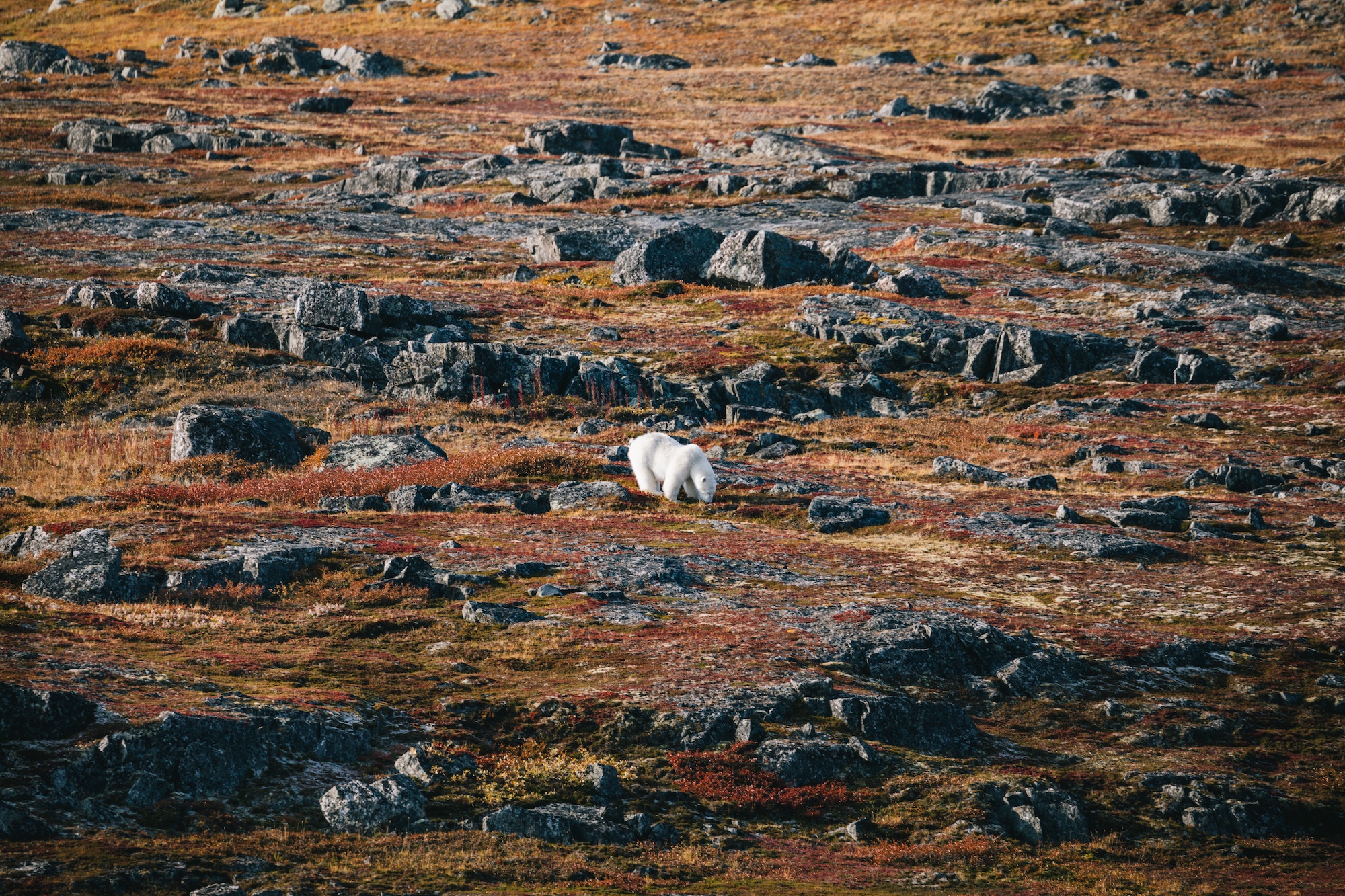
Modern polar expeditions have moved beyond mere sightseeing to focus on two pillars: wildlife conservation and community engagement. Last year alone, guides in the Canadian Arctic reported frequent sightings of polar bear mothers and cubs, often in proximity to natural predation events involving beluga whales. Such encounters are strictly regulated to ensure the safety of both the animals and the visitors.
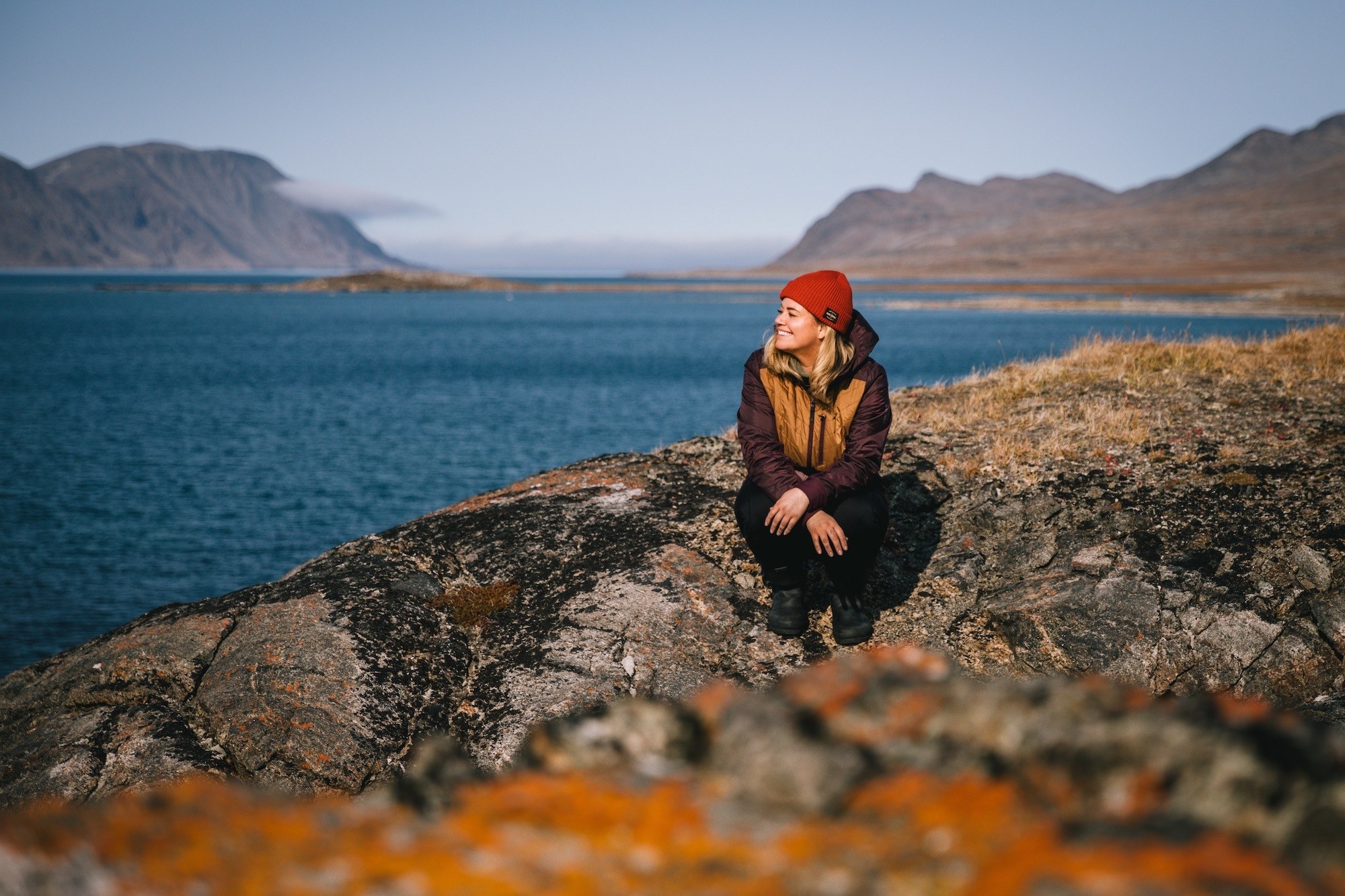
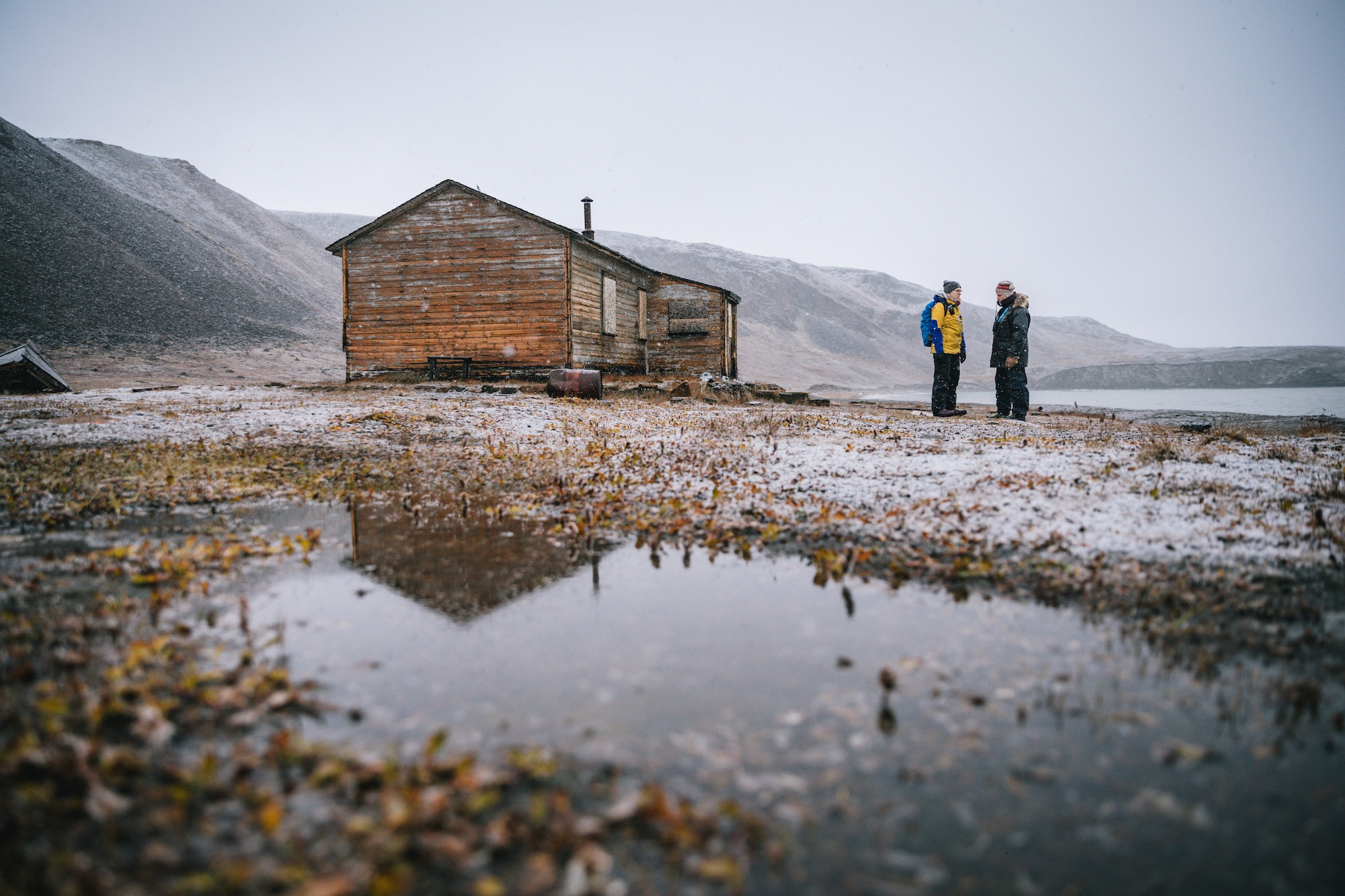
Equally important is the interaction with Northern communities. In places like Beechey Island and the various hamlets across Nunavut, tourism provides a vital economic stream. However, it must be managed with sensitivity to Inuit culture and traditions. The welcome provided by these communities is often cited as a highlight of Arctic travel, offering visitors a perspective on life in one of the world’s most extreme climates.
Broader Implications for the Future of Travel
The transition of digital creators into operational roles suggests that the future of travel marketing lies in expertise rather than just aesthetics. As the polar regions continue to change due to climate shifts, the role of the "expedition guide-as-ambassador" becomes crucial. Visitors who witness the thinning sea ice and the majesty of glaciers firsthand are more likely to become advocates for environmental protection.
Furthermore, the "travel agent" model is seeing a resurgence in the luxury and adventure sectors. High-latitude trips can cost between $10,000 and $50,000 per person, making the expertise of a specialized consultant invaluable. By providing hands-on experience—such as driving Zodiacs around skyscraper-sized icebergs or navigating the historic sites of the Franklin Expedition—these professionals offer a level of assurance that automated booking platforms cannot match.
The move toward guiding and consulting represents a maturation of the travel industry. It acknowledges that the most valuable commodity in modern exploration is not a beautiful photograph, but the deep, lived experience of those who have made the polar regions their second home. As professionals like Liz Carlson and the teams at Adventure Canada continue to bridge the gap between the public and the far north, the Arctic and Antarctic will remain at the forefront of the global conversation on travel, environment, and human resilience.