For centuries, the arid landscapes and rugged terrains of the Arab world have concealed a network of geological wonders that serve as natural sanctuaries for human health and rejuvenation. These geothermal springs, fed by mineral-rich subterranean aquifers, have evolved from ancient communal bathing sites into modern-day wellness tourism destinations. As global interest in holistic health and "slow travel" grows, these thermal sites are increasingly positioned as essential components of the region’s luxury and medical tourism infrastructure. From the limestone-filtered waters of the United Arab Emirates to the historic oasis pools of Egypt, these springs offer more than mere relaxation; they represent a convergence of geological history, traditional medicine, and contemporary infrastructure investment.
A Historical Context of Therapeutic Bathing
The tradition of thermal bathing in the Middle East and North Africa predates modern clinical medicine by millennia. Historically, these springs were the lifeblood of desert civilizations, acting as focal points for social gathering, spiritual cleansing, and physical healing. Ancient Roman, Byzantine, and Islamic architectural remnants found near many of these sites indicate that these waters were highly valued by successive empires. In the pre-modern era, the "hammam" or natural spring was considered a pharmacy for the masses, utilized to treat everything from skin ailments to chronic musculoskeletal inflammation.
In recent decades, there has been a systematic transition in how these sites are managed. Governments across the region, particularly in Jordan, Saudi Arabia, and the UAE, have recognized the economic potential of "wellness tourism," leading to the development of resorts that integrate these natural resources into high-end spa facilities. This shift has balanced the preservation of natural heritage with the requirements of international travelers, ensuring that the therapeutic benefits remain accessible within a comfortable and regulated environment.
Examining the Geological Significance
The formation of these springs is primarily driven by the region’s unique tectonic history. Many of the most prominent springs, such as those in Jordan and the UAE, are situated along geological fault lines or within limestone strata. As rainwater percolates deep into the earth, it is heated by the geothermal gradient before rising back to the surface. During this process, the water leaches minerals—including sulfur, magnesium, calcium, and sodium—from the surrounding rock.
The concentration of these minerals is what defines the "therapeutic value" of the water. For instance, sulfur-rich springs are globally recognized for their anti-inflammatory properties, while magnesium-heavy waters are known to aid in muscle relaxation and the management of chronic pain.
Regional Highlights: A Survey of Top Thermal Destinations
Khatt Hot Springs, United Arab Emirates
Located at the base of the majestic Al Hajar Mountains in Ras Al Khaimah, the Khatt Hot Springs are a testament to the UAE’s commitment to natural tourism. The springs feature three distinct pools with water temperatures consistently reaching 40°C (104°F). The mineral profile here is particularly high in sulfur, which local health practitioners have long recommended for respiratory health and skin conditions. The site has been developed into a modern resort facility, allowing visitors to experience the traditional healing properties of the water within a climate-controlled, luxury environment.
Ma’in Hot Springs, Jordan
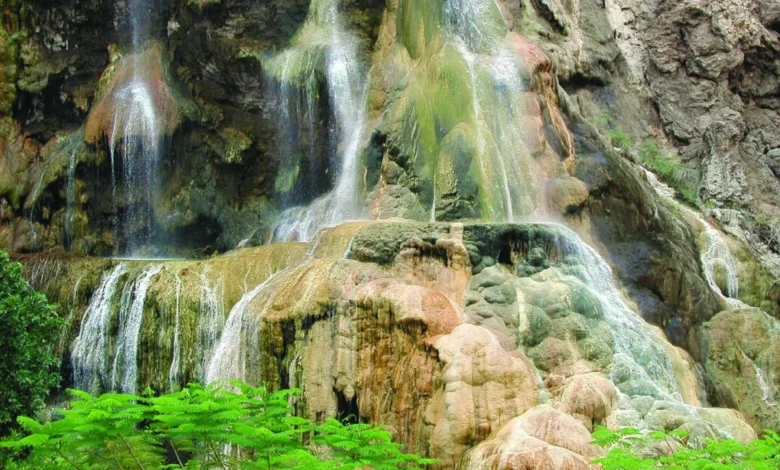
Situated approximately 264 meters below sea level near the Dead Sea, the Ma’in Hot Springs represent one of the most significant geothermal sites in the world. The water originates from winter rainfall in the highland plains, which is heated by underground lava fissures as it cascades down the mountainside. The Ma’in facility serves as a major hub for medical tourism, drawing visitors who seek treatment for chronic circulatory issues and joint pain. The integration of high-pressure thermal waterfalls provides a form of natural hydrotherapy that is difficult to replicate in artificial settings.
Moulay Yacoub, Morocco
Morocco’s thermal heritage is perhaps the most extensive in the region, with over 100 documented springs. The Moulay Yacoub station, located near the cultural capital of Fez, is the country’s most sophisticated thermal center. The water here emerges from a depth of 1,500 meters, carrying a high concentration of sodium and sulfur. It is widely prescribed by local doctors for patients suffering from chronic rheumatism and ENT (Ear, Nose, and Throat) conditions. The recent modernization of the thermal facility has positioned it as a flagship for Mediterranean wellness tourism.
Siwa Oasis, Egypt
The Siwa Oasis, located in Egypt’s Western Desert, offers a glimpse into a lifestyle that has remained largely unchanged for centuries. The Cleopatra Spring is a stone-lined natural pool that remains one of the most photographed and visited sites in the region. Unlike the highly developed resorts of the Levant, the Siwa experience is characterized by its historical authenticity. The water is constantly replenished, providing a pristine, crystal-clear bathing experience that remains a cornerstone of the Siwa identity.
Ad-Dal’a and Al-Jobah, Saudi Arabia
As part of the Saudi Vision 2030, the Kingdom has significantly increased investment in its natural sites. The Ad-Dal’a hot spring in Al-Kharj and the Al-Jobah spring in the Wadi Ad-Dawasir region represent the country’s burgeoning wellness sector. These sites, once known only to local Bedouin communities, are now being integrated into national tourism itineraries, offering a stark, beautiful contrast between the harsh desert environment and the warm, life-giving waters of the springs.
Korbous, Tunisia
Perched on the northern coast of Tunisia, the village of Korbous offers a unique combination of coastal scenery and thermal activity. With springs reaching temperatures as high as 60°C, the location is a prime example of how volcanic geography can influence local tourism. The region is particularly favored by those seeking relief from arthritis, with the high mineral content providing a therapeutic environment that is enhanced by the proximity of the Mediterranean Sea.
Nakhal Hot Springs, Oman
The Ain Al Thawarah spring in Nakhal serves as an essential example of the intersection between heritage and nature. Located in the shadow of the 17th-century Nakhal Fort, the springs are a vital part of the local irrigation system. The water flows through lush palm groves, creating a cooling contrast to the Omani sun. The site is a popular weekend retreat, reflecting the cultural importance of natural water sources in Omani daily life.
Data-Driven Wellness: The Therapeutic Mechanism
The scientific consensus on thermal bathing is robust. A review of balneotherapy (the use of bathing in mineral springs as a medical treatment) suggests that the physiological benefits are threefold:
- Hydrostatic Pressure: The buoyancy of the water reduces the load on joints, providing immediate relief for individuals with arthritis or mobility issues.
- Thermal Effects: The heat promotes vasodilation, which increases blood flow, accelerates the delivery of oxygen to muscles, and aids in the removal of metabolic waste products.
- Chemical Absorption: The skin, as the body’s largest organ, absorbs trace minerals such as sulfur, which can modulate immune responses and reduce skin inflammation.
According to data from the Global Wellness Institute, the Middle East and North Africa region is currently witnessing a 7-9% annual growth rate in wellness tourism spending, significantly outperforming traditional leisure travel sectors. This indicates a shift in consumer behavior where travelers are prioritizing "restorative" experiences over passive sightseeing.
Broader Economic and Environmental Implications
The development of these hot springs is not without challenges. The primary concern for stakeholders is the environmental sustainability of these aquifers. As these sites see increased visitor numbers, the pressure on water resources is significant. Regulatory bodies in Jordan and the UAE have begun implementing water management frameworks to ensure that extraction does not outpace natural recharge rates.
Furthermore, the expansion of these sites has positive ripple effects on local economies. In rural areas like Wadi Ad-Dawasir or the Siwa Oasis, the thermal springs serve as anchor attractions that support a network of local service providers, from guesthouses to artisanal markets. This decentralization of tourism away from capital cities is a core objective of many regional development plans.
Conclusion: The Future of Thermal Wellness
The Arab world’s network of hot springs offers a unique value proposition: the ability to combine ancient, proven healing traditions with the comforts of modern infrastructure. As travelers continue to seek respite from the high-stress environments of modern urban life, these geothermal sanctuaries will likely play an even larger role in the global tourism landscape. By maintaining a focus on environmental stewardship and cultural preservation, the region is well-positioned to remain a global leader in the ancient, yet ever-relevant, practice of thermal healing. Whether one is visiting the historic cascades of Jordan or the remote oasis pools of Egypt, the restorative power of these waters remains a timeless bridge between the past and the present.