Best Places in the Alsace for Christmas Markets 2026 Plus Alsace, France Christmas Itinerary

The Alsace region of northeastern France, situated along the Rhine River and bordering Germany, is preparing for the 2026 holiday season, a period that serves as the cornerstone of the local tourism economy. Characterized by its unique synthesis of French and German cultural traditions, Alsace has solidified its reputation as the preeminent destination for traditional European Christmas markets. As planning for the 2026 season begins, municipal authorities and regional tourism boards have confirmed that the markets will return to their full, historic scale, emphasizing the preservation of artisanal heritage and regional gastronomy.

Historical Context and Regional Significance
The tradition of Christmas markets in Alsace traces its origins to the 16th century, with the Strasbourg market, known as the Christkindelsmärik, dating back to 1570. This event is widely recognized as one of the oldest in Europe. Historically, these markets served as essential winter gathering points for local communities to trade goods and prepare for the Advent season. Today, they function as a vital economic engine for the Grand Est region, attracting millions of international visitors annually.
The significance of these markets extends beyond mere commerce. They act as cultural showcases for Alsatian identity, which was historically shaped by the region’s shifting political status between France and Germany. This dual heritage is reflected in the local architecture—notably the half-timbered houses—and the culinary landscape, which features a distinct blend of French fine dining and Germanic seasonal staples such as lebkuchen and mulled wine.

2026 Seasonal Calendar and Logistical Overview
Municipal governments across the Alsace wine route and major urban centers have established their operating schedules for the 2026 season. Visitors are advised that while many markets operate daily, smaller villages often restrict their operations to weekends to manage visitor flow and maintain the integrity of their historic centers.
| City / Village | 2026 Dates | Operating Schedule |
|---|---|---|
| Strasbourg | Nov 27 – Dec 24 | Daily |
| Colmar | Nov 23 – Dec 29 | Daily |
| Mulhouse | Nov 20 – Dec 27 | Daily (Closed Dec 25) |
| Obernai | Nov 27 – Dec 31 | Daily (Closed Dec 25) |
| Riquewihr | Nov 27 – Dec 20 | Daily |
| Kaysersberg | Nov 27-29, Dec 4-6, 11-13, 18-20 | Weekends Only |
| Eguisheim | Nov 27 – Dec 30 | Daily |
| Ribeauvillé | Dec 5-6, Dec 12-13 | Medieval Weekends |
| Haguenau | Nov 20 – Dec 30 | Daily (Closed Dec 25) |
| Sélestat | Nov 20 – Dec 27 | Daily (Closed Dec 25) |
Regional Profiles and Market Specializations
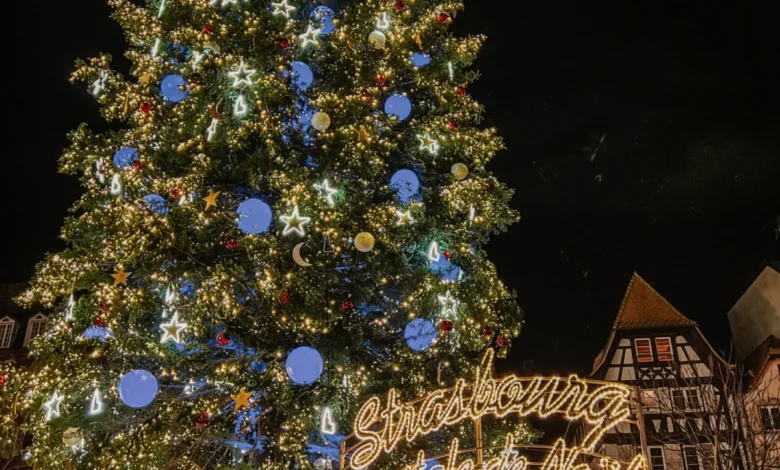
Each Alsatian city offers a distinct thematic approach to the holiday season. Strasbourg, designated the "Capital of Christmas," serves as the primary hub, characterized by its massive, illuminated tree at Place Kléber. The scale of the Strasbourg event requires extensive security and logistical planning, involving collaboration between the Prefecture and local law enforcement to accommodate the influx of visitors.

Colmar, by contrast, focuses on a decentralized experience. By spreading its six distinct markets across the historic center, the city aims to reduce congestion while highlighting its architectural landmarks, such as the Maison Pfister. Local officials often emphasize the importance of these venues in supporting small-scale, local producers, with strict regulations in place to ensure that vendors offer authentic regional crafts rather than mass-produced items.
Mulhouse provides a contemporary counterpoint to the traditional medieval aesthetic found in the smaller villages. The city’s market is notable for its focus on textile heritage, with a custom-designed Christmas fabric produced annually to decorate the city’s historic buildings. This initiative, known as "Etoffe de Noël," underscores the region’s historical importance as a center for the textile industry.

In the southern vineyards, villages like Ribeauvillé and Eguisheim provide a more intimate experience. Ribeauvillé is particularly distinguished by its commitment to historical reenactment. During its two dedicated weekends, the town transforms into a medieval fair, with residents in period-appropriate attire, street performances, and traditional crafts that mirror life in the Middle Ages. Eguisheim, recognized as one of the "Most Beautiful Villages of France," utilizes its circular layout to create a contained, immersive environment that emphasizes the region’s viticultural roots, specifically the production of Crémant d’Alsace.
Economic and Cultural Implications
The economic impact of the Alsace Christmas markets is substantial. Regional reports indicate that the tourism sector in Alsace experiences a peak during December that rivals the summer wine harvest season. The influx of revenue supports local artisans, craftsmen, and hoteliers, who rely on this window to sustain operations through the quieter winter months.

However, the popularity of the region has necessitated a shift toward sustainable tourism management. Regional tourism boards, such as Visit Alsace, have recently implemented initiatives to encourage visitors to utilize public transportation—specifically the TER train network—to navigate between villages. This not only mitigates the environmental impact of increased vehicle traffic but also addresses the severe parking limitations inherent in medieval village centers.
Furthermore, there is a concerted effort by local chambers of commerce to promote "authentic" goods. The certification "Marché de Noël d’Alsace" serves as a benchmark for quality, ensuring that visitors are engaging with products made within the region. This is a strategic response to the homogenization of European markets, aimed at preserving the long-term value of the Alsatian brand.

Strategic Planning for Visitors
For those planning to visit in 2026, experts suggest that the most effective strategy involves establishing a base in a larger hub—such as Strasbourg or Colmar—and utilizing local train lines to visit the smaller, weekend-only markets.
Travelers should also be prepared for fluctuating weather conditions. While the climate in the Rhine valley is generally temperate, temperatures can drop significantly during the evenings, and snowfall is common. Accommodations in the region, particularly in the most sought-after villages like Riquewihr and Kaysersberg, typically reach full capacity months in advance. Consequently, travel industry analysts advise booking lodging by early summer to secure availability.

Conclusion
The Alsace Christmas markets for 2026 are poised to continue their role as a global benchmark for cultural tourism. By balancing the demands of high-volume international tourism with the imperative to maintain historical authenticity, the region remains a vital case study in heritage-based economic development. Whether it is the grand, illuminated cathedral squares of the cities or the quiet, snow-dusted medieval streets of the wine villages, the region offers a multifaceted experience that remains grounded in centuries of history. As the calendar approaches the 2026 season, the continued cooperation between municipal authorities and local communities remains the critical factor in ensuring that these markets preserve their status as an enduring symbol of European tradition.
Related posts: