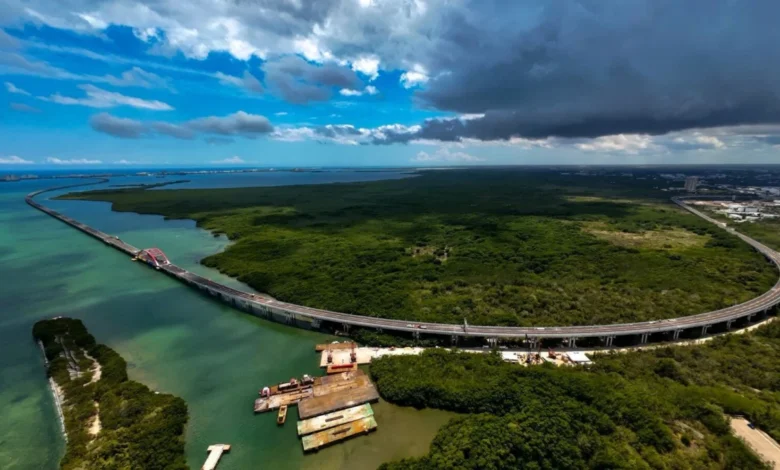
The completion of the Nichupté Bridge marks a pivotal milestone in the infrastructure evolution of the Mexican Caribbean, offering a sophisticated engineering solution to the chronic traffic congestion that has long hampered the transit between downtown Cancún and the renowned Hotel Zone. By creating a direct, elevated corridor over the Nichupté Lagoon, this project effectively bypasses the bottlenecked Kukulcán Boulevard, fundamentally altering the logistics of tourism and local daily life in one of the world’s most visited regions.
The Engineering and Scope of the Infrastructure
The Nichupté Bridge is an ambitious feat of civil engineering, stretching approximately 8.8 kilometers across the delicate ecosystem of the Nichupté Lagoon. The project was conceived not merely as a convenience for tourists but as a critical necessity for a city that has seen its population and visitor numbers surge significantly over the last two decades. Before the bridge’s construction, travelers and workers relied almost exclusively on a single access road to reach the narrow barrier island that houses the majority of the region’s luxury resorts. During peak tourism seasons, this bottleneck resulted in transit times exceeding two hours for a journey that, under normal conditions, should take less than thirty minutes.
The design of the bridge incorporates advanced environmental safeguards, specifically engineered to minimize the footprint on the protected mangrove areas and the lagoon’s biodiversity. By utilizing elevated pilings and specialized construction techniques, the project developers sought to balance the urgent need for economic infrastructure with the imperative of environmental stewardship.
A Chronology of the Project
The conceptualization of the Nichupté Bridge dates back several years, as regional planners identified the "mobility deficit" as the primary threat to the continued growth of the Quintana Roo tourism sector.
- Early 2020s: Preliminary studies were conducted to assess the viability of a vehicular bridge crossing the lagoon, focusing on both traffic flow optimization and environmental impact assessments.
- 2023: Official project approval was granted, following rigorous reviews by federal and state environmental agencies. Construction began in earnest, characterized by complex logistics involving water-based transport of heavy materials.
- 2024–2025: Construction phases proceeded, with the project becoming a central talking point in regional development summits. The bridge faced scrutiny regarding its construction timeline, yet it remained a priority for state officials.
- May 2026: The bridge was officially inaugurated and highlighted as a flagship success during the EDGE 2026 conference in San Diego, signaling a new era of logistical efficiency for the region.
Data and Economic Implications
The economic weight of this project cannot be overstated. According to regional tourism data, the Mexican Caribbean accounts for a substantial portion of Mexico’s international tourism revenue. The "hidden cost" of congestion has historically been measured not only in lost hours for vacationers but in the operational costs of logistics, supply chains, and employee commute times.
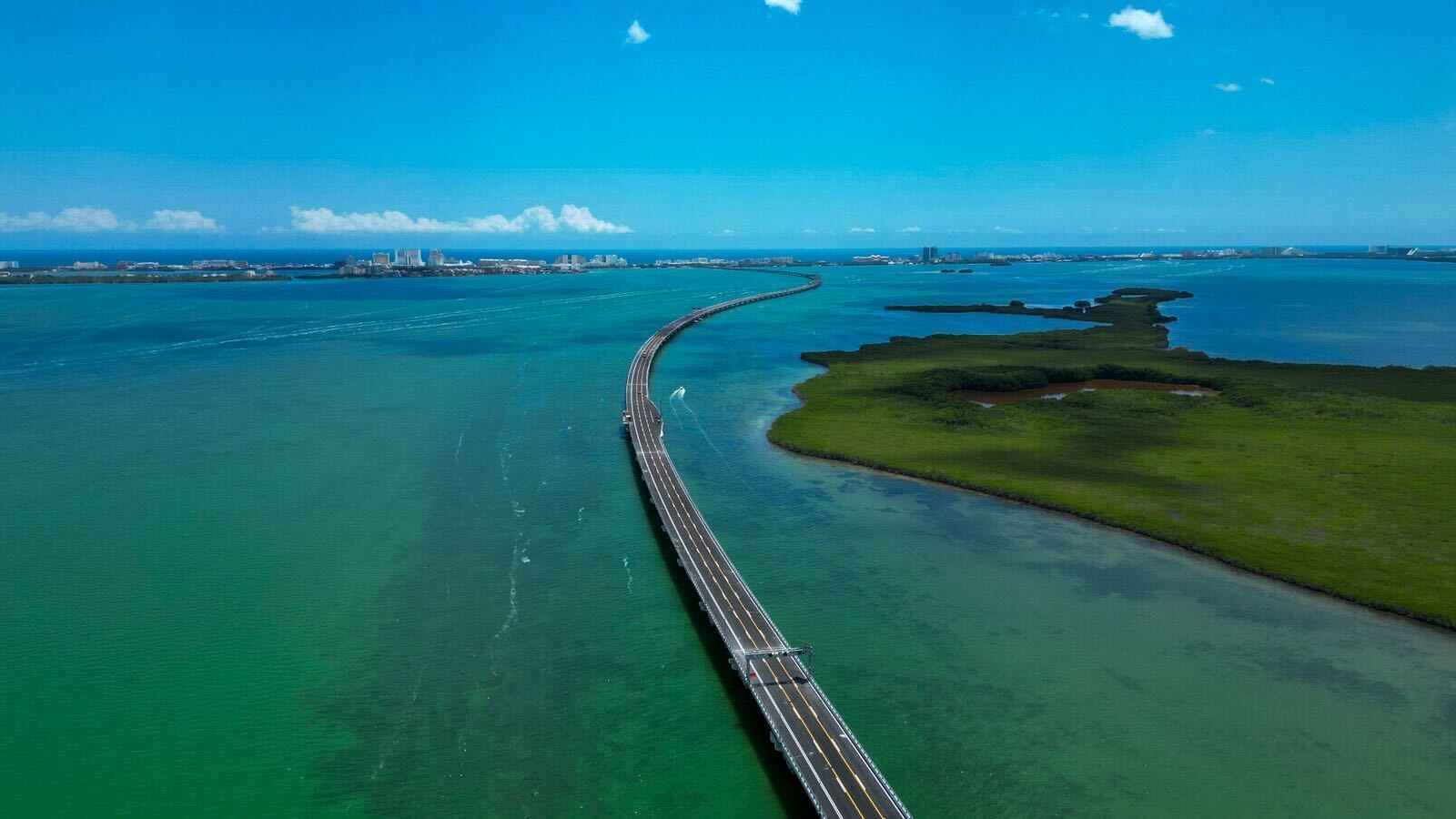
Industry analysts estimate that the reduction in travel time could improve the productivity of service workers—many of whom commute from mainland residential areas to the resort strip—by upwards of 15% annually. For the hospitality sector, the bridge facilitates better access for guests to explore downtown Cancún, effectively diversifying the tourism economy by encouraging spending in local restaurants, cultural centers, and retail districts outside the resort gates.
Official Responses and Strategic Vision
During the EDGE 2026 summit, the announcement that the 2027 edition of the event would be held in the Cancún–Riviera Maya region served to underscore the confidence that international stakeholders have in the area’s infrastructure. Andrés Martínez Reynoso, CEO of the Mexican Caribbean Tourism Board, articulated that the bridge is more than a road; it is a "transformational project" that aligns with the strategic goal of elevating the standard of the "traveler experience."
"The modern traveler is increasingly sensitive to the friction of travel," notes a policy analysis report from the tourism board. "The expectation is no longer limited to the amenities found within a property; it extends to the ease with which one can navigate the destination. By removing the stress of the airport-to-resort commute, we are fundamentally increasing the quality of the destination’s brand."
Broader Impact on the Mexican Caribbean
The Nichupté Bridge is the first of several planned upgrades intended to modernize the transit network throughout the Riviera Maya. As the popularity of destinations like Playa del Carmen and Tulum continues to rise, the regional government is pivoting toward a "connectivity-first" strategy. This approach recognizes that the growth of the Mexican Caribbean has reached a stage where individual resort development must be supported by massive, state-led infrastructure projects.
This shift represents a transition from a passive growth model—where infrastructure reacts to demand—to a proactive model, where infrastructure is designed to anticipate and shape future demand. The success of the Nichupté Bridge is expected to serve as a case study for future projects, including the expansion of transport links between Tulum and surrounding archaeological sites, which are similarly prone to traffic density issues.
Addressing the "Logistics of Luxury"
Travelers often perceive the "luxury experience" as an abstract concept—the quality of a pillow, the speed of check-in, or the view from a balcony. However, the contemporary understanding of luxury has expanded to include the "logistics of comfort." For the high-net-worth traveler, the ability to move seamlessly from an international flight to a fine-dining experience in the city center is a key value proposition.
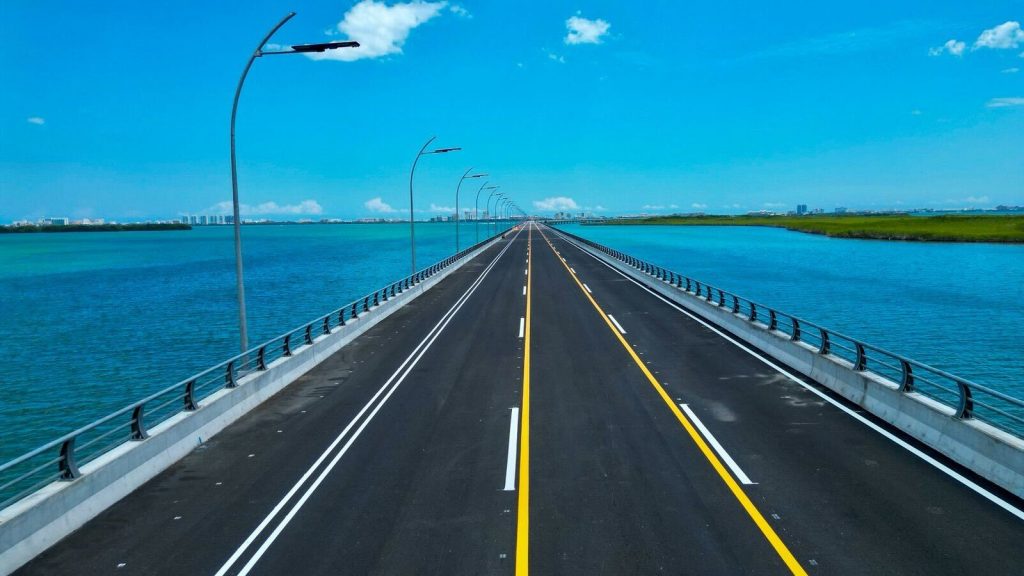
The Nichupté Bridge effectively removes the "commute anxiety" that has historically plagued the arrival experience in Cancún. By providing an alternative route, the bridge disperses traffic, reducing the frequency of road accidents and the carbon footprint associated with idling vehicles. This focus on the "rhythm of travel" suggests that regional authorities are prioritizing long-term sustainability over short-term revenue, as the long-term viability of the Mexican Caribbean depends on its ability to offer a stress-free environment.
Future Outlook
As the region looks toward 2027 and beyond, the focus will likely shift from building new connections to integrating intelligent traffic management systems (ITS) onto these new arteries. The bridge is expected to be outfitted with real-time sensors that monitor traffic flow, ensuring that the infrastructure remains optimized even as tourism volume continues to fluctuate.
The integration of this bridge into the wider transportation network also signals a potential shift in urban planning for the city of Cancún itself. With a more fluid connection between the mainland and the hotel zone, there is potential for a more integrated metropolitan area where the distinction between "tourist space" and "resident space" becomes more porous, fostering a more authentic and sustainable cultural exchange.
In conclusion, the Nichupté Bridge stands as a testament to the maturation of the Mexican Caribbean as a global travel hub. By addressing the fundamental logistics of movement, the region is not only improving the immediate experience of the traveler but is also laying the groundwork for a more resilient, efficient, and accessible future for one of the world’s most significant tourism corridors. The bridge is not just a link between two points; it is a vital artery for the region’s continued economic health and a clear signal of its commitment to meeting the evolving demands of 21st-century global tourism.