The Dyson CameraJet Toothbrush Has Become An Unlikely Tool For Experimental Street Photography

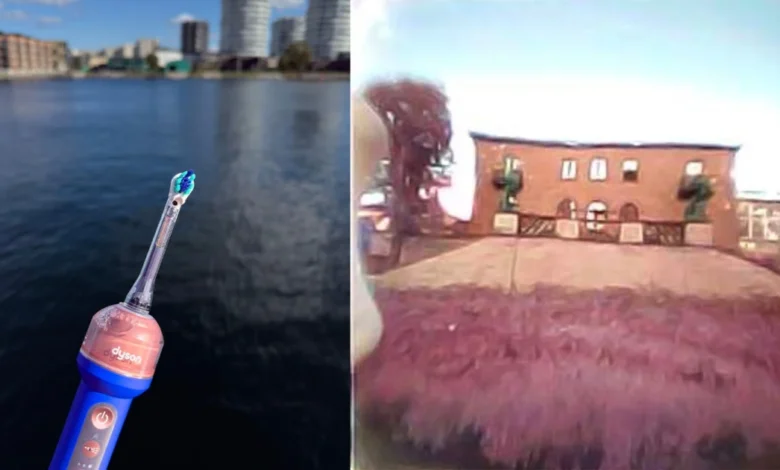
The recent release of the $499 Dyson CameraJet electric toothbrush has ignited a peculiar debate within the photography community, centering on the boundaries of artistic expression and the technological convergence of everyday consumer electronics. While Dyson positioned the device as a high-tech hygiene tool designed for oral health monitoring, one Instagram-based creator, known as "all gear no skill," has repurposed the device’s integrated endoscopic camera to capture a series of surrealist street photographs, challenging established norms of the medium.
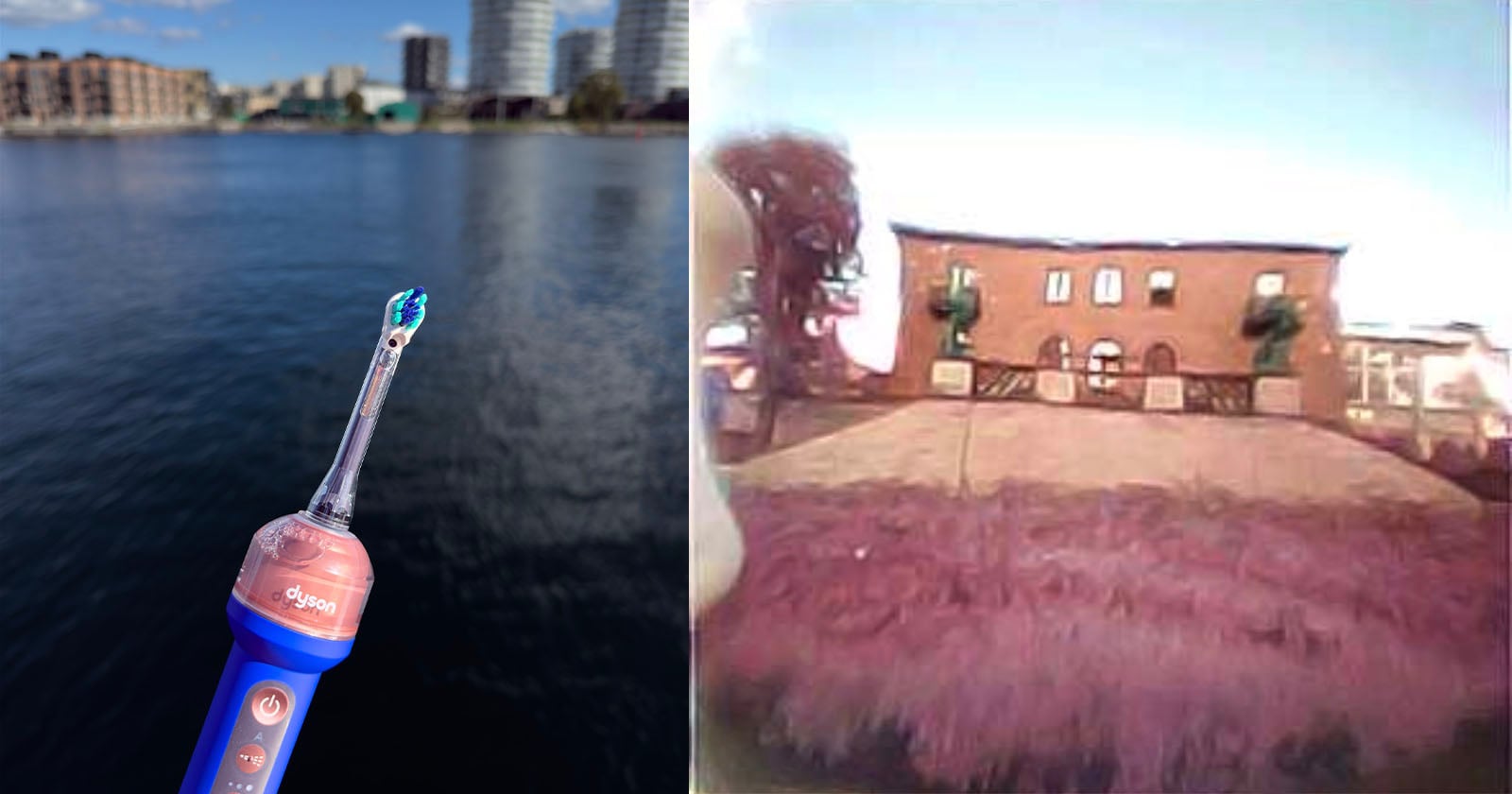
The device, which hit the market in early September 2026, features a specialized macro camera intended for live-feed oral inspection. However, the decision to utilize this industrial-grade sensor for artistic street photography has drawn both critical acclaim for its aesthetic output and institutional rejection from online photography communities.
The Technological Evolution of Household Surveillance
The Dyson CameraJet is part of a broader, ongoing trend of "omnipresent imaging," where manufacturers are increasingly embedding cameras into non-optical devices. From smart refrigerators to advanced dental care systems, the proliferation of low-cost, high-performance CMOS sensors has allowed for unprecedented integration.
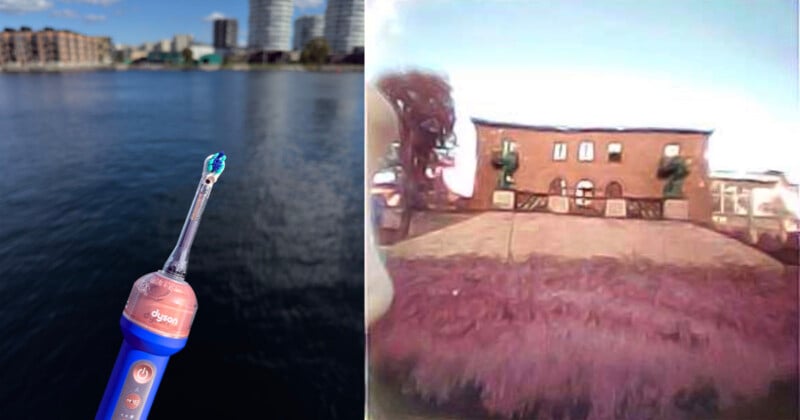
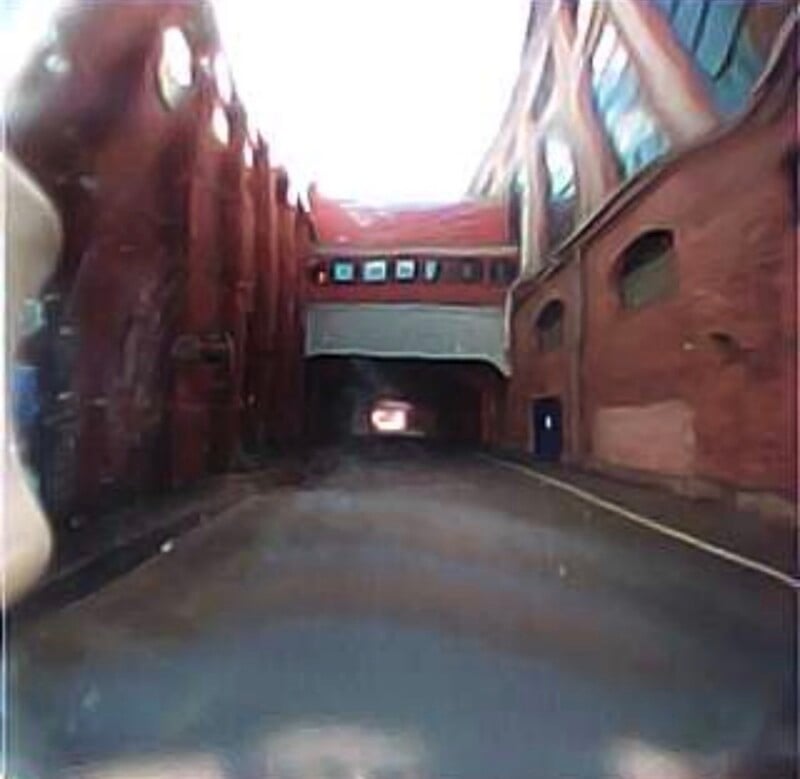
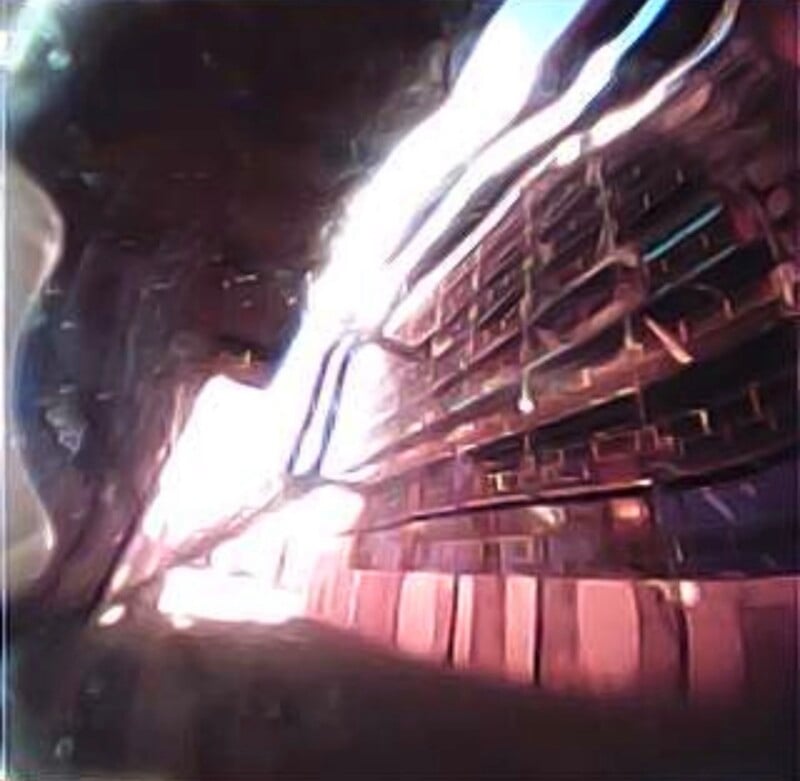
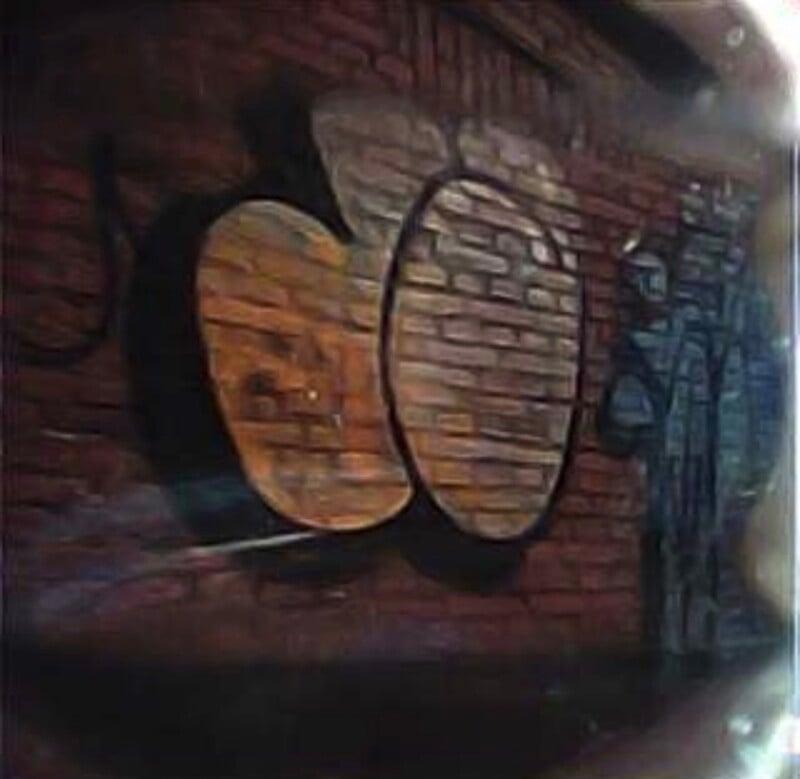
In the case of the CameraJet, the camera operates as an endoscope, utilizing a fixed-focus, wide-angle lens designed for extreme close-up clarity within the oral cavity. When taken into an outdoor environment, the device undergoes a significant optical transformation. The fixed focal length, combined with the lack of sophisticated image processing software typically found in dedicated cameras, results in heavy fisheye distortion, chromatic aberration, and a unique spectral response that mimics infrared imagery.
Chronology of the Project
The street photography project began shortly after the product’s September 1 launch. The creator, who has previously gained notoriety for unconventional photography projects—including colorizing images from a Leica M10 Monochrom and using Phase One medium-format scanners to digitize thermal prints—approached the Dyson device as a satirical commentary on the "dentists with Leicas" trope.
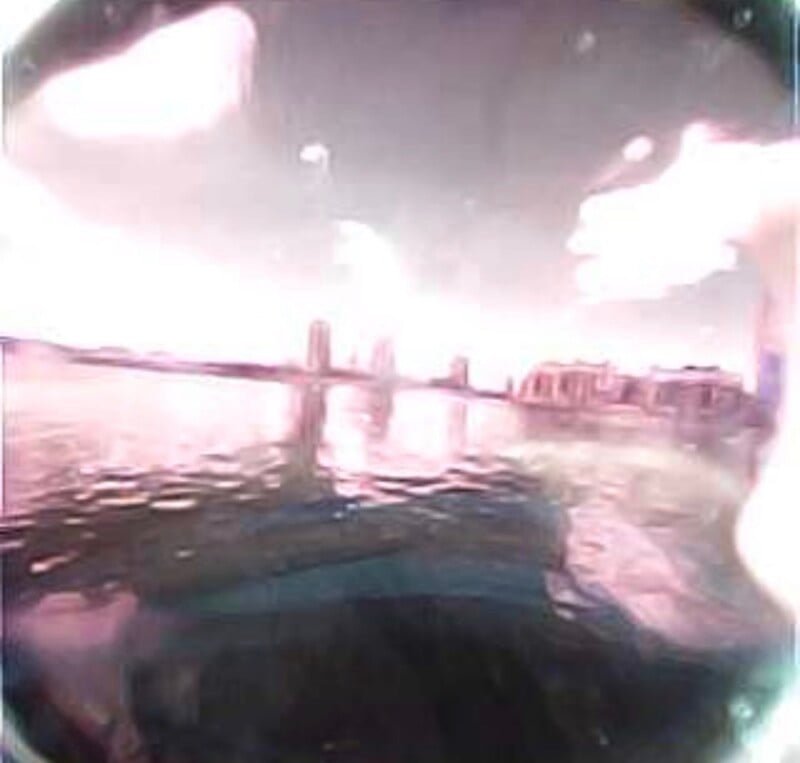
Over a span of two weeks, the creator traversed various urban environments, capturing architectural details, street life, and abstract textures. Because the Dyson CameraJet does not possess an onboard storage system or a dedicated "shutter" button for still photography, the workflow required a live, tethered connection to a smartphone app. Each photograph presented in the collection is, effectively, a high-resolution screenshot of the real-time, low-latency video feed transmitted from the toothbrush to the handset.
Performance Analysis: Beyond Oral Hygiene
Technical analysis of the images produced by the CameraJet reveals significant hardware limitations that dictate its artistic output. The sensor is optimized for high-intensity, localized lighting, which creates a stark contrast when applied to ambient outdoor environments.
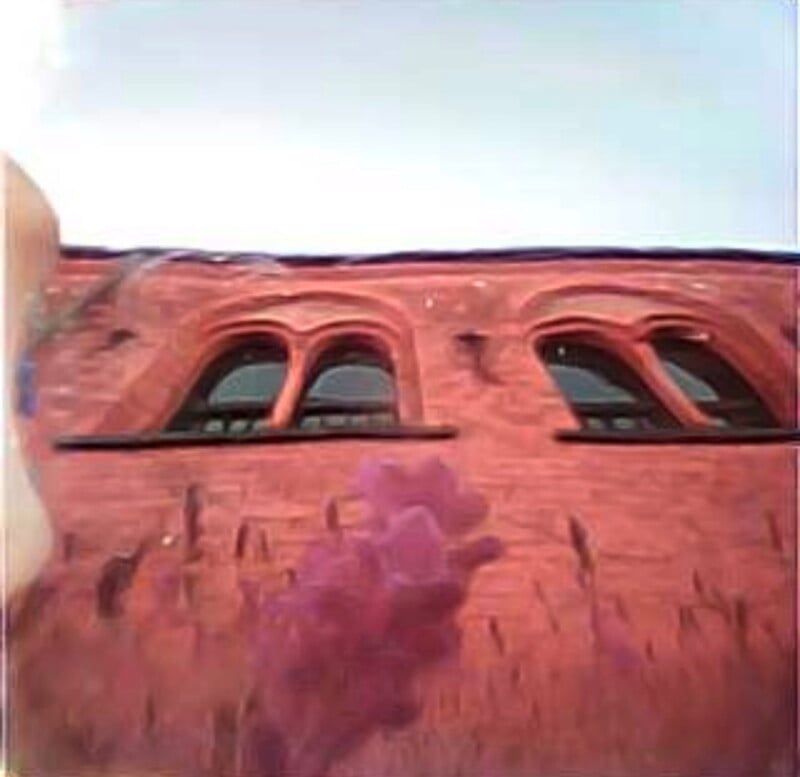
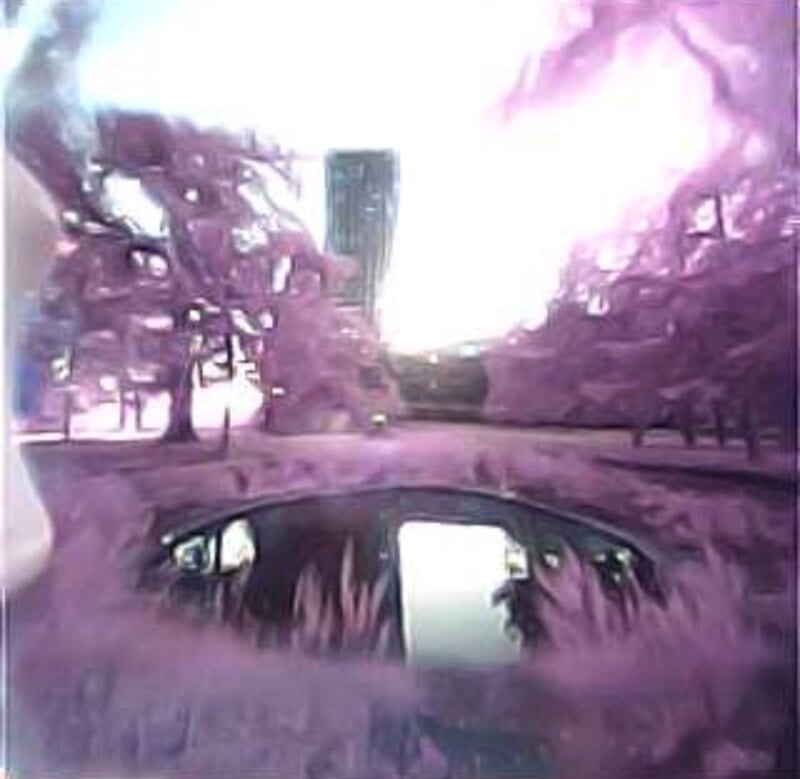
The device demonstrates extreme difficulty in managing high-dynamic-range (HDR) scenes. In direct sunlight, the highlights bloom into overexposed, ethereal whites, while shadows collapse into deep, muddy tones. The resulting aesthetic—often described as "straight out weird"—is characterized by a color science that appears to struggle with daylight white balance, often shifting towards artificial, violet, and green hues.
Despite these technical "failures," the creator notes that the user experience is surprisingly refined. The companion application, intended to guide users through the process of brushing, maintains a remarkably stable, low-latency feed, which the photographer noted "delivers a better experience than some professional camera manufacturer apps." This irony highlights the widening gap between the software stability of consumer tech giants and traditional imaging companies.
The Conflict: Defining the Boundaries of Street Photography
The project reached a point of institutional friction when the creator shared the results on the Reddit community r/streetphoto. The post was removed by moderators, citing a violation of the sub-forum’s core mandate: that submissions must be "street photography."
The removal sparked a debate regarding the ontology of a photograph. The moderator response, which asserted that the images were "not street photography," reflects a rigid adherence to traditional standards—often favoring high-resolution, sharp, candid human subjects captured with dedicated optical systems. By contrast, the creator argued that the act of walking the streets with a camera and capturing spontaneous moments defines the genre, regardless of the hardware utilized.
This incident echoes a long-standing tension in the art world regarding the "democratization of tools." As technology evolves, the historical reliance on specialized, expensive equipment as a barrier to entry is being dismantled. When an object as mundane as a toothbrush can produce imagery that mirrors the aesthetic of early 2020s generative AI or experimental lomography, the definition of what constitutes a "serious" photographic tool is inevitably forced to evolve.
Broader Implications and Industry Impact
The Dyson CameraJet phenomenon serves as a case study for the convergence of IoT (Internet of Things) and creative production. With the rise of AI-assisted image processing and the normalization of non-traditional capture devices, the industry is entering an era where hardware provenance is becoming less relevant than the conceptual framework of the creator.
Industry experts suggest that this trend of repurposing sensors may lead to a shift in how manufacturers view "feature creep." If consumers are willing to use $499 hygiene devices for artistic purposes, camera manufacturers may be forced to reconsider their own mobile software strategies. Currently, the "CameraJet experiment" has not prompted a response from Dyson regarding the non-intended use of their hardware, nor has it caused any known security vulnerabilities, as the device relies on a closed-loop connection that does not store data on the cloud.
However, the implications for privacy and surveillance remain a point of concern for privacy advocates. The fact that an endoscopic camera, which is technically capable of broadcasting a high-quality, real-time feed, is now available in mass-market retail for under $500, highlights the potential for misuse in unauthorized recording scenarios. While the current model requires a physical connection and app engagement, the normalization of such hardware in the public sphere suggests that the "expectation of privacy" in public spaces may need to be legally and socially recalibrated.
Conclusion: Art in the Age of Utility
The Dyson CameraJet project is, at its core, a testament to human creativity’s ability to subvert the intended purpose of technology. By stripping the device of its "cleanliness" mandate and thrusting it into the chaotic, unrefined environment of the street, the photographer has exposed the inherent beauty in the device’s technical flaws.
Whether these images are classified as "true" street photography or merely a passing internet novelty, the discourse generated by this experiment proves that the medium is in a state of flux. As we move further into the decade, the lines between medical, household, and professional imaging tools will continue to blur, leaving the definition of "the photographer" as a title that is increasingly earned through intent rather than the gear contained in one’s bag. For now, the "all gear no skill" project remains a poignant, albeit strange, reminder that the most interesting camera is often the one that was never meant to take a picture at all.