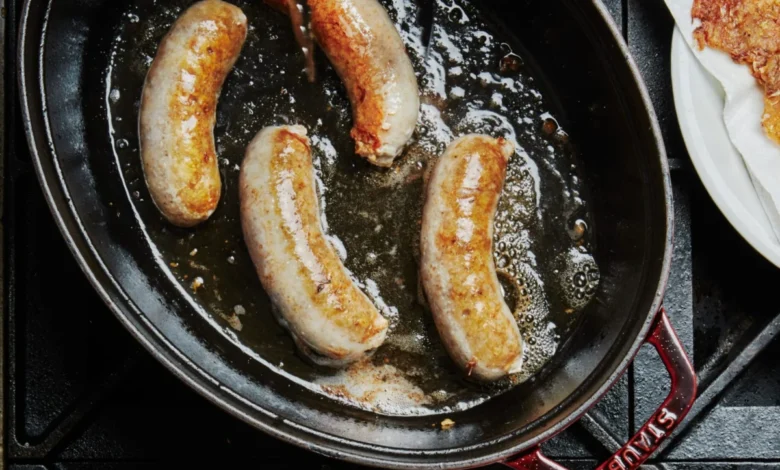
Whether you’re searing bratwurst in a skillet, grilling kielbasa, or roasting hot Italian sausage links for an easy sheet-pan dinner, the ultimate goal remains consistent: achieving a deeply browned exterior, a succulent center, and an absence of dryness. The optimal method for cooking sausage is a nuanced decision influenced by factors such as available time, location, and individual preferences. However, mastering a few fundamental techniques will invariably lead to perfectly cooked sausage every time. Across our most cherished sausage recipes, a common thread emerges: the sausages are cooked evenly before their casings have an opportunity to burn or rupture. This principle is applied differently across various cooking methods. On the stovetop, it involves a brief simmer prior to searing. On the grill, it necessitates the strategic use of both direct and indirect heat. In the oven, a steady, ambient temperature cooks the sausage thoroughly while allowing the exterior to gradually brown to perfection.
Understanding Sausage Types: Fresh vs. Fully-Cooked
A crucial distinction in sausage preparation lies in understanding whether you are working with fresh or fully-cooked varieties.
Fresh Sausage: This type of sausage is sold raw and requires thorough cooking to meet minimum internal temperature guidelines before consumption. For pork, beef, and lamb sausages, this threshold is 160°F (71°C). For poultry sausages, the recommended minimum internal temperature is 165°F (74°C), as stipulated by the U.S. Department of Agriculture (USDA) Food Safety and Inspection Service. Consuming undercooked fresh sausage poses a significant risk of foodborne illness.
Fully-Cooked Sausages: This category includes a wide array of products such as hot dogs, kielbasa, and many pre-packaged bratwursts that have undergone cooking during their manufacturing process. Their pre-cooked status makes them an exceptionally convenient option for quick weeknight meals. The primary objective when preparing fully-cooked sausages is to heat them through to a desirable serving temperature and achieve a pleasant browning on the exterior. Typically, a few minutes of searing in a skillet or grilling are sufficient to warm them to the center and crisp up the surface.
Identifying Sausage Type: To determine which type of sausage you have purchased, carefully examine the packaging. Fresh sausages will often be labeled with terms like "raw" or "must be cooked." Conversely, fully-cooked sausages will typically bear labels indicating "fully cooked" or "ready to eat." In instances of uncertainty, it is always advisable to adhere to the manufacturer’s specific cooking instructions provided on the packaging.
The Art of Stovetop Sausage Preparation: Simmer and Sear
For fresh sausages, the "simmer then sear" method stands out as one of the most reliable techniques for achieving consistently excellent results. While not strictly mandatory, the initial simmering phase plays a pivotal role in ensuring the meat cooks evenly without becoming dry or causing the casing to split prematurely.
The Simmering Stage:

- Cold Water Immersion: Begin by placing the fresh sausages in a large skillet or saucepan. Add enough cold water to completely submerge the sausages.
- Gentle Heating: Position the pan over medium-high heat and bring the water to a gentle simmer. It is crucial to avoid a vigorous, rolling boil, as this can agitate the sausages too aggressively.
- Simmer Time: Once the water reaches a simmer, which typically takes between 6 to 8 minutes, remove the pan from the heat.
- Transfer: Carefully transfer the simmered sausages to a plate.
At this juncture, the sausages should be fully cooked internally but will likely appear pale. An instant-read thermometer should register the USDA-recommended internal temperatures: 160°F (71°C) for pork, beef, or lamb, and 165°F (74°C) for poultry. A slightly lower reading is acceptable if you intend to proceed directly to the searing step, as the internal temperature will continue to rise during the browning process.
The Searing Stage:
- Oil Preparation: Coat the bottom of a clean skillet with a neutral cooking oil, such as vegetable or safflower oil.
- High Heat: Place the skillet over high heat. Allow the oil to heat until it shimmers and faint wisps of smoke begin to appear. This indicates the oil is sufficiently hot for searing.
- Searing the Sausages: Using tongs, carefully lay the simmered sausages into the hot skillet, positioning them away from you to minimize the risk of hot oil splattering.
- Browning and Crispness: Cook the sausages, turning them occasionally with the tongs, until their casings achieve a deep brown color and a satisfying crispness. Given that the sausages are already cooked through from the simmering stage, this browning process typically takes only a few minutes per side.
Versatile Application:
For crafting delicious sausage sandwiches, consider splitting the links lengthwise before searing. This technique maximizes the surface area for crisping, resulting in delightfully crunchy edges. Alternatively, if you plan to incorporate the sausage into other dishes, such as pasta, soups, grain bowls, or skillet dinners, you can leave them whole or slice them into coins for a more uniform distribution.
Mastering the Grill: Two-Zone Heat for Perfect Sausage
Grilling fresh sausage is most effectively accomplished using a two-zone heat setup. This method strategically employs direct heat for achieving a desirable char and indirect heat for gentle, thorough cooking. Unlike stovetop preparation, there is no prerequisite to simmer sausages before grilling. The indirect side of the grill effectively provides the same gentle cooking environment while simultaneously imparting a desirable smoky flavor.
Setting Up the Grill:
- Two-Zone Fire: Prepare your grill to achieve medium-high indirect heat. For charcoal grills, this involves banking the hot coals to one side. For gas grills, turn off one or two of the burners to create a cooler zone.
- Grill Grate Preparation: Lightly oil the grill grates to prevent sticking.
The Grilling Process:
- Direct Heat Searing: Begin by grilling the sausages over the direct heat zone. Cook them until they are nicely browned on all sides, which typically takes about 3 minutes per side.
- Indirect Heat Cooking: Once browned, move the sausages to the cooler, indirect heat side of the grill. Continue cooking, turning occasionally, until they are cooked through. This stage usually takes an additional 8 to 15 minutes, depending on the size of the sausage links.
- Temperature Check: As with stovetop cooking, an instant-read thermometer is the most reliable tool to confirm doneness. Fresh pork, beef, and lamb sausages should reach 160°F (71°C), while fresh poultry sausages should reach 165°F (74°C).
Grilling Fully-Cooked Sausages:
Fully-cooked sausages, such as kielbasa and many hot-dog-style bratwurst, can be placed directly over medium-high heat. Grill them until they are warmed through and have achieved a pleasant browning. For an enhanced crispy texture, consider butterflying them (cutting them lengthwise but not all the way through) before grilling.

Oven Roasting: A Hands-Off Approach to Delicious Sausage
Roasting sausage in the oven offers a convenient, largely hands-off cooking method, particularly advantageous when preparing a complete meal on a single sheet pan.
Oven Preparation and Roasting:
- Preheat Oven: Preheat your oven to 425°F (220°C).
- Arrange Sausages: Arrange the fresh sausages in a single layer on a parchment-lined baking sheet. For a truly integrated meal, nestle the sausages among complementary vegetables such as fennel, onions, peppers, squash, or potatoes. The rendered fat from the sausage will contribute to the caramelization of these vegetables.
- Roasting Time: Cook the sausages until they are browned and spring back slightly when gently pressed. This typically takes 15 to 20 minutes for smaller links and 25 to 30 minutes for larger ones.
- Temperature Verification: Always confirm doneness with an instant-read thermometer, ensuring the internal temperature reaches the USDA-recommended levels for safety.
The Advantages of Oven Roasting:
The oven’s consistent ambient heat cooks the sausage evenly from all sides, while the direct heat from the heating elements promotes gradual browning of the exterior. This method is ideal for busy cooks as it requires minimal active supervision.
Cooking Frozen Sausage: Options for the Unprepared
Forgetting to thaw sausage beforehand presents a common culinary challenge, but one that can be overcome with a few strategic approaches.
Oven Roasting Frozen Sausage:
- Initial Lower Temperature: Begin by preheating the oven to 375°F (190°C). Roasting frozen sausages at a slightly lower temperature initially prevents the casings from browning too rapidly while the interior remains frozen.
- First Roasting Phase: Arrange the frozen sausages on a parchment-lined baking sheet and roast for 20 to 30 minutes, depending on their size, until they are mostly cooked through.
- Crisping Phase: Increase the oven temperature to 425°F (220°C). Continue roasting until the sausages are deeply browned and an instant-read thermometer registers the safe internal temperatures (160°F for pork/beef/lamb, 165°F for poultry).
Grilling Frozen Sausage (with caveats):
Directly grilling fresh sausage from a frozen state is generally not recommended, as it can lead to uneven cooking and potential burning of the exterior before the interior is cooked. The preferred method for frozen sausage intended for grilling is to thaw them overnight in the refrigerator. If this prior planning is not feasible, a poaching method can be employed before grilling.
Poaching Frozen Sausage for Grilling:

- Poaching: Place the frozen sausages in a saucepan, cover them with at least 1 inch of cold water, and bring the water to a gentle simmer. Cook until a paring knife can be easily inserted into the center of a sausage, typically 10 to 15 minutes.
- Drying: Transfer the poached sausages to a plate lined with paper towels and pat them dry thoroughly. This step is crucial for achieving good browning on the grill.
- Grilling: Grill the sausages over direct heat until browned on all sides. If necessary, move them to an indirect heat zone to finish cooking, similar to how you would approach fresh sausage.
Frequently Asked Questions About Sausage Cooking
Q: Is it better to boil or fry sausage?
A: While "boiling" is generally discouraged due to the potential for waterlogged results, a gentle simmer is highly beneficial for fresh sausages. Simmering ensures even internal cooking, preventing dryness and casing splits. Following the simmer with a sear in a hot skillet or on the grill creates the desirable crispy, browned exterior.
Q: Can you cook sausage entirely in a skillet?
A: Yes, fresh sausage can be cooked entirely in a skillet over medium-low heat, with frequent turning. However, the simmer-then-sear approach is often more forgiving and consistently yields juicier results by pre-cooking the interior gently.
Q: How do you grill sausage without burning it?
A: The key to grilling sausage without burning is the strategic use of both direct and indirect heat. Sear the sausages briefly over direct heat to achieve browning, then move them to the cooler indirect side of the grill to finish cooking through. This prevents the casing from scorching before the interior is safely cooked.
Q: Why did my sausage casing split?
A: Sausage casings typically split when exposed to excessively high heat too quickly. Starting fresh sausages over gentle heat or moving them to indirect heat after initial browning on the grill allows the meat to cook evenly while keeping the casing intact.
Q: Should you pierce sausage before cooking?
A: Generally, no. Piercing the casing allows valuable juices and rendered fat to escape, which can lead to flare-ups on the grill or more vigorous oil splattering on the stovetop. This ultimately results in a drier sausage. Unless a recipe explicitly instructs you to pierce or split the casing, it’s best to leave it intact during the cooking process.
Q: Can you cook sausage from frozen?
A: Absolutely. Frozen sausages can be safely cooked in the oven directly from the freezer or gently poached before grilling. Both methods require a longer cooking time than using thawed sausage, but by finishing them over higher heat to brown the casing, you can achieve juicy results.
Q: How do you know when sausage is done?
A: The most reliable method for determining doneness is by using an instant-read thermometer. Fresh pork, beef, and lamb sausages should reach an internal temperature of 160°F (71°C), while fresh poultry sausages require 165°F (74°C). It’s important to note that some sausage varieties may retain a pink hue even when fully cooked, making color an unreliable indicator of doneness. For precise temperature readings, a reliable thermometer like the Thermoworks Sizzle Instant-Read Thermometer is recommended. This tool offers quick and accurate measurements, ensuring food safety and culinary success.

Broader Implications and Consumer Considerations
The methods outlined for cooking sausage are not merely culinary techniques; they are essential for ensuring food safety and maximizing the sensory appeal of this versatile food product. By adhering to recommended internal temperatures, consumers mitigate the risk of foodborne illnesses, which can range from mild gastrointestinal distress to severe, life-threatening conditions. The USDA’s guidelines, reinforced by food safety experts, serve as a critical benchmark in this regard.
Furthermore, the techniques described—simmering, two-zone grilling, and controlled oven roasting—are designed to achieve the optimal texture and flavor profile for sausages. A well-cooked sausage is characterized by its juicy interior and a browned, slightly crisp exterior, a contrast in textures that is highly sought after by consumers. Overcooking, conversely, can lead to dryness and a rubbery texture, diminishing the overall enjoyment of the dish.
The increasing popularity of artisanal sausages, with their diverse meat blends and spice profiles, underscores the importance of understanding these fundamental cooking principles. Whether preparing a simple breakfast sausage or a complex gourmet link, mastering these techniques ensures that the inherent quality of the ingredients is fully realized. The ability to cook sausage perfectly also empowers home cooks to confidently experiment with various recipes and culinary traditions, from classic German bratwurst to spicy Italian or Mexican chorizo. This knowledge base contributes to a more informed and enjoyable culinary experience for all.