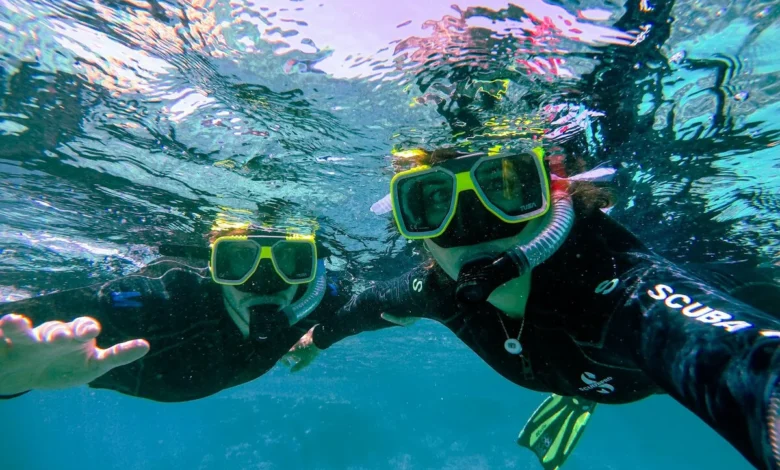
Fifteen minutes from the bustling downtown of Kota Kinabalu, five pristine islands emerge from the protected waters of the South China Sea, forming the Tunku Abdul Rahman Marine Park (TARMP). This ecological marvel, a mere stone’s throw from urban life, offers visitors an unparalleled opportunity to witness vibrant marine ecosystems, including sea turtles grazing in coral gardens, without embarking on an extensive journey deep into Borneo’s interior. The striking juxtaposition of a modern city skyline against a backdrop of thriving natural reefs is a constant source of wonder for those who experience it firsthand, often prompting the realization that such biodiversity exists in such close proximity.
A Protected Gem: The Tunku Abdul Rahman Marine Park
Established in 1974, Tunku Abdul Rahman Marine Park spans an impressive 4,929 hectares, encompassing five distinct islands—Gaya, Sapi, Manukan, Mamutik, and Sulug—along with their surrounding coral reefs, seagrass beds, and parts of the coastal mangrove forests of Gaya Island. This designated marine protected area serves as a critical sanctuary for a diverse array of flora and fauna, playing a vital role in regional conservation efforts. Managed by Sabah Parks, the park aims to safeguard its delicate ecosystems while promoting responsible tourism and scientific research.
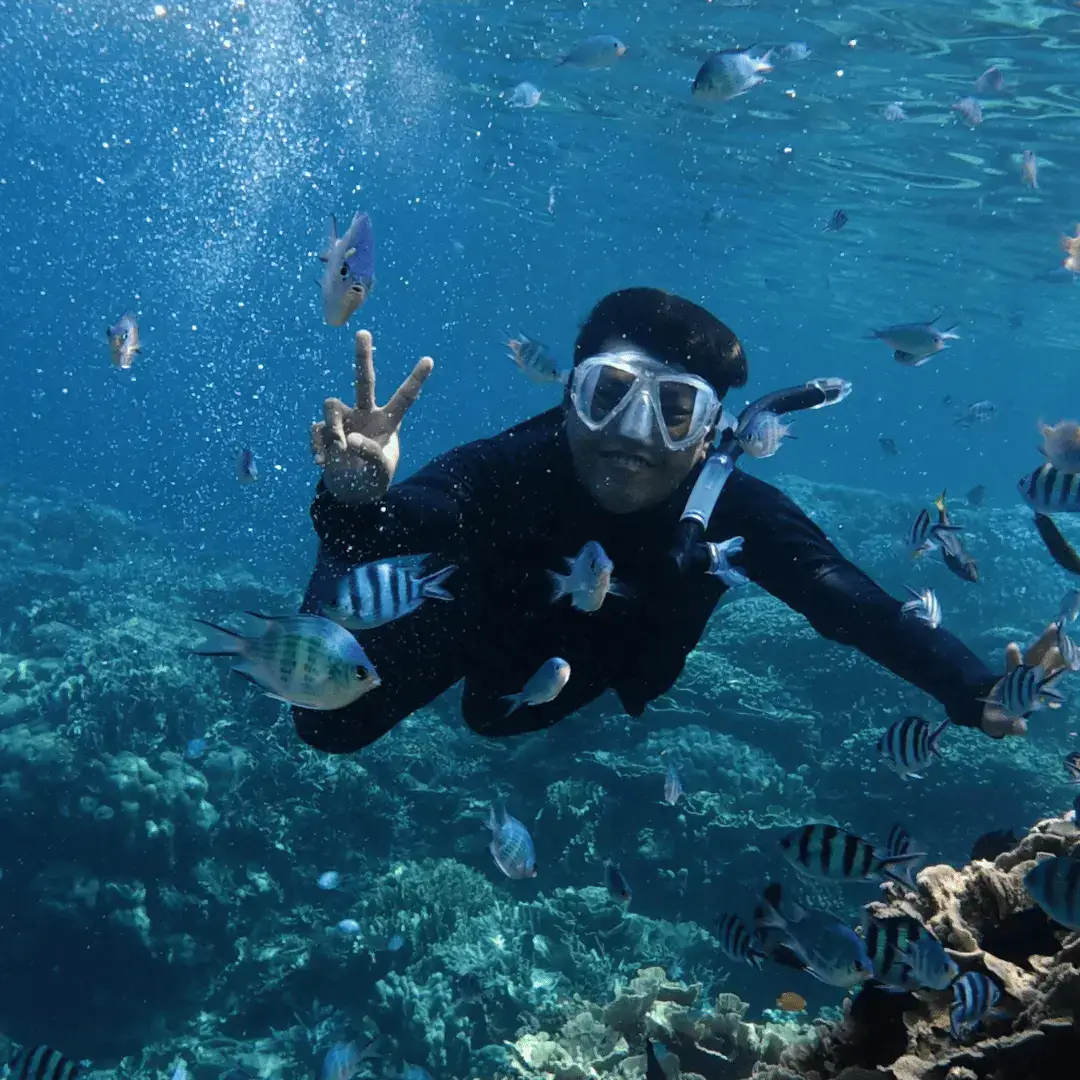
The park’s waters are renowned for their exceptional clarity and warmth, maintaining temperatures between 28-30°C year-round, which fosters an ideal environment for marine life. Divers and snorkelers frequently encounter a rich tapestry of hard and soft corals, providing shelter and sustenance for an estimated 200 species of fish. Among the common sightings are vibrant parrotfish, territorial clownfish nestled in their anemone homes, and schools of barracuda. The park is also a known habitat for endangered Green Sea Turtles and Hawksbill Sea Turtles, which are regularly observed foraging in the shallow coral gardens and seagrass meadows. While rarer, sightings of reef sharks in deeper channels underscore the health and vitality of this protected marine environment.
Conservation at the Forefront: Balancing Tourism and Ecology
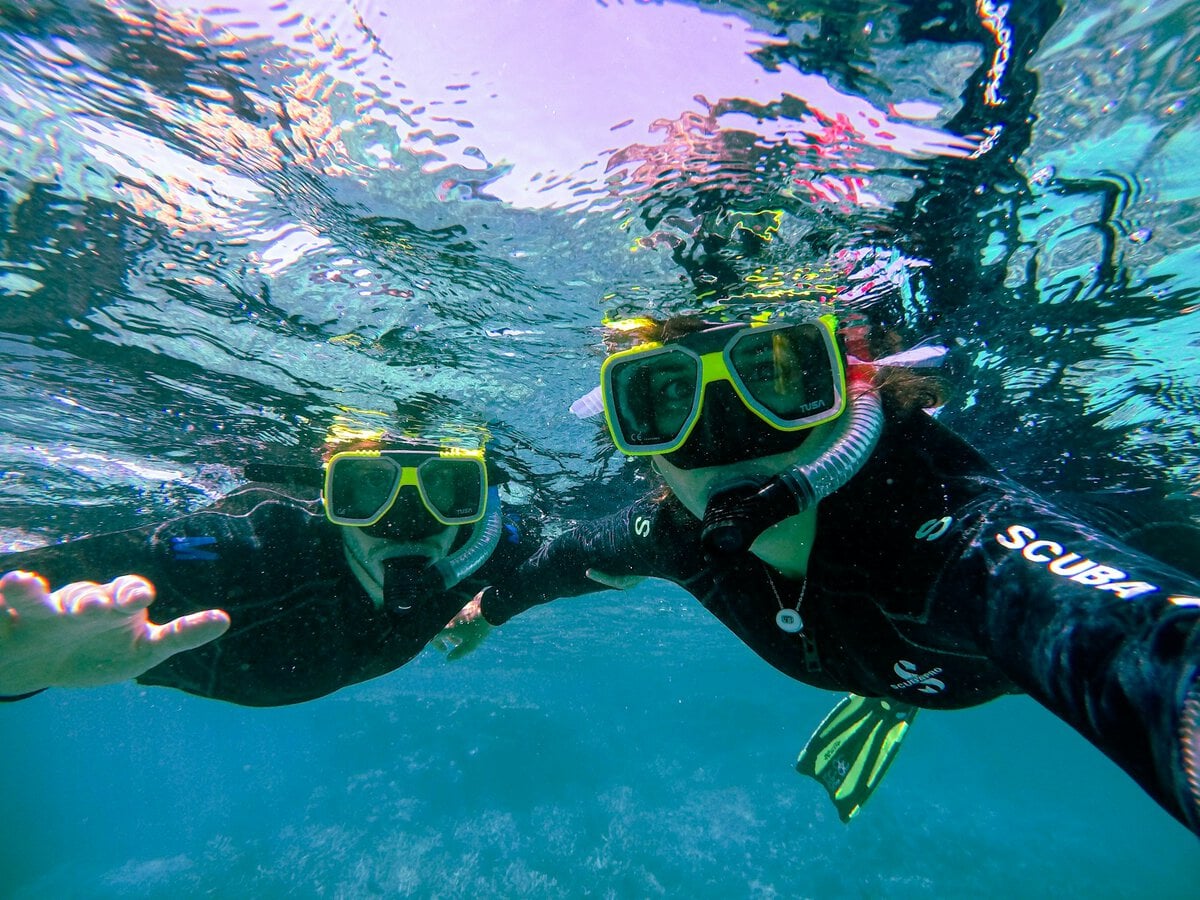
The existence of such a thriving marine ecosystem so close to a major urban centre presents both opportunities and challenges. Sabah Parks employs active management strategies to ensure the park’s ecological integrity is maintained amidst growing visitor numbers. These measures include rigorous water quality monitoring, strict controls on visitor capacities for each island, and the installation of mooring buoys to prevent anchor damage to fragile corals. Anti-poaching patrols are regularly conducted to deter illegal fishing activities, and comprehensive waste management programs are in place to combat plastic pollution, a global threat to marine environments.
"Our primary objective at Tunku Abdul Rahman Marine Park is to strike a sustainable balance between conservation and tourism," states a representative from Sabah Parks (inferred statement). "We strive to provide an enriching experience for our visitors while educating them on the importance of marine conservation and ensuring minimal impact on the delicate ecosystems that call this park home. The long-term health of these reefs is paramount."
Visitors are actively encouraged to practice responsible tourism, including the use of reef-safe sunscreen, avoiding touching or standing on corals, and refraining from feeding marine animals. These guidelines are crucial in mitigating human impact and preserving the park’s natural beauty for future generations. The park’s success in maintaining its biodiversity is a testament to these dedicated conservation efforts, making it a model for accessible marine protection in Southeast Asia.
Experiencing the Marine Park: A Day of Island Hopping
A typical full-day excursion to Tunku Abdul Rahman Marine Park begins at The Shore Jetty in central Kota Kinabalu. Boats line the bustling waterfront, ready to ferry eager visitors into the sparkling morning waters. Morning departures, often around 8:30 AM, are strategically timed to coincide with the calmest sea conditions, offering the best visibility for snorkeling. On clear days, the majestic peak of Mount Kinabalu, Southeast Asia’s highest mountain, can often be seen on the horizon, providing a dramatic backdrop to the marine adventure.
Within minutes of leaving the city, the urban landscape gives way to open sea, with the first island destinations quickly appearing. Guided tours typically visit two to three islands, providing ample time for snorkeling, swimming, and exploring. The sequence of island visits is often flexible, allowing experienced boat captains to adapt to weather conditions, tidal patterns, and the preferences of the group, ensuring the best possible experience.
Island-Specific Highlights:
- Sapi Island: Often the first stop for many tours, Sapi Island offers exceptionally clear waters where coral gardens are visible up to fifteen feet below the surface. It is a prime location for sea turtle sightings, particularly in its shallow feeding areas, leading to frequent excited exclamations from snorkelers. Beyond snorkeling, Sapi also features a short jungle trail for a brief terrestrial exploration.
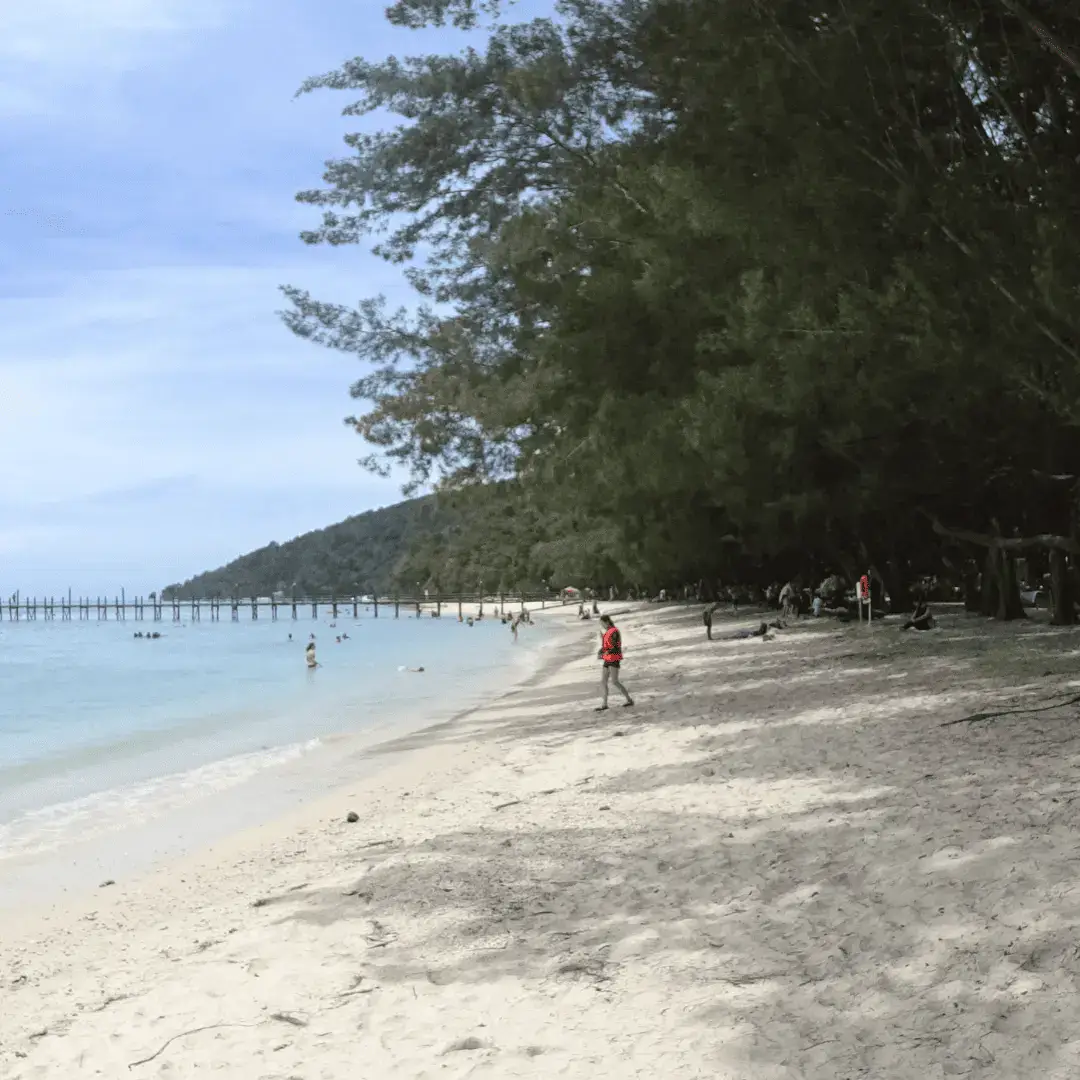
- Manukan Island: As the most developed of the five islands, Manukan boasts stunning white sand beaches, making it a popular choice for families and those seeking relaxation. The island provides facilities such as changing rooms, freshwater showers, and picnic areas. Its surrounding waters offer excellent snorkeling opportunities, with vibrant marine life close to shore.
- Gaya Island: The largest island in the park, Gaya is characterized by its dense coastal rainforest and mangrove swamps. It offers various hiking trails, where visitors might spot long-tailed macaques and monitor lizards. Gaya is also home to several exclusive resorts and marine research facilities, including those dedicated to coral propagation and marine conservation.
- Mamutik Island: This island is typically quieter and less developed, appealing to those seeking a more tranquil experience. Its pristine beaches are perfect for secluded picnics, and its snorkeling spots, while requiring slightly more confidence due to a quicker reef drop-off, reward visitors with diverse marine encounters. Basic camping facilities are available for those wishing to extend their stay.
- Sulug Island: The least developed of the islands, Sulug offers an untouched, wilder feel. Its remote location attracts serious snorkelers and divers seeking pristine, undisturbed coral reefs and a higher chance of encountering larger marine species away from the crowds.
Each island visit typically lasts between 60 to 90 minutes, allowing participants to fully immerse themselves in the activities without feeling rushed. Lunch, often a highlight of the day, is usually served on one of the islands, featuring freshly grilled seafood and traditional local Malay dishes. The combination of salt air, open water activities, and the pristine environment enhances the simple pleasure of a meal served on the beach.
As the day progresses, even nervous swimmers often gain confidence in the warm, gentle waters, moving through the coral gardens with ease. The return journey in the late afternoon, with the Kota Kinabalu skyline gradually reappearing, offers a moment of reflection. The stark contrast between the wild marine environment and the urban landscape creates a memorable impression, solidifying the day’s adventure as a truly unique experience. Typical return time to The Shore Jetty is around 4:30 PM.
The Economic and Societal Impact of Accessible Marine Tourism
Tunku Abdul Rahman Marine Park is not only an ecological treasure but also a significant economic driver for Kota Kinabalu and the wider Sabah region. Tourism is a cornerstone of Sabah’s economy, and the park plays a crucial role in attracting both domestic and international visitors. The ease of access, combined with the rich biodiversity, positions TARMP as a competitive attraction compared to other Southeast Asian marine parks, many of which require longer travel times or overnight stays.
The thriving tourism sector around the park directly supports thousands of local livelihoods. This includes boat operators, tour guides, hospitality staff in resorts and restaurants, and local vendors selling crafts and services. Park entrance fees, a mandatory contribution from every visitor, are channelled back into Sabah Parks’ conservation and maintenance efforts, creating a self-sustaining cycle where tourism directly funds the protection of the very resources that attract it.
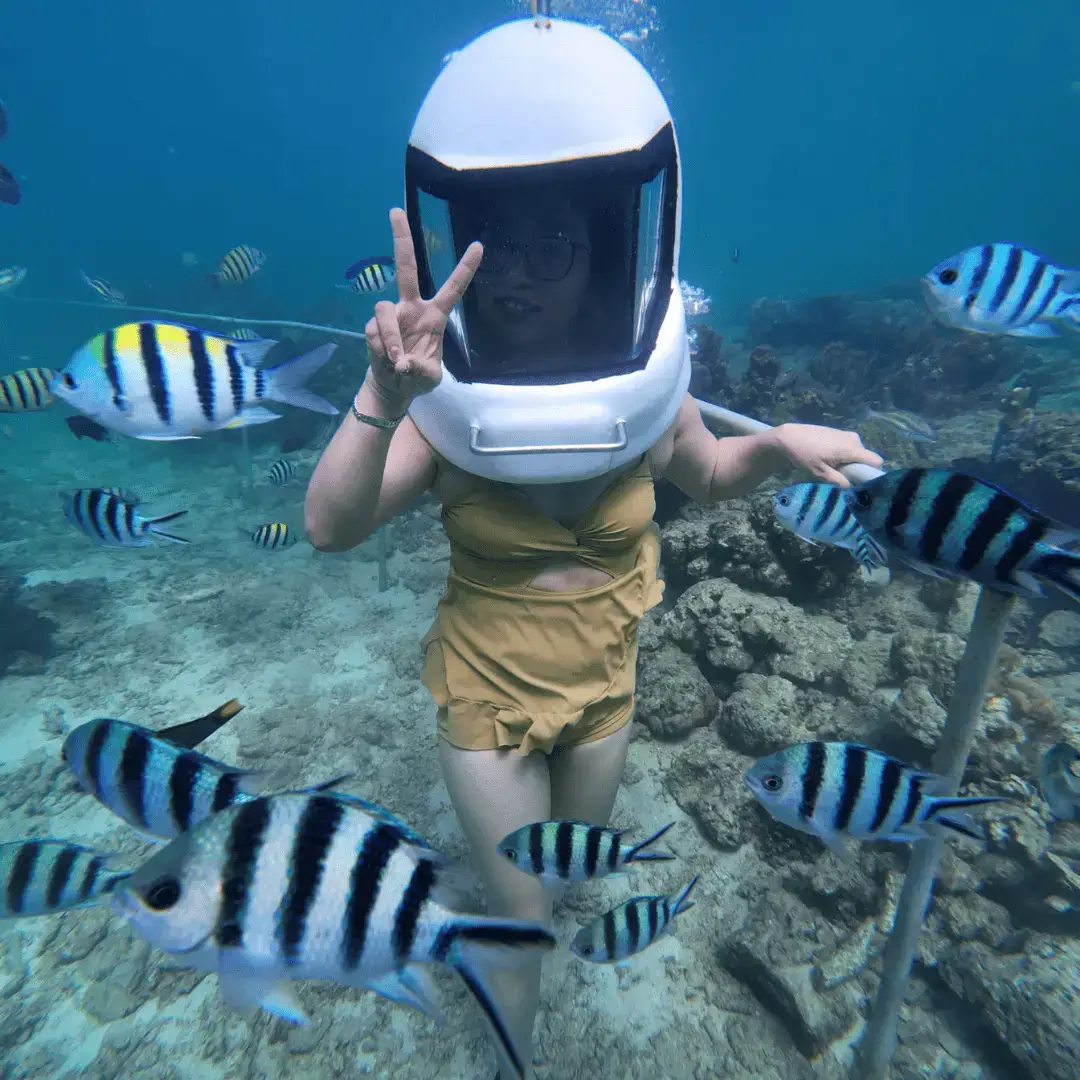
Furthermore, the park serves as an invaluable educational platform. By providing direct exposure to marine ecosystems, it fosters environmental awareness and appreciation among visitors of all ages. The experience of seeing sea turtles in their natural habitat or swimming among vibrant corals often inspires a deeper understanding of conservation needs and a commitment to protecting marine environments globally. The anecdote of a child screaming with excitement upon seeing a sea turtle underscores the profound impact such experiences can have, turning a simple day trip into a transformative encounter with nature.
Practical Information for Visitors
For those planning a visit to Tunku Abdul Rahman Marine Park, several practical considerations can enhance the experience:
- Best Timing: The park is operational year-round. However, the optimal conditions for visiting are during the dry season, from March to September. During this period, the seas are generally calmer, and underwater visibility is at its peak, providing ideal snorkeling and diving conditions. The monsoon season, typically from October to February, brings a higher chance of rain and choppier waters, though tours generally continue unless conditions are deemed unsafe by boat captains.
- Getting There: All tours depart from The Shore Jetty, conveniently located in central Kota Kinabalu. It is easily accessible by foot from most city-centre hotels or via taxi and ride-sharing services like Grab. The jetty is situated adjacent to the main waterfront shopping and dining strip.
- What to Bring: Essential items include reef-safe sunscreen (mandatory in a marine protected area to prevent harm to corals), swimwear, a towel, a hat for sun protection, and a waterproof phone case or camera for underwater photography. While snorkeling gear (mask, snorkel, fins, life jacket) is typically provided by tour operators, visitors may prefer to bring their own. It is also advisable to carry some cash for any additional island entrance fees, snacks, or drinks not covered by the tour package.
- Cost Ranges: Full-day island-hopping tours generally range from RM 150 to RM 300 per person, depending on the operator, group size, and inclusions. It is important to confirm what is covered in the tour price, as some packages include lunch and refreshments, while others do not. Marine park entrance fees, typically RM 10-30 per island visited, are often additional and paid directly at the islands.
- Physical Requirements: Basic swimming ability is recommended for open-water snorkeling. However, the warm, calm waters and shallow entry points of many coral gardens make the park accessible even for non-swimmers, as life jackets are always provided. Guides offer basic snorkeling instruction and can assist nervous swimmers. Freshwater rinse stations and basic bathroom facilities are available on most developed islands.
Frequently Asked Questions
How likely are sea turtle sightings at Tunku Abdul Rahman Marine Park?
Sea turtles, primarily Green and Hawksbill species, are sighted regularly, especially around Sapi Island’s shallow coral feeding areas during morning visits. While wildlife encounters are never guaranteed, sightings are frequent enough to be a realistic expectation rather than a rare bonus. An experienced guide, familiar with local feeding patterns and tides, significantly improves the chances of a successful sighting.
Is the marine park genuinely protected or just tourist-focused?
Tunku Abdul Rahman Marine Park is genuinely protected under the management of Sabah Parks, with active conservation measures in place. These include coral health monitoring, fishing regulations, visitor impact management, and anti-poaching efforts. The thriving fish populations and wild sea turtles are indicators of a healthy, actively conserved ecosystem, rather than mere tourist attractions.
Can young children or nervous swimmers participate safely?
Absolutely. The warm, calm waters and numerous shallow entry points make the park highly accessible for young children (typically from 6-7 years old) and nervous swimmers. Life jackets are provided as standard, and many coral gardens begin in water shallow enough to stand in. Guides are trained to offer snorkeling instruction and provide close supervision, ensuring a safe and enjoyable experience for all.
How does this marine park compare to others in Southeast Asia?
Tunku Abdul Rahman Marine Park’s exceptional accessibility sets it apart. While other renowned marine parks in countries like Thailand, Indonesia, or the Philippines often require longer boat journeys or overnight stays, TARMP offers protected reefs with healthy coral coverage and regular wildlife sightings within a mere 20-minute boat ride from a major city. This blend of convenience and pristine nature is a unique selling proposition.
What happens if weather conditions are poor?
In the event of rough weather, tour itineraries may be adjusted to visit more sheltered islands, or tours may be postponed for safety reasons. The primary concern of boat captains and tour operators is the safety and comfort of their guests. During the monsoon season (October-February), while rain and choppier seas are more common, tours typically operate unless conditions become dangerous and a port closure is issued.
Do you need previous snorkeling experience?
No previous snorkeling experience is necessary. The equipment is simple to use, the water conditions are generally calm and warm, and guides provide comprehensive basic instruction before the first snorkel session. Many visitors try snorkeling for the first time in Tunku Abdul Rahman Marine Park and often discover a newfound passion for underwater exploration.
Tunku Abdul Rahman Marine Park stands as a vibrant testament to successful marine conservation, offering an extraordinary fusion of urban accessibility and pristine natural beauty. It remains a crucial ecological asset for Sabah, providing not only breathtaking experiences for visitors but also vital support for local communities and ongoing efforts to protect Borneo’s invaluable marine heritage.