Jerome Arizona: The Rise, Fall, and Cultural Renaissance of Americas Largest Ghost Town

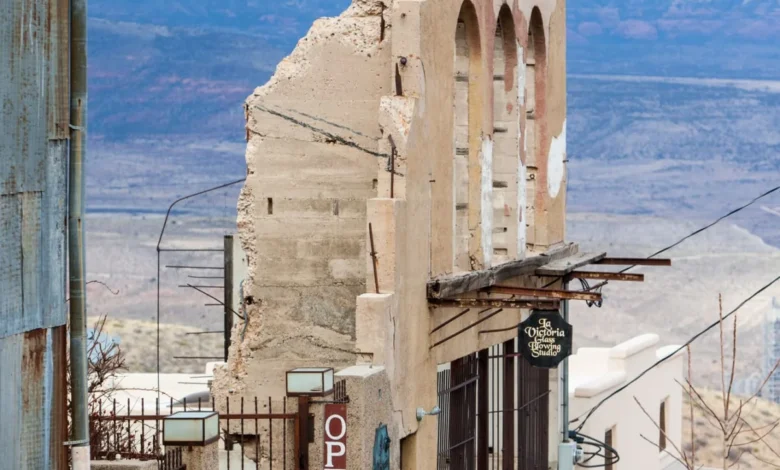
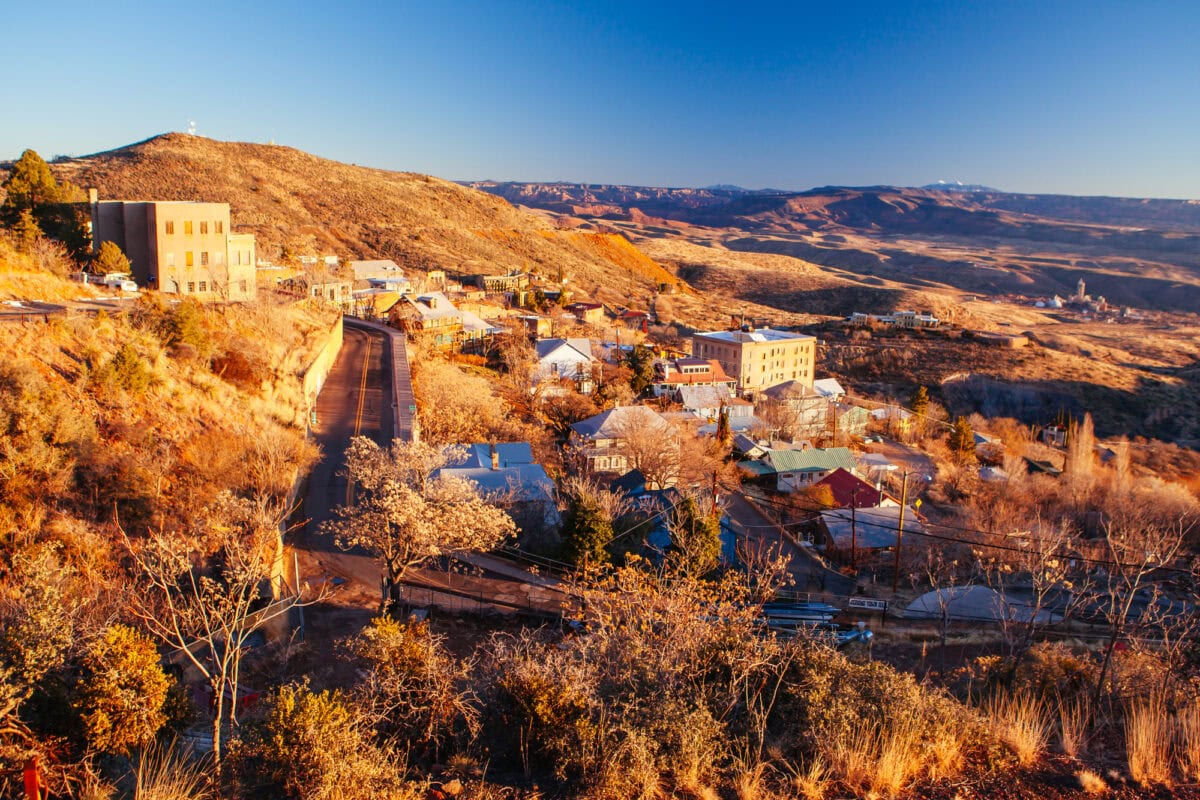
Perched precariously on the side of Cleopatra Hill in Yavapai County, Arizona, the town of Jerome serves as a striking testament to the volatile nature of the American mining frontier. Often cited as the largest ghost town in the United States, Jerome represents a unique intersection of industrial history, geological instability, and artistic revitalization. Once a bustling epicenter of copper production, the town’s trajectory from a "Wickedest Town in the West" to a preserved National Historic Landmark District offers a compelling case study in urban survival and transformation.
The Copper Boom and Industrial Dominance
The history of Jerome is inextricably linked to the extraction of copper, silver, and gold. While the area had been known to Indigenous populations for centuries, formal mining operations began in the late 19th century. In 1883, the United Verde Copper Company was established, setting the stage for decades of intensive resource extraction. By the early 1900s, Jerome had transformed into a booming industrial hub, reaching its population peak of nearly 15,000 residents around the turn of the century.
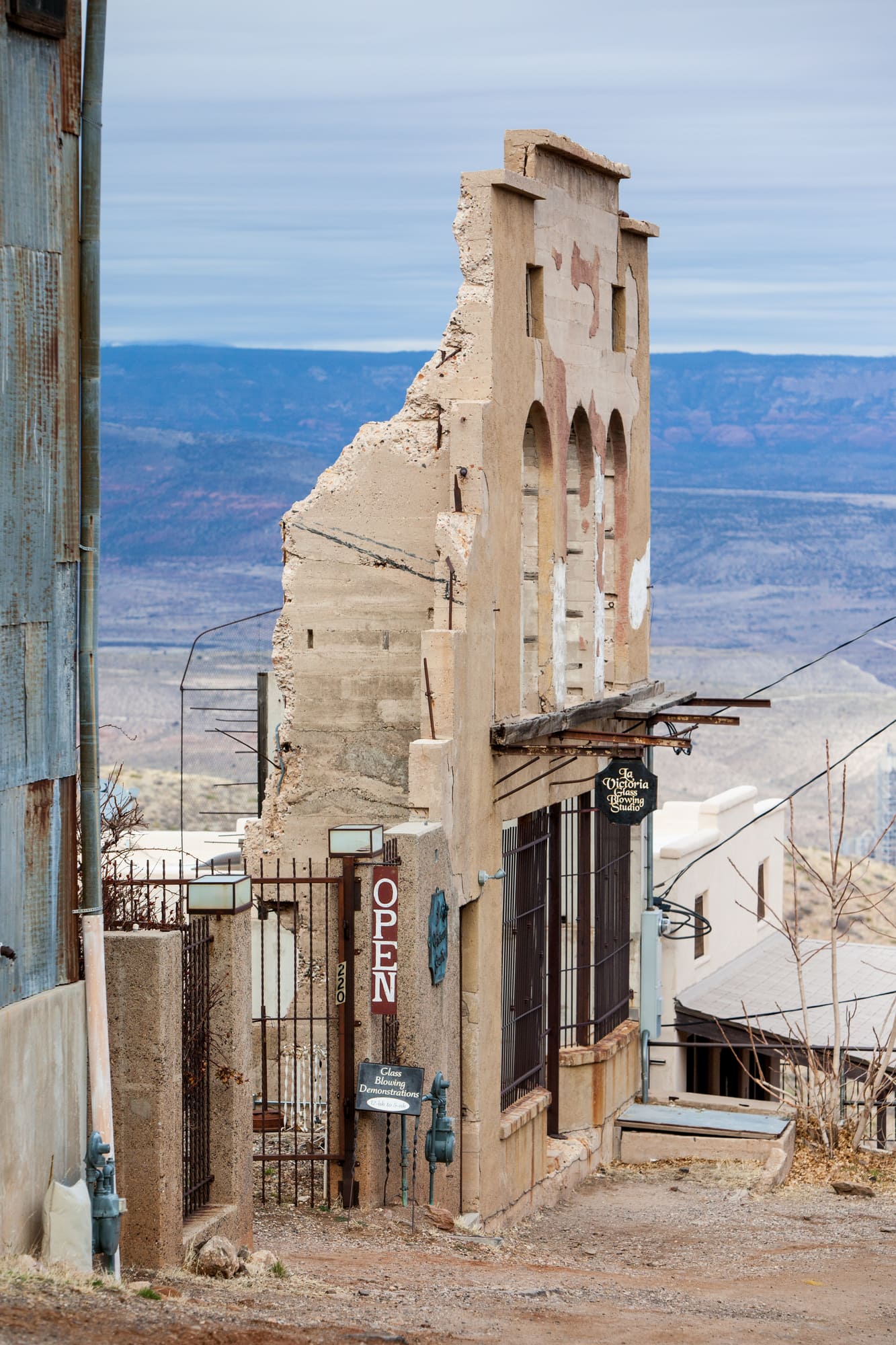
During this era, Jerome earned a notorious reputation. Its demographic consisted largely of itinerant miners, laborers, and entrepreneurs, leading to the establishment of 24 saloons, 18 brothels, and a variety of gambling dens. The sheer density of human activity in such a rugged, topographically challenging environment created a society that was both transient and highly productive. The copper yielded from Jerome’s deep, intricate labyrinth of tunnels was among the richest in the world, fueling the expansion of electrical infrastructure across the United States.
Geological Instability and the Decline of Mining
Jerome’s geographic location—built directly onto a steep mountainside above the Verde Fault—posed significant challenges from its inception. The intensive mining operations, which reached depths of thousands of feet, effectively honeycombed the earth beneath the town. This structural weakening, combined with the heavy use of dynamite in mining operations, led to frequent land shifts.
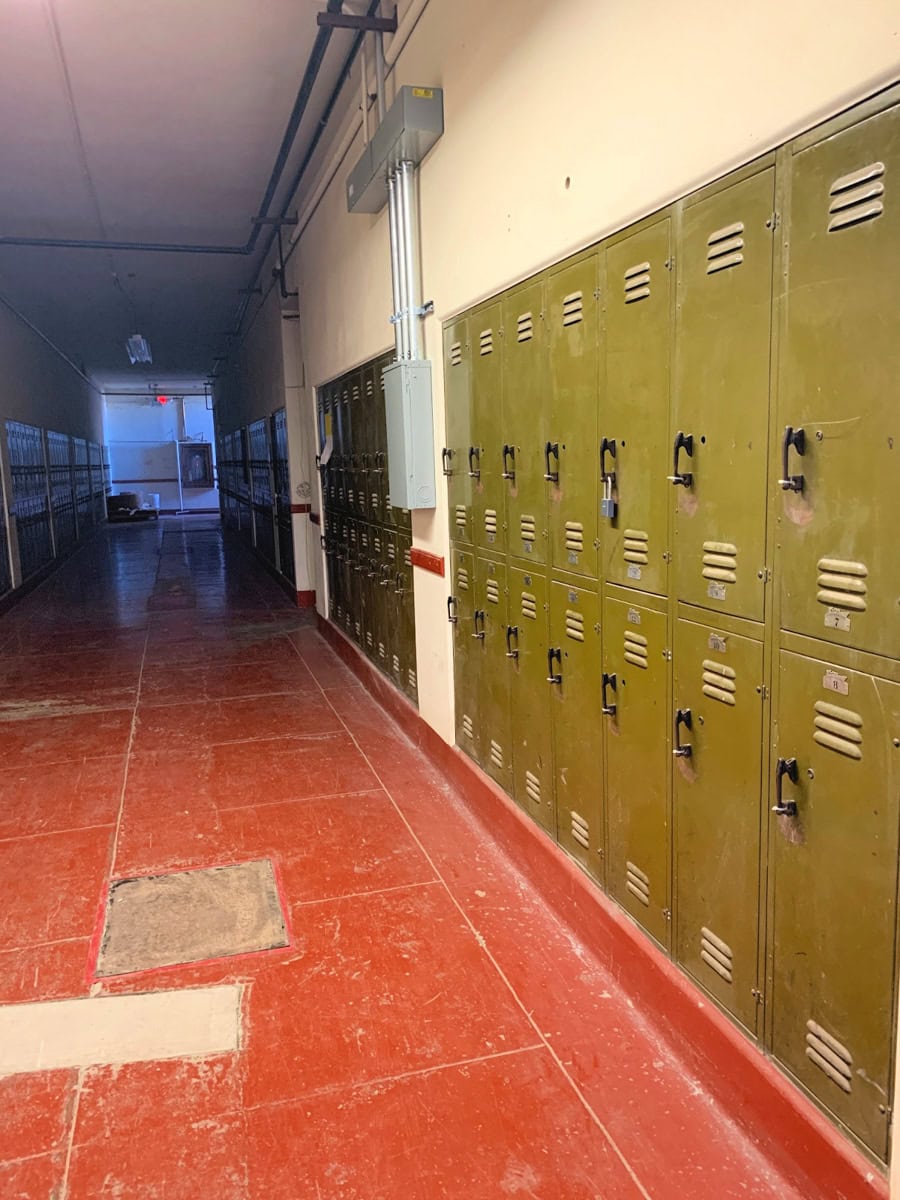
The decline of the town began in earnest following the end of the Second World War. As copper prices fluctuated and ore quality diminished, the United Verde mines became less economically viable. The final closure of the mines in 1953 dealt a catastrophic blow to the local economy. Within a few years, the population plummeted, as the primary source of employment vanished. By the mid-1950s, Jerome was widely considered a "ghost town," with thousands of vacant homes and abandoned businesses clinging to the hillside.
The Turning Point: Preservation and Reinvention
The mid-20th-century period could have seen Jerome disappear entirely, but a shift in the town’s identity prevented its total abandonment. As the mining industry exited, a new demographic began to arrive: artists, musicians, and free-spirited individuals attracted by the low cost of living and the town’s atmospheric, historic architecture.
This transition was formalized in 1967 when the town was designated a National Historic Landmark District. This status provided a legal and structural framework for the preservation of more than 100 historic buildings. The transition from a resource-extraction economy to a heritage-tourism economy was not immediate, but it was decisive. Today, the town’s survival is predicated on its ability to market its past. The very elements that once signaled its doom—the steep grades, the isolated location, and the remnants of industrial decay—have become the foundation of its modern identity.
Key Landmarks and Historical Sites
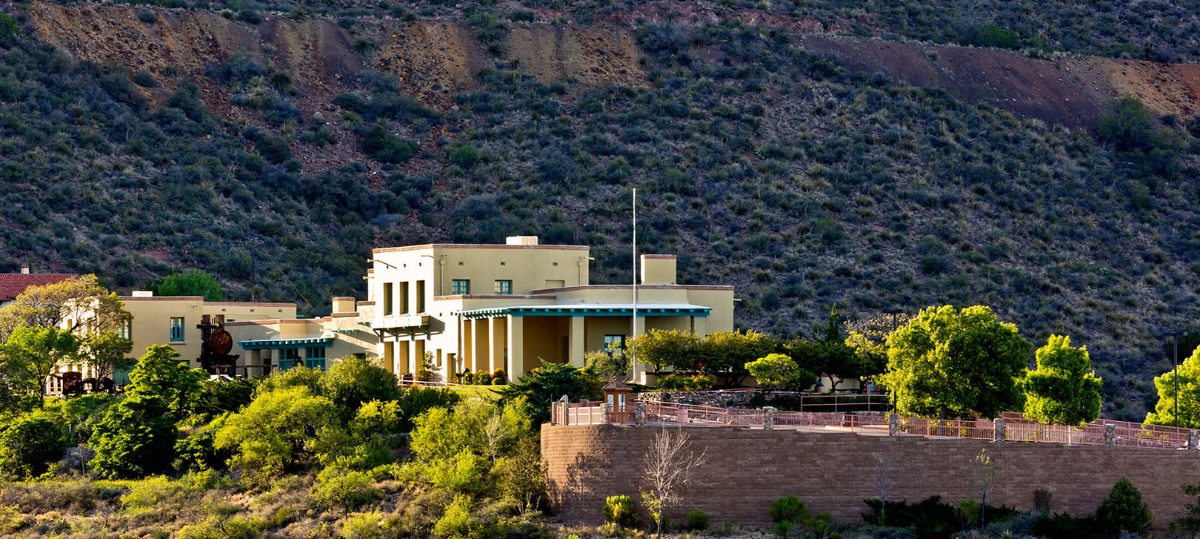
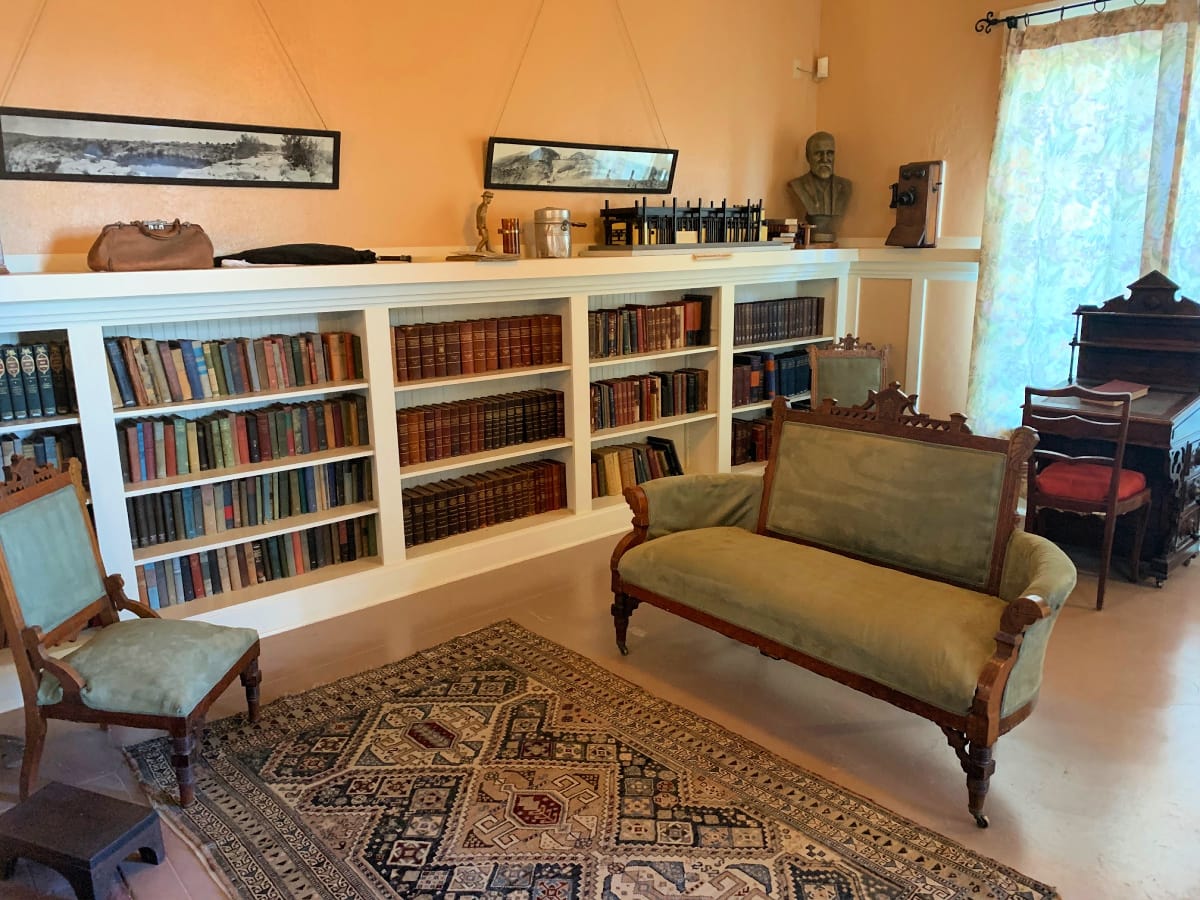
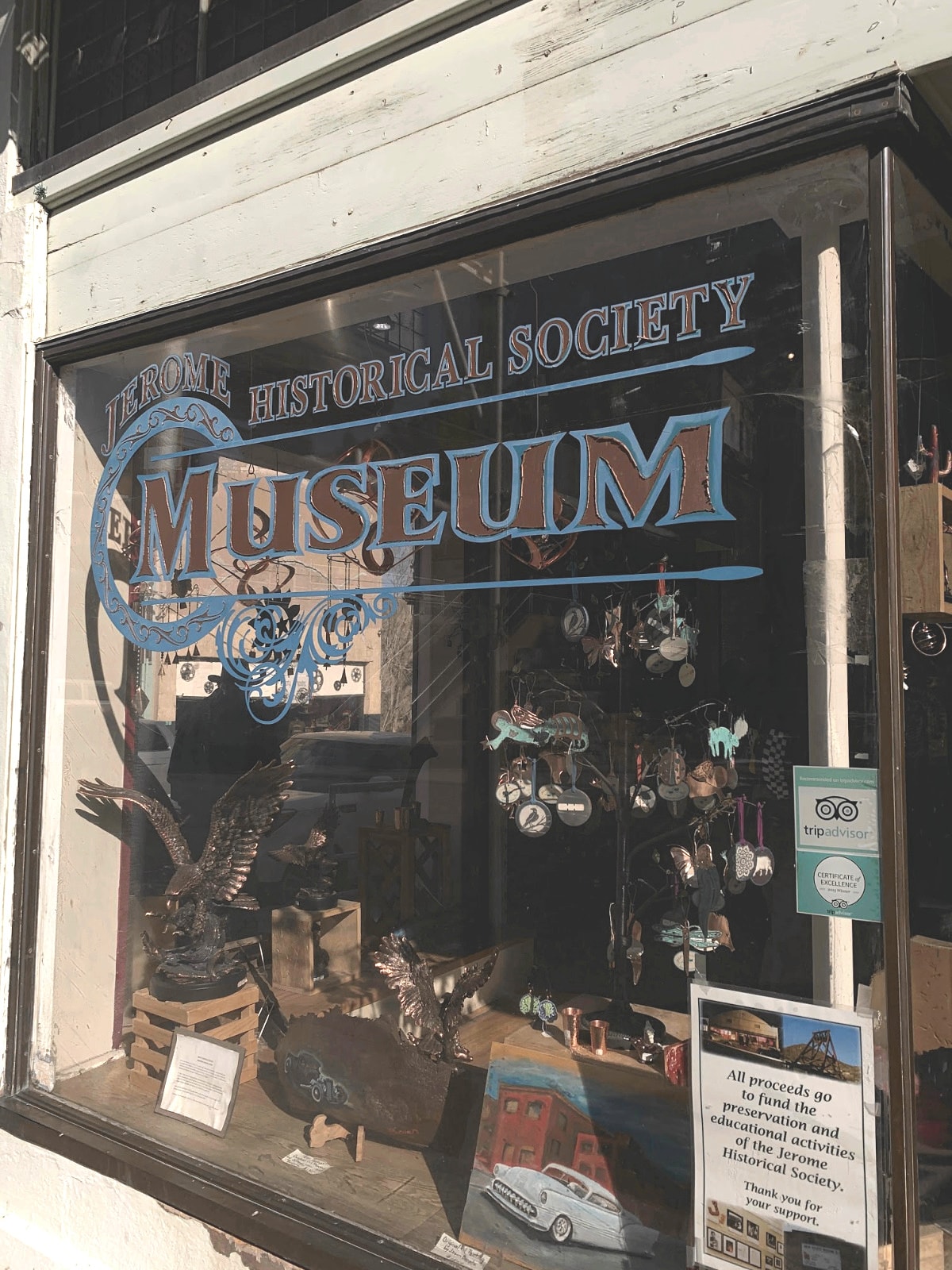
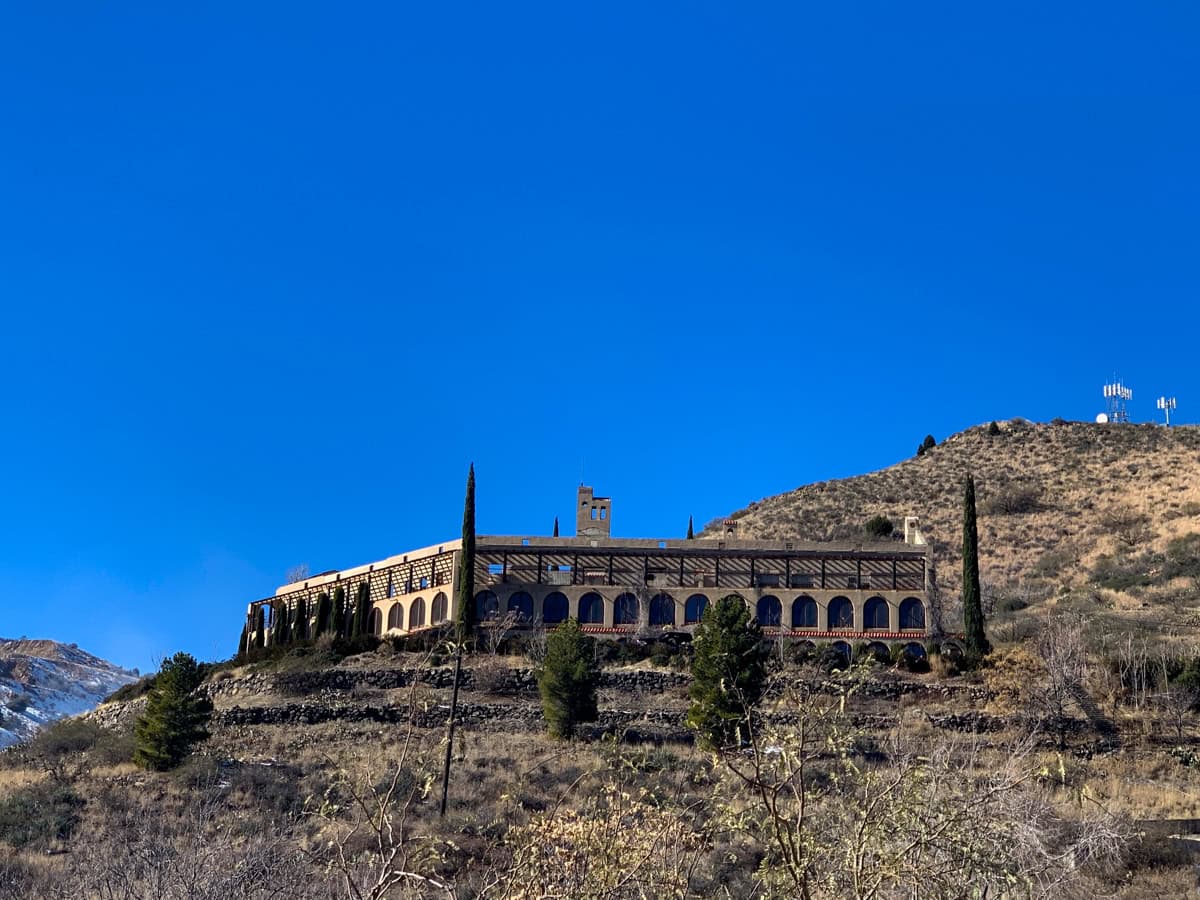
The preservation of Jerome’s history is anchored by several institutional efforts. The Jerome State Historic Park, centered around the Douglas Mansion, provides an essential chronological record of the town’s development. Constructed in 1916, the mansion was the residence of James S. Douglas, a key figure in the town’s mining operations. Today, it functions as a museum, offering detailed exhibits on the geology and engineering feats required to extract ore from the treacherous terrain.
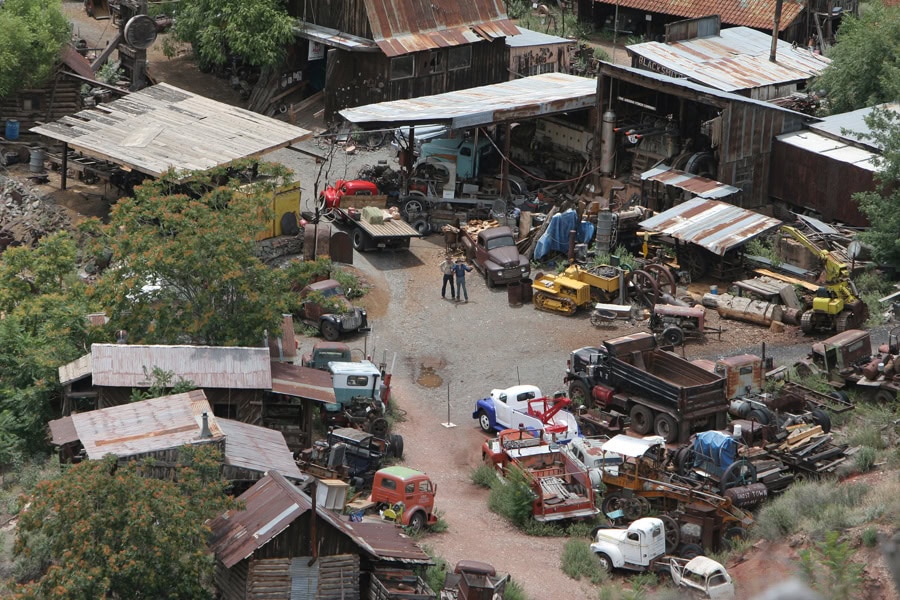
The town also features the Audrey Headframe Park, which offers a direct visual link to the mining era. The site features the remains of the massive headframe used to lower miners into the 1,900-foot-deep mine shaft. Although the park currently undergoes intermittent restoration to ensure structural safety, it remains a critical point of interest for understanding the scale of the subterranean operations that sustained the town.
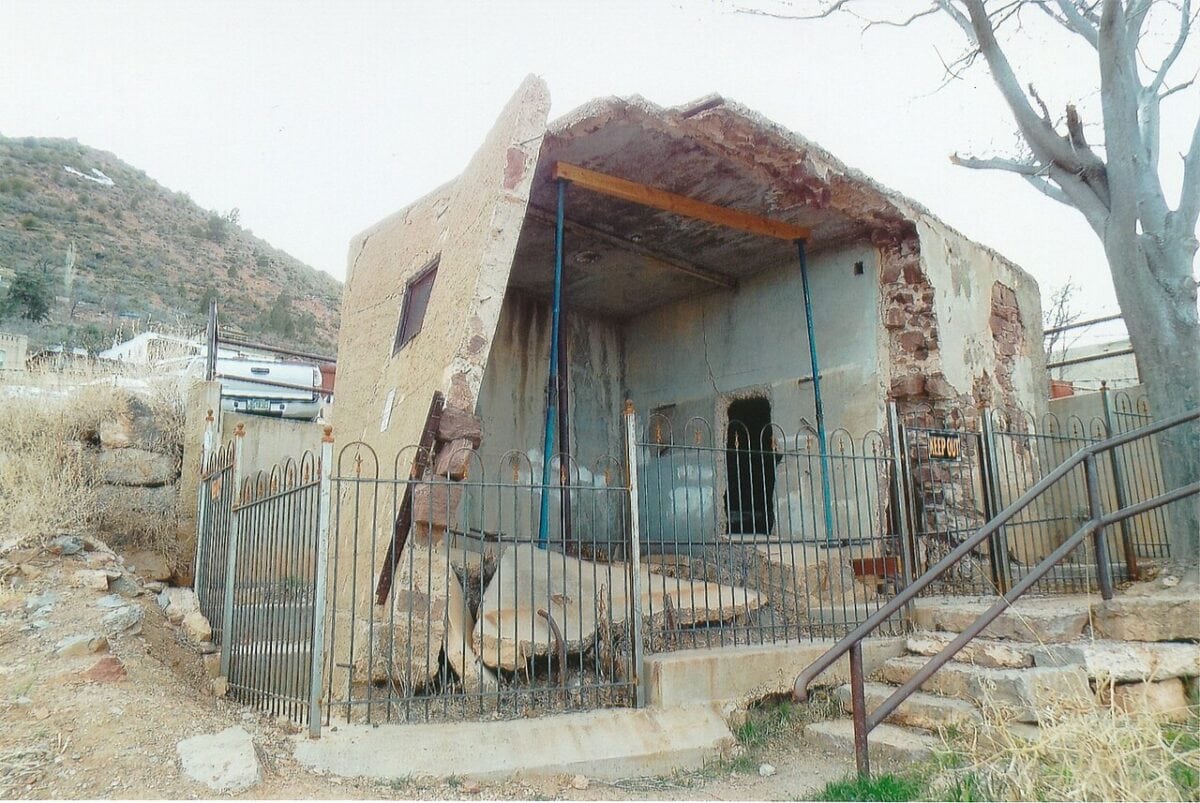
Furthermore, the "Sliding Jail" remains perhaps the most illustrative example of the town’s geological fragility. Following a 1938 mine blast, the town’s jail began to slide downhill. It eventually moved 225 feet from its original foundation. Rather than demolishing the structure, the community chose to preserve it as a monument to the physical reality of the environment.
Economic and Social Implications
The transformation of Jerome has not been without controversy. While the shift to tourism has saved the town from literal disintegration, it has also fundamentally altered its socioeconomic fabric. The contemporary population, which hovers around 500 permanent residents, is largely dependent on the influx of tourists—numbering in the hundreds of thousands annually.
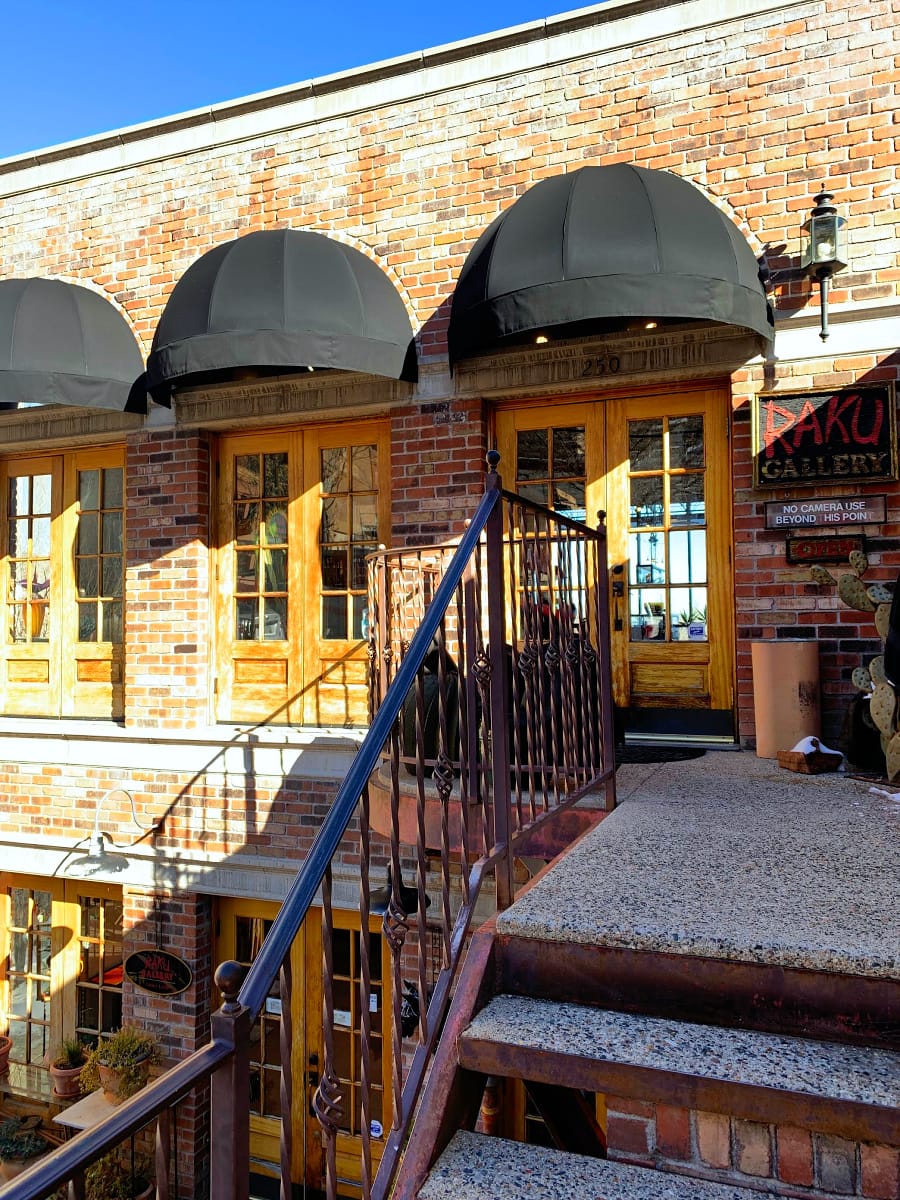
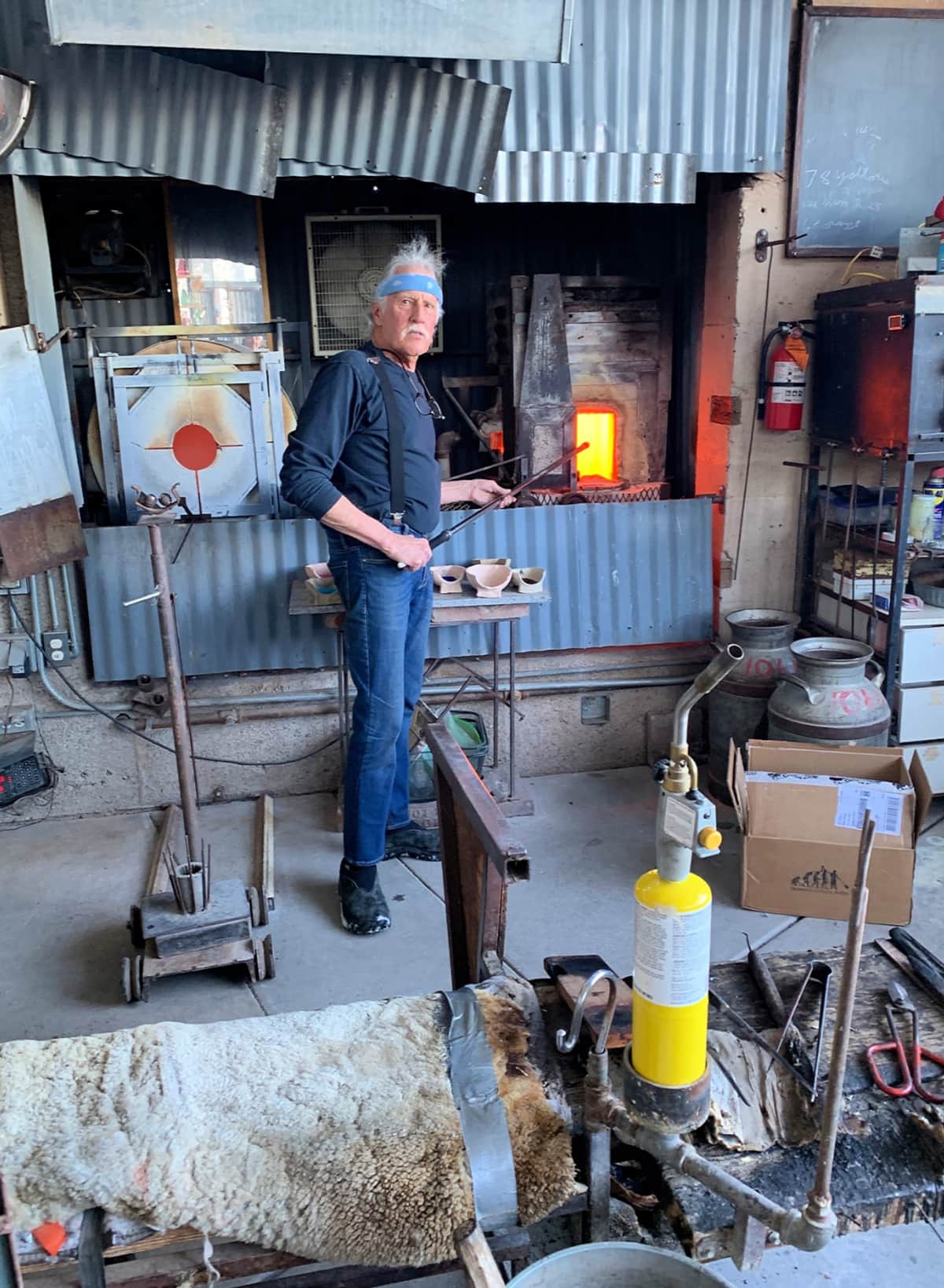
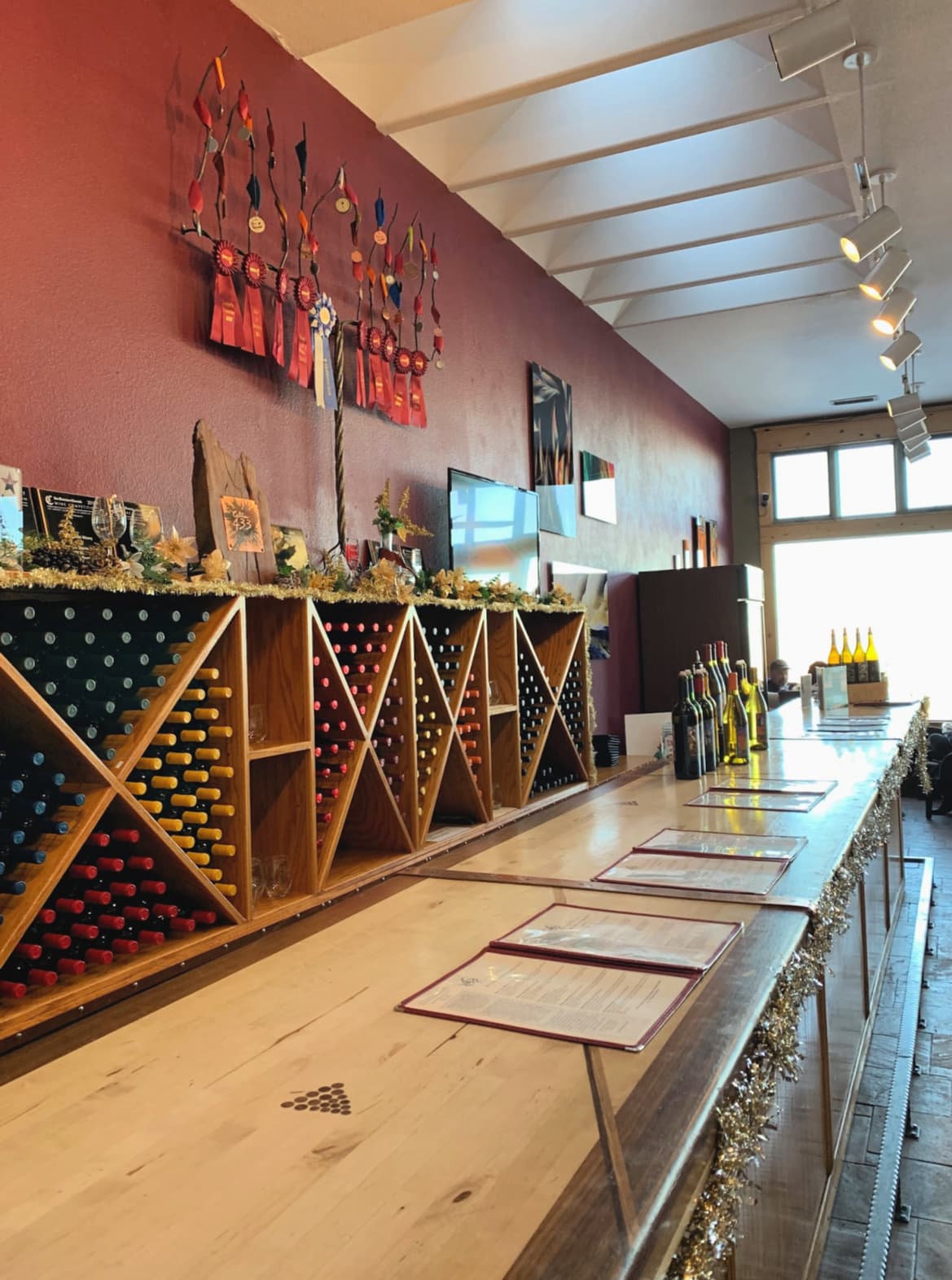
This dependence on tourism has created a distinct economic environment. Unlike the mining era, where the economy was driven by global commodity markets, the modern Jerome economy is sensitive to discretionary travel trends. The town’s art galleries, wine tasting rooms, and historic bed-and-breakfasts now sustain the municipal budget. While this has preserved the buildings, it has also led to a gentrification process that makes permanent residency challenging for those not involved in the tourism or arts sector.

Future Challenges: Infrastructure and Sustainability
As a town built on a shifting slope, Jerome faces ongoing infrastructure challenges. The maintenance of historic roads and the stabilization of aging masonry are constant financial drains on the small municipality. Local government, in conjunction with state historical societies, continuously monitors the hillside for potential landslides.
Furthermore, the town’s limited physical footprint poses a significant hurdle for growth. There is little room for new construction, and the aging utility infrastructure, some of which dates back to the mining era, requires constant, costly upgrades. Despite these limitations, the community has shown remarkable resilience. The consensus among residents and local business leaders is that the town’s future remains tied to its past; by maintaining the aesthetic and historical integrity of the Victorian-era structures, the town ensures its continued relevance in the Arizona tourism market.
The Broader Impact on Arizona’s Heritage
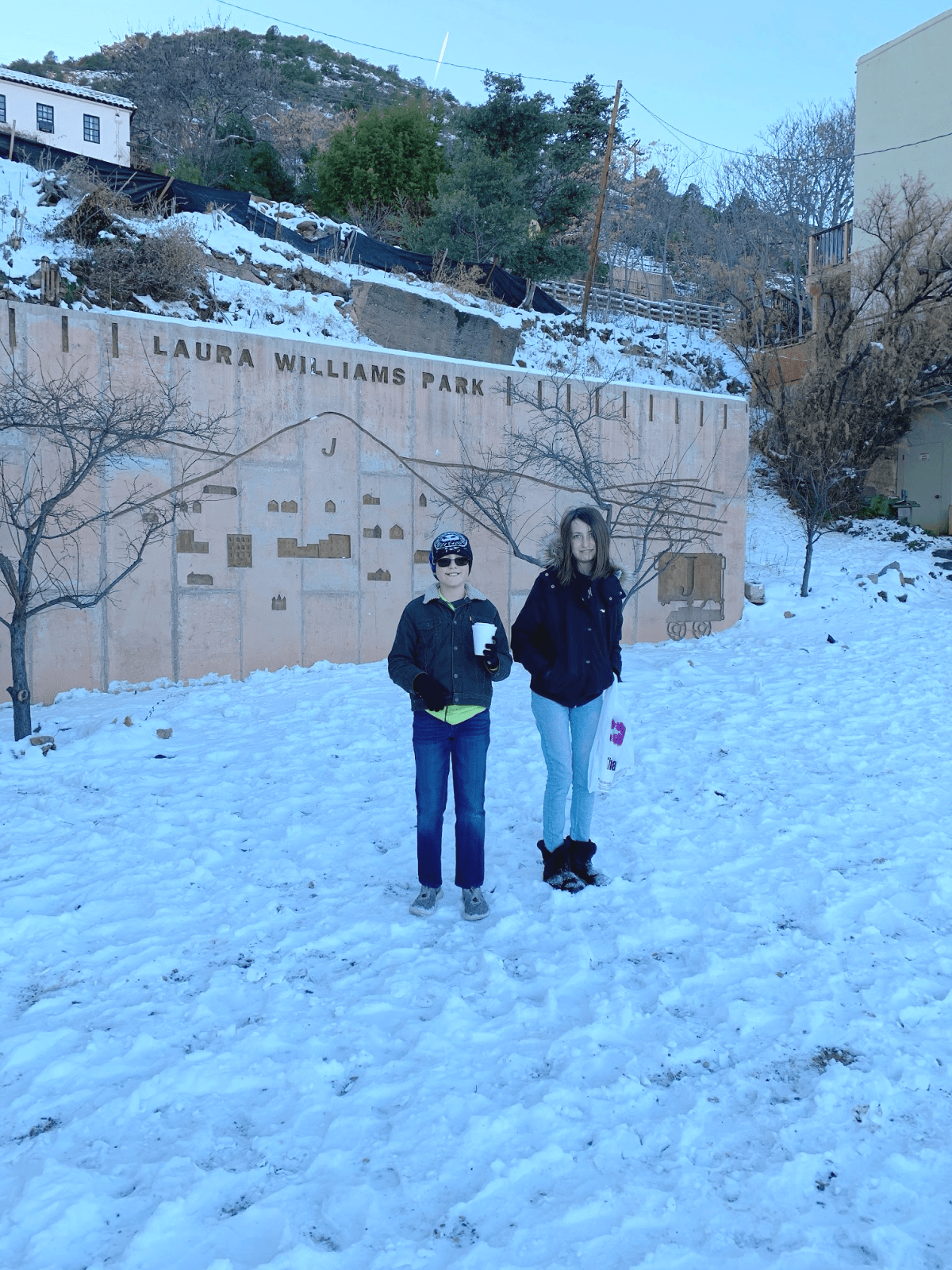
Jerome stands as a critical component of the "Arizona Mining Trail." Along with neighboring communities, it provides a comprehensive view of the state’s developmental history. The town’s ability to pivot from a dying industrial camp to a thriving cultural hub is frequently cited by regional planners as a successful model for rural development.
The lessons learned in Jerome have been applied to other former mining towns across the American West. By focusing on historic preservation, the arts, and experiential tourism, these communities have managed to avoid the fate of becoming true ghost towns—that is, places devoid of human life. Instead, Jerome serves as a living museum, where the narrative of the American West is preserved, curated, and presented to a modern audience.

In summary, the evolution of Jerome from a copper-rich mining camp to a center for the arts and heritage tourism is a narrative of adaptation. While the mines have been silent for over 70 years, the town remains vibrant, sustained by a delicate balance of history and commerce. As it looks toward the future, Jerome remains a poignant reminder of the transient nature of industrial booms and the enduring power of historical preservation.