The Ultimate Guide to European Women’s Fashion: Essential Style and Packing Strategies for Travelers

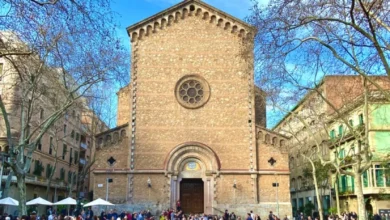
After establishing a residence in Paris for nearly two years, observers of European street style often find themselves continually fascinated by the effortless elegance consistently displayed by local women. From morning errands at neighborhood grocery stores to pushing strollers past elementary schools in high heels and structured skirts, everyday attire across major European capitals reflects a deep-rooted cultural emphasis on presentation and personal grooming. This phenomenon has generated widespread curiosity among international travelers seeking to decode the elements of European wardrobe curation. While trends vary significantly from Scandinavia to the Mediterranean, metropolitan hubs like Paris have long served as global benchmarks for contemporary fashion standards. Understanding these stylistic nuances not only facilitates more culturally integrated travel experiences but also optimizes luggage efficiency for visitors aiming to blend comfort with local sophistication.
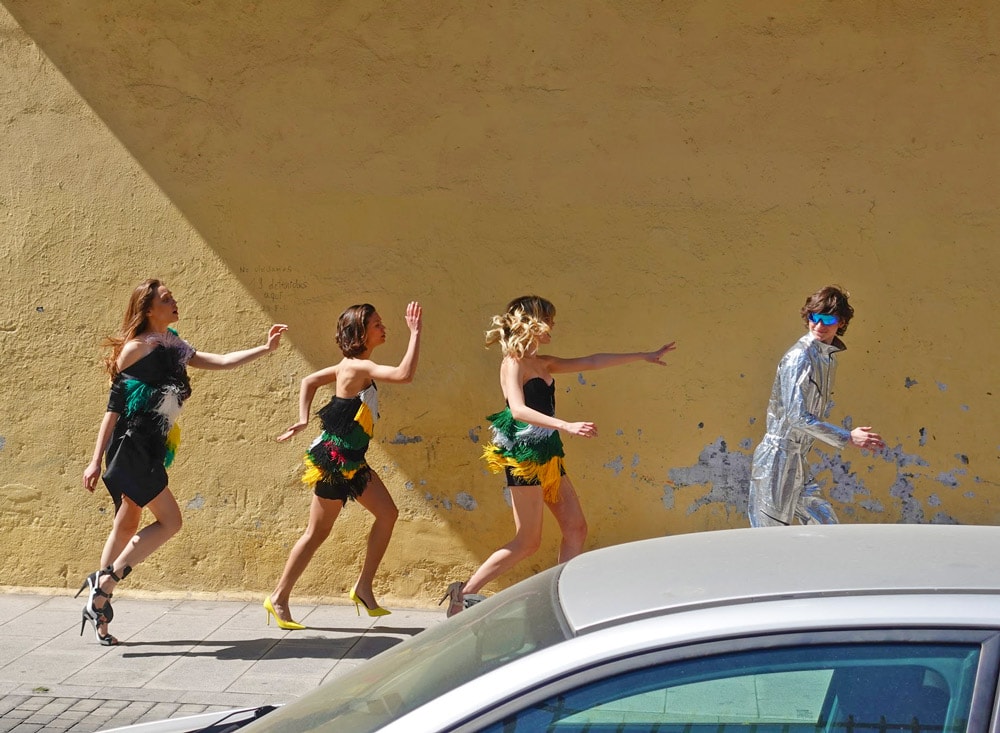
Decoding the Myth of European Wardrobe Exclusivity
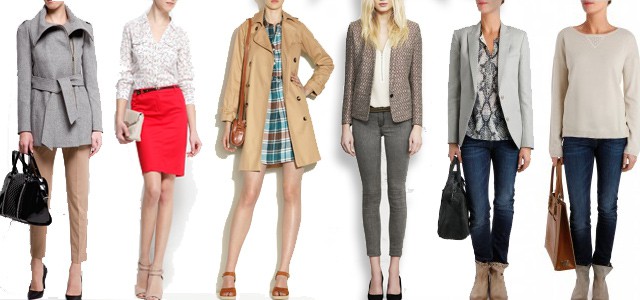
A prevailing misconception among international travelers is that European women owe their polished appearances entirely to overflowing closets filled with high-end designer labels. In reality, the day-to-day wardrobes of urban Europeans are largely constructed from accessible, multinational high-street retailers such as H&M, Zara, Mango, Gap, and Topshop. The distinguishing factor lies not in the luxury status of the garments, but rather in the meticulous attention paid to fit and silhouette. Tailoring is a widely normalized and accessible service across Europe, where minor alterations are routinely employed to ensure off-the-rack items conform precisely to individual body proportions. Furthermore, local style typically prioritizes simplicity and timelessness over fleeting micro-trends, relying on clean lines, neutral color palettes, and deliberate accessorizing to create cohesive looks.
Core Elements of the European Street Style Aesthetic
The foundational framework of European casual wear centers on versatility, proportion, and understated refinement. Rather than adhering to rigid sartorial rules—such as the persistent myth that Parisians exclusively wear black—local fashion embraces a balanced spectrum of neutral tones interspersed with purposeful pops of color.

Tailoring and Silhouette: The emphasis on fit remains paramount. A common stylistic juxtaposition involves pairing contrasting silhouettes, such as a slightly oversized, chunky knit sweater with a sleek, form-fitting skirt or slim-cut denim.
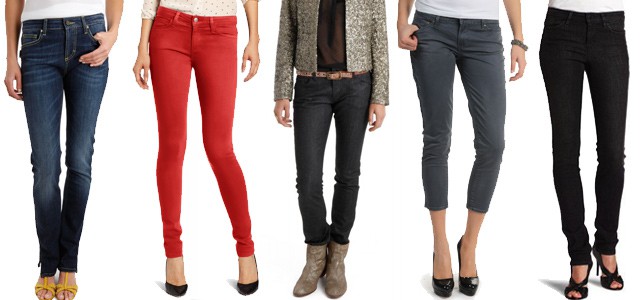
Denim Culture: Jeans function as an indispensable wardrobe staple. Slim and skinny cuts in dark, unwashed, or minimal-wash finishes dominate the streets, alongside slate grays and structured trousers. However, bold statements are far from absent, with vibrant jewel tones occasionally anchoring an otherwise subdued outfit.
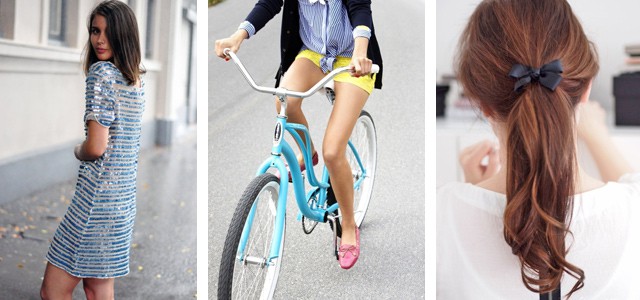
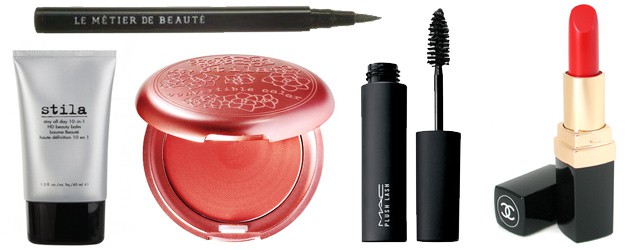
Hair and Cosmetics: The signature "effortless" beauty standard extends to hairstyling and makeup. Natural textures, long layers, and low-maintenance updos—such as sleek high ponytails or purposefully unstructured messy buns—are favored over heavily styled, heat-treated hair. Similarly, cosmetics lean heavily toward natural skin finishes, enhanced frequently by a signature statement lip color, most notably classic matte red.
Footwear Selection and Navigating Historic Infrastructure
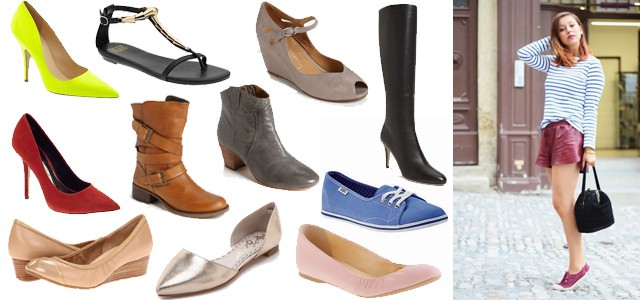
Footwear represents one of the most critical considerations for travelers preparing for a European itinerary. While urban residents frequently navigate historic cobblestones and uneven stone pathways in stiletto heels, wedges, ankle boots, and supportive leather flats, visitors are strongly cautioned against impractical footwear that risks physical discomfort or injury.
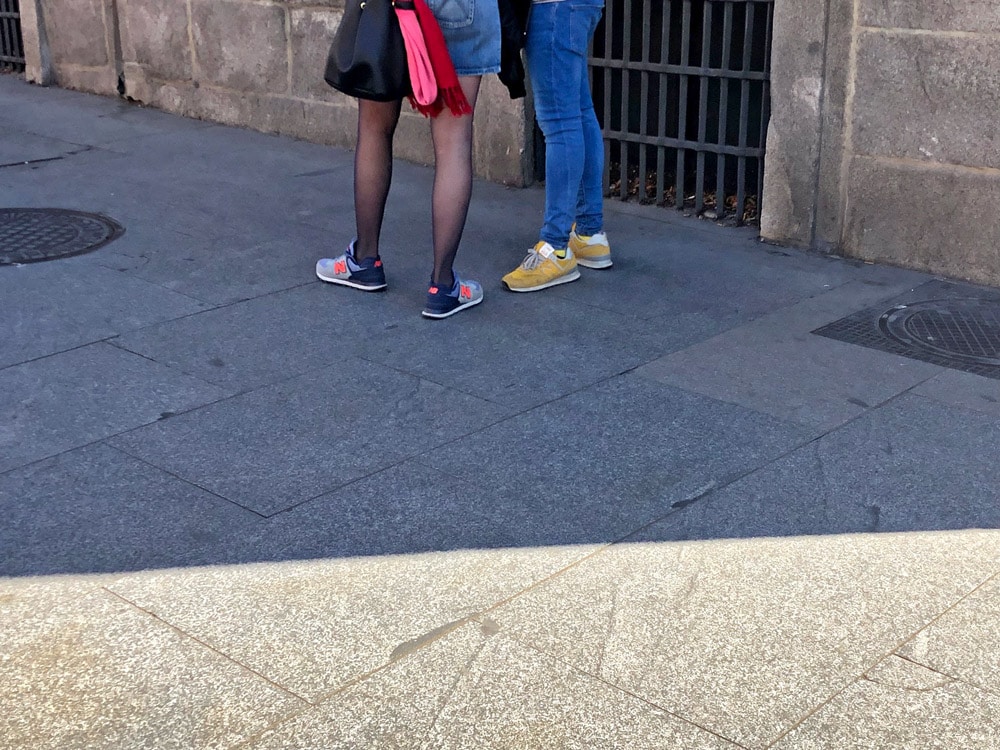
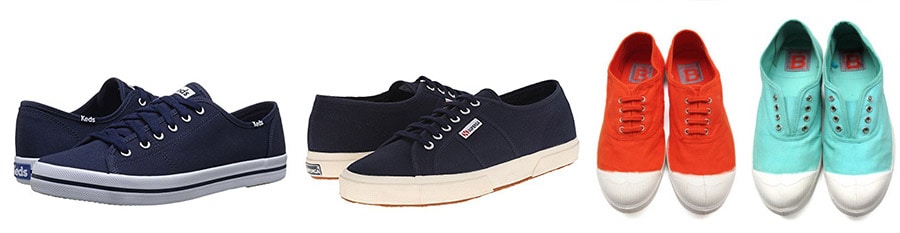
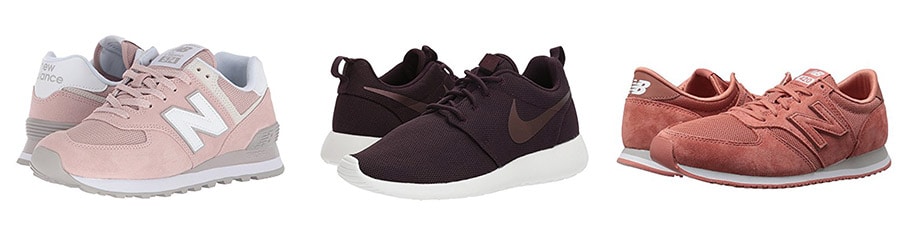
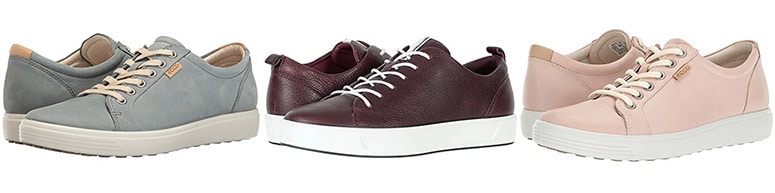
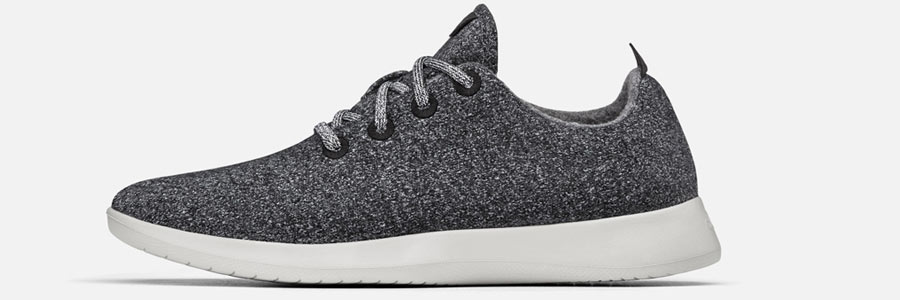
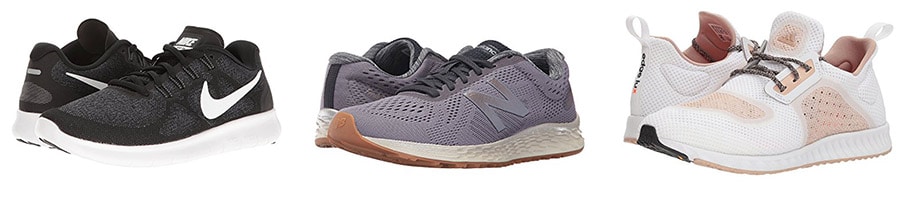
Historical city centers demand durability and ergonomic support. Consequently, the contemporary European footwear landscape heavily incorporates stylish yet functional sneakers. Brands such as Superga, Keds, Veja, Adidas, and Nike have successfully bridged the gap between athletic utility and high-end street style. Specialized footwear designed for travel—such as lightweight wool sneakers from Allbirds or orthopedic-grade comfort lines from Ecco and Born—allow travelers to walk extensive distances without sacrificing aesthetic integrity. Additionally, the strategic use of quality orthotic insoles, such as Superfeet, can substantially mitigate foot fatigue during extended sightseeing excursions.
Practical Packing Strategies and Luggage Optimization
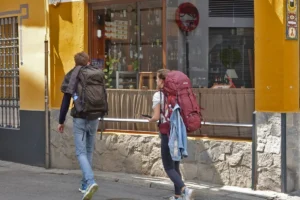
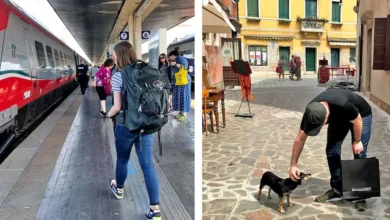
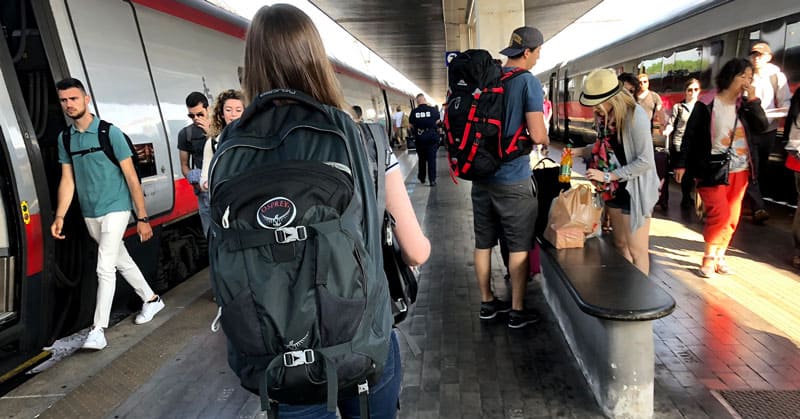
For international travelers, balancing stylistic aspirations with strict luggage limitations presents a logistical challenge. Transporting oversized luggage across European train stations, historic cobblestone streets, and narrow hotel stairwells lacking elevators can severely detract from the travel experience. Therefore, adopting a minimalist, highly coordinated packing strategy is essential.
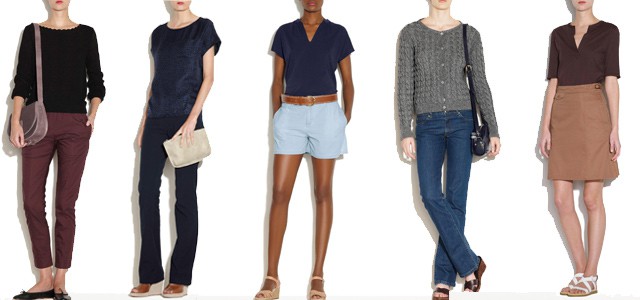
Maximizing Wardrobe Versatility: Sticking to a cohesive neutral color palette ensures that individual tops, bottoms, outerwear, and accessories can be easily interchanged to create multiple distinct outfits from a limited number of garments.
Technical Travel Fabrics: Modern apparel brands—including Athleta, Prana, and Anatomie—now specialize in travel-specific garments engineered from wrinkle-resistant, moisture-wicking, and odor-resistant technical fabrics that maintain a polished appearance throughout long transit days.
Organization Systems: Utilizing compression packing cubes, such as Eagle Creek Pack-It systems, maximizes internal luggage capacity while minimizing creases in sensitive fabrics. When selecting primary luggage, experienced travelers recommend prioritizing lightweight, maneuverable carry-on suitcases or ergonomic travel backpacks over bulky, hard-shelled trunks.
Accessories as Definitive Style Anchors

In the absence of an extensive wardrobe, accessories serve as primary instruments for personal expression and outfit transformation.
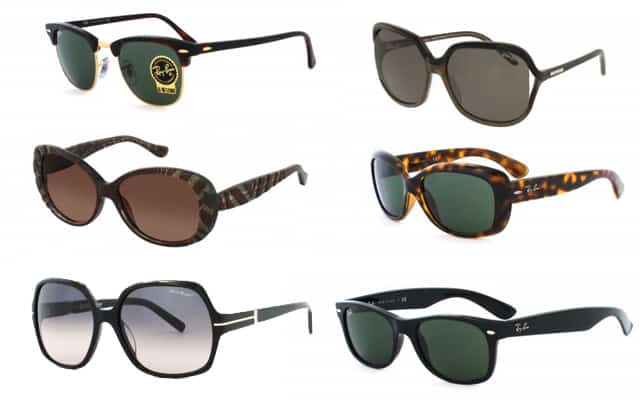
Eyewear: High-quality sunglasses featuring classic frames—such as bold 1970s-inspired silhouettes or durable designer frames from brands like Warby Parker—are standard accessories across all seasons.
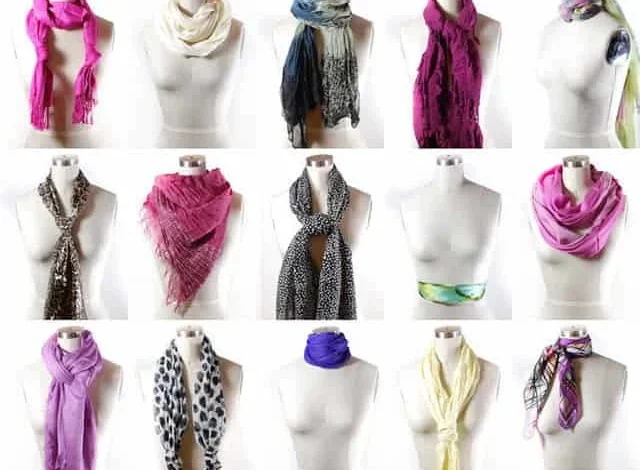
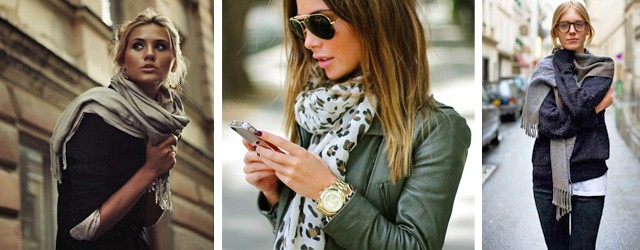
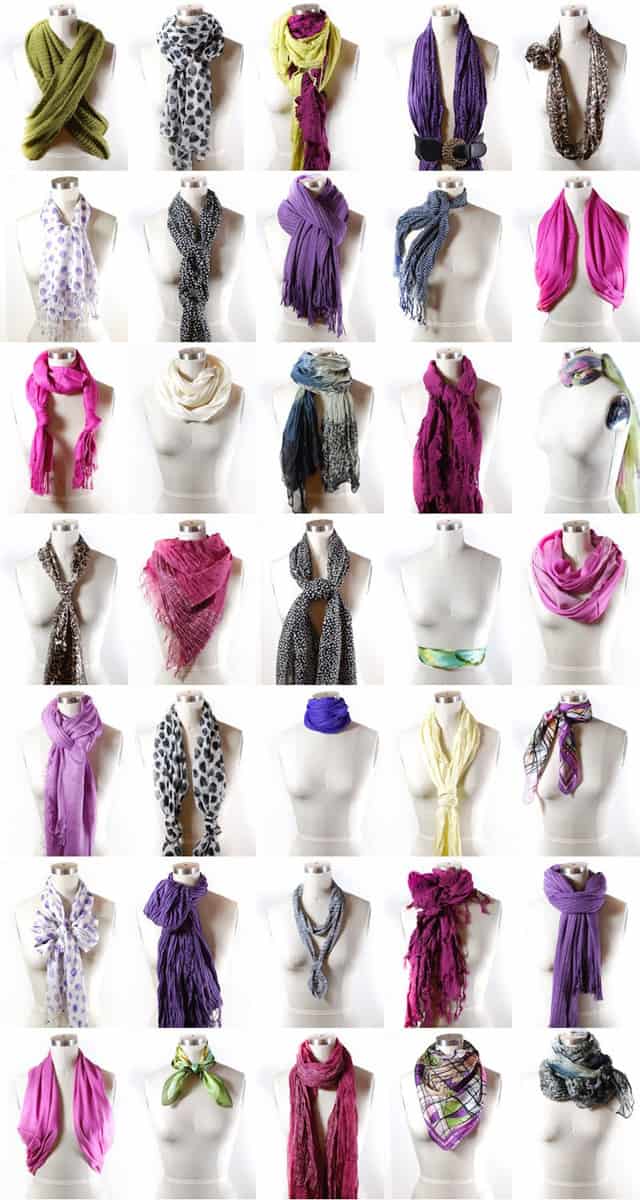
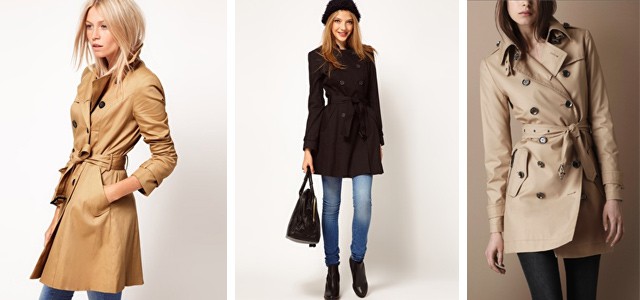
Outerwear and Layering: Classic trench coats remain an enduring symbol of European transitional weather, offering both weather protection and instant sophistication. Similarly, scarves function as both functional warmth and stylistic focal points, utilizing lightweight silks and cottons during warmer months and heavy wools in winter.
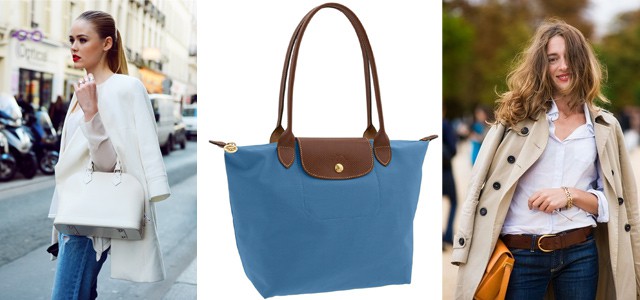
Bags and Security: Crossbody bags, structured totes, and messenger bags complete everyday ensembles while providing practical utility. Given the prevalence of petty theft in major tourist destinations, experts strongly advise selecting bags equipped with secure zippers and wearing them toward the front of the body to deter pickpockets.
Broader Implications for International Tourism
The ongoing convergence of comfort, functionality, and high-fashion aesthetics reflects shifting global consumer preferences toward sustainable and versatile wardrobes. As the travel industry rebounds and adapts to modern mobility demands, understanding regional fashion norms allows tourists to navigate foreign cultural landscapes with greater confidence and respect. By prioritizing quality over quantity, investing in versatile multi-use garments, and respecting local standards of public presentation, travelers can achieve a harmonious balance between practicality and quintessential European elegance.