The ongoing evolution of global fashion and international travel has blurred traditional sartorial boundaries, yet the challenge of dressing appropriately while visiting foreign countries remains a primary concern for modern globetrotters. For decades, travel literature has attempted to decode the elusive code of European style, frequently oscillating between extremes of overzealous formality and stark casualness. Travel experts and cultural observers note that while globalization has standardized retail options across continents—allowing young adults in major American and European metropolitan areas to shop at largely identical storefronts—distinct regional preferences in fit, coordination, and presentation still persist.
Understanding these subtle distinctions is rarely about adopting a radical new persona or attempting to pass as a native citizen of a specific European capital. Rather, seasoned travelers and security experts emphasize that avoiding overt tourist clichés serves a practical, protective function. Dressing with a degree of local integration helps travelers maintain a lower profile, mitigating the risks associated with targeted pickpocketing and common urban scams that frequently prey on visibly disoriented visitors.
The Evolution of Transatlantic Fashion and the Globalization Effect
Over the past twenty years, the widespread proliferation of fast-fashion chains, digital commerce, and international brand footprints has significantly reduced the sartorial gap between North America and Europe. The average twenty-something consumer in Chicago or Seattle often wears apparel nearly identical to their peer in Berlin, Madrid, or Paris. Denim, cotton t-shirts, and casual outerwear form the universal baseline of modern youth and young adult culture.

Despite this convergence, foundational philosophies regarding fit and presentation continue to diverge. European street fashion traditionally favors a more tailored, cohesive silhouette. Garments that emphasize proper proportions—neither excessively baggy nor restricting—tend to dominate urban environments. Consequently, while the actual items worn may be similar, the way they are styled, layered, and maintained frequently distinguishes the resident from the visitor.
Identifying the Tell-Tale Signs of the Uninitiated Tourist
To effectively minimize one’s visibility as an outsider, understanding what not to wear is widely considered the most efficient strategy. Cultural anthropologists and tourism analysts point out that clothing choices heavily telegraph a traveler’s origin and level of travel preparedness.

The Pitfalls of Head-to-Toe Athletic Wear
The most prominent indicator of American tourism abroad is the prevalence of comprehensive athletic attire worn during non-athletic activities. While Europeans certainly incorporate sportswear into daily life, full ensembles consisting of specialized running shoes, athletic shorts or moisture-wicking leggings, and branded gym tops are rarely seen outside of designated fitness venues or recreational parks. Wearing complete athletic gear while touring historical city centers immediately marks an individual as a tourist.
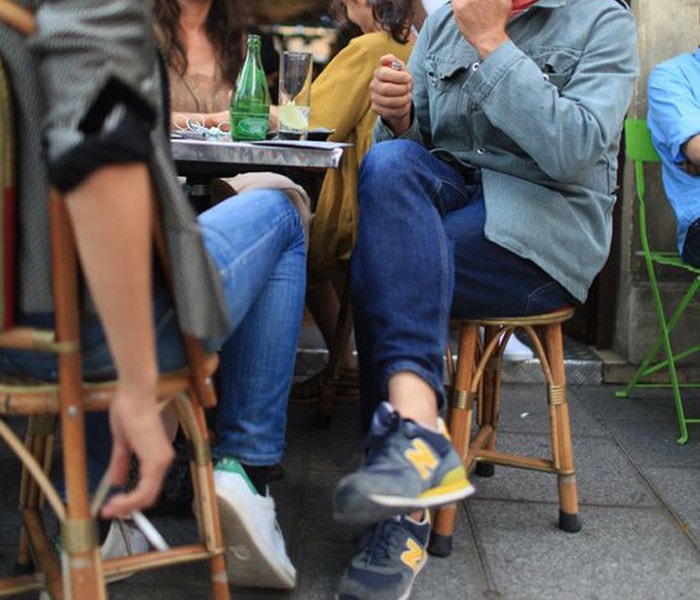
Similarly, specific footwear choices require careful consideration. European city exploration demands immense physical endurance, often accumulating multiple miles of walking across cobblestone streets and historical plazas each day. Therefore, supportive footwear is mandatory. However, fully technical running shoes outfitted with neon accents or high-performance soles stand out in metropolitan cafes and museums. Instead, fashion-conscious Europeans favor lifestyle sneakers—low-profile designs from brands like Nike, New Balance, and Adidas, or minimalist leather sneakers that bridge the gap between athletic comfort and urban aesthetic standards.
Traditional beachwear, such as rubber flip-flop sandals, is similarly restricted to coastal zones and swimming pools, while sweatpants, track pants, and soccer warm-ups are generally avoided in public urban settings unless part of a deliberate, high-fashion streetwear context.
Logos, Sports Memorabilia, and Excess
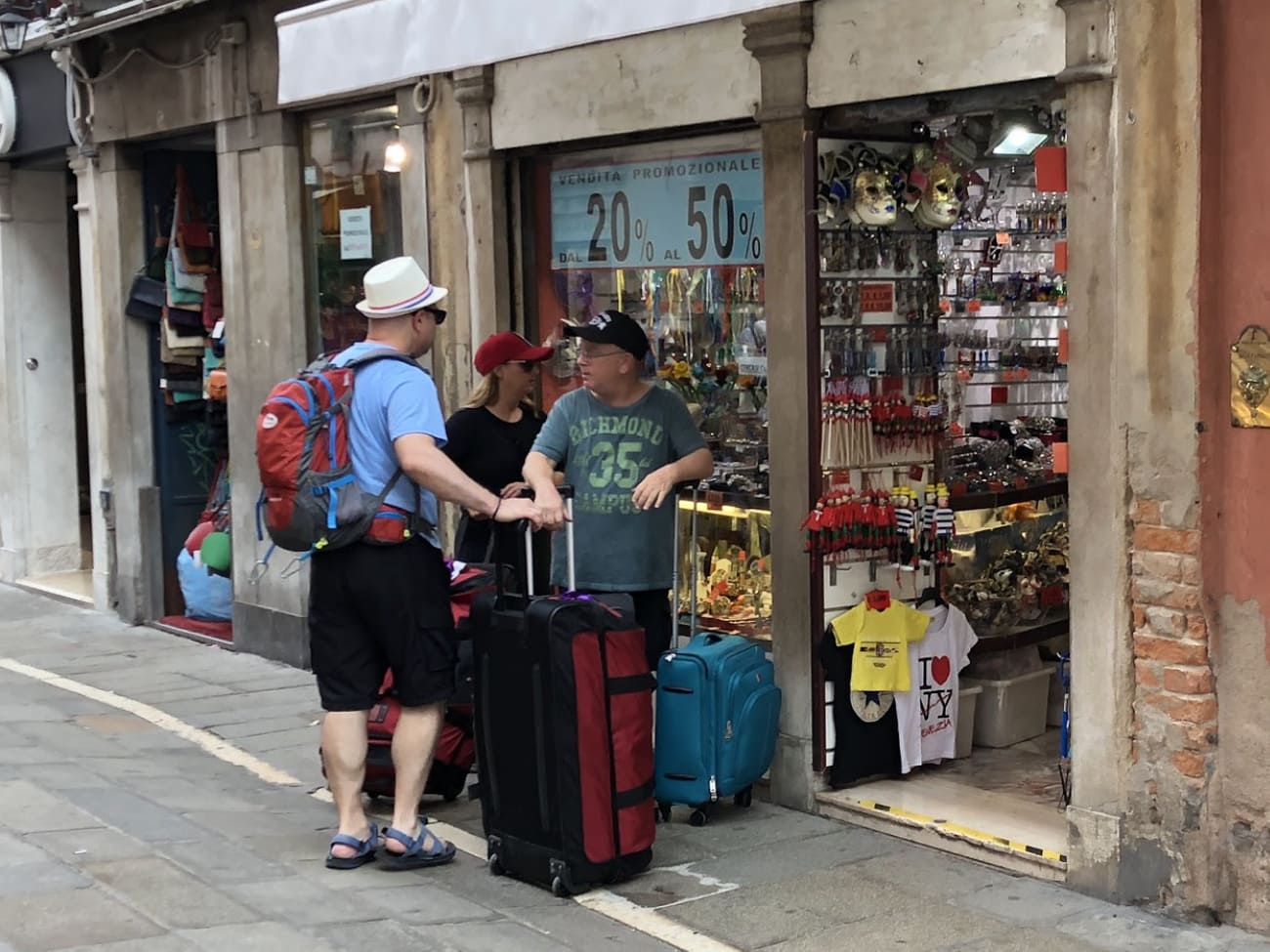
Another distinct marker of non-European identity is the prominence of regional sports fan gear. Baseball caps emblazoned with logos of local American league teams, collegiate apparel, and heavy corporate branding are comparatively rare across European capitals. While baseball caps have gained traction as casual accessories, wearing explicit local sports memorabilia guarantees immediate recognition as an international visitor.

Conversely, attempting to overcompensate by dressing in ultra-formal attire—such as full suits, overly sharp dress shoes, or high-end luxury evening wear for casual daytime sightseeing—carries its own set of risks. Not only does this cause unnecessary physical discomfort during long days of walking, but it also signals a level of affluence that can inadvertently attract opportunistic thieves and scam artists operating in crowded tourist hubs.
Constructing a Functional and Integrated European Wardrobe
Developing an effective travel wardrobe relies on balancing practicality, weight constraints, and visual neutrality. Attempting to replicate the entire seasonal wardrobe of a local resident is impractical, as travelers are typically restricted to the contents of a single suitcase or backpack.
The Core Elements of Smart Travel Style
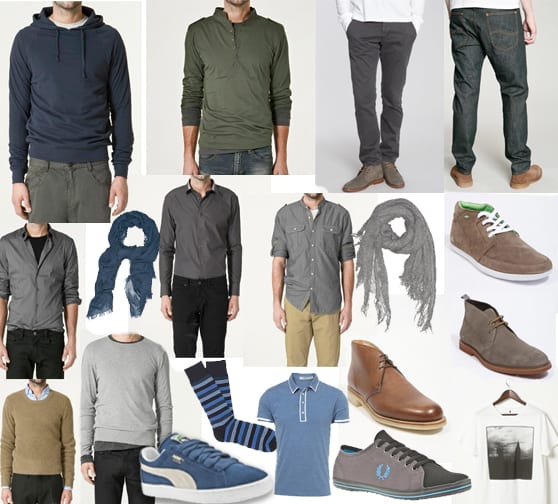
- Footwear: Prioritize comfort without sacrificing visual subtlety. Neutral-toned lifestyle sneakers or clean leather shoes provide the necessary ergonomic support for long walking days while remaining visually compatible with local urban wardrobes.
- Proper Fit: Emphasize garments that conform naturally to body proportions. Well-fitted denim, tailored trousers, and structured t-shirts instantly elevate a casual outfit without requiring complex styling.
- Neutral Palettes: Sticking to a foundational color scheme consisting of black, charcoal gray, navy blue, and earthy tones simplifies packing. Neutral colors not only streamline outfit coordination through easy mixing and matching, but they also effectively conceal minor travel stains and wrinkles acquired during transit.
- Versatile Layering: Incorporating button-up shirts, lightweight chore coats, or denim jackets allows travelers to adapt rapidly to fluctuating indoor and outdoor temperatures while adding depth and structure to basic outfits.
- Accessories: A sensible, understated wristwatch eliminates the need to constantly check a smartphone while navigating complex transit systems or historical sites. Timepieces featuring 24-hour or military time formats are particularly practical in Europe, where the 24-hour clock governs official schedules, train departures, and business hours.
Practical Adjustments: Daytime Exploration Versus Evening Outings
Dressing for a European journey requires a strategic shift between daytime functionality and evening social settings.
During the daylight hours, when travelers navigate congested historical landmarks alongside thousands of fellow tourists, physical comfort remains paramount. Breathable, lightweight fabrics are essential during intense summer heat, whereas wind- and water-resistant layers are critical for winter excursions. The objective during the day is unpretentious utility—clothing that allows for unrestricted movement while maintaining a clean, respectable appearance.
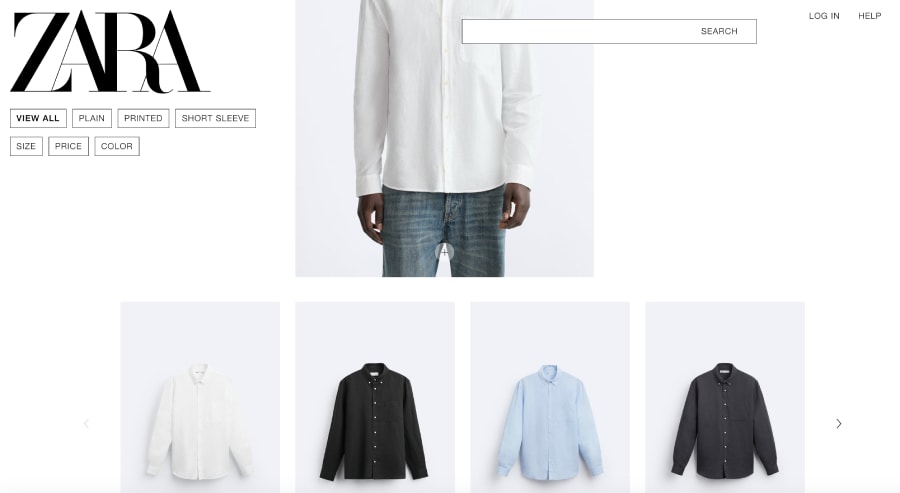
As evening approaches, elevating one’s attire slightly is customary when dining out or visiting cultural establishments. Swapping a daytime t-shirt for a well-fitted button-up shirt, paired with dark denim and clean minimalist sneakers, provides an appropriate level of polish for the vast majority of restaurants, bars, and theaters without necessitating formal evening wear.
Implications for Modern Travel and Luggage Efficiency
The overarching philosophy of modern travel fashion centers on minimalism and efficiency. The historical tendency to over-pack stems from anxiety over unfamiliar social norms and weather unpredictability. However, industry data from travel goods manufacturers indicates a rising preference for capsule wardrobes—collections of interchangeable, high-tech, or durable natural-fiber garments that reduce luggage weight and streamline mobility.

Ultimately, mastering travel style in Europe is less about adhering to rigid aesthetic rules and more about exercising cultural awareness and practical common sense. By prioritizing well-fitted basics, neutral color palettes, and supportive yet understated footwear, travelers can navigate international destinations with greater confidence, comfort, and security.