The Ultimate Guide to Choosing the Best Travel Backpacks for Urban Exploration and Global Transit


The global travel accessories market has experienced a significant surge in demand, driven by an expanding demographic of urban explorers and international travelers seeking luggage that balances structural comfort, functional utility, and aesthetic refinement. Over the past fifteen years, the landscape of travel gear has transformed radically, moving away from traditional rigid-frame suitcases and clumsy outdoor camping equipment toward specialized, point-to-point urban travel backpacks. This evolution reflects changing consumer habits, as modern travelers increasingly prioritize mobility, carry-on compliance, and ergonomic efficiency when navigating international transit networks.

Background Context and Evolution of Travel Gear
For decades, long-term travelers and backpackers traversing Europe and developing transit hubs faced a distinct dilemma. The market offered essentially two polarized choices: traditional wheeled suitcases, which proved entirely unmanageable across historic cobblestone streets, endless subway staircases, and crowded railway platforms; or heavy-duty, top-loading hiking backpacks designed for wilderness expeditions rather than urban transit. These wilderness packs, while comfortable for long-distance trail hiking, lacked the fundamental practicality required for city travel, forcing users to empty their entire contents to locate a single item stored at the bottom.
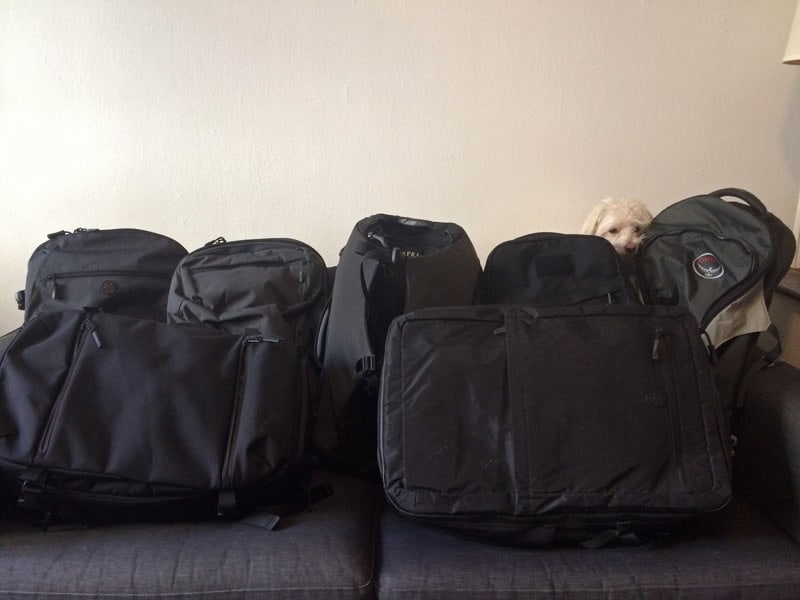
Around the mid-2000s, specialized manufacturers began recognizing the distinct requirements of urban transit. The emergence of budget airlines with stringent baggage size and weight restrictions further accelerated this shift. By the early 2010s, a new category of "travel backpacks" solidified within the retail market. These bags synthesized the ergonomic suspension systems of mountaineering gear with the clamshell opening mechanisms and organizational layouts of traditional suitcases. Consequently, travelers gained the ability to move seamlessly through airports, bus terminals, and city centers without incurring exorbitant baggage fees or struggling with unwieldy luggage.

Comprehensive Market Analysis: Top Travel Backpack Options
To establish objective standards for modern travel gear, industry experts and frequent flyers have extensively field-tested more than twenty-five prominent models across varying price points, spanning from $100 to over $300. Market evaluations emphasize that no single backpack satisfies every traveler’s unique requirements, as trip duration, packing volume, and personal ergonomics dictate different structural needs.
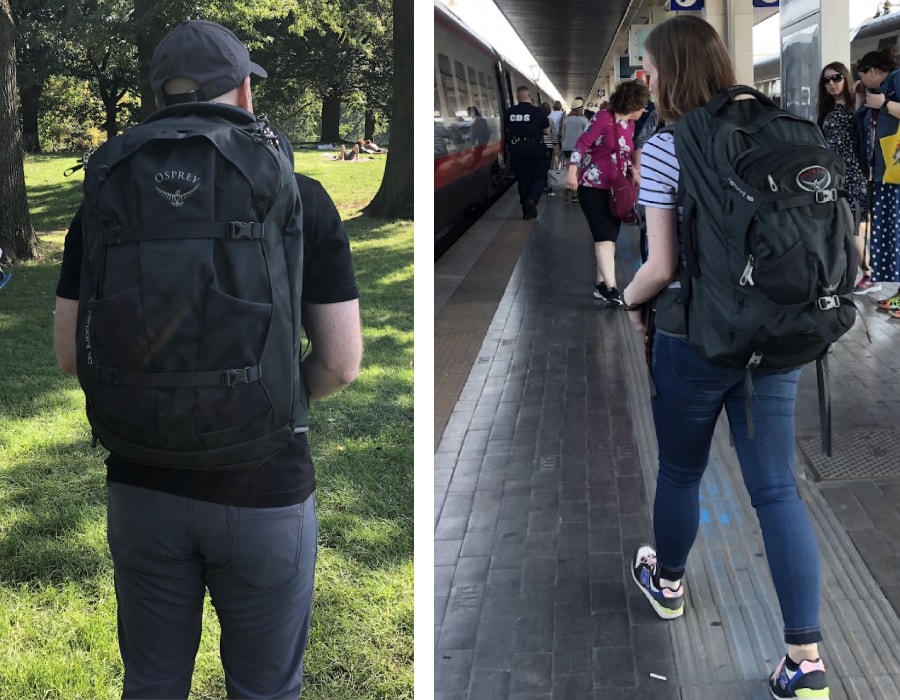
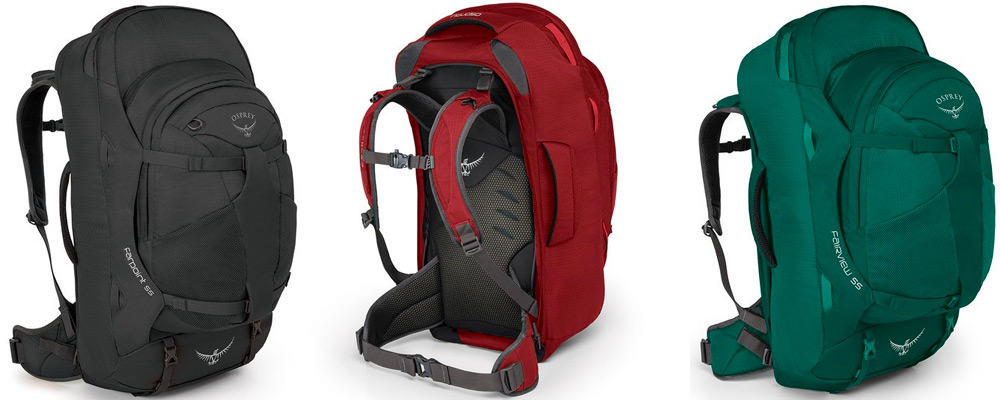
Osprey Farpoint and Fairview: The Versatile Industry Standard
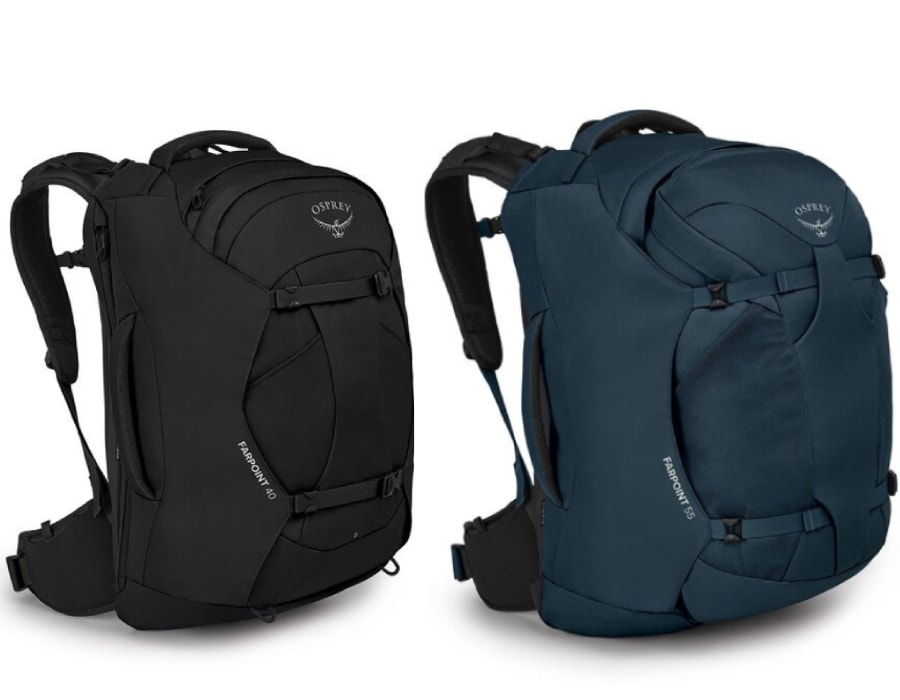
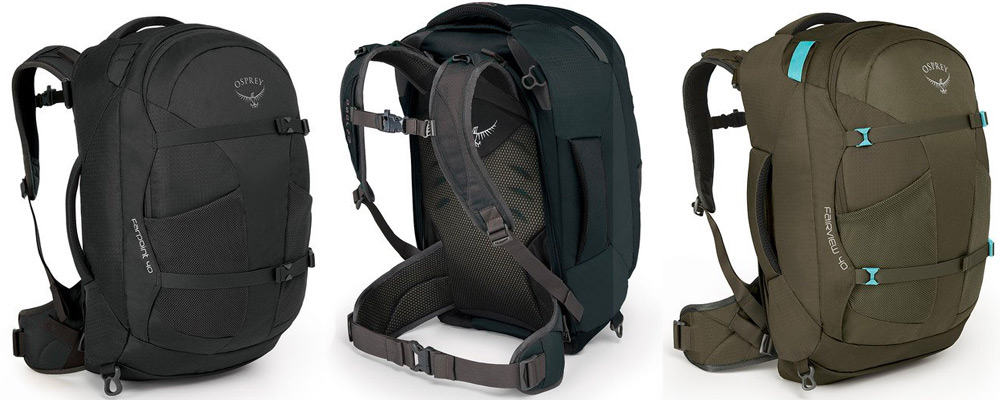
The Osprey Farpoint (and its female-specific counterpart, the Osprey Fairview) remains a benchmark in the all-around travel backpack category. Following a significant structural redesign implemented to optimize carry-on compliance, these models feature an upgraded mesh-covered rigid foam back panel and a strategically repositioned laptop compartment. Utilizing a hiking-style shoulder harness combined with a full clamshell suitcase opening, the Farpoint balances load distribution with packing accessibility. Furthermore, the inclusion of stowable shoulder straps ensures that the harness remains protected during automated baggage handling processes.
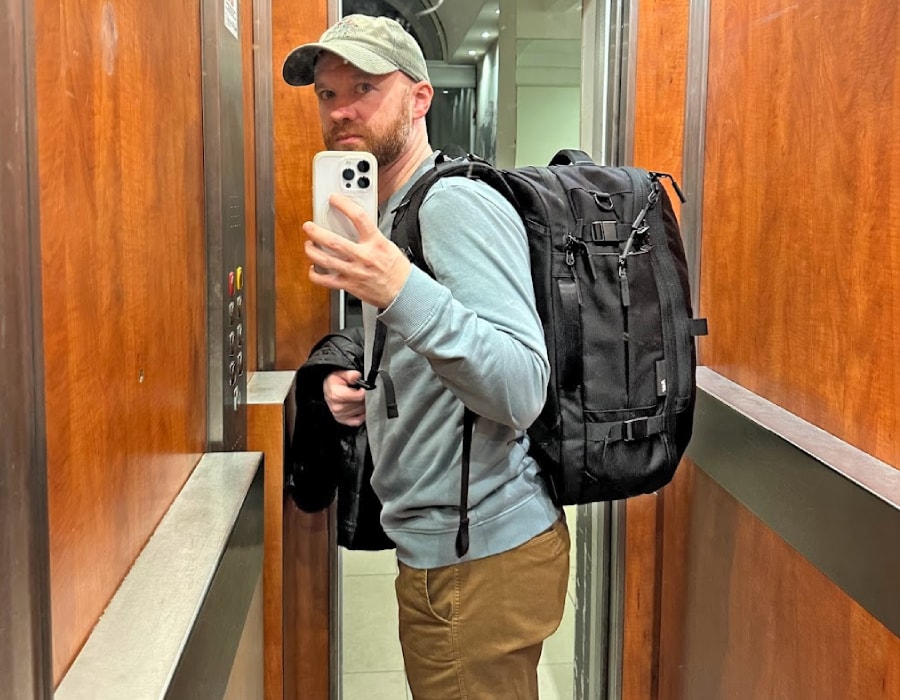
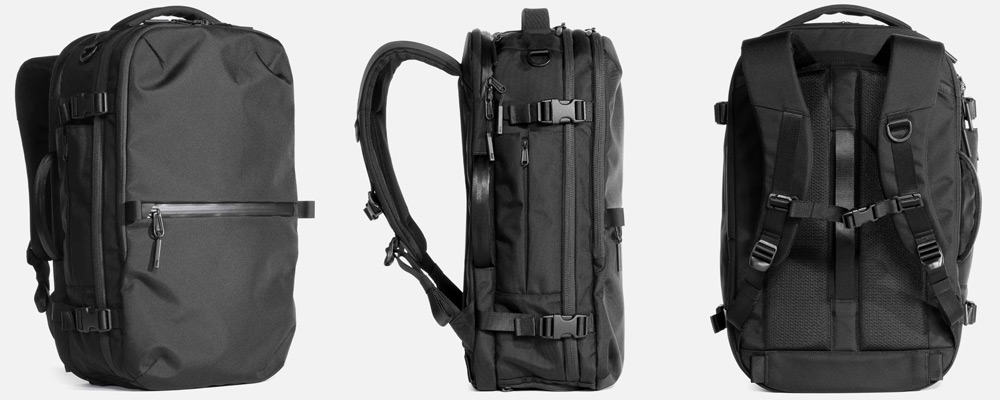
Aer Travel Pack 3: Minimalist Urban Utilitarianism
Engineered specifically for minimalist travelers and digital nomads, the Aer Travel Pack 3 offers a robust 35-liter capacity tailored for urban environments. Distinguished by its heavy-duty synthetic fabrics, clean exterior lines, and sophisticated internal compartmentalization, this model targets professionals who require sleek aesthetics without sacrificing structural integrity. Its compact dimensions ensure effortless placement in airline overhead bins or beneath passenger seats, making it an optimal companion for short- to medium-duration business trips and city breaks.
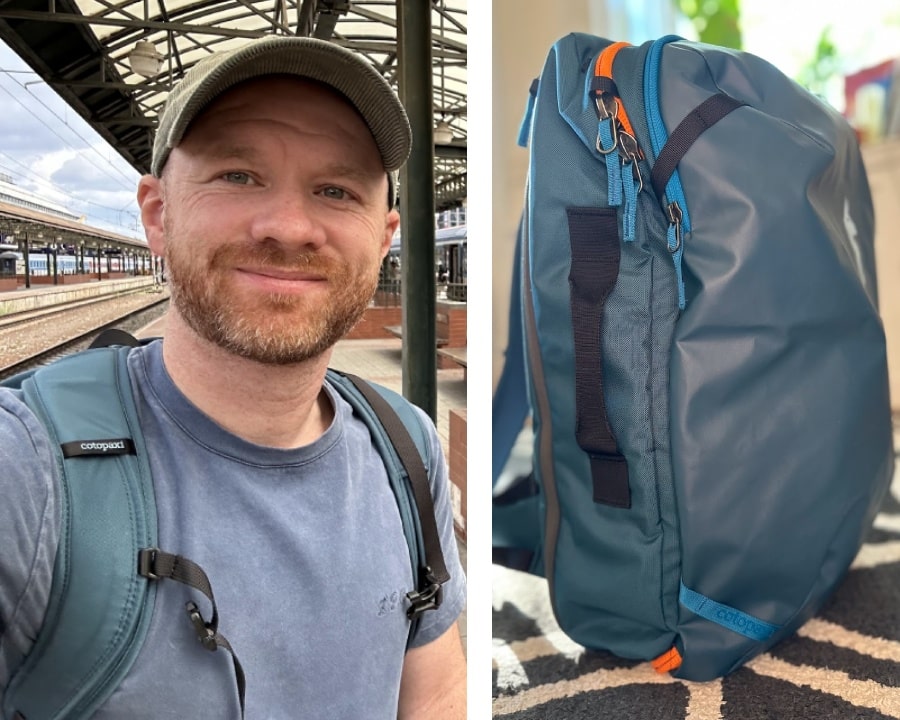
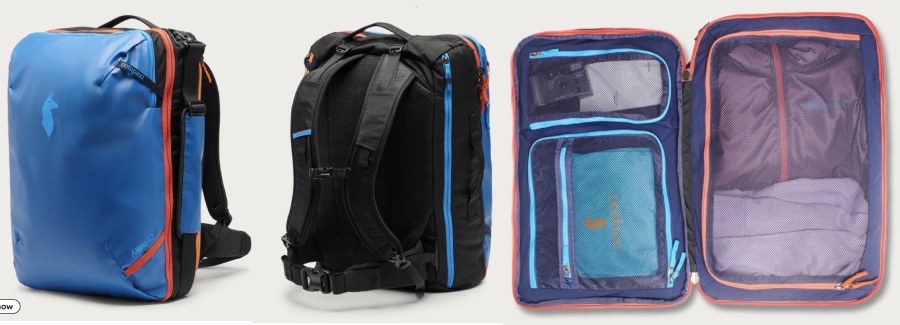
Cotopaxi Allpa 42L: Design Integration and Durability
The Cotopaxi Allpa 42L has garnered substantial industry recognition for merging distinctive visual styling with rugged construction. Designed with tamper-resistant, color-coded zippers and a durable shell fabric, the Allpa series addresses the common critique that travel backpacks lack visual appeal. Its internal layout utilizes mesh compartment dividers that mirror traditional luggage organization, reducing the shifting of contents during transit. While a 35-liter variant exists, the 42-liter version remains the preferred recommendation for trips exceeding a standard weekend.
Osprey Sojourn Porter: Maximum Volume Gear-Hauling
For travelers requiring high-capacity packing space without transitioning to oversized expedition packs, the Osprey Sojourn Porter series offers a structured "turtle shell" design. Redesigned to enhance structural rigidity, the 46-liter variant maximizes internal volume while maintaining compatibility with standard carry-on regulations. Although slightly less anatomically contoured than the Farpoint series, the Sojourn Porter excels as a dedicated gear-hauling solution for multi-destination urban itineraries.
Tortuga Travel Backpack 40L: Heavy-Duty Performance
Constructed from high-performance sailcloth fabric originally developed for racing boat sails, the Tortuga Travel Backpack 40L is engineered to withstand rigorous environmental conditions. Featuring a robust, adjustable suspension system that includes a supportive hip belt and heavy-duty padding, this model is built for travelers who prioritize long-term wearability and extensive internal organization. Available in both 30-liter and 40-liter configurations, the Tortuga series represents a premium investment in longevity and weather resistance.
Comparative Analysis: Travel Backpacks Versus Hiking Backpacks
Understanding the mechanical and structural differences between travel-specific backpacks and traditional hiking backpacks is critical for making an informed purchasing decision.
| Feature | Travel Backpacks | Hiking Backpacks |
|---|---|---|
| Opening Mechanism | Clamshell / Suitcase-style front zipper | Top-loading with drawstring closure |
| Shape and Layout | Boxy, rectangular profile for efficient packing | Elongated, tubular profile to center weight |
| Suspension System | Versatile, often stowable straps and minimalist hip belts | Advanced, load-bearing anatomical harnesses |
| Urban Suitability | High; streamlined profiles prevent snagging in crowds | Low; protruding frames and gear loops catch on obstacles |
While hiking backpacks frequently provide superior comfort for extended ambulatory periods due to their advanced lumbar support and weight-centering design, their lack of front-access zippers makes daily organization cumbersome in urban settings. Conversely, travel backpacks sacrifice a degree of trail-specific ergonomics for operational efficiency, allowing users to access packed items immediately upon arrival at a destination.
Technical Specifications and Buying Criteria
When selecting a travel backpack, consumers must evaluate several core technical components to align the product with their specific travel patterns:
- Capacity and Liter Sizing: Backpack volumes range typically from 30L to 50L+. Standard airline carry-on allowances generally accommodate bags up to 45 liters, though strict weight limits imposed by low-cost carriers often dictate the actual volume of contents a traveler can carry.
- Suspension and Ergonomics: Advanced harness systems distribute weight evenly across the shoulders, chest, and hips. Gender-specific models, such as Osprey’s women’s lines, feature modified strap curvatures and torso lengths to accommodate anatomical differences.
- Material Composition: High-denier nylons (such as 420D or 1680D Ballistic Nylon) and specialized coatings provide abrasion resistance and structural longevity. While manufacturers emphasize proprietary fabric branding, the weave density and stitching quality remain the primary indicators of durability.
- Hardware Integrity: Industry standards favor YKK zippers due to their tensile strength and resistance to separation under heavy packing loads. Weather-sealed zipper flaps offer supplementary protection against environmental moisture.
Broader Implications and Industry Impact
The proliferation of high-performance travel backpacks reflects a broader cultural shift toward experiential, frictionless travel. As international transportation hubs implement stricter baggage policies and automated check-in procedures, the ability to travel exclusively with carry-on luggage has transitioned from a niche preference to an economic and logistical advantage. By eliminating checked bag fees, reducing transit delays associated with baggage reclaim, and offering unencumbered mobility across diverse geographical terrains, the modern travel backpack has fundamentally reshaped how contemporary society explores the globe.