The Hidden Cost of Tourism: How Travelers Are Rethinking Ethical Boundaries and Animal Welfare at Global Landmarks

The intersection of global tourism and animal welfare has increasingly become a subject of intense ethical scrutiny. Across international destinations, attractions once promoted as bucket-list experiences—such as elephant riding in Thailand, handling sea turtles in the Cayman Islands, and lion-walking excursions in South Africa—face growing condemnation from conservationists and tourists alike. While travelers are naturally drawn to the cultural and historical marvels of the world, the modern tourism industry often operates in a manner that exacts a severe toll on wildlife, working animals, and local ecosystems. Beneath the curated marketing campaigns and iconic UNESCO World Heritage sites lies a harsher reality defined by systemic exploitation.
This tension is prompting a profound shift in traveler behavior, exemplified by individuals who choose to cancel long-planned itineraries upon discovering the conditions endured by working animals. For Michiko, a traveler who had spent years organizing a comprehensive tour of Egypt and Jordan, a dream journey ultimately unraveled during the final stages of itinerary planning. Drawn to the regions for their ancient civilizations and globally celebrated historical monuments, Michiko’s excitement turned to distress upon reviewing travel forums and independent investigations detailing the treatment of working horses, camels, and donkeys near major archaeological sites.
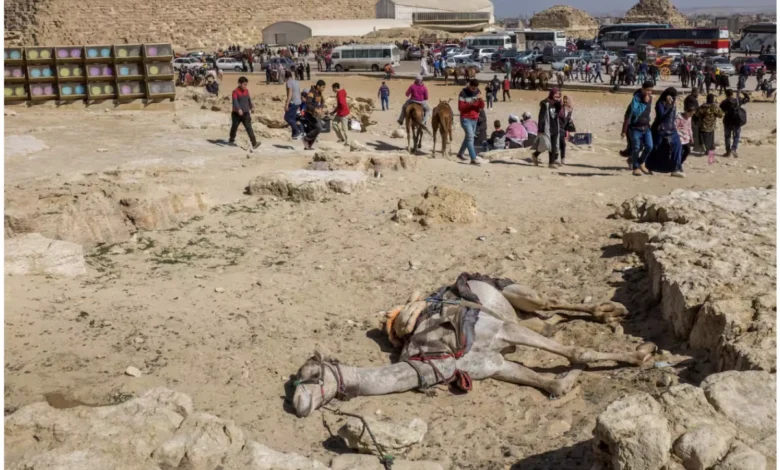
According to traveler accounts, investigations by organizations like PETA, and extensive documentation on digital forums, prominent landmarks such as the Giza Pyramids conceal widespread animal welfare crises. Reports describe horses and camels suffering from severe physical abuse, mutilated and bleeding noses, and extreme emaciation, with skeletal structures visible under harsh desert conditions. Furthermore, documentation highlights exotic creatures kept in dark, restrictive enclosures for decades, alongside unofficial desert disposal sites—frequently referred to by local critics and activists as animal graveyards—where exhausted working animals are allegedly abandoned when they are no longer deemed economically useful by handlers.
Local operators often defend these practices as cultural traditions or argue that the mistreatment stems from chronic economic hardship and poverty. However, this defense has been heavily challenged by ethicists and advocates who argue that systemic abuse cannot be rationalized by socioeconomic status. The debate underscores a growing philosophical and practical challenge for the global tourism sector: how to balance local livelihoods and historical customs with internationally recognized standards of humane treatment.
The Role of Digital Advocacy and Firsthand Documentation
The dissemination of these realities has been accelerated by digital platforms, where travelers routinely share firsthand accounts, photographs, and video evidence. Forums on TripAdvisor, Reddit, and social media channels have transformed from simple trip-planning tools into critical watchdogs for global tourism ethics. Documentation shared across these platforms details not only the mistreatment of equines at historic sites in Egypt but also concerns regarding captive wildlife, such as Nile crocodiles kept in substandard conditions at tourist stops along the Nile River in Luxor and Aswan.
This transparency has empowered prospective visitors to scrutinize their travel choices before departure. Rather than encountering these conditions upon arrival, a growing cohort of tourists is conducting rigorous pre-trip research, leading to cancellations and direct protests. Recognizing the collective influence of consumer spending, some travelers are moving beyond personal boycotts to engage in institutional accountability.
In response to the documented abuses, Michiko took the step of formally writing to the Egyptian Ministry of Tourism and Antiquities and the Egypt Tourism Promotion Authority. These communications raised urgent concerns regarding the enforcement of animal welfare laws within high-traffic tourism zones and questioned the compatibility of such practices with the international prestige associated with UNESCO World Heritage status.

Institutional Responses and Regulatory Shifts
The pressure from international advocacy groups, non-profit organizations, and individual travelers has begun to elicit localized policy changes within host countries. Organizations such as the Society for the Protection of Animal Rights in Egypt (SPARE) and People for the Ethical Treatment of Animals (PETA) have long spearheaded efforts to reform working conditions, provide veterinary care, and lobby governments for stricter regulations. These entities supply travelers with resources, including petition templates and direct contact channels, to amplify pressure on local authorities.
Indications of regulatory shifting became apparent in April 2026, when Egypt’s Chamber of Tourism Establishments and Restaurants issued an official directive prohibiting the use of animals—encompassing both domestic working species and wild animals—in artistic and entertainment performances across hotel and tourism facilities. While this regulatory action represents a constructive step forward for captive animal welfare, animal rights advocates emphasize that the ban addresses only a fraction of the broader crisis. Working animals deployed for transport and recreation at open-air archaeological sites largely remain outside the scope of such directives, underscoring the gap between official policy execution and ground-level realities.
This regulatory lag raises complex questions regarding the oversight responsibilities of international bodies. UNESCO and other global cultural preservation organizations face ongoing calls from civil society to incorporate explicit animal welfare metrics into their site evaluations and heritage management frameworks. Critics argue that the global prestige of a World Heritage designation should be contingent not only on the preservation of inanimate structures and historical artifacts, but also on the humane treatment of the living beings that inhabit and service those landscapes.
Economic and Ethical Implications for the Global Tourism Industry
The financial and reputational stakes for destination countries are substantial. Tourism constitutes a vital pillar of the economies of Egypt and Jordan, contributing significantly to gross domestic product and employment. However, the persistence of well-documented animal abuse risks alienating a lucrative demographic of socially conscious travelers.
Economic analysis of modern consumer trends indicates that sustainability and ethical responsibility are increasingly prioritized in travel decision-making. When high-profile destinations fail to meet these evolving expectations, the economic fallout can extend beyond individual cancellations to broader reputational damage. Conversely, destinations that proactively integrate animal welfare and environmental stewardship into their tourism frameworks are positioned to capture this growing market segment.
Organizations such as Ethical Traveler evaluate nations annually based on criteria including human rights, environmental protection, and social welfare, publishing indices of developing countries that successfully balance tourism growth with ethical governance. These assessments demonstrate that economic development and compassionate treatment of both people and animals are not mutually exclusive.
Charting a Path Forward for Responsible Travel
As the global tourism landscape continues to evolve, the onus increasingly falls on a tripartite coalition: travelers, local governments, and industry operators. For individuals planning international travel, mitigating harm requires a multi-step approach:
- Comprehensive Pre-Trip Research: Reviewing independent forums, investigative reports, and updates from recognized animal welfare organizations to identify destinations or specific excursions associated with animal exploitation.
- Avoiding Exploitative Itineraries: Deliberately bypassing attractions that involve working animals in high-stress environments, captive wildlife encounters, or performances utilizing live animals.
- Supporting Ethical Alternatives: Choosing operators that prioritize conservation, fair labor practices, and transparent welfare standards for any animals utilized in tourism.
- Active Engagement: Utilizing communication channels provided by advocacy groups to report abuses directly to tourism ministries, embassies, and cultural heritage organizations, thereby demanding structural reform.
Ultimately, the decisions made by individual tourists carry collective weight. By aligning financial expenditures with ethical principles, travelers possess the leverage to influence industry standards, encouraging destination management organizations to transition away from exploitative practices and toward a more sustainable, humane model of global tourism.
Related posts: