The Evolution of Digital Nomad Infrastructure: How Global Coliving Networks Are Reshaping Remote Work Real Estate

The intersection of international travel and professional productivity has long presented a logistical paradox for the global workforce. For decades, location-independent professionals—commonly known as digital nomads—navigated a fragmented landscape of makeshift workspaces, ranging from hostel common rooms with unreliable connectivity to private residential rentals plagued by misleading internet speeds. However, the post-pandemic expansion of remote work has catalyzed a structural shift in how temporary housing and workspace integration are delivered globally. At the forefront of this transformation is the rise of hybrid coliving networks, which synthesize boutique hospitality, enterprise-grade digital infrastructure, and curated community engagement.
Main Facts: The Rise of Institutionalized Coliving
The contemporary digital nomad economy no longer relies solely on sporadic coffee shop Wi-Fi or traditional short-term holiday rentals. Instead, specialized networks—most notably Outsite, founded in 2015—have established standardized infrastructure specifically engineered for location-independent professionals.
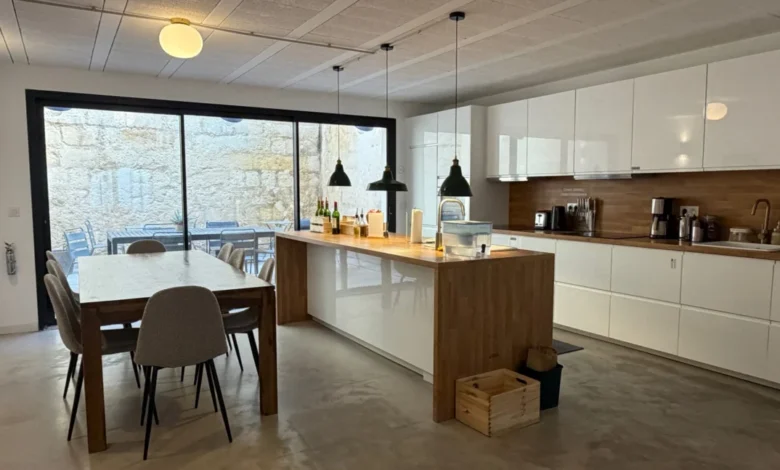
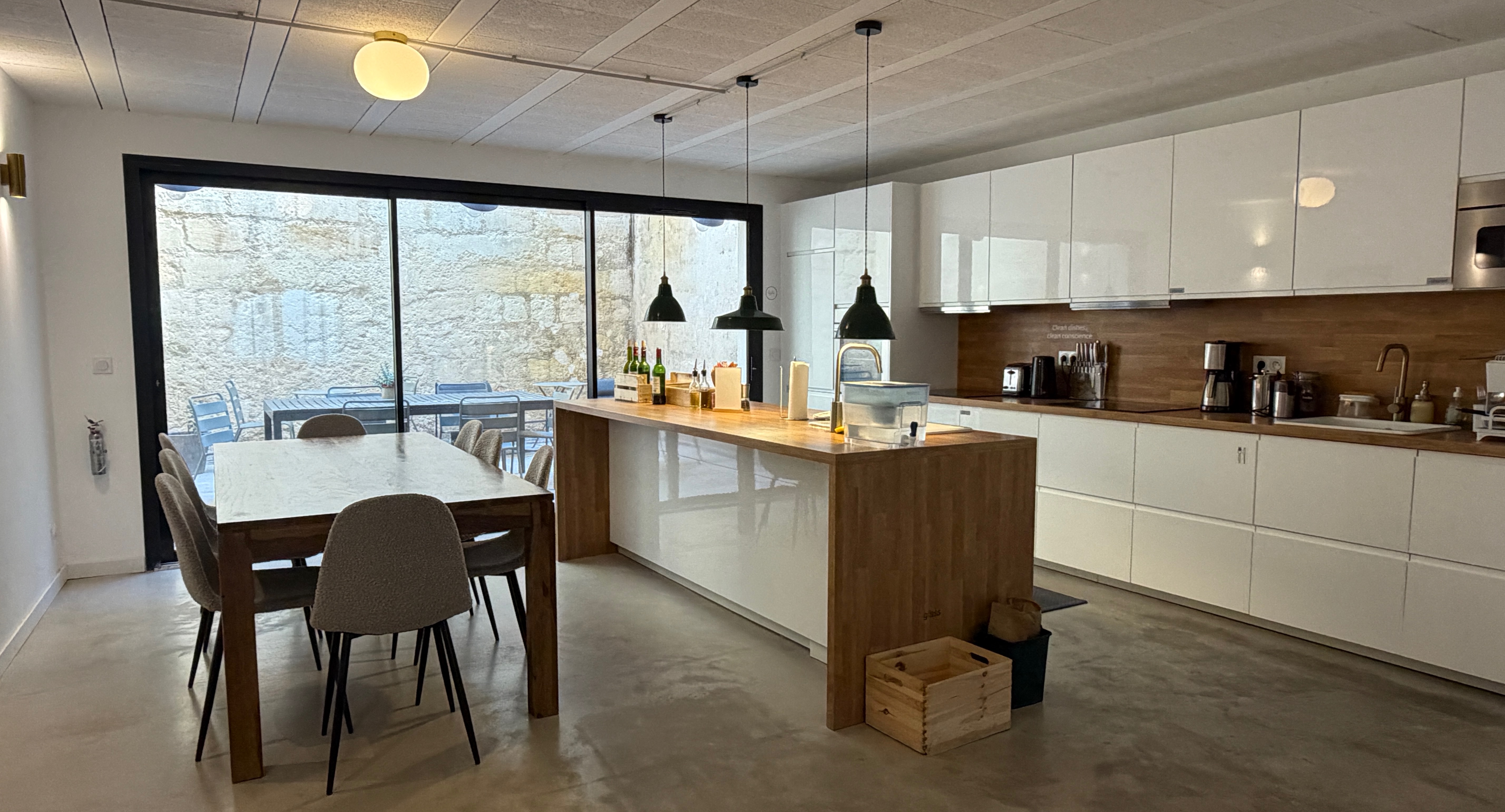
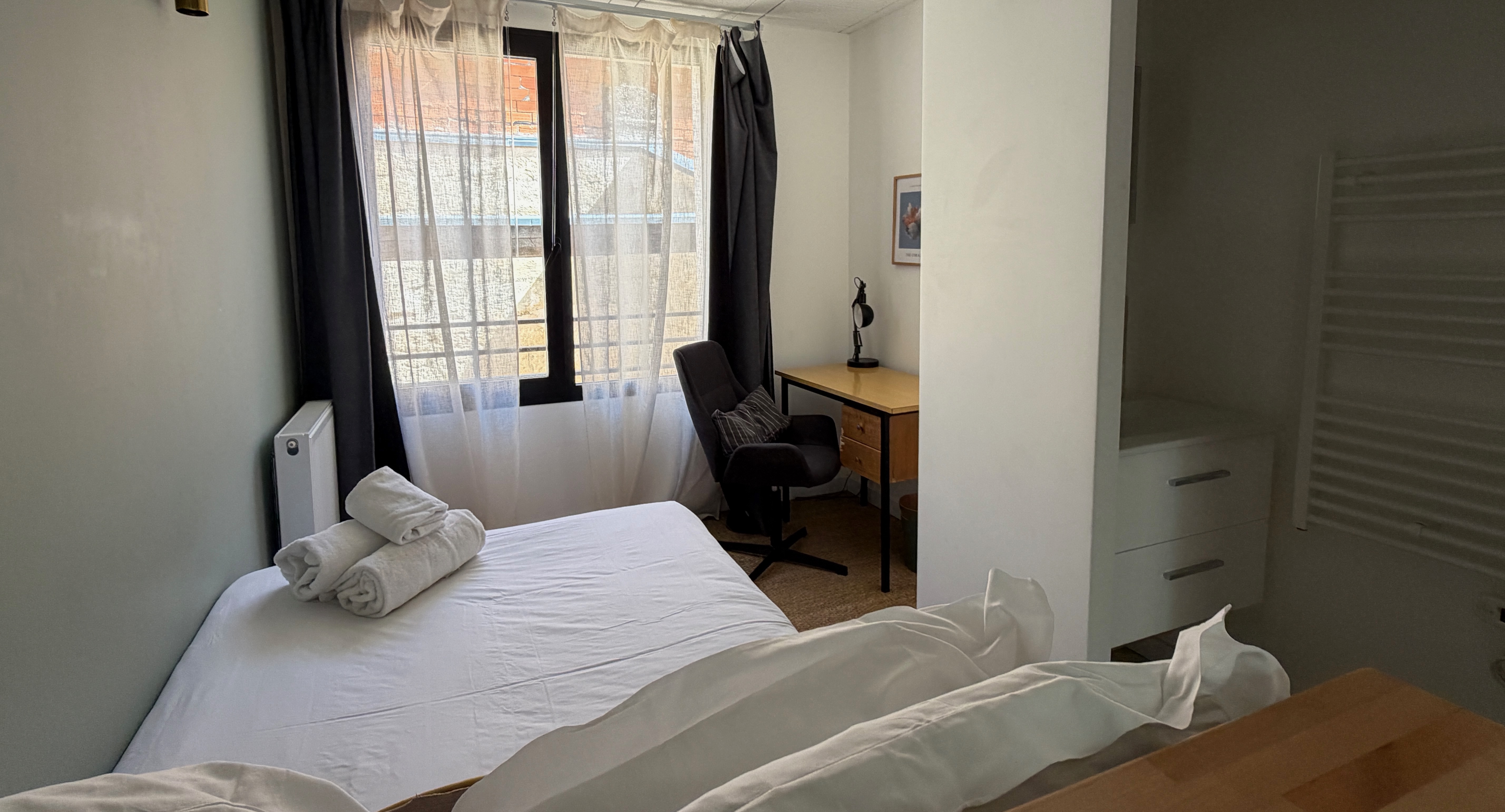
Operating at the intersection of a boutique hotel and a dedicated coworking facility, these networks provide private residential quarters complemented by professional-grade work environments. Unlike traditional backpacker hostels that prioritize dormitory-style accommodations and youth-oriented tourism, modern coliving spaces cater primarily to mid-career professionals, entrepreneurs, and corporate remote employees. Memberships and booking models within these ecosystems provide access to private en-suite rooms, fully equipped communal chef’s kitchens, structured networking events, and high-speed enterprise Wi-Fi.

Industry data indicates that the global remote workforce has expanded exponentially over the last five years. According to workforce analytics firms, tens of millions of individuals now classify themselves as digital nomads or long-term remote workers, creating continuous demand for standardized, plug-and-play living and working environments that eliminate the administrative friction of traditional leasing.
Chronology and Evolution of the Coliving Sector
The modern coliving movement originated in modest settings before expanding into a globally distributed institutional asset class.
- 2015: The sector’s foundational phase began when Outsite launched its inaugural property in Santa Cruz, California. Conceived initially as a niche experiment for outdoor enthusiasts and surfers who required continuous internet connectivity, the model demonstrated the viability of combining residential comfort with dedicated remote workstations.
- 2016–2019: Driven by the proliferation of cloud-based enterprise tools and an increasing corporate tolerance for remote arrangements, early-stage coliving brands expanded operations to secondary and primary markets across North America and Western Europe, testing various membership tiers and community-management frameworks.
- 2020–2022: The COVID-19 pandemic served as an inflection point. While international travel experienced severe disruptions, the subsequent global normalization of remote work permanently altered corporate policies. Upon the reopening of international borders, demand for flexible, lease-free professional housing surged as corporate employees sought lifestyle mobility without sacrificing career output.
- 2023–Present: The sector matured into a global hospitality sub-market. Major operators now manage expansive portfolios spanning urban centers, coastal regions, and mountain destinations. Platforms have introduced tiered membership structures—including annual and lifetime subscription options—providing perks such as discounted extended stays, dedicated digital job boards, and reciprocal access to a global network of properties.
Supporting Data and Economic Mechanics
The economic rationale behind specialized coliving networks involves a comparative cost-benefit analysis of traditional travel logistics versus integrated infrastructure.
Historically, remote workers attempting to maintain a productive schedule while traveling faced recurring operational expenses: leasing a standard apartment or Airbnb, purchasing a monthly subscription to a local commercial coworking space, and absorbing high cleaning or utility fees. Furthermore, hidden costs—such as productivity loss caused by inadequate Wi-Fi or substandard ergonomic furniture—frequently undermined the financial viability of long-term travel.
Market analyses of platforms like Outsite reveal a distinct operational model:
- Pricing and Membership Models: While casual bookings are available to the general public, frequent users typically opt for structured memberships. Annual memberships generally price around $199, while lifetime access can reach $499. These tiers unlock financial incentives, including reduced nightly rates, week-long promotional stays in newly launched properties, and steep discounts on extended bookings.
- Occupancy Metrics: High-demand properties in major cultural and economic hubs—such as Lisbon, major European capitals, and prominent coastal retreats—frequently experience high occupancy rates, requiring travelers to secure reservations months in advance.
- Demographic Concentration: Industry accommodation data indicates that the primary consumer base consists of professionals aged 28 to 45. These individuals typically commit to stays lasting anywhere from two weeks to several months, contrasting sharply with the short-term, multi-day turnover typical of traditional backpacker hostels.
Operational Framework and Community Curation
A core differentiator between standard short-term rentals and institutionalized coliving is the integration of community management. Remote work isolation is widely cited by organizational psychologists as a primary drawback of location-independent careers. To mitigate this, professional coliving operators embed dedicated Community Managers within each property.
These on-site personnel manage both logistical operations and social programming. Responsibilities typically include:
- Onboarding and Orientation: Facilitating local integration, providing neighborhood culinary recommendations, and addressing immediate technical or infrastructural inquiries.
- Structured Social Curation: Organizing pre-arrival digital communication channels (such as localized messaging groups) alongside weekly physical events, ranging from family-style communal dinners and weekend excursions to professional networking mixers and wellness activities.
- Facility Maintenance: Ensuring daily sanitation of shared spaces, continuous maintenance of high-speed enterprise networks, and upkeep of ergonomic office setups.
Property design within these networks deliberately avoids the sterile aesthetics of traditional corporate business hotels. Interiors typically emphasize natural light, biophilic design elements featuring indoor plant life, locally sourced art, and residential-grade architectural features intended to foster an atmosphere of collaborative productivity rather than isolated labor.
Broader Impact and Industry Implications
The expansion of global coliving networks signals a broader structural evolution in commercial real estate, urban planning, and corporate human resources.
From a real estate perspective, property owners and asset managers are increasingly recognizing the value of converting underutilized boutique hotels, large residential estates, and multi-family units into hybrid live-work ecosystems. This asset class provides resilient revenue streams by capturing both leisure travelers and long-term professional tenants who are less sensitive to seasonal tourism fluctuations.
From a corporate policy standpoint, the maturation of reliable remote work infrastructure reduces employer hesitation regarding workforce mobility. As standardized environments with verified connectivity and secure workspaces become globally accessible, enterprises face fewer operational risks when permitting employees to operate across international jurisdictions.
Ultimately, the transformation spearheaded by companies in the coliving sector demonstrates that the future of work is not tethered to a fixed geographic location, nor is it dependent on the informal isolation of coffee shops and temporary apartments. By engineering environments that deliberately balance professional output with social connectivity, the modern travel and housing sectors have accommodated a permanent shift in how contemporary knowledge workers choose to live and labor.