The Comprehensive Guide to Inflatable Airplane Beds for Toddlers and the Evolution of the Fly Tot Plus

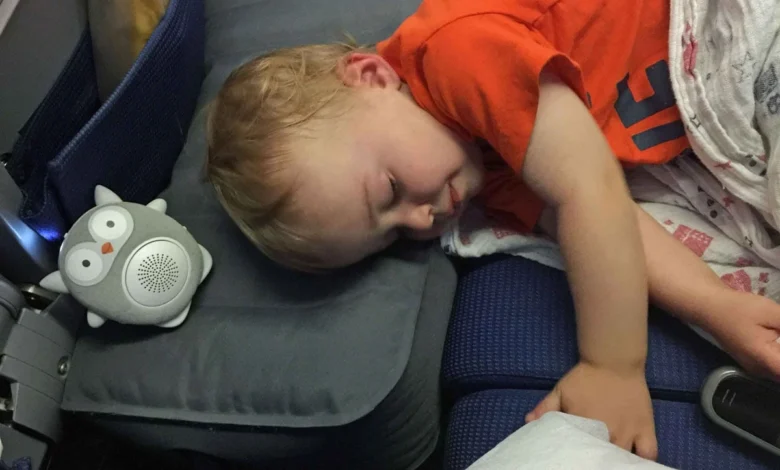
Navigating long-haul air travel with a toddler is widely considered one of the most taxing experiences for parents. The combination of confined seating, disrupted sleep schedules, and the physical limitations of an economy class environment often leads to significant stress for families and fellow passengers alike. For over a decade, inflatable seat extenders—designed to bridge the gap between an airplane seat and the seat in front—have emerged as a specialized solution for families seeking to mitigate these challenges. Among these products, the Fly Tot has long been a market leader, recently evolving into the Fly Tot Plus, a refined version of the original design that incorporates modern safety and convenience standards.

The Evolution of In-Flight Comfort Gear
The concept of an inflatable footwell cushion gained traction in the mid-2010s as a direct response to the lack of ergonomic support for children in standard aircraft seating. During a typical international flight, the physical anatomy of a child—specifically their height and weight—prevents them from resting their feet on the floor. This forces the child to remain upright, which hinders sleep and, by extension, increases irritability.
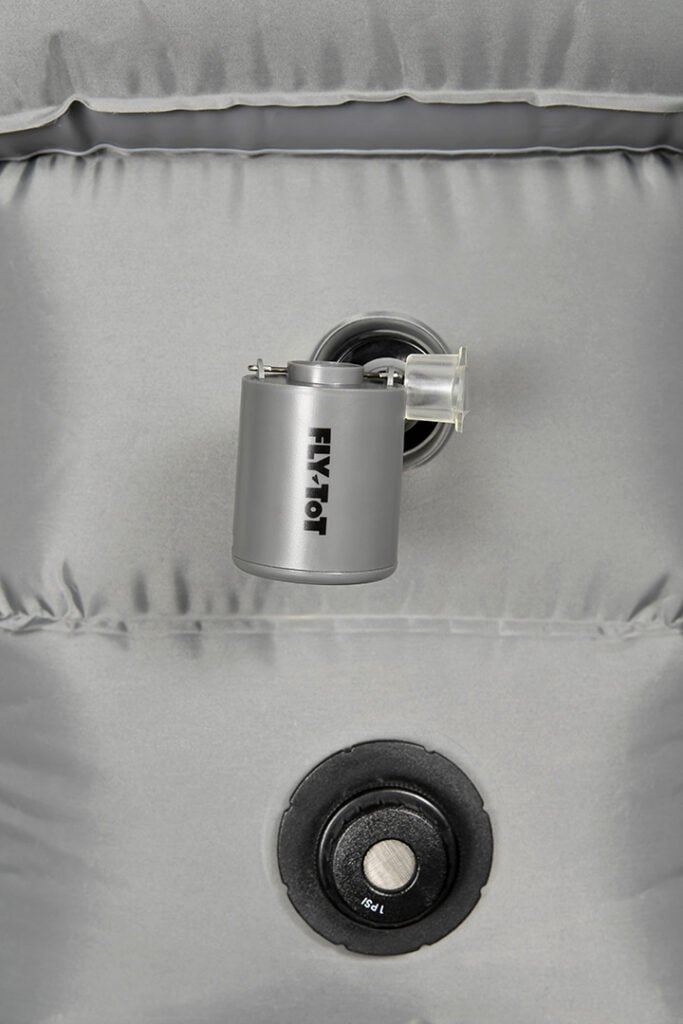
The original Fly Tot was introduced to fill this "dead space," allowing children to transition from a seated position to a flat, bed-like configuration. Through years of industry testing and user feedback, the product has undergone a technical transformation. The transition from the Original Fly Tot to the Fly Tot Plus reflects a broader industry trend toward smaller, more efficient travel accessories. Key engineering changes include a patented two-width design to accommodate varying seat pitch and width, an automatic emergency deflation valve for cabin pressure safety, and the inclusion of a high-efficiency rechargeable electric pump.

Safety Protocols and Regulatory Landscape
While the benefits of seat extenders are clear to parents, they exist in a complex regulatory environment. Unlike car seats, which are universally governed by strict Federal Aviation Administration (FAA) or equivalent national safety standards, inflatable airplane beds fall into a gray area. There is no global mandate requiring airlines to permit these devices; consequently, policy is determined on a carrier-by-carrier basis.

Safety, particularly concerning emergency egress and rapid cabin decompression, remains the primary concern for aviation authorities. The introduction of the "automatic safety release valve" in the Fly Tot Plus is a critical development in this space. By allowing the device to vent air rapidly during a sudden shift in cabin pressure, the manufacturer has attempted to align the product with the safety concerns frequently cited by flight crews. Despite these advancements, passengers must be aware that cabin crew retain the ultimate authority to request the deflation and stowage of any device they deem a potential safety hazard. Industry experts consistently advise that travelers verify the specific, current policy of their airline before arrival, as rules are subject to change without notice.

Data-Driven Benefits for Long-Haul Travel
The primary driver for the adoption of these products is the mitigation of sleep deprivation, which is the leading cause of "in-flight distress" among children under the age of eight. Clinical sleep studies in pediatric aviation environments have consistently shown that when children are able to achieve a horizontal or semi-horizontal sleeping position, the duration and quality of their rest increase significantly.
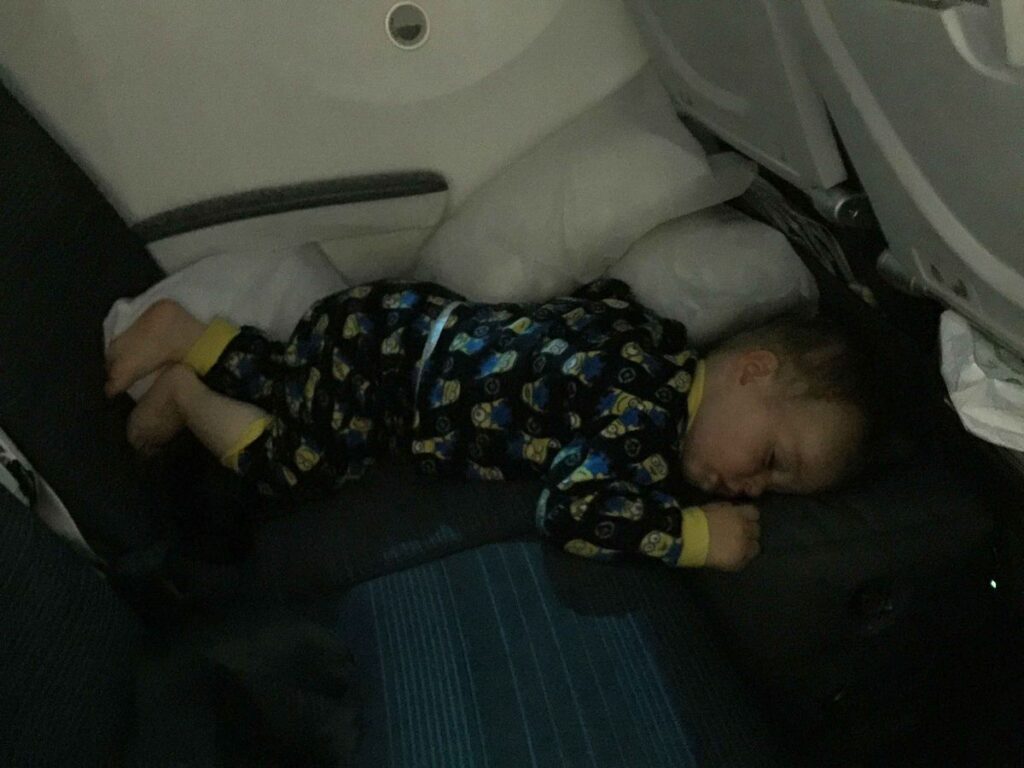
For parents, the implications are twofold. First, a well-rested child is less likely to experience the physiological and psychological stressors that lead to extended crying or restlessness. Second, the "lap-child" burden—where a parent must physically hold a sleeping child—is eliminated. This shift not only improves the comfort of the parent but also ensures that the parent remains rested, which is essential for managing the logistics of arrival in a foreign destination.

Comparative Analysis of Market Alternatives
The market for toddler travel gear has expanded rapidly, offering various approaches to in-flight comfort. The Fly Tot Plus competes with products like the Flyaway Kids Bed and the Plane Pal, each employing different mechanical principles:
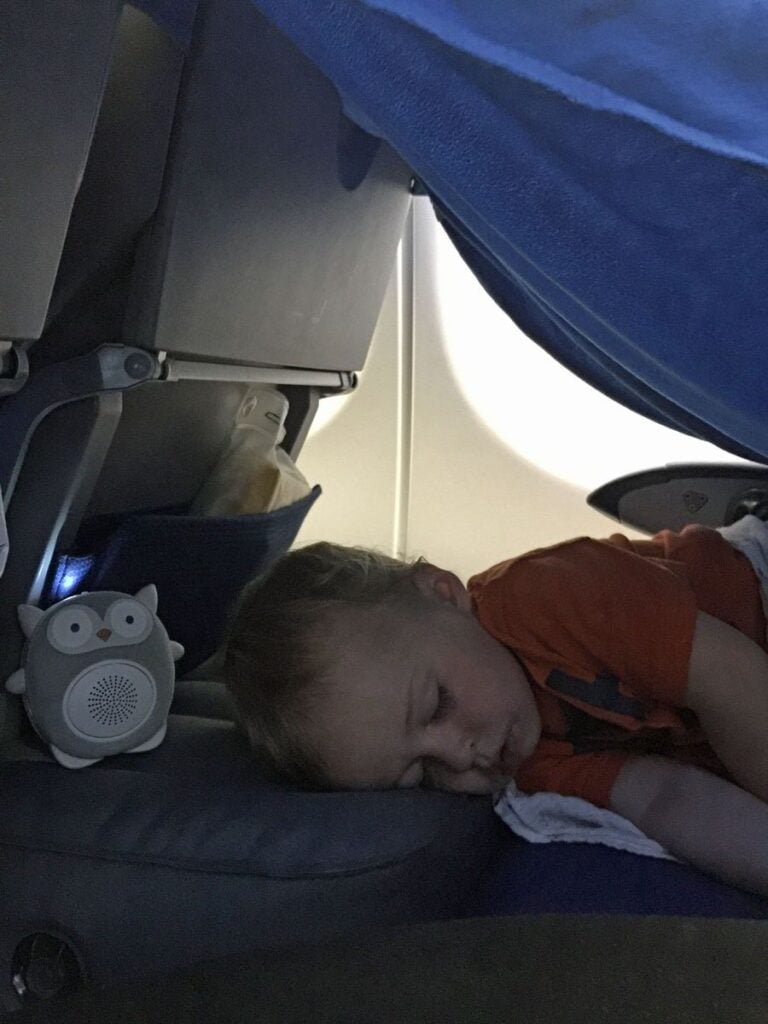
- The Fly Tot Plus: Utilizes a high-volume inflatable cushion that fills the entire floor cavity. This provides a robust base but requires more effort to inflate and deflate.
- The Flyaway Kids Bed: Features a raised platform design that leaves some floor space accessible underneath. This is often preferred by travelers who need to store personal items near their feet.
- Rigid/Folding Alternatives: Some newer models utilize fold-out plastic platforms. These are generally more durable but significantly heavier and more cumbersome to transport through airports compared to the lightweight, packable nature of the inflatable Fly Tot series.
Operational Best Practices for Parents
To ensure a seamless travel experience, seasoned travelers and family travel experts suggest a standardized set of procedures for using inflatable cushions:

- Pre-Flight Verification: Always contact the airline 48 hours before departure. Relying on outdated internet forums or previous flight experiences is risky, as individual aircraft configuration often dictates whether a cushion can be used (e.g., exit rows are almost universally excluded).
- Strategic Seat Selection: Window seats are the industry standard for using these devices, as they do not impede the path of other passengers or cabin crew. Middle seats in center banks are occasionally permitted, provided they do not block aisle access.
- The "Cruising" Rule: Inflatable beds should never be deployed during taxi, takeoff, or landing. They are intended for use only after the seatbelt sign has been switched off and the cruise phase of the flight has begun.
- Compliance: If a flight attendant requests that the device be stowed, compliance should be immediate and polite. Establishing a positive rapport with cabin crew is often the most effective way to ensure a smooth, albeit limited, use of the device.
Broader Implications for Family Aviation
The emergence of products like the Fly Tot Plus represents a broader societal shift in how families approach international travel. As globalization increases the frequency of long-haul family flights, the demand for "ergonomic democratization"—the ability for children to access similar levels of comfort as adults in premium cabins—has surged.

While the aviation industry has historically been slow to accommodate the specific needs of toddlers beyond the provision of bassinet seats for infants, the prevalence of these third-party accessories is forcing a dialogue. Airlines are increasingly recognizing that the comfort of families directly impacts the overall passenger experience. Whether these devices eventually become standard-issue features or remain niche accessories, their current utility for the modern, mobile family is well-documented. For parents planning long-haul journeys, investing in a tested, safety-conscious inflatable bed can be the difference between a high-stress ordeal and a manageable, restorative travel experience.
Related posts: