Madrid Tourism Blueprint: A Comprehensive Five-Day Cultural and Economic Itinerary for Spain’s Capital

Madrid, the sprawling geopolitical and cultural heart of Spain, accommodates a resident population of approximately 3.5 million people within its municipal boundaries, while the broader metropolitan area exerts influence over a significantly larger demographic. As the nation’s preeminent economic and political hub, the capital annually attracts upwards of 10 million international and domestic visitors, solidifying its position as one of Europe’s most resilient tourism markets. Despite competing directly with coastal heavyweights such as Barcelona, Madrid operates on a distinct rhythm characterized by late-evening schedules, an extensive culinary footprint, and a dense concentration of UNESCO-recognized heritage assets. Tourism boards and urban economists frequently analyze the city’s capacity to absorb these visitor volumes while maintaining infrastructural integrity, historic preservation, and economic accessibility for budget-conscious travelers.
The formulation of a structured, five-day itinerary serves not only as a logistical guide for travelers but also as a strategic framework for managing urban mobility and distributing visitor density across both mainstream landmarks and peripheral neighborhoods. By decentralizing tourist traffic from core congestion zones—such as the Puerta del Sol and the Prado Museum—toward emerging culinary districts and historical convents, local municipal authorities and tourism operators aim to foster sustainable tourism practices that benefit local commerce.
Day One: The Architectural and Artistic Heritage of the Paseo del Arte
The inaugural day of the itinerary concentrates on the "Landscape of Light," a prestigious urban precinct officially designated as a UNESCO World Heritage site in July 2021. Spanning over 40 distinct monuments and historic buildings, this cultural corridor integrates urban architecture with institutional science and art.
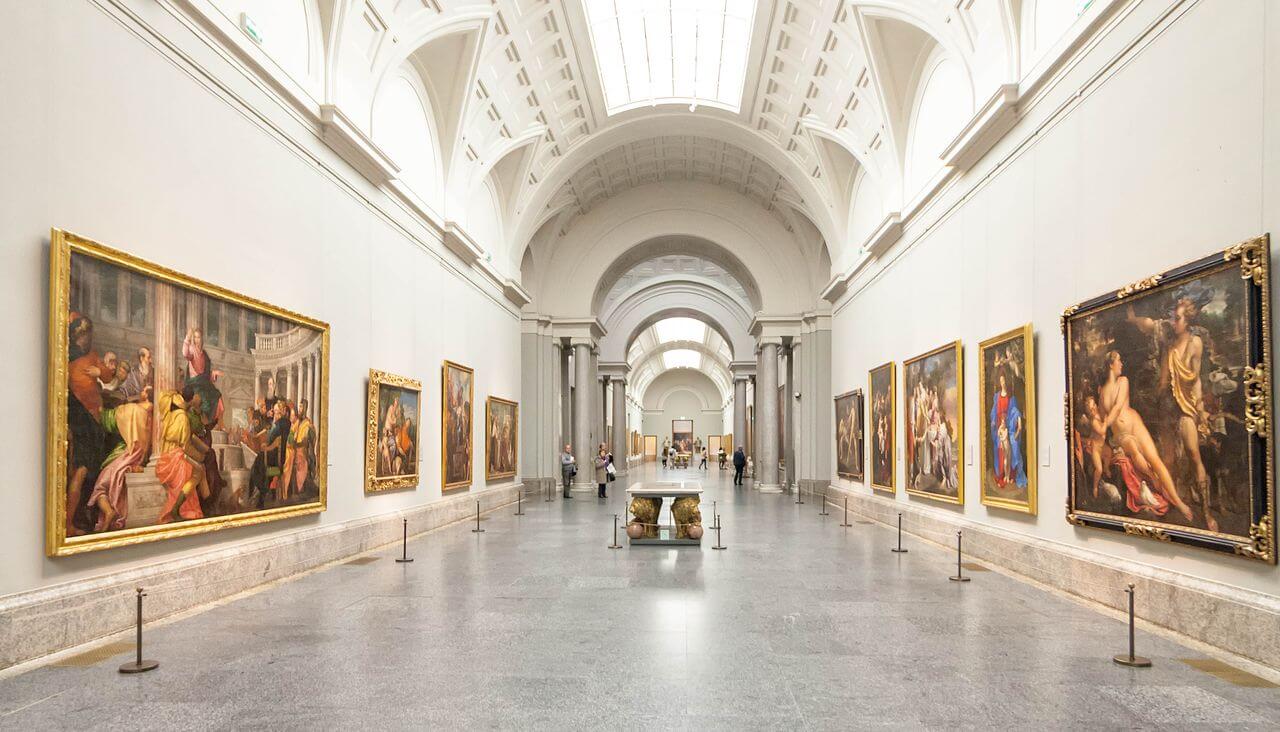
The chronological progression begins at the Museo del Prado, established in 1819, which houses one of the world’s most comprehensive collections of European art dating from the 12th century to the early 20th century. Art historians note that the institution holds masterworks by Spanish icons such as Francisco Goya, Diego Velázquez, and El Greco, alongside international masters including Titian, Rembrandt, and Peter Paul Rubens. Curatorial guidelines recommend a minimum allocation of three hours to navigate the extensive galleries.
A ten-minute traversal along the Paseo del Prado leads to the Thyssen-Bornemisza Museum, which bridges historical gaps by housing a private collection tracing the evolution of Western art from the early Renaissance through Impressionism to Pop Art. The day culminates at the Museo Nacional Centro de Arte Reina Sofía, the state museum dedicated to 20th-century contemporary art. Opened in 1992 and housed in a former 18th-century hospital, the Reina Sofía features seminal works by Pablo Picasso, Salvador Dalí, Joan Miró, and Wassily Kandinsky. The undisputed centerpiece of the collection is Picasso’s monumental 1937 oil painting, Guernica, widely recognized as a defining anti-war statement of the modern era.
Following the morning’s institutional immersion, the itinerary directs focus toward traditional gastronomy and specialized house museums. Culinary options within the zone include historic taverns serving traditional cocido madrileño—a slow-cooked chickpea and meat stew historically rooted in working-class Madrileño culture—as well as subterranean dining experiences set within restored 17th-century wine caves. Afternoon programming highlights Madrid’s specialized house museums, notably the Sorolla Museum, dedicated to the Impressionist painter Joaquín Sorolla, which reopens following significant infrastructural renovations to preserve its original residence and regional garden design.
Day Two: The Evolution of Habsburg Madrid and Royal Infrastructure
The second day shifts chronological focus toward medieval and Renaissance urban planning, specifically examining the architectural legacy of the Habsburg dynasty, locally designated as Madrid de los Austrias.
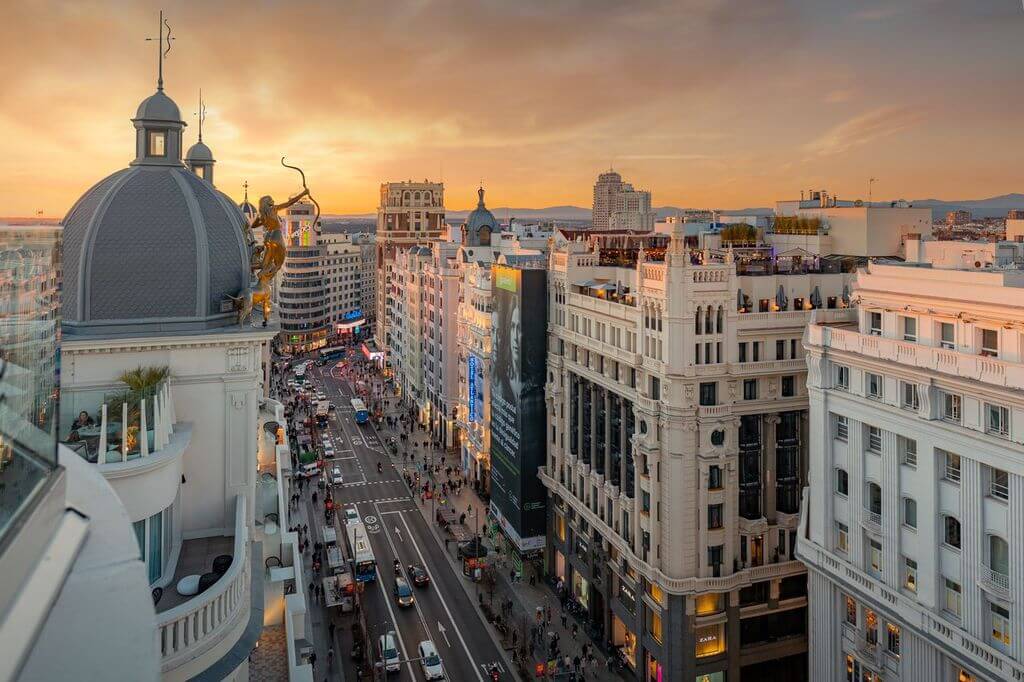
The geographic and infrastructural origin point is Puerta del Sol, which features Kilometer Zero, the precise plaque from which all national radial highway distances are measured. Urban planners identify this square as the primary pedestrian nexus of the capital. Adjacent to the square stands the statue of El Oso y el Madroño (The Bear and the Strawberry Tree), an enduring heraldic symbol derived from the city’s medieval coat of arms.
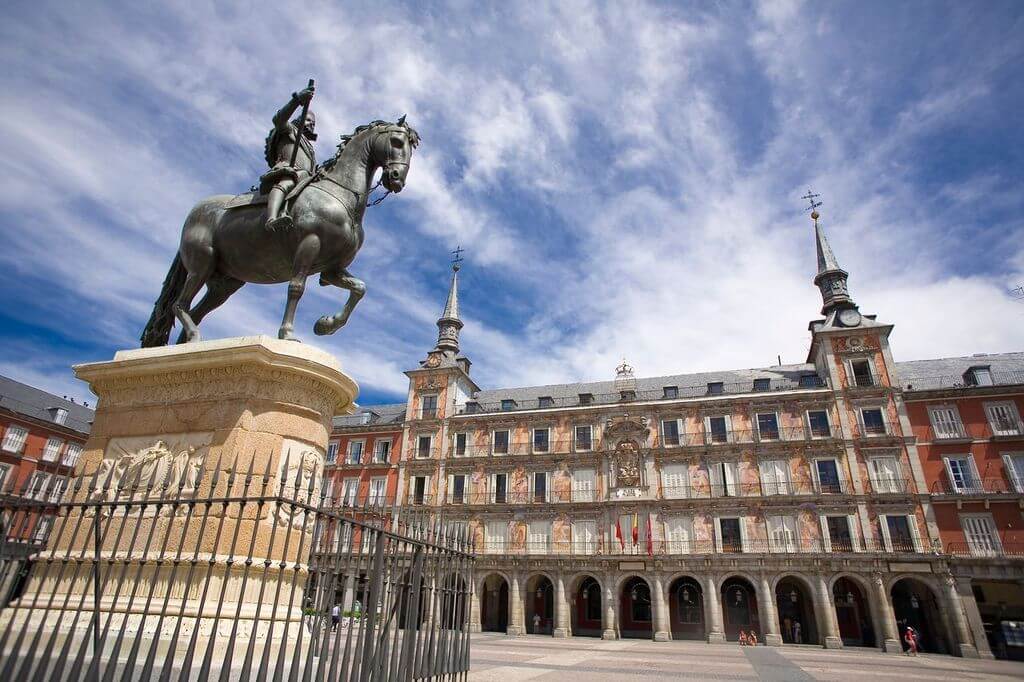
Progressing westward, visitors encounter the Plaza Mayor, a rectangular monumental plaza commissioned by King Philip II in the late 16th century and completed under Philip III, whose bronze equestrian statue occupies the center. Historically serving as the site for public executions, bullfights, royal ceremonies, and commercial markets, the square now functions as a commercial and architectural anchor surrounded by historic porticos and the ornate Casa de la Panadería.
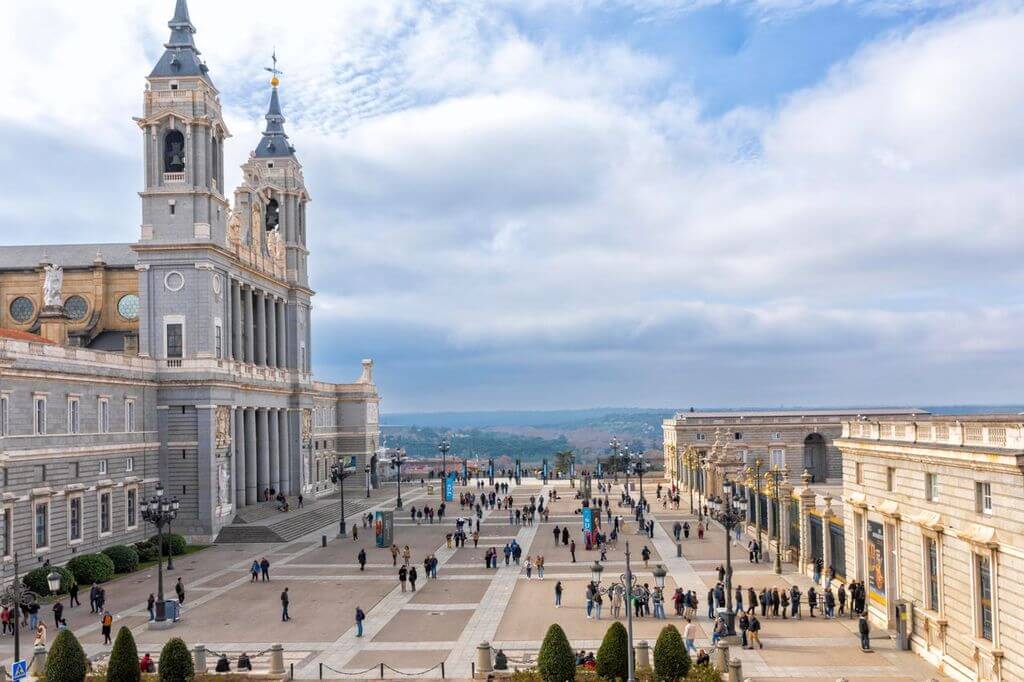
The afternoon itinerary transitions to the Royal Palace of Madrid (Palacio Real), constructed on the foundations of a 9th-century Moorish alcázar that was destroyed by fire in 1734. Commissioned by King Philip V and designed by Italian and Spanish architects including Filippo Juvarra and Juan Bautista Sachetti, the Baroque structure encompasses over 3,400 rooms, making it the largest functioning royal palace in Europe by floor area. While no longer the residential quarters of the Spanish royal family—who reside in the more modest Palace of Zarzuela—the Palacio Real remains the official venue for state ceremonies, banquets, and diplomatic receptions. The interior preserves extensive collections of historical weaponry within the Royal Armory, alongside decorative arts, tapestries, and ceiling frescoes by artists such as Giambattista Tiepolo.
Day Three: Gastronomic Evolution and Vertical Urbanism
Day three addresses the economic and social significance of food culture within Madrid, a sector that accounts for a substantial share of the city’s service-sector employment and municipal revenue.
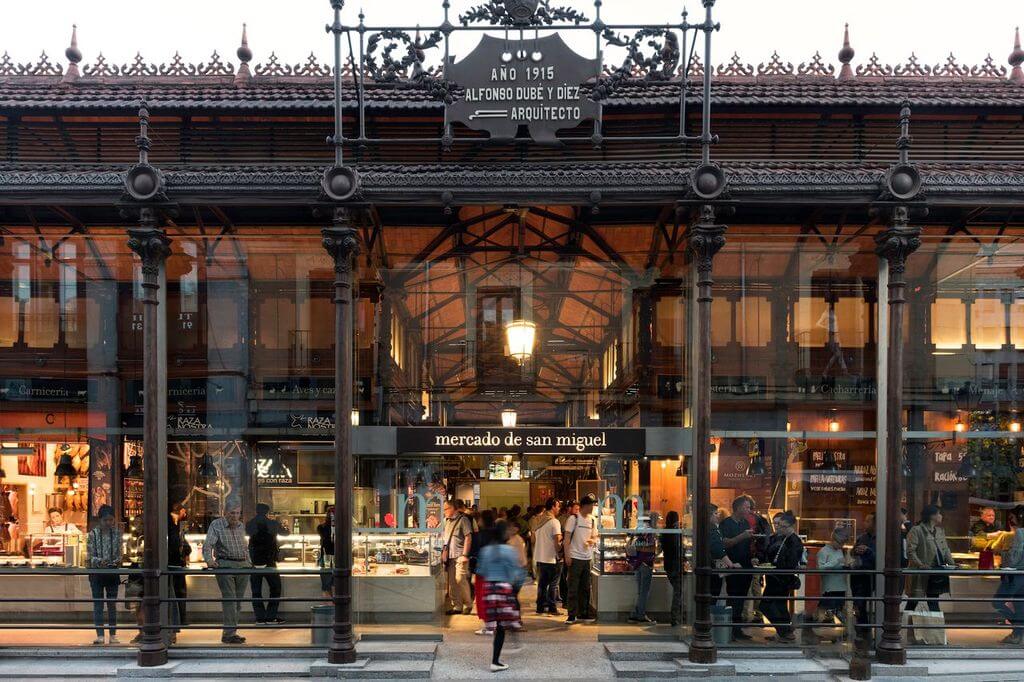
The itinerary encourages self-guided exploration of traditional municipal food markets rather than relying solely on commercialized culinary venues. The Mercado de San Miguel, operating within a late-19th-century cast-iron structure near Plaza Mayor, exemplifies the transition of traditional wet markets into upscale gourmet tasting halls. Additional markets, such as the Mercado de San Antón in the Chueca district and the Mercado de Vallehermoso in Chamberí, reflect the broader socio-economic diversity of Madrid’s neighborhoods, blending traditional produce vendors with contemporary artisanal stalls and ethnic eateries.
The evening itinerary underscores the culinary longevity of the capital, noting establishments such as Sobrino de Botín, certified by Guinness World Records as the oldest continuously operating restaurant in the world, having opened its doors in 1725. Furthermore, urban analysts note that Madrid has emerged as a leading European hub for plant-based dining, with specialized vegetarian and vegan establishments proliferating in neighborhoods such as Malasaña and Lavapiés, reflecting shifting consumer demographics and dietary preferences among younger residents and international travelers.
Day Four: Regional Integration and UNESCO Day Excursions
Expanding the scope beyond the municipal boundaries, the fourth day examines the regional historical and architectural assets situated within a one-hour radius of the capital, underscoring Madrid’s role as the administrative anchor of the Community of Madrid autonomous region.
The primary excursion leads to the Royal Monastery of San Lorenzo de El Escorial, located at the foothills of the Sierra de Guadarrama. Commissioned by King Philip II in 1563 and designed by Juan Bautista de Toledo and Juan de Herrera, the monumental complex served as the political center of the Spanish Empire and acts as the final resting place for the majority of Spanish monarchs from Charles V onward. Recognized as a UNESCO World Heritage site in 1984, the architectural style—known as Herrerian—is characterized by stark symmetry, minimalist granite facades, and austere geometry, reflecting the Counter-Reformation ideals of the 16th century.
Alternative regional options include the Royal Palace and Gardens of Aranjuez, situated to the south along the Tagus River. Serving historically as a seasonal spring residence for the Spanish royal monarchy, the site combines Renaissance and Baroque palace architecture with extensive landscaped gardens influenced by French landscape design principles. Similarly, the historic university city of Alcalá de Henares, located northeast of the capital, offers preserved examples of Spanish Renaissance architecture and marks the birthplace of Miguel de Cervantes, author of Don Quixote.
Day Five: Peripheral Monasteries and Urban Green Infrastructure
The final day of the itinerary directs attention toward lesser-known ecclesiastical foundations and large-scale urban green spaces that contribute to the quality of life and ecological balance of the metropolitan area.
The morning schedule explores cloistered historical structures such as the Monastery of Las Descalzas Reales, founded in 1559 by Joanna of Austria within a former 16th-century palace. Historically serving as a sanctuary for aristocratic women who entered religious life while retaining significant dowries and personal art collections, the convent operates as an unheralded repository of Renaissance and Baroque paintings, tapestries, and religious artifacts. Similarly, the Royal Monastery of La Encarnación, founded in 1611 by Queen Margaret of Austria, preserves an austere Baroque exterior paired with an ornate interior housing preserved relics and historical ecclesiastical art.
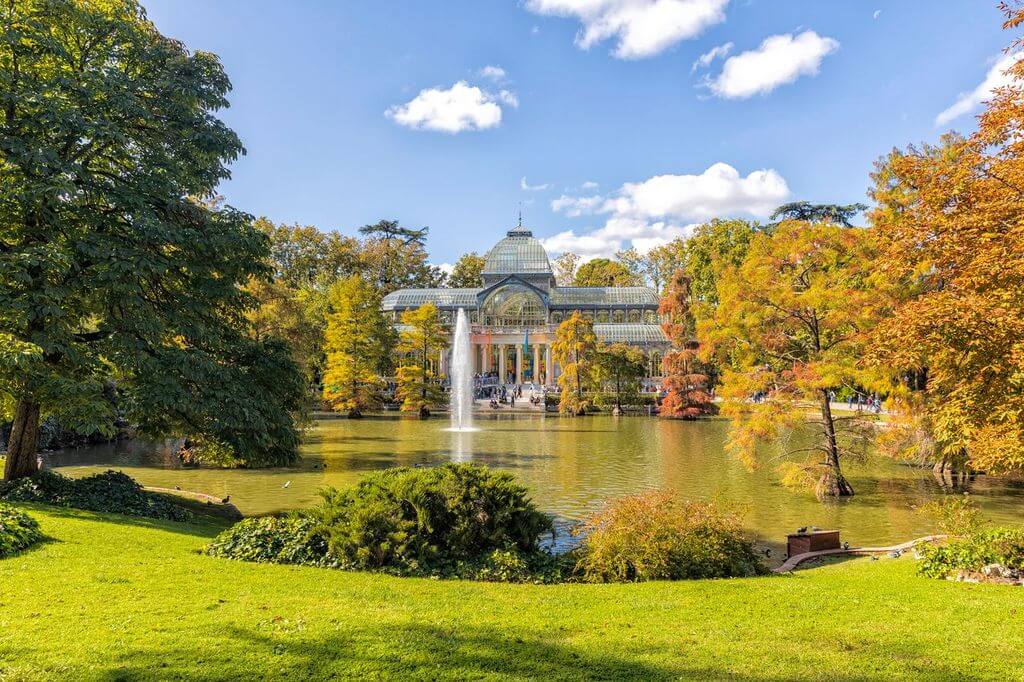
The itinerary concludes within the Casa de Campo, the largest public park in Madrid. Encompassing approximately 17 square kilometers (6.5 square miles), the park was originally established as a royal hunting estate by Philip II following the relocation of the court to Madrid in 1561. Transferred to municipal ownership for public recreation during the Second Spanish Republic in 1931, the park currently incorporates an artificial lake, ecological conservation zones, recreational facilities, and views of the western facade of the Royal Palace and the Almudena Cathedral.
Economic Implications and Strategic Recommendations for Travelers
Tourism industry analysts emphasize that Madrid’s sustained appeal lies in its economic diversification, balancing high-cost institutional tourism with accessible public spaces, neighborhood-level commerce, and an extensive, reliable public transit network managed by the Consorcio Regional de Transportes de Madrid. Budget-conscious travelers are advised to leverage regional transit passes, utilize free admission hours offered by major state-run museums such as the Prado and Reina Sofía, and explore municipal markets rather than relying exclusively on high-end dining districts.
Logistical planning recommendations for international visitors arriving via Adolfo Suárez Madrid–Barajas Airport include utilizing digital flight comparison platforms such as Skyscanner for fare optimization, securing accommodations through verified platforms like Hostelworld or Booking.com depending on budgetary parameters, and maintaining comprehensive travel insurance coverage to mitigate medical and logistical contingencies. Through disciplined itinerary management and an appreciation of the city’s distinct temporal rhythms, travelers can navigate Madrid’s complex socio-cultural landscape efficiently and sustainably.
Related posts: