Why Jasper Alberta Remains the Premier Destination for North American Winter Tourism

The town of Jasper, Alberta, situated within the heart of Jasper National Park—the largest national park in the Canadian Rockies—has long served as a focal point for winter recreation and luxury wilderness travel. Spanning over 11,000 square kilometers, this UNESCO World Heritage site offers a rare combination of rugged, untouched mountain terrain and sophisticated, historical infrastructure. As the winter season approaches, the destination has seen a resurgence in interest, driven by significant capital investments in its hospitality sector and an evolving approach to seasonal tourism that blends outdoor sport with high-end cultural experiences.
Historical Context and Development of the Region
The emergence of Jasper as a major tourist hub is inextricably linked to the expansion of the Canadian railway system in the early 20th century. Following the completion of the Grand Trunk Pacific Railway, the region transitioned from a rugged outpost to an accessible wilderness destination. The construction of the Fairmont Jasper Park Lodge in the early 1920s marked a pivotal moment in the town’s history, establishing a template for "mountain modern" luxury that remains the benchmark for the region today.
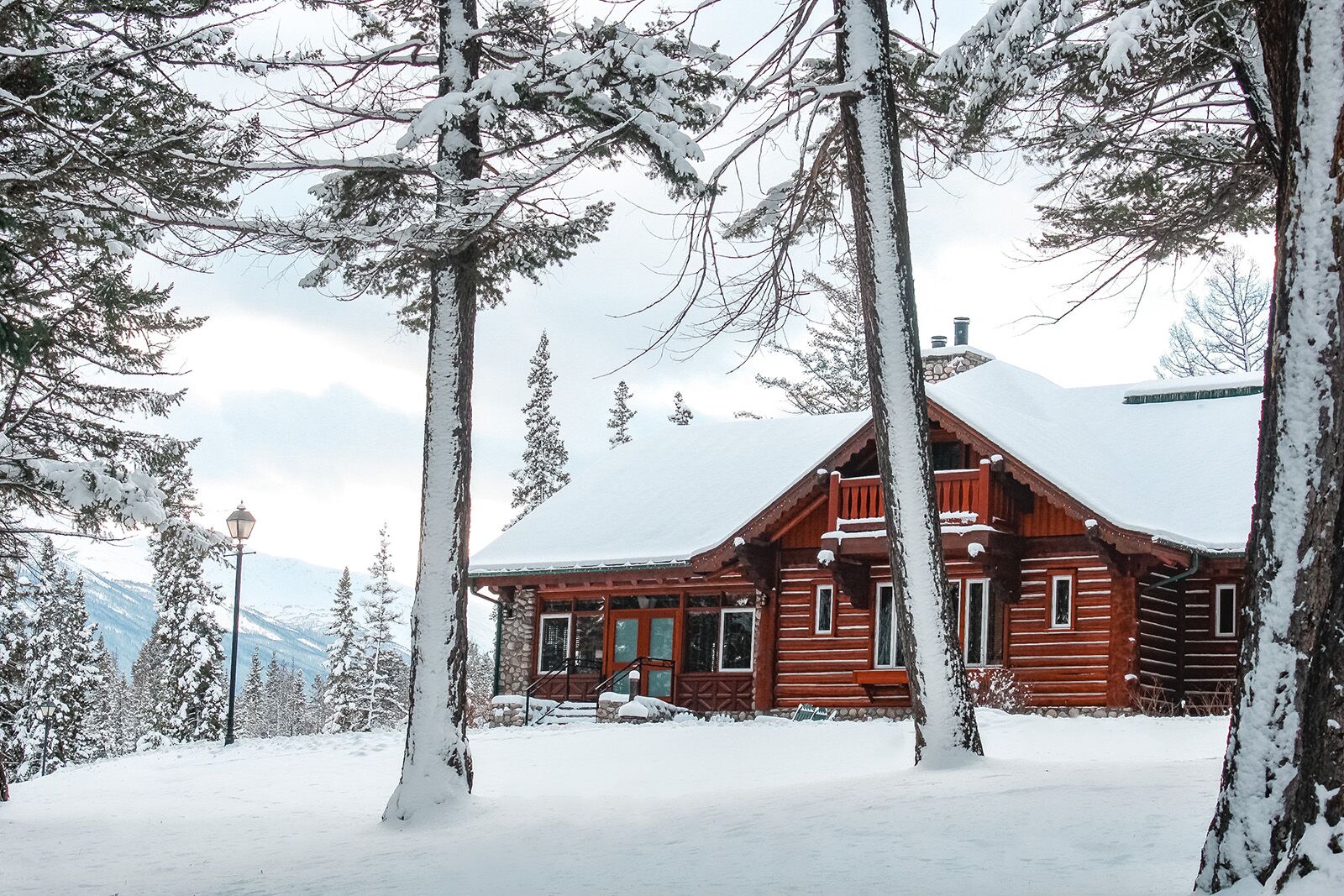
Spanning 700 acres on the shores of the glacial-fed Lac Beauvert, the lodge was initially established as a collection of tented camps. Over the past century, it has evolved into an expansive property featuring timber-frame cabins and suites. The property’s longevity is a testament to its role in the region’s economic health; hospitality remains the primary driver of Jasper’s economy, supporting local employment and infrastructure development.
The Refresh of a Landmark Property
In 2024, the Fairmont Jasper Park Lodge underwent a comprehensive interior renovation. The design initiative focused on integrating the property’s architectural heritage with the surrounding ecological environment. By utilizing color palettes derived from the Athabasca Valley’s forest and sky, and emphasizing locally sourced woodwork, the renovation sought to preserve the "sense of place" that historical preservationists advocate for in national park accommodations.
Industry analysts note that such renovations are not merely cosmetic; they serve as a necessary adaptation to the changing demands of luxury travelers. Today’s guests prioritize wellness, connectivity to nature, and personalized service. The introduction of customizable pillow menus and the emphasis on private, wood-burning hearths reflect a shift toward experiential luxury, where the room serves as a sanctuary after physically demanding days in the alpine climate.
Technical Infrastructure for Winter Sports
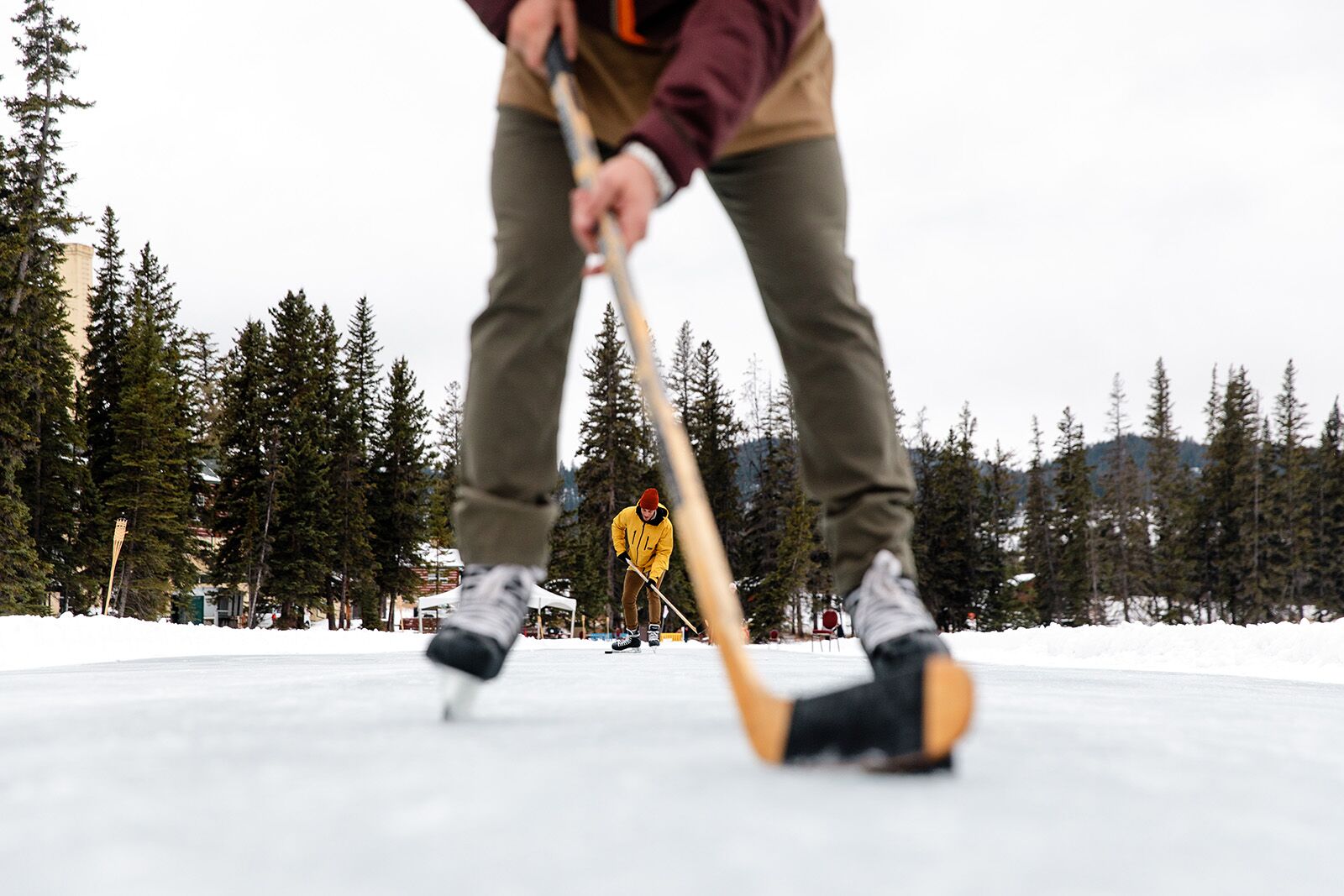
Jasper National Park’s appeal rests on its diverse range of winter activities, which are supported by a robust infrastructure of groomed trails and safety protocols. The lodge manages 16 miles of Nordic ski trails that weave through the fairways of its championship golf course, providing a unique vantage point for cross-country skiers.
The integration of gear rental services, such as the Embark Outpost & Provisions, is a calculated move to lower the barrier to entry for novice winter sports enthusiasts. By offering complimentary access to skates, snowshoes, and toboggans, the resort effectively incentivizes non-traditional winter activities, diversifying the guest experience beyond standard downhill skiing. This model of "frictionless adventure"—where concierge services manage logistics like lift tickets and equipment storage—has become a standard requirement for high-end mountain resorts seeking to maintain competitive advantages.
Analysis of Marmot Basin and Regional Tourism
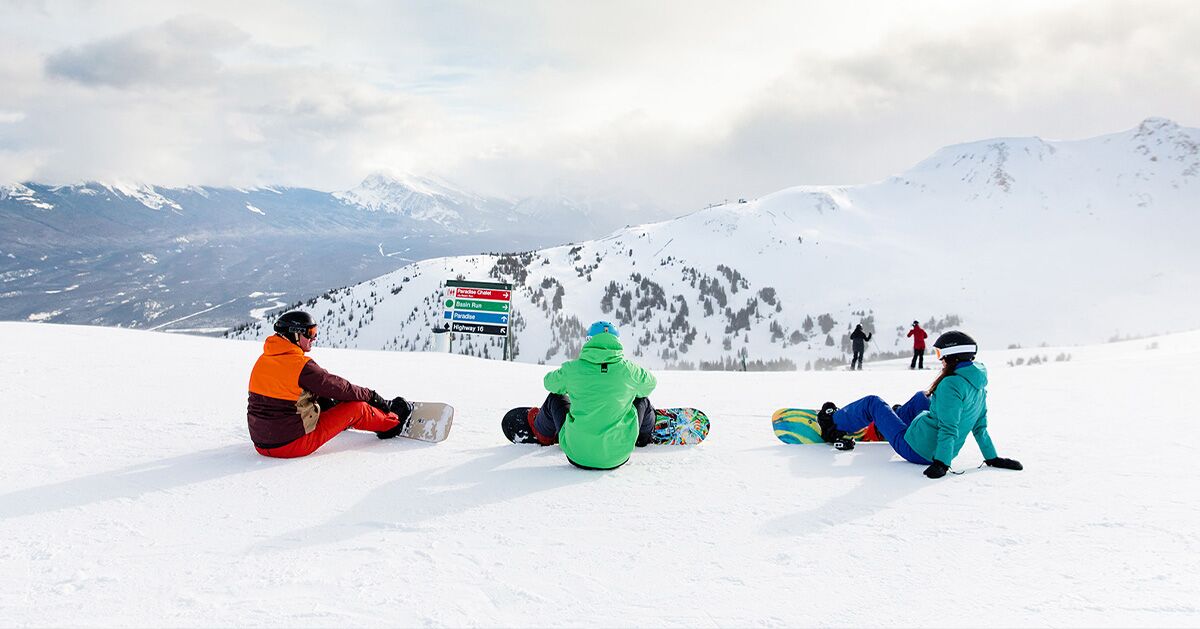
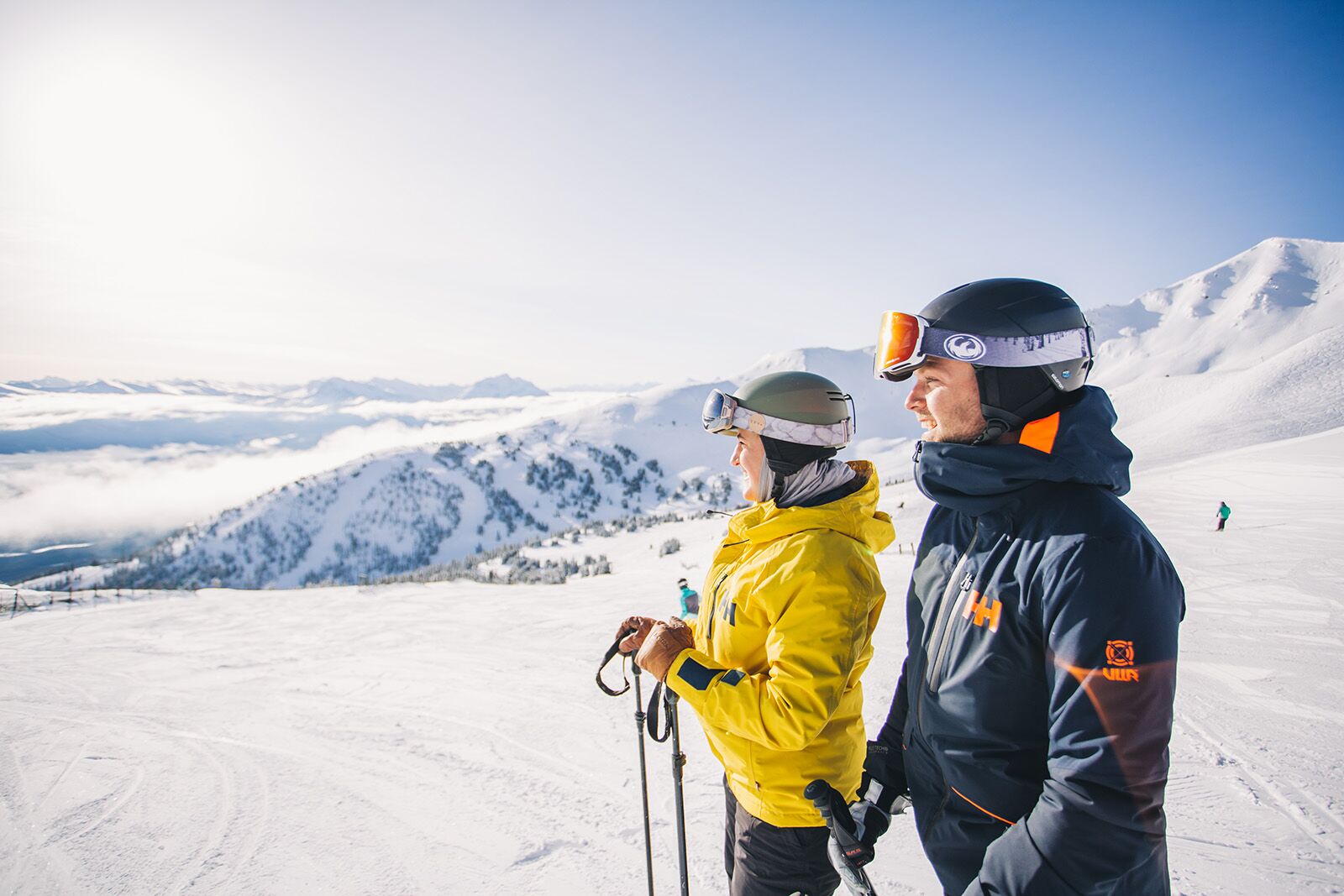
The Marmot Basin ski area serves as the primary downhill destination for the region. Spanning 1,720 acres with 91 runs, it is characterized by its high elevation and relatively low crowd density compared to competitors in the Banff or Whistler regions. Data from local tourism boards suggests that Marmot Basin’s appeal lies in its "old-school" atmosphere, characterized by minimal lift queues and a lack of aggressive commercial development.
From a structural standpoint, the mountain’s layout is designed to funnel skiers to a single base area, which simplifies logistical management for large groups and families. The symbiotic relationship between the lodge’s shuttle services and the mountain’s operation ensures that the town of Jasper remains a viable hub for skiers who prefer a town-based stay over the high-cost, slope-side accommodations found at other major resorts.
The "Glacial Plunge" and Modern Wellness Trends
A notable shift in the local tourism market is the integration of high-intensity wellness experiences. The "Glacial Plunge & Sauna" program, which involves controlled exposure to cold water followed by heat therapy, reflects a global trend in performance wellness. While scientifically rooted in recovery benefits, the program also acts as a point of differentiation for the resort. By providing professional guidance on breathwork and safety, the lodge elevates a simple outdoor dip into a curated wellness event, attracting a demographic of travelers interested in health optimization.
Geological Tourism and Sustainable Exploration
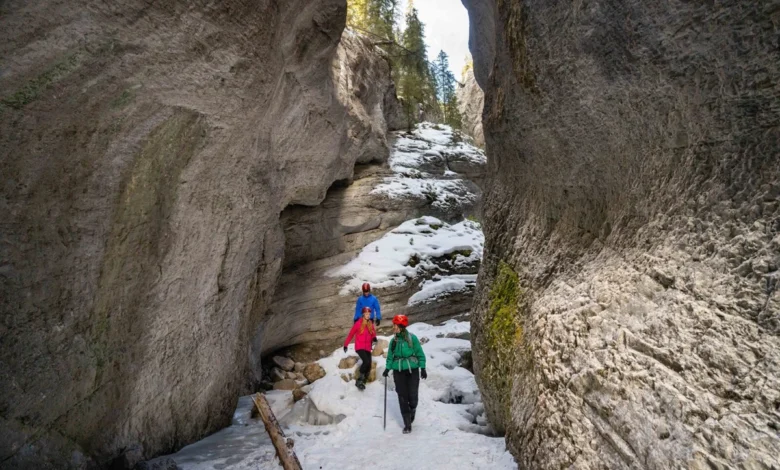
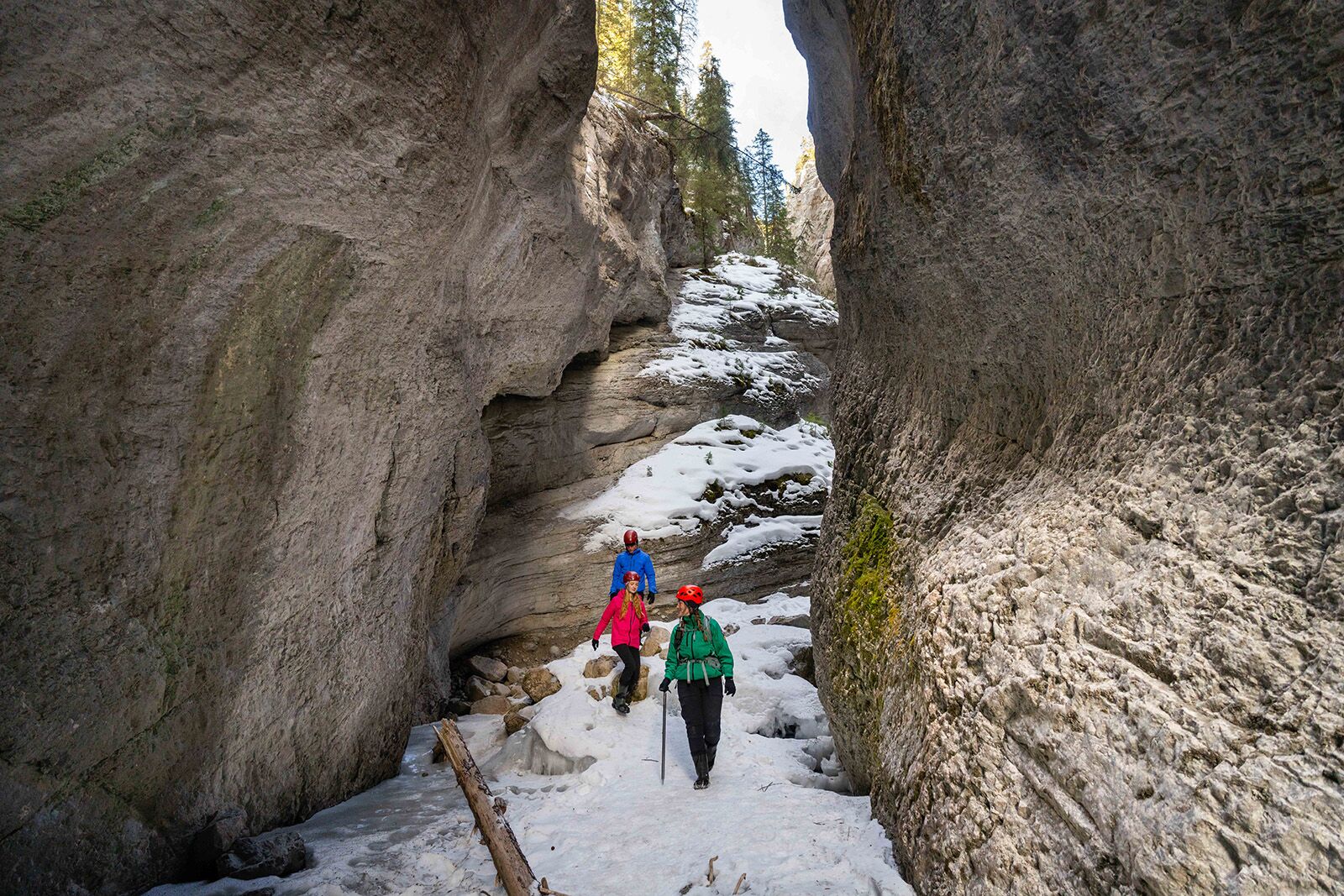
Jasper National Park’s status as a UNESCO World Heritage site is predicated on its significant geological features. The Pleckaitis Canyon ice-walk tours represent a specialized segment of winter tourism: the educational excursion. These tours, facilitated by third-party operators in partnership with local authorities, emphasize safety and ecological awareness.
The use of equipment such as ice cleats and helmets is mandatory, underscoring the inherent risks of exploring limestone canyons during the freeze-thaw cycle. These tours serve a dual purpose: they drive revenue during the off-peak season and provide an educational platform regarding the fragility of the mountain ecosystem. Reports from park authorities indicate that such guided tours are the most effective method for controlling human impact on sensitive geological formations during the winter months.
Christmas in November: An Economic Catalyst
Perhaps the most significant strategic maneuver in Jasper’s winter calendar is the "Christmas in November" event series. Originally conceptualized three decades ago, this multi-day festival functions as an economic bridge between the autumn shoulder season and the peak winter holidays.
The event employs a high-profile marketing strategy, featuring appearances by culinary experts from the Food Network and other media platforms. By hosting masterclasses, tastings, and black-tie galas, the resort ensures high occupancy rates during a period that would otherwise be stagnant. The event’s structure—which transitions from educational culinary sessions to formal social gatherings—demonstrates a sophisticated understanding of the luxury event market. It effectively transforms a standard hotel stay into an immersive, branded experience.
Broader Economic and Environmental Implications
The ongoing development of Jasper as a winter destination is not without its complexities. As a town located within a national park, all growth must be balanced against strict environmental regulations and the necessity of preserving habitat for local fauna. The focus on high-end, lower-volume tourism is a deliberate strategy to maximize economic output while minimizing the human footprint on the landscape.
Future projections for the region suggest a continued move toward "year-round" operations. As climate patterns shift, the reliability of snow in the valley floor becomes a point of concern for tourism operators. However, the diversification of activities—such as canyon icewalking, luxury spa treatments, and indoor culinary events—serves as a hedge against variable weather conditions.
Conclusion: The Future of the Mountain Escape
The enduring popularity of Jasper, Alberta, as a winter destination is the result of a deliberate convergence of history, infrastructure, and strategic event planning. By maintaining the rustic charm of the Fairmont Jasper Park Lodge while investing in modern wellness, accessibility, and high-quality programming, the region has secured its position as a top-tier destination for winter travelers. As the industry moves toward more sustainable and experiential models, Jasper’s ability to leverage its natural geography while providing a high-comfort, low-friction environment will likely remain the gold standard for Canadian mountain tourism.