Navigating the vast and intricate web of Europe’s rail network remains the quintessential method for traversing the continent, offering a blend of historical romance, engineering efficiency, and environmental sustainability. For international travelers, particularly those hailing from regions where passenger rail is less prominent, the European railway system can initially appear mysterious. However, with modern ticketing digitalization, high-speed rail integration, and comprehensive planning tools, mastering cross-border and domestic train travel is entirely achievable.
This comprehensive briefing covers the structural mechanics of European rail travel, spanning pre-trip route planning, dynamic versus fixed pricing models, third-party and national booking aggregators, station navigation protocols, and essential onboard procedures.
Understanding the Macro-Environment: The Pros and Cons of Rail Transit
Evaluating the viability of rail transit requires an understanding of its operational advantages and logistical constraints. Industry analysts and seasoned transit authorities consistently highlight the passenger experience, efficiency, and sustainability of trains compared to short-haul aviation and highway transit.
Advantages of European Rail Networks
Rail travel eliminates many of the friction points associated with modern commercial aviation. Passengers bypass extensive security queues, baggage weight limitations, and lengthy commutes to suburban airports, as major railway stations are typically situated directly in city centers.
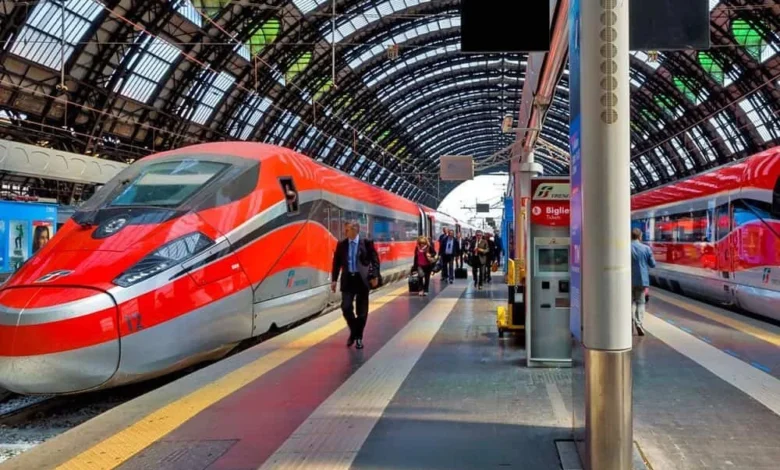
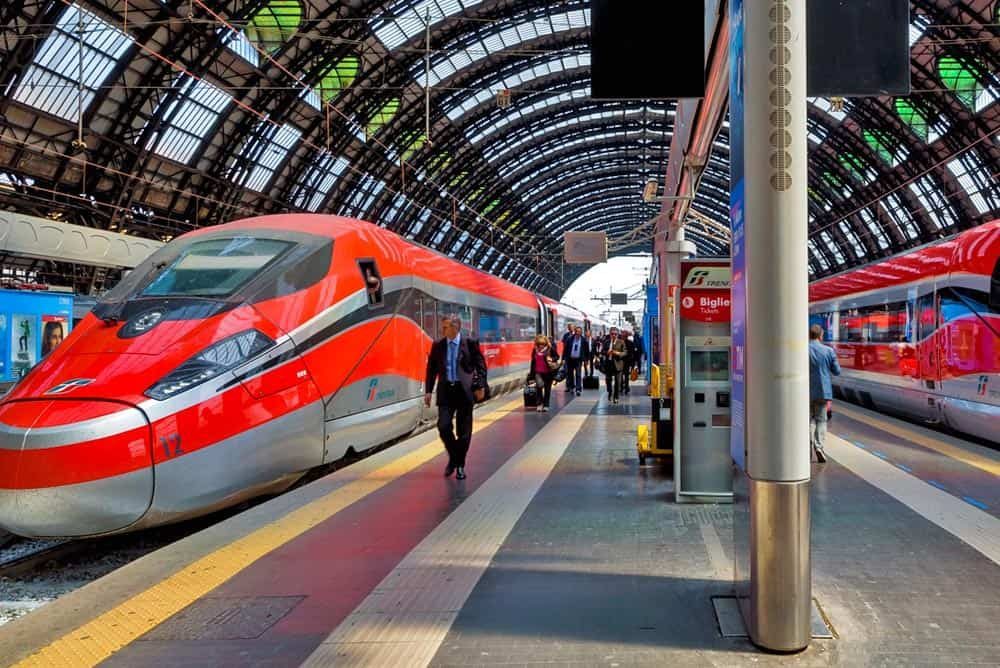
Furthermore, high-speed rail corridors—such as the Eurostar connecting London, Paris, and Brussels, or the Frecciarossa and Itto networks in Italy—offer city-center-to-city-center travel times that frequently rival or surpass flying when airport transit is factored in. Passengers enjoy generous legroom, the freedom to stand and walk about during transit, and the ability to view scenic landscapes that remain invisible from high altitudes. From an environmental perspective, electrified rail transit produces a significantly lower carbon footprint per passenger-kilometer than commercial aviation or fossil-fuel-powered highway vehicles.
Disadvantages and Operational Challenges
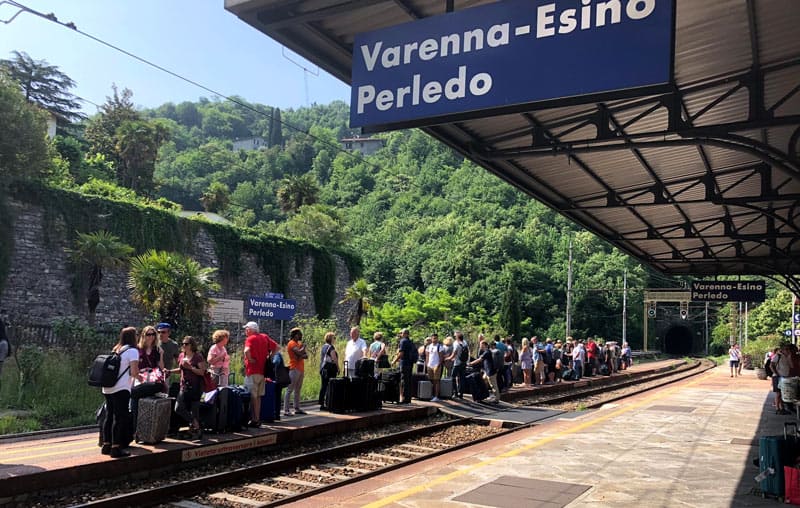
Despite its immense popularity, the European rail system presents distinct hurdles. International travelers frequently encounter fragmented national networks where separate sovereign rail operators manage their own infrastructure, ticketing systems, and scheduling protocols.
Pricing volatility on high-speed lines can rival airline ticket fluctuations if bookings are delayed. Furthermore, labor strikes, technical delays, and severe weather events can disrupt schedules across multiple borders. Navigating multi-platform urban terminals with heavy luggage also demands physical mobility and heightened situational awareness, particularly regarding petty crime and pickpocketing in high-traffic concourses.
Pre-Trip Logistics and Route Planning Methodologies
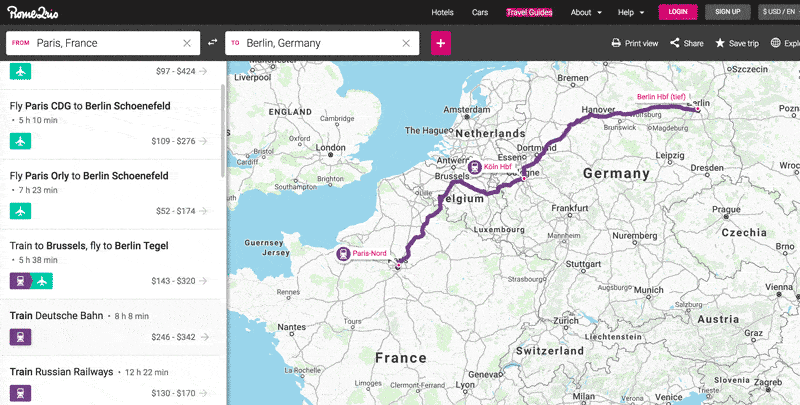
Effective journey planning requires leveraging specialized aggregators and digital tools. While comprehensive global route planners map out multi-modal itineraries, specific national railway databases provide the definitive source for granular scheduling data.
Multi-Modal Comparison and Master Timetables
For initial itinerary conceptualization, platforms like Rome2Rio provide multi-modal comparisons, evaluating trains, buses, ferries, and low-cost airlines across cost and duration metrics. However, for precise railway schedules, transit planners frequently rely on the German Railways database (Bahn.de). Transport analysts note that Bahn.de maintains comprehensive scheduling data for virtually every passenger train operating across Europe, making it an indispensable resource for mapping complex, multi-leg international journeys and identifying whether seat reservations are mandatory.
For booking and price comparison, modern travelers utilize specialized aggregators like Omio and Trainline. These platforms aggregate regional and high-speed rail options into unified, user-friendly digital interfaces, streamlining transactions for international visitors who might otherwise struggle with localized foreign-language booking portals.
Decoding the Economic Model: How European Train Tickets are Priced
Understanding how European railways monetize their services is critical for controlling travel expenditures. Fares generally fall into two distinct structural categories: variable pricing and fixed pricing.
Variable-Price High-Speed Fares
High-speed and long-distance international corridors—such as France’s TGV, Germany’s ICE, and Spain’s AVE—operate on yield-management pricing models similar to the airline industry. Ticket costs fluctuate dynamically based on passenger demand, seasonal peaks, days of the week, and the temporal proximity to the scheduled departure date.
Consequently, purchasing high-speed tickets weeks or months in advance yields substantial cost reductions. Statistical analyses of European rail pricing indicate that last-minute bookings on major high-speed routes can cost upwards of three to four times the early-bird promotional rate. However, these discounted advance fares are frequently non-refundable and non-exchangeable, requiring travelers to sacrifice itinerary flexibility for financial savings.
Fixed-Price Regional Fares
Conversely, regional, local, and commuter trains—such as Italy’s Trenitalia regional services or Germany’s Regionalbahn—operate on fixed-price structures. Fares on these lines are calculated strictly by distance traveled. Because prices remain constant regardless of when the ticket is purchased, advance booking provides no financial advantage, allowing travelers to maintain complete spontaneity for local day trips and rural excursions.
Acquisition Channels: Third-Party Aggregators vs. National Rail Operators

Procuring tickets involves choosing between third-party digital intermediaries and state-owned national railway operators, each offering distinct advantages.
Third-Party Platforms
Aggregators such as Trainline and Omio offer centralized English-language interfaces, multi-country booking capabilities, and unified digital wallets that store all boarding passes in a single mobile application. These platforms charge modest service fees but significantly reduce transaction friction for tourists navigating multiple railway jurisdictions.
National Railway Operators
Booking directly through national operators—such as SNCF (France), DB (Germany), Trenitalia (Italy), or Renfe (Spain)—occasionally provides access to exclusive promotional fares, domestic flash sales, or loyalty discounts not syndicated to third-party vendors. However, foreign credit card processing errors, restrictive user interfaces, and language barriers can complicate direct national bookings.
The Digital Transition and Paper Ticket Validation
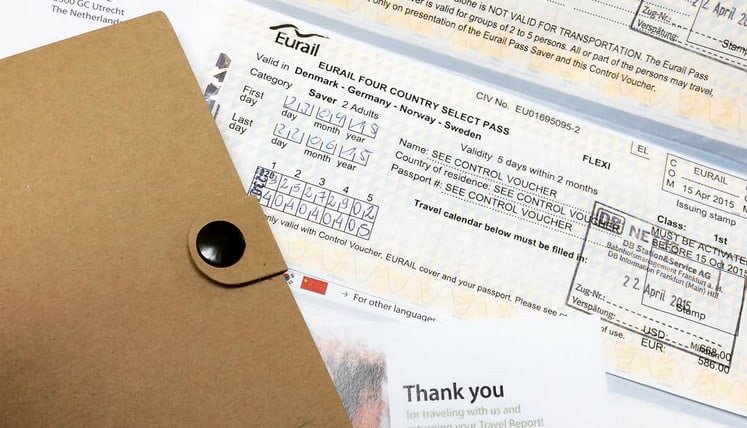
The vast majority of European train tickets are now issued electronically as PDF documents or QR codes accessible via smartphone applications. This transition underscores the necessity of maintaining reliable mobile data connectivity while navigating transit hubs.
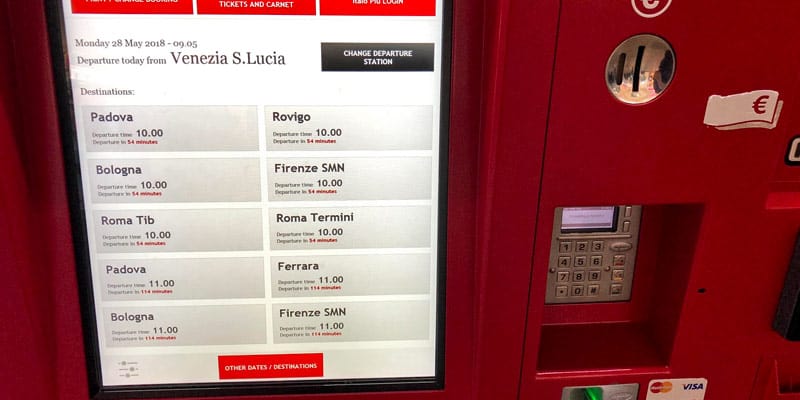
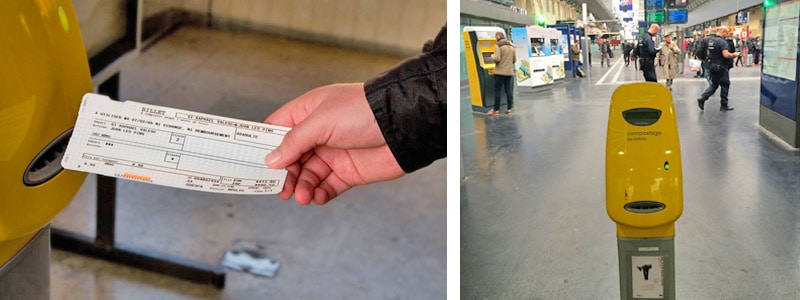
For the remaining paper tickets—particularly regional paper passes issued from station kiosks—validation remains a strict legal requirement. Passengers must insert their physical tickets into automated stamping machines located at the head of station platforms prior to boarding. Failure to validate a physical ticket can result in substantial on-board fines by ticket conductors, who interpret un-validated passes as an attempt to evade fares.
Navigating the Urban Railway Terminal
European railway stations serve as sprawling civic hubs, combining transit infrastructure with retail spaces, dining, and passenger amenities. However, their scale and complexity can overwhelm uninitiated visitors.
Station Identification and Layout
Travelers must verify the exact station name prior to departure, as major metropolitan areas frequently operate multiple terminal facilities. For instance, Paris features six major railway termini, while smaller municipalities often maintain distinct stations for regional and high-speed services.
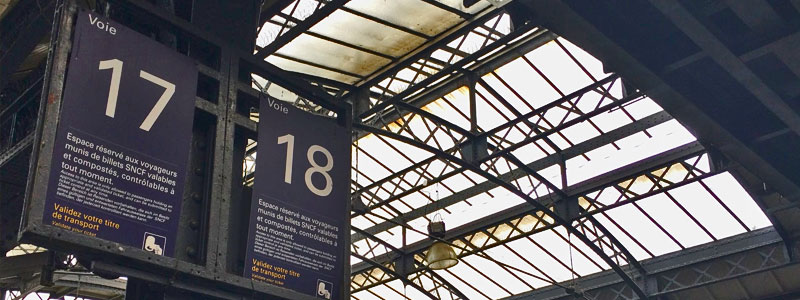
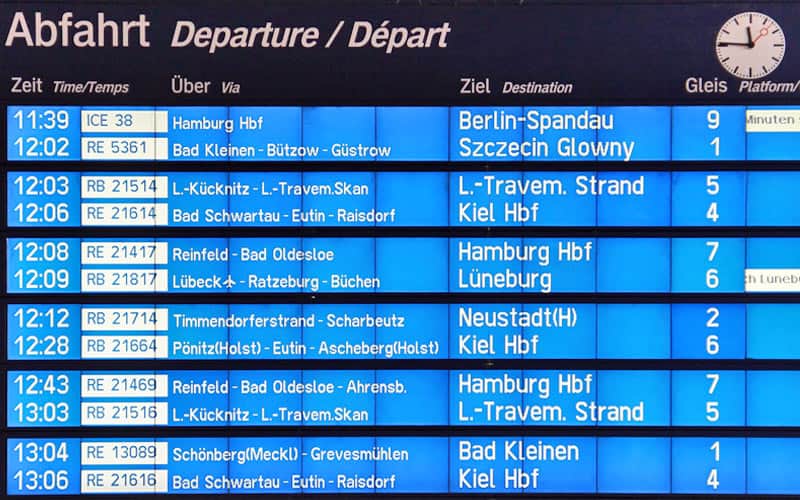
Upon entering the terminal, passengers must consult the central electronic departure boards (tableau des départs or Abfahrt). These boards list scheduled departure times, destination cities, train identification numbers, and assigned platforms (voies or Gleis). Industry experts advise passengers that platform assignments are frequently withheld until 10 to 15 minutes prior to departure to manage platform congestion, requiring constant vigilance at the terminal monitors.
Security and Counter-Measures Against Petty Crime
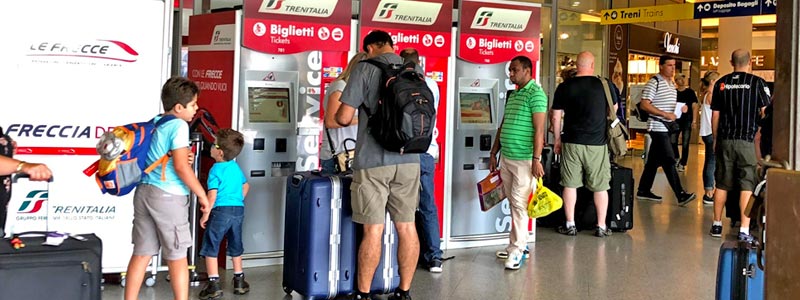
Due to high volumes of transient passengers and distracted tourists, major European railway hubs are primary targets for pickpockets and opportunistic theft rings. Transit security authorities advise travelers to maintain physical contact with luggage at all times and to exercise caution regarding overly helpful strangers offering unsolicited assistance at automated ticket vending machines or platform turnstiles.
Boarding Protocols and Onboard Etiquette
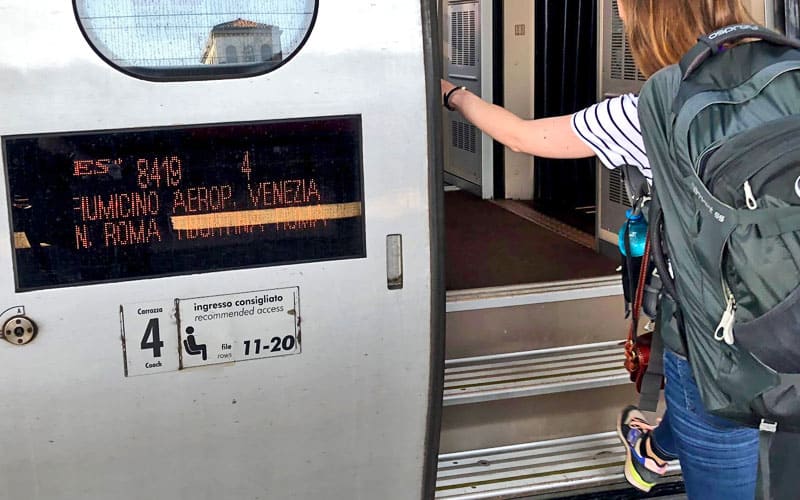
Once the platform is announced, passengers proceed to the designated boarding zone. High-speed trains feature reserved seating configurations indicated on the ticket by car (voiture or Wagen) and seat numbers. Exterior car numbers and electronic platform indicators display the precise stopping zones for each carriage, allowing passengers to position themselves correctly along the platform before the train arrives.
Upon boarding, luggage is stowed either in overhead racks for smaller bags or in dedicated floor-level storage bays located near the vestibules of each car. Within 10 to 20 minutes of departure, a ticket conductor will inspect physical tickets or scan digital QR codes.
Throughout the journey, passengers enjoy access to amenities ranging from quiet cars to dining and bistro carriages, where food and beverages—including alcoholic refreshments—are legally permitted. Upon approaching the destination, travelers must verify station announcements carefully, accounting for multi-stop metropolitan configurations where peripheral suburban stations precede the central urban terminal.
Broader Implications and Modern Trends in European Rail
The ongoing renaissance of European passenger rail is heavily supported by continental transport policies aimed at decarbonizing the travel sector. The European Union has actively promoted cross-border rail interoperability, dismantling historical bureaucratic barriers between national networks. Initiatives such as the revival of overnight sleeper trains (Nightjet services) and proposed high-speed rail corridors connecting major capitals reflect a broader regulatory shift away from carbon-intensive short-haul aviation.
As digital ticketing standards harmonize and infrastructure investments expand, European rail travel continues to solidify its position as the premier mode of continental transit, balancing historical charm with modern logistical efficiency.