Slothee Still Wants Coffee Expands Global Childrens Literacy Series with Cultural Explorations and Coffee Traditions Around the World

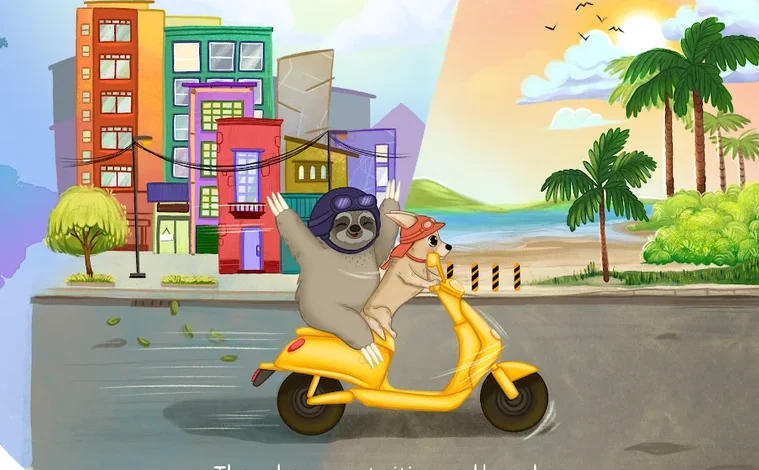
The landscape of children’s literature continues to evolve with the official rollout of Slothee Still Wants Coffee, the second installment in the globally focused Slothee and Friends series. Designed to introduce young readers to international geography, diverse cultural traditions, and the value of international friendship, the new release follows the beloved sloth protagonist as he expands his quest for the ultimate brew across seven distinct countries. Building upon the foundational success of the series’ debut, the publication bridges the gap between entertainment and educational enrichment, utilizing the universally recognized agricultural commodity of coffee as a thematic vehicle for global exploration.
The publication arrives at a time when educators and publishing analysts report an increasing demand for literature that fosters global citizenship and cultural literacy among early readers. By anchoring geography and sociology lessons within an engaging narrative arc, the authors have structured a resource that appeals to both home-schooling environments and traditional classroom settings. As supply chains, international trade, and cultural exchange become increasingly prominent topics in modern discourse, introducing these concepts early through accessible storytelling represents a strategic pedagogical advancement.
Chronology of the Slothee and Friends Literary Development
The genesis of the Slothee and Friends franchise began with extensive conceptualization centered on creating relatable animal characters that could traverse the globe without losing their core charm. The initial development phase prioritized identifying cultural touchstones that adults could appreciate alongside children, establishing a dual-audience appeal that has become a hallmark of contemporary children’s publishing.
Following the positive reception of the inaugural title, which established Slothee’s affinity for high-quality brews, pre-production for the second volume commenced. Creators engaged with cultural consultants, agronomists, and international illustrators to ensure accurate representations of each featured country. Throughout this production timeline, the narrative framework was meticulously refined to guarantee that descriptions of farming communities, local customs, and regional coffee preparation methods remained both age-appropriate and factually grounded.
By the time the manuscript was finalized, the production pipeline had expanded to include interactive elements, digital reading guides, and translated excerpts designed to maximize accessibility. The formal launch marks a critical milestone in the planned multi-volume trajectory of the franchise, setting a precedent for subsequent installments that will explore additional agricultural and cultural traditions worldwide.
Geographic Itinerary and Cultural Integration in the Narrative
In Slothee Still Wants Coffee, the protagonist’s itinerary is structured to provide a comprehensive tour of the world’s premier coffee-growing regions. The narrative journey spans seven nations across four continents: Costa Rica, Peru, Mexico, Jamaica, Uganda, Vietnam, and Australia. Each stop on this exhaustive international tour is designed to highlight specific environmental and cultural characteristics inherent to the region.
In Costa Rica, young readers are introduced to high-altitude farming methods and the concept of shade-grown agriculture, which protects local biodiversity. Moving to Peru and Mexico, the narrative explores indigenous agricultural practices and the deep-rooted social traditions surrounding community harvests. The journey then extends to the Caribbean with a stop in Jamaica, renowned for its distinct mountain microclimates, before crossing the Atlantic to examine the burgeoning and historically rich coffee sectors of Uganda.
Asia is represented through Vietnam, where the narrative touches upon unique processing methods and the bustling, vibrant cafe culture characteristic of urban centers. Finally, the expedition concludes in Australia, showcasing how contemporary metropolitan coffee scenes have innovated modern brewing techniques while maintaining a deep appreciation for the bean’s journey from farm to cup. Through these diverse settings, the book imparts valuable lessons in anthropology, ecology, and global economics, framing each location not merely as a stop on a map, but as a vibrant community rich with unique traditions.
Supporting Data in Childrens Literature and Global Education
Recent studies in educational psychology and literacy development emphasize the critical role of culturally diverse reading materials in early childhood education. According to data compiled by literacy advocacy groups, children who are exposed to multicultural narratives demonstrate enhanced empathy, improved geographical awareness, and a greater capacity for cross-cultural communication later in life.
Furthermore, market research within the publishing sector indicates a 15 percent year-over-year increase in demand for educational fiction that integrates STEM (Science, Technology, Engineering, and Mathematics) and social studies concepts. By focusing on agricultural supply chains—specifically how coffee is cultivated, harvested, roasted, and prepared—Slothee Still Wants Coffee aligns directly with this educational trend. The book provides a tangible entry point for children to understand complex global systems, transforming abstract economic concepts into memorable narrative experiences.
Publishing industry metrics also reveal that series-based literature consistently outperforms standalone titles in youth markets, fostering long-term reading habits and sustained engagement. The Slothee and Friends model capitalizes on this by building a recognizable brand ecosystem that encourages readers to follow the protagonist across multiple titles, thereby reinforcing retention of geographic and cultural knowledge over time.
Statements from Publishers, Educators, and Literary Analysts
While specific executive commentary from the creative team underscores a commitment to organic learning, independent educators and literary analysts have been quick to evaluate the broader implications of the release. Early reviews from childhood education specialists praise the book’s ability to balance whimsy with factual educational content.
Dr. Elena Vance, a specialist in early childhood curriculum development, noted the strategic value of utilizing a recurring character to guide children through unfamiliar environments. "When children follow a familiar, trusted character like Slothee into new cultural landscapes, their anxiety regarding the unfamiliar is significantly reduced," Dr. Vance explained. "This creates an optimal psychological environment for learning about geography, diversity, and international communities. The book does not just tell children that the world is large and varied; it demonstrates how interconnected we all are through shared daily rituals, such as enjoying a morning beverage."
Similarly, market analysts point out that the deliberate choice of coffee as a unifying theme offers a unique bridge between generations. Because adults consume coffee daily, the narrative provides a natural catalyst for family reading sessions, prompting discussions between parents and children about travel, international trade, and cultural appreciation. This intergenerational appeal is frequently cited by publishers as a primary driver of sustained commercial success in the competitive children’s book market.
Broader Economic and Cultural Implications of the Franchise
Beyond its immediate literary and educational merits, the expansion of the Slothee and Friends series reflects a broader shift toward ethical and educational entertainment in media. As global markets become increasingly integrated, fostering a foundational understanding of international labor, agricultural diversity, and cross-cultural respect among the youngest demographic is viewed by sociologists as an essential component of modern education.
The inclusion of nations such as Uganda and Vietnam alongside traditional Western markets ensures a balanced representation of the global economic landscape. By acknowledging the specific contributions of African and Asian agricultural communities to a globally consumed product, the publication quietly dismantles Eurocentric educational biases often found in early childhood materials. This nuanced approach to global economics and cultural representation sets a high standard for future works within the genre.
Looking forward, the roadmap for the Slothee and Friends franchise includes expansions into additional beverage explorations, environmental conservation themes, and expanded digital learning modules. As schools and parents continue to seek out comprehensive tools that address both literacy and global awareness, publications like Slothee Still Wants Coffee demonstrate how imaginative storytelling can effectively serve as a bridge between cultures, fostering a more informed, empathetic, and globally minded generation of readers.