The Ultimate Family Guide to Barcelona Beaches: Navigating the Mediterranean Coastline with Children

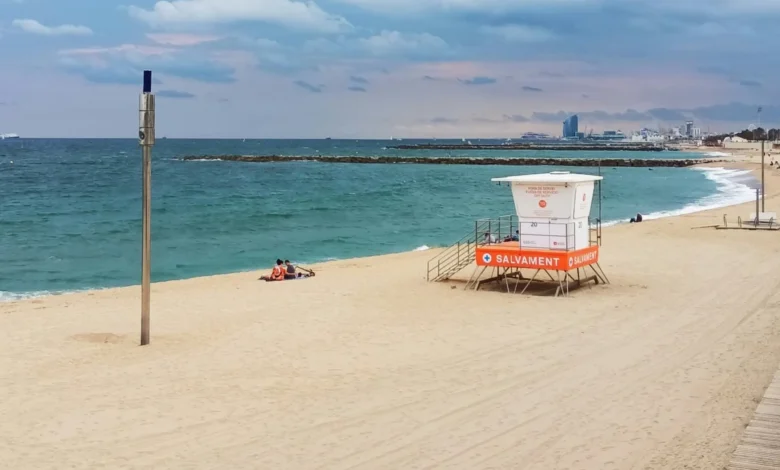
One of the defining urban characteristics of Barcelona is its seamless integration of world-class cultural landmarks and an expansive Mediterranean coastline. Travelers can spend their morning exploring the modernist architecture of Antoni Gaudí, navigating the labyrinthine alleys of the historic Gothic Quarter, or touring municipal museums, and transition directly to sandy shores by lunchtime. Stretching for roughly three miles, Barcelona’s urban beachfront offers a dynamic coastal ecosystem characterized by convenience, high accessibility, and diverse community atmospheres. Understanding the nuances of each section of the coastline is essential for families, planners, and visitors aiming to optimize safety, logistics, and comfort during the peak bathing season.
Historical Context and Urban Development of the Waterfront
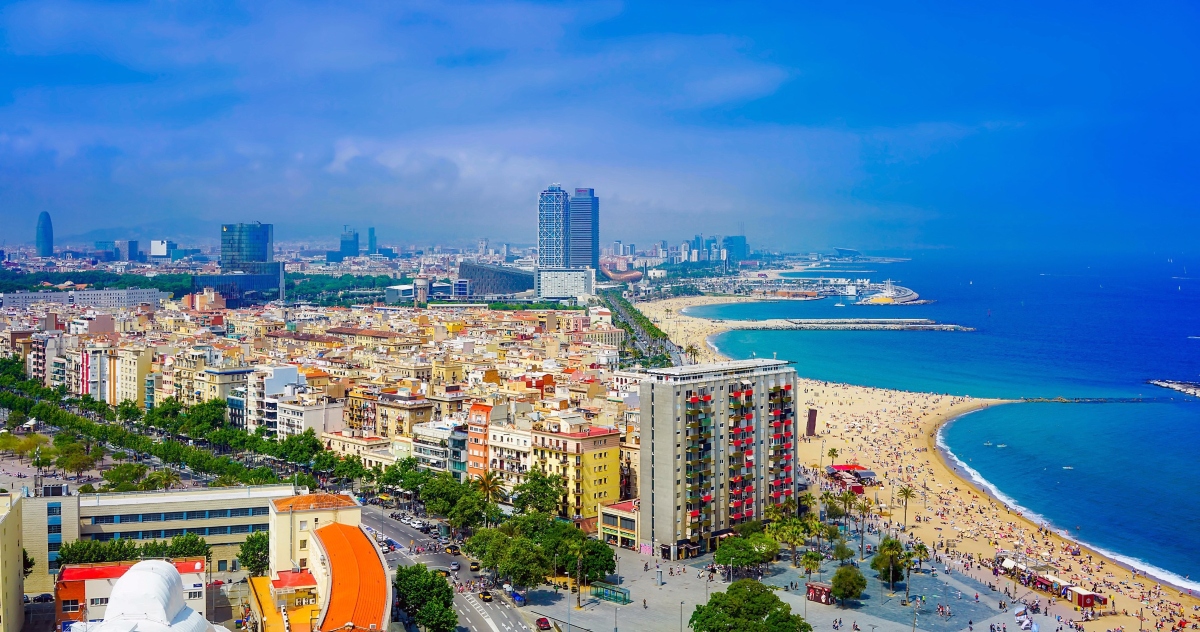
The modern accessibility of Barcelona’s coastline is a relatively recent phenomenon. Prior to the late 1980s, the city’s industrial past heavily influenced its waterfront, which was dominated by railway lines, factories, warehouses, and port infrastructure that largely severed the urban core from the Mediterranean Sea. The catalyst for transformation arrived with the 1992 Summer Olympic Games. Municipal planners seized the international event as an opportunity to reinvent the city’s industrial periphery, executing a massive urban renewal project that removed obsolete factories, cleared rail lines, and imported millions of tons of sand to construct the contiguous string of beaches that exist today.
This historic infrastructural overhaul not only revitalized the maritime economy through the creation of Port Olímpic and later the Fòrum district, but it also democratized the coastline. Today, the municipal government invests heavily in maintaining water quality, deploying seasonal infrastructure, and ensuring comprehensive public services along the entire three-mile stretch, transforming a once-industrial fringe into a vital civic asset used by millions of residents and international tourists annually.
Comprehensive Beach-by-Beach Breakdown for Families
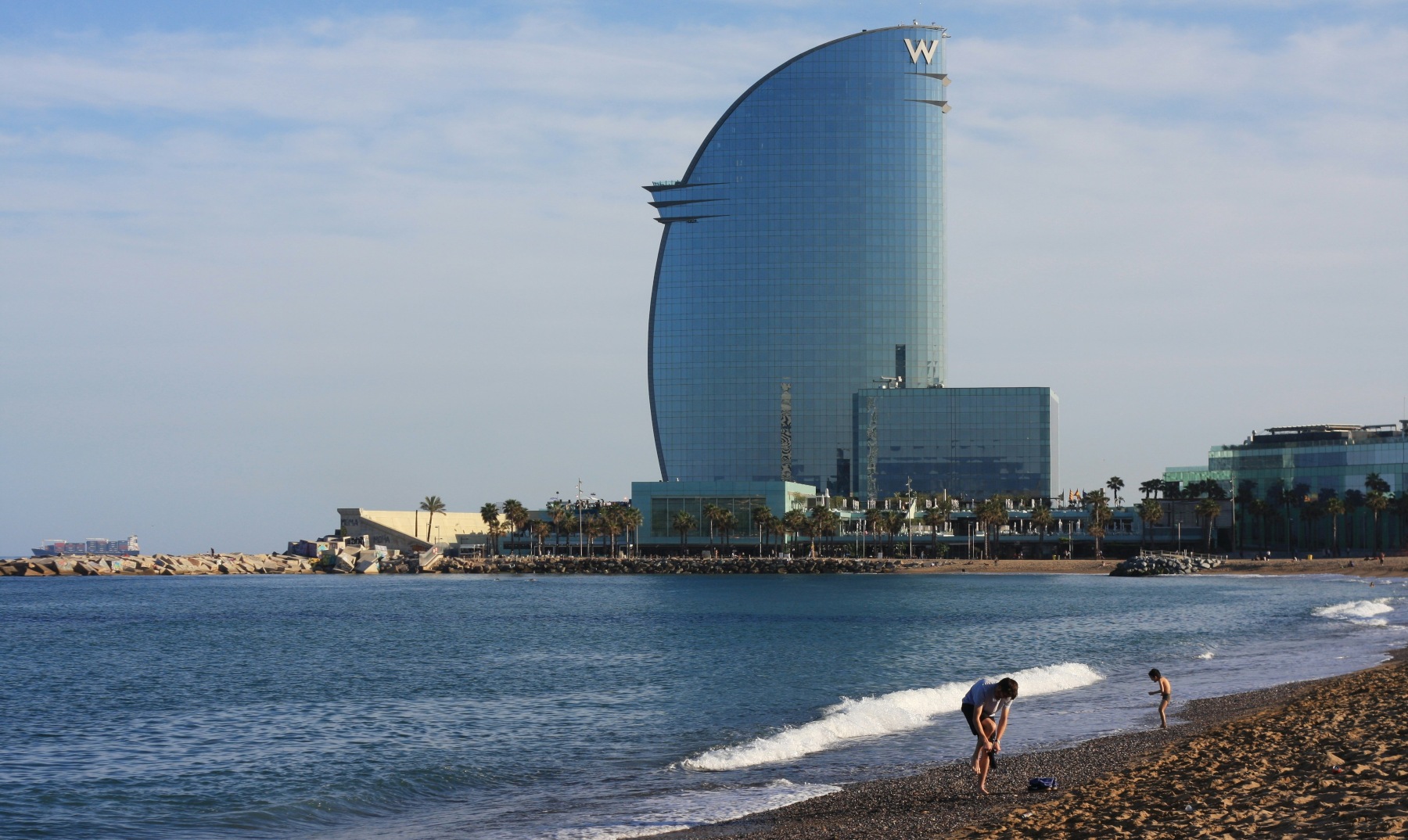
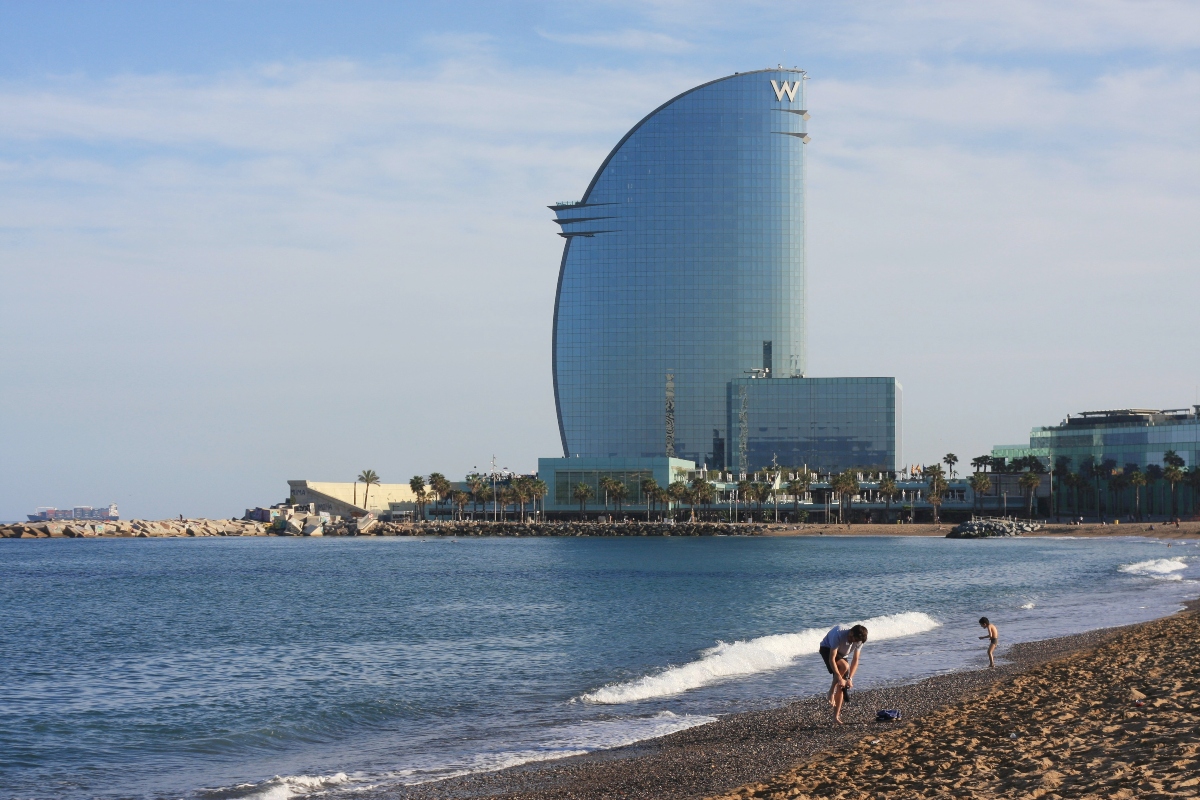
Running in a southwest-to-northeast orientation from the distinctive sail-shaped W Barcelona hotel toward the Fòrum, the coastline features distinct zones, each catering to different demographics, activity levels, and family requirements.
Sant Sebastià: Historic Charm and Low-Key Accessibility
Positioned directly adjacent to the W Barcelona hotel, Sant Sebastià is one of the city’s oldest and most historically significant beach areas. Bounded by the iconic sail-shaped architectural landmark and the green glass Desigual building, this wide stretch provides an optimal setting for families seeking to combine a brief seaside excursion with dining options. The entry into the water features a relatively gradual slope under calm meteorological conditions, making it manageable for younger children. Furthermore, the presence of local paddleboard rental operations offers recreational opportunities for older children and teenagers, while the surrounding infrastructure provides immediate access to public amenities.
Barceloneta and Somorrostro: Central Energy and High-Density Crowds
Directly north of Sant Sebastià lies the universally recognized Barceloneta beach, which transitions seamlessly into Somorrostro near Port Olímpic and the twin Hotel Arts and Mapfre towers. This central corridor represents the vibrant heart of Barcelona’s beach culture, characterized by high foot traffic, energetic social dynamics, and a dense concentration of beachside chiringuitos (cafés). While culturally iconic, urban planners and family travel experts generally advise caution for families with small children, as the demographic skews younger, highly social, and exceedingly crowded during peak summer months. Families wishing to experience this central sector are advised to visit during the early morning hours to avoid peak congestion.
Nova Icària: The Prime Destination for Families with Young Children
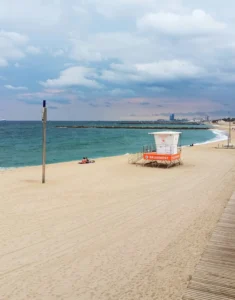
Located just north of Port Olímpic, Nova Icària is widely regarded by urban planners and family travel specialists as the premier beach section for visitors traveling with young children. The atmosphere here is notably calmer, more deliberate, and less frantic than its central neighbors. The shoreline features expansive sand deposits and a gentle gradient into the sea. Crucially, Nova Icària serves as a benchmark for municipal accessibility, featuring dedicated wooden boardwalks that accommodate strollers and wheelchairs, alongside comprehensive seasonal support services.
Bogatell: Spacious and Active Local Environment
Further north lies Bogatell, an expansive beach that appeals to families seeking additional physical space and a more authentic, local atmosphere. Bogatell attracts a diverse cross-section of residents engaging in beach volleyball, running along the adjacent seafront bike path, and participating in water sports. The broader footprint of this beach mitigates the overcrowding often found in central zones, while maintaining robust infrastructure, including lifeguards, restrooms, showers, and seasonal sunbed rentals.
Mar Bella: Sports Culture and Inclusive Community Spaces
Mar Bella caters explicitly to active families, teenagers, and sports enthusiasts. Situated near a prominent municipal skate park, the area naturally integrates water activities with skateboarding and coastal cycling. However, visitors must note that Mar Bella is historically recognized for its inclusive ethos, encompassing naturist and LGBTQ+ beach cultures. While this reflects Barcelona’s broader commitment to social diversity and tolerance, visiting families should be aware of these cultural characteristics when selecting their destination.
Infrastructure, Services, and Accessibility Data
Barcelona’s municipal administration maintains strict operational standards across all official bathing zones during the swimming season, which typically runs from late spring through mid-September.
During this window, standard public amenities are universally deployed. Public restrooms, open-air freshwater showers, and waste management systems are distributed at regular intervals along the promenade. Beachgoers are permitted to utilize the restrooms located within official beach cafés without making a commercial purchase.
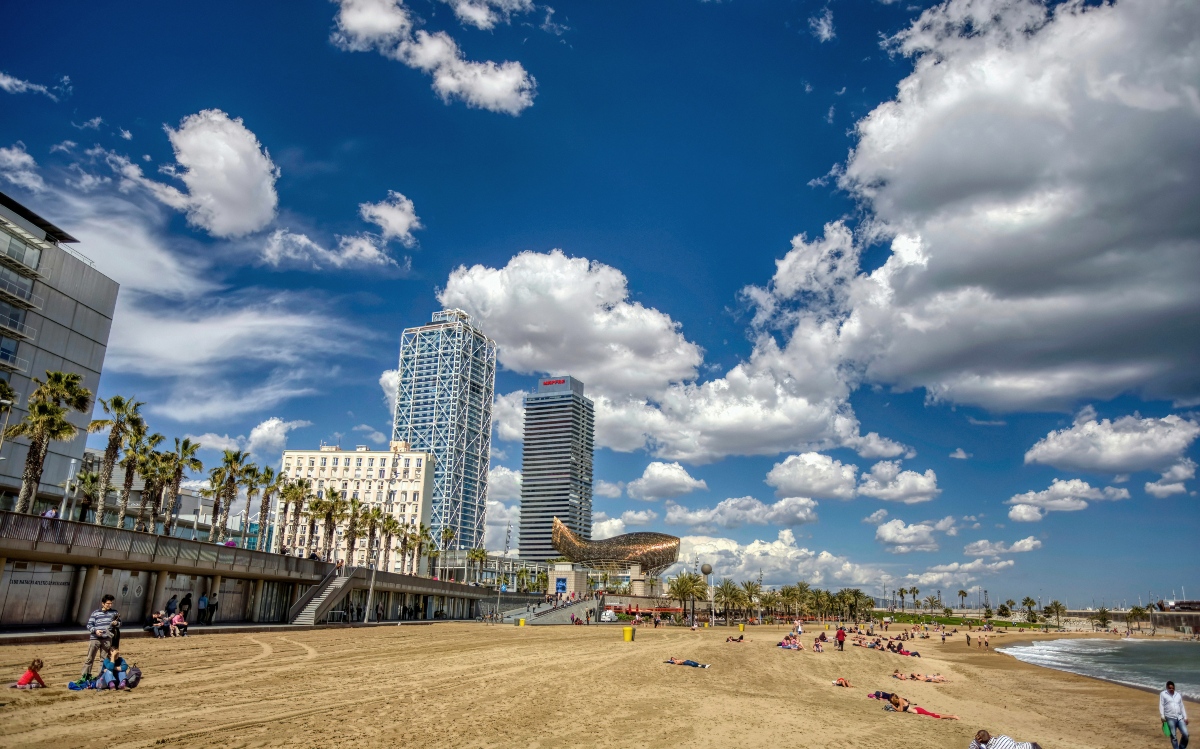
Sunbed and umbrella rentals operate on a first-come, first-served concession model. Typical daily rates for a standard package consisting of two loungers and a protective parasol begin at approximately €30, varying by specific location and seasonal demand. Given the minimal natural shade along the engineered coastline, municipal health agencies strongly recommend renting or bringing external sun protection, particularly for families visiting during peak solar hours between June and September.
Accessibility for individuals with reduced mobility, physical disabilities, and parents with strollers represents a major focus of municipal policy. Several beaches—most notably Nova Icària and Bogatell—are equipped with extended wooden walkways reaching close to the shoreline. Furthermore, the city operates an assisted bathing service during peak months at select locations. These specialized facilities include:
- Adapted changing rooms and accessible restrooms.
- Designated shaded waiting areas.
- Amphibious floating chairs designed to navigate sand and water safely.
- Flotation support devices and trained municipal personnel to assist individuals in entering and exiting the Mediterranean Sea.
Safety Protocols, Flag Systems, and Urban Security
Lifeguard services operate during designated hours throughout the bathing season, typically spanning from late morning through early evening. Swimming zones are strictly demarcated by yellow buoys to separate swimmers from motorized watercraft, jet skis, and commercial vessels.
Adherence to the international coastal flag system is mandatory for water safety:
- Green Flag: Indicates optimal swimming conditions with minimal risk.
- Yellow Flag: Denotes caution, which may be triggered by undertows, surface currents, elevated wave heights, water quality fluctuations, or the presence of marine hazards such as jellyfish. Swimmers are required to consult lifeguards prior to entering the water when a yellow flag is displayed.
- Red Flag: Prohibits swimming entirely due to hazardous meteorological or marine conditions.
In addition to tidal and marine warnings, municipal authorities issue guidance regarding urban safety. Because Barcelona’s beaches are integrated directly into the urban grid, petty crime, including opportunistic theft on the sand, remains a persistent challenge for law enforcement. Local security agencies advise visitors to secure high-value items, leave original identification documents and passports in hotel safes, and ensure that personal belongings are actively monitored by a member of the party at all times.
Economic and Sociological Implications of Urban Beach Management
The successful management of Barcelona’s urban coastline carries significant economic and sociological weight for the Catalonia region. Tourism generated by the beachfront sustains thousands of direct and indirect jobs in hospitality, leisure, sports administration, and municipal maintenance. However, balancing high tourist influxes with the recreational needs of local residents remains a continuous challenge for city administrators.
Urban sociologists note that initiatives such as zoning specific beaches for family recreation (e.g., Nova Icària), enhancing inclusivity (e.g., Mar Bella), and heavily investing in accessibility infrastructure represent deliberate efforts by the city to mitigate overcrowding and social friction. By distributing visitor density across the three-mile littoral strip and enforcing rigorous environmental standards, Barcelona continues to serve as a global model for post-industrial waterfront regeneration and sustainable urban tourism management.